
 By admin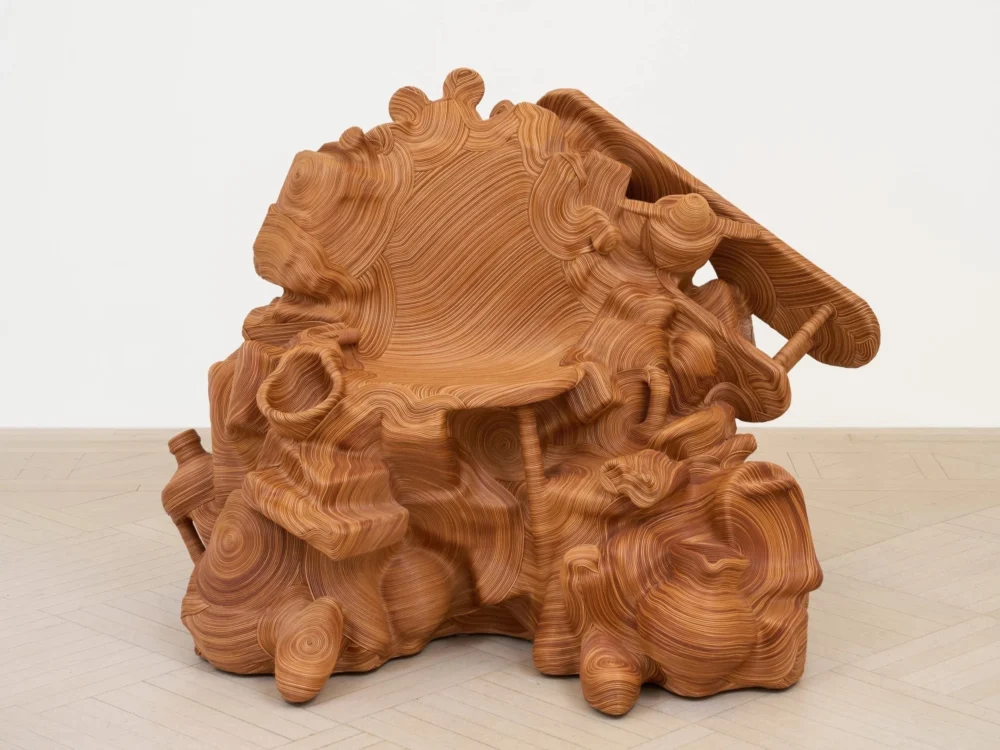
On International Women’s Day 2026, LUXUO proudly spotlights eight extraordinary women whose ingenuity and vision are not merely decorating spaces but fundamentally reshaping the interior and furnishing industries. From rising stars garnering international acclaim to seasoned veterans with decades of transformative influence, this curated selection of designers stands as a testament to the diverse and powerful impact women are having on global design discourse. Their collective practice transcends ephemeral trends, delving instead into deeply personal experiences, cultural narratives, and a profound responsiveness to context. Working across a vast spectrum that includes furniture, interiors, lighting, and objects, these women are united by a powerful philosophy: design as a potent vehicle for storytelling, meticulous material exploration, and meaningful cultural dialogue. For them, objects are imbued with inherent meaning, and materials are active participants in a creative process, capable of reinterpretation, repurposing, and elevation beyond their conventional forms. In an industry frequently swayed by transient styles, these trailblazers assert their influence through unwavering vision, demonstrating an unparalleled ability to sculpt how individuals experience and interact with their environments and the objects within them. Their contributions represent a significant paradigm shift, affirming the transformative potential of contemporary design and setting new benchmarks for innovation and responsibility.
The contemporary design landscape is undergoing a profound evolution, moving beyond mere aesthetics to embrace deeper principles of sustainability, ethical production, and human-centric experiences. This shift is particularly evident in the work of leading female designers who are challenging established norms and forging new pathways. Industry reports consistently indicate a growing consumer demand for products that tell a story, reflect cultural authenticity, and contribute positively to environmental and social well-being. A 2025 market analysis by the Global Design Forum highlighted a 15% year-on-year increase in the market share for collectible design and bespoke artisanal furnishings, underscoring a broader appreciation for craftsmanship and unique narratives over mass-produced items. These women designers are at the forefront of this movement, demonstrating that luxury is increasingly defined by intention, longevity, and a conscious connection to both creator and consumer. Their leadership is not just about creating beautiful objects, but about instigating a structural change in how design is conceived, produced, and consumed globally.
Jay Sae Jung Oh – Redefining Material Value and Circularity
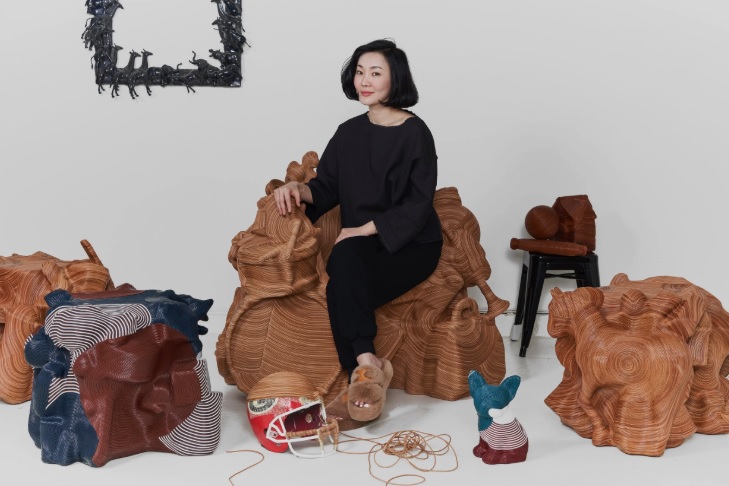
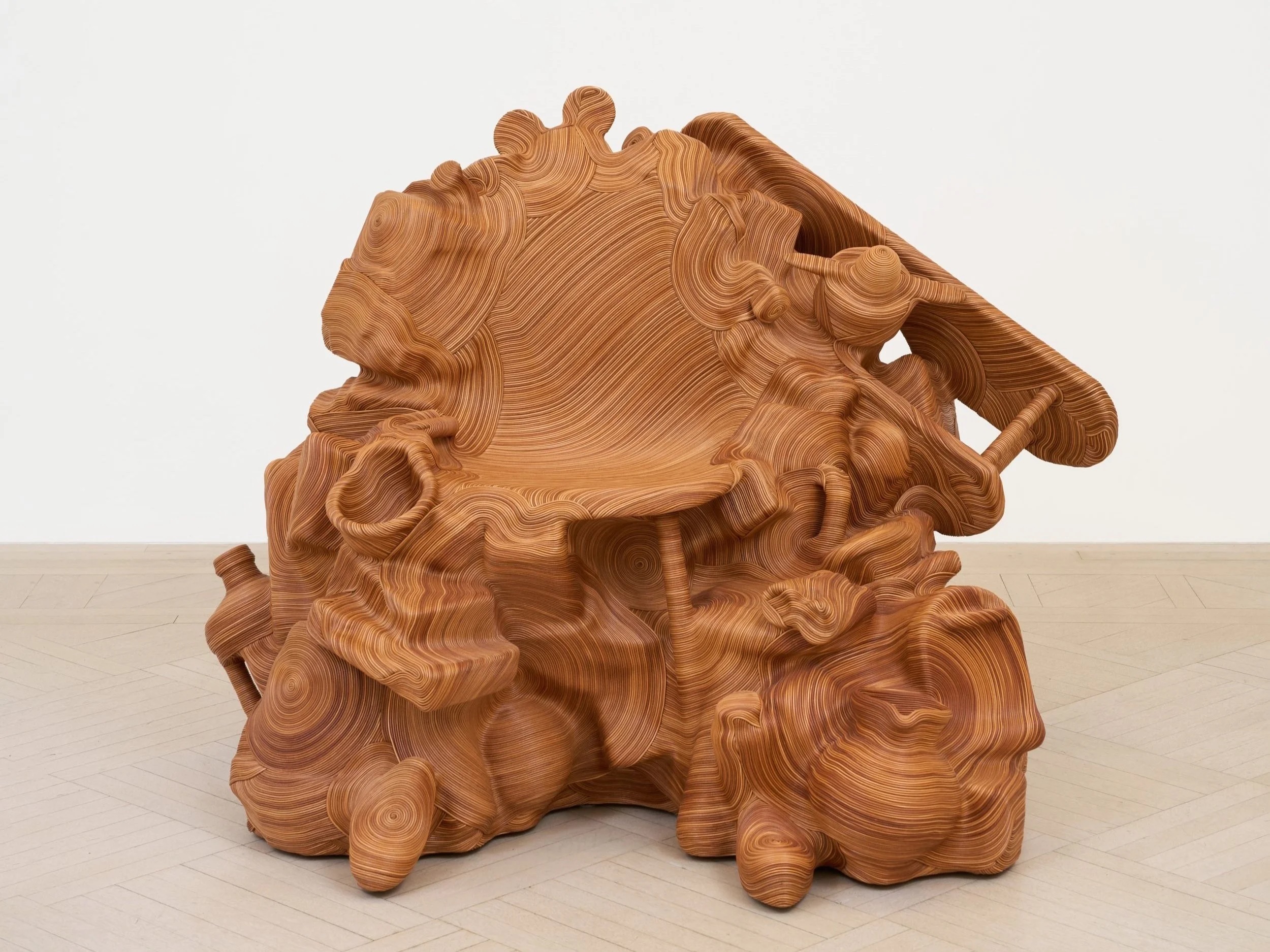
Jay Sae Jung Oh, an artist and designer whose creative practice bridges Seoul and Seattle, has dedicated over 15 years to blurring the lines between art, craft, and functional furniture. Her internationally acclaimed "Salvage" series serves as a poignant commentary on society’s rampant overconsumption, yet it simultaneously embodies her distinctive brand of functional integrity and aesthetic refinement. The series ingeniously transforms discarded materials—ranging from plastic waste to industrial offcuts—binding and meticulously carving them into strikingly cohesive and sculptural forms. This process elevates what was once considered refuse into highly desirable pieces of collectible design.
Oh’s academic background, encompassing both industrial design and fine art, grants her a unique lens through which she perceives discarded materials not merely as waste, but as a rich source of raw material brimming with untapped potential and a powerful medium for social commentary. Her work has been a prominent feature at major design exhibitions and prestigious galleries worldwide, consistently bolstering her reputation within the collectable design market. Her perspective is emblematic of a broader, critical trend observed among a new generation of designers, particularly women: a commitment to material transformation as a form of authorship, a structural integration of sustainability, and a view of design as a profound analytical tool for examining human behavior and environmental impact. By creating pieces that are both visually compelling and conceptually challenging, Oh encourages a re-evaluation of material value and the lifecycle of products.
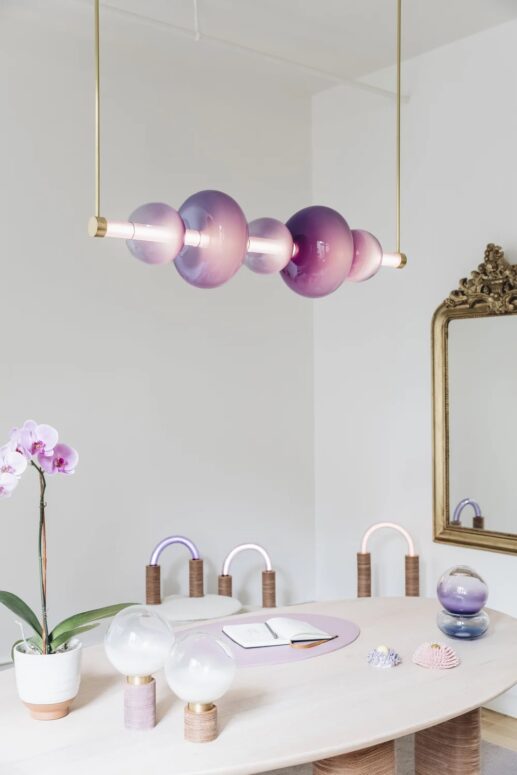
Christina Z Antonio – Sculpting Space Through Form and Tactility
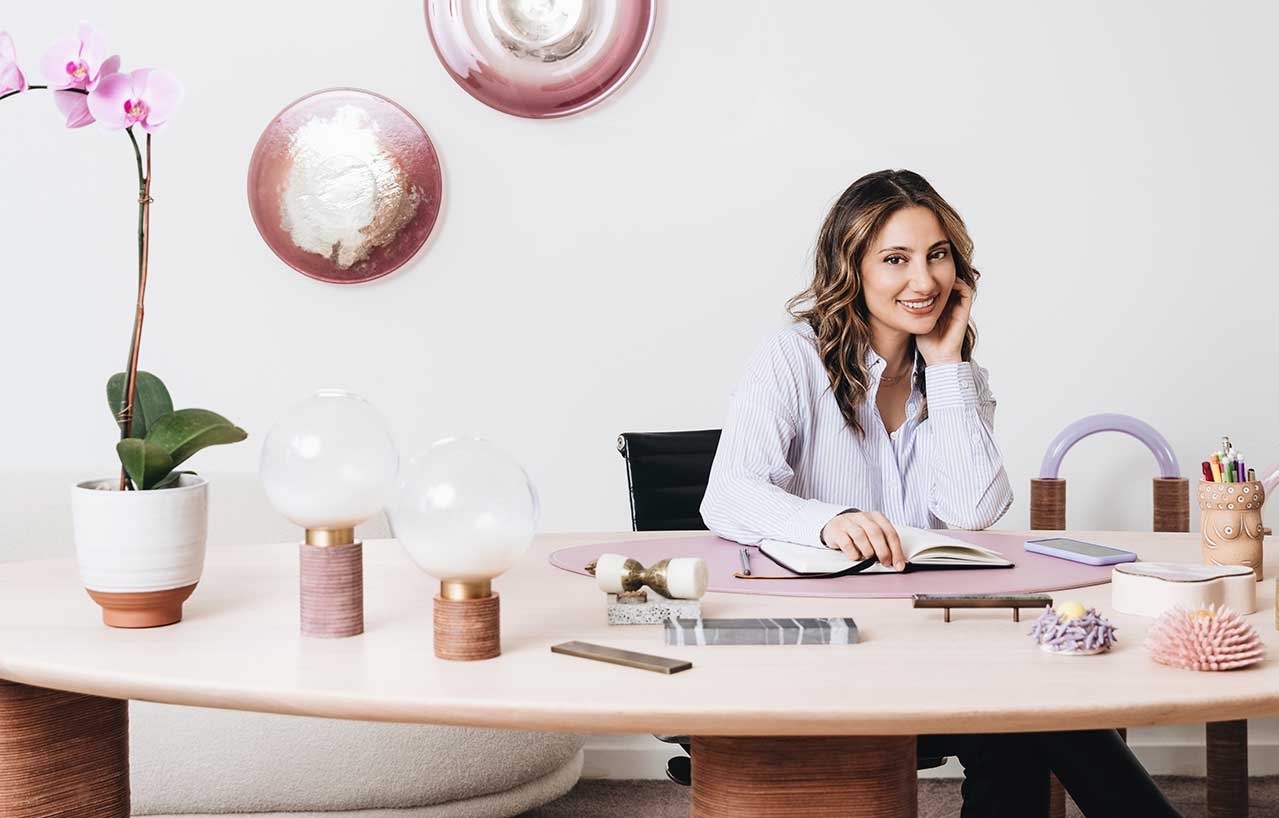
US-based designer Christina Z Antonio specializes in furniture, lighting, and interiors, crafting pieces that emphasize profound tactility and a sophisticated interplay of materials. Her work meticulously molds plaster, metal, and stone into rigid, yet elegantly balanced, geometric forms that exude both strength and refined restraint. Antonio approaches each piece of furniture as a micro-architectural endeavor, drawing deeply from her extensive experience in spatial design and the intricate dynamics of built environments. This perspective allows her to create objects that are not just functional but also profoundly influence the atmosphere and structure of a room.
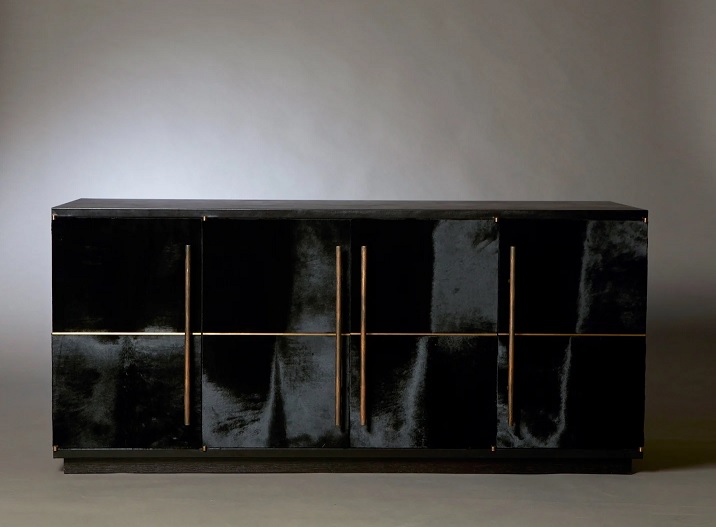
Her design ethos is characterized by a deliberate discouragement of excess, instead prioritizing precision in proportion, gravitas in weight, and the cultivation of an evocative atmosphere. Antonio, much like her forward-thinking contemporaries, views design as an inherently human-centered discipline. She posits that objects must not only occupy physical space but also resonate emotionally, reflecting an increasing industry consensus that true design authority stems from clarity of perspective and thoughtful intention, rather than visual noise or superfluous embellishment. Her pieces invite interaction, challenging the user to engage with their textures and forms, thereby creating a deeper connection between the individual and their surroundings. The Aurellis V lighting and Raven credenza exemplify her mastery in combining raw materials with sculptural elegance, achieving a timeless quality that transcends fleeting trends.

Tiarra Bell – The Art of Craft and Cultural Narrative
Tiarra Bell, founder of Bellafonté Studio in the USA, represents a vibrant younger generation that is reinventing contemporary furniture through a craft-driven approach deeply rooted in storytelling. Active for approximately a decade, Bell skillfully combines traditional woodworking, intricate upholstery, and sculptural detailing to produce limited-edition pieces that celebrate the labor of creation and honor artisanal traditions. Her creations, often inspired by her Christian faith, transcend mere utility to become cultural documents. Each object, from the Emptiness sconce to the Mountain chair, embodies identity, authorship, and intentional manufacture, showcasing a commitment to meaning beyond commercial viability.
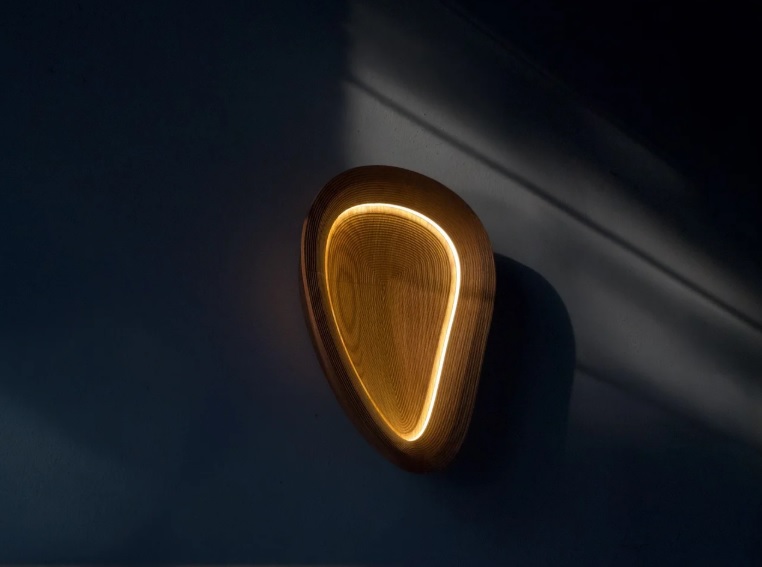
Bell’s practice positions furniture as a tangible repository of cultural narrative, where every detail reflects a deliberate decision and a connection to a larger story. Her perspective is centered on narrative depth and community engagement, aligning seamlessly with broader themes prevalent throughout this cohort of designers: transdisciplinary agility, heightened material awareness, and profound emotional resonance. Rather than striving for mass production, Bell strategically cultivates influence through her distinctive perspective, advocating for a structural shift towards design founded on purpose and accountability. Her work underscores the resurgence of bespoke craftsmanship in an era of digital dominance, reminding us of the enduring value of human touch and the power of objects to carry significant cultural weight. This emphasis on craft also speaks to a growing consumer appreciation for authenticity and provenance, distinguishing her work in a competitive market.
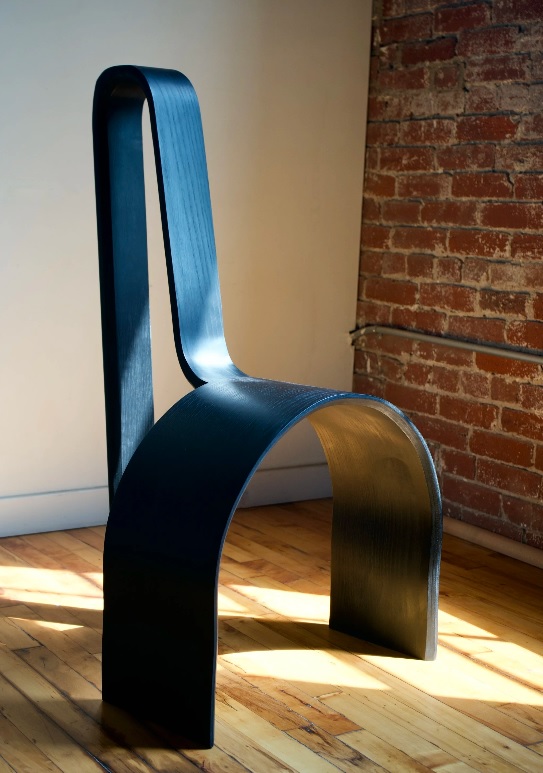
Paola Navone – A Global Visionary’s Enduring Legacy
Milan-based Paola Navone boasts an illustrious career spanning almost four decades, encompassing architecture, interior design, and product design, establishing her as one of Italy’s most prolific and decorated creative directors. A co-founder of the radical Alchimia movement in the 1970s, Navone deliberately charted a career path that rejected the dogmatic rigidity of modernism. Instead, she embraced instinct, extensive travel, and rich cultural interchange as her primary sources of inspiration. This rebellious spirit allowed her to develop a unique design language that is both globally informed and deeply personal.
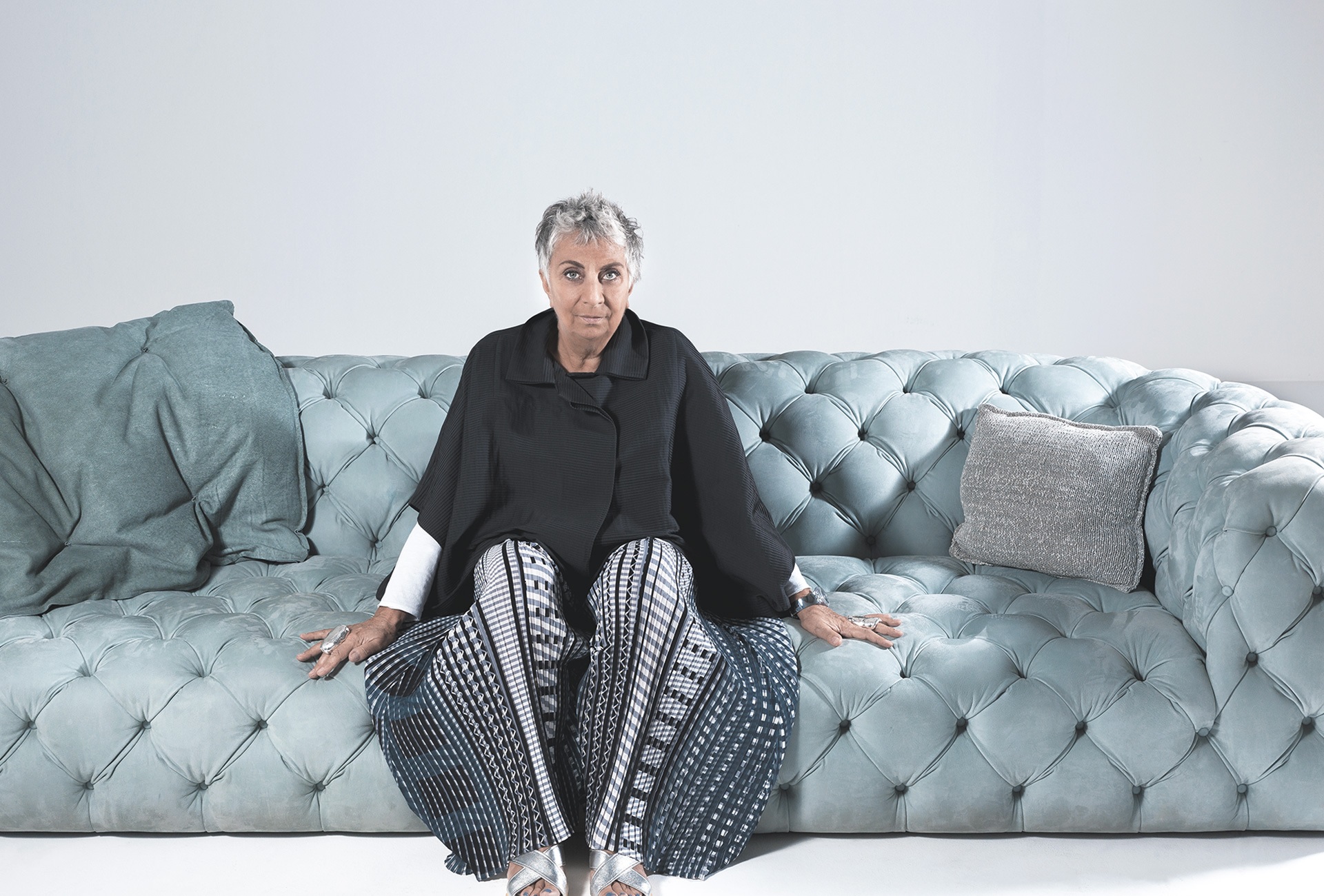
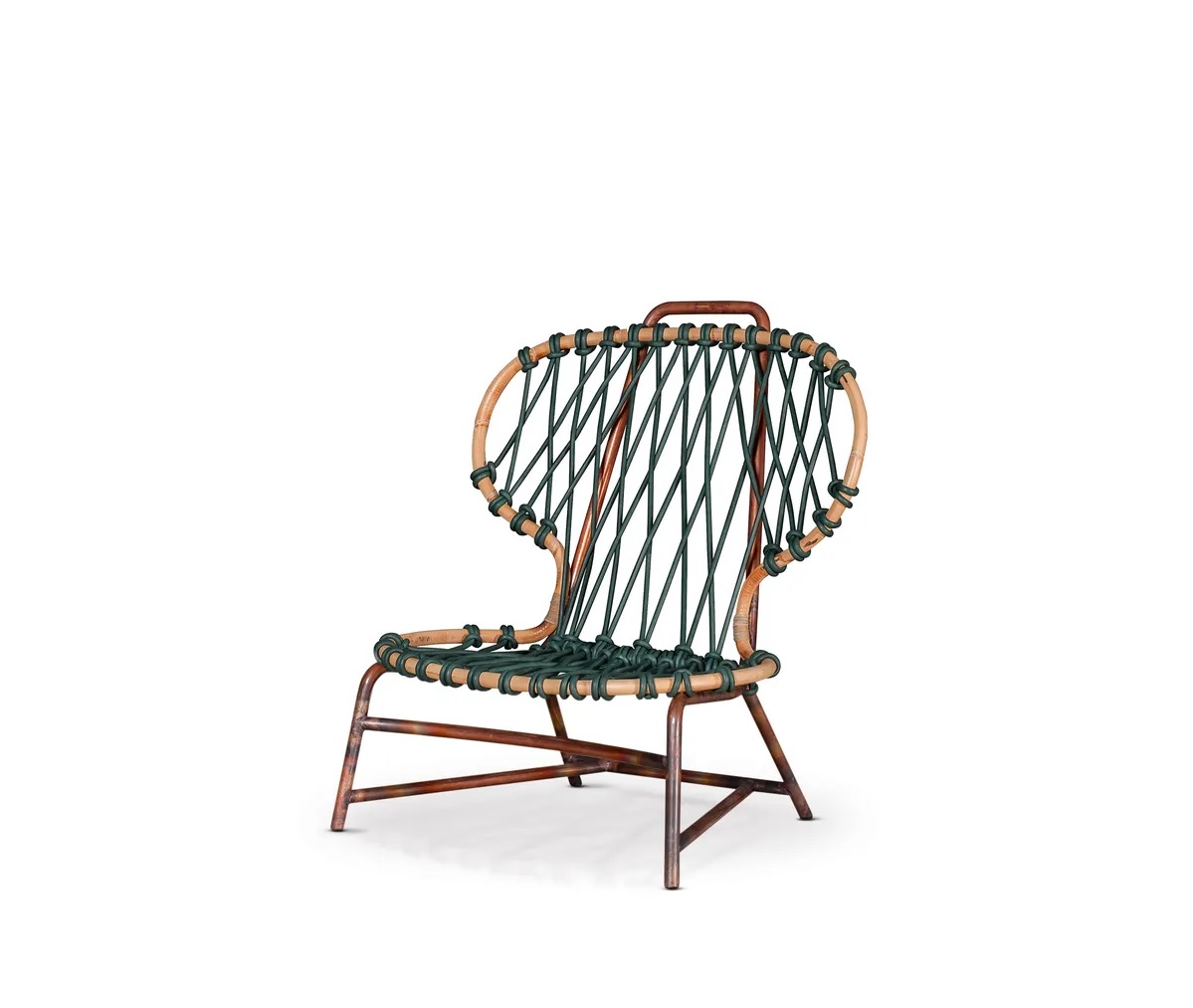
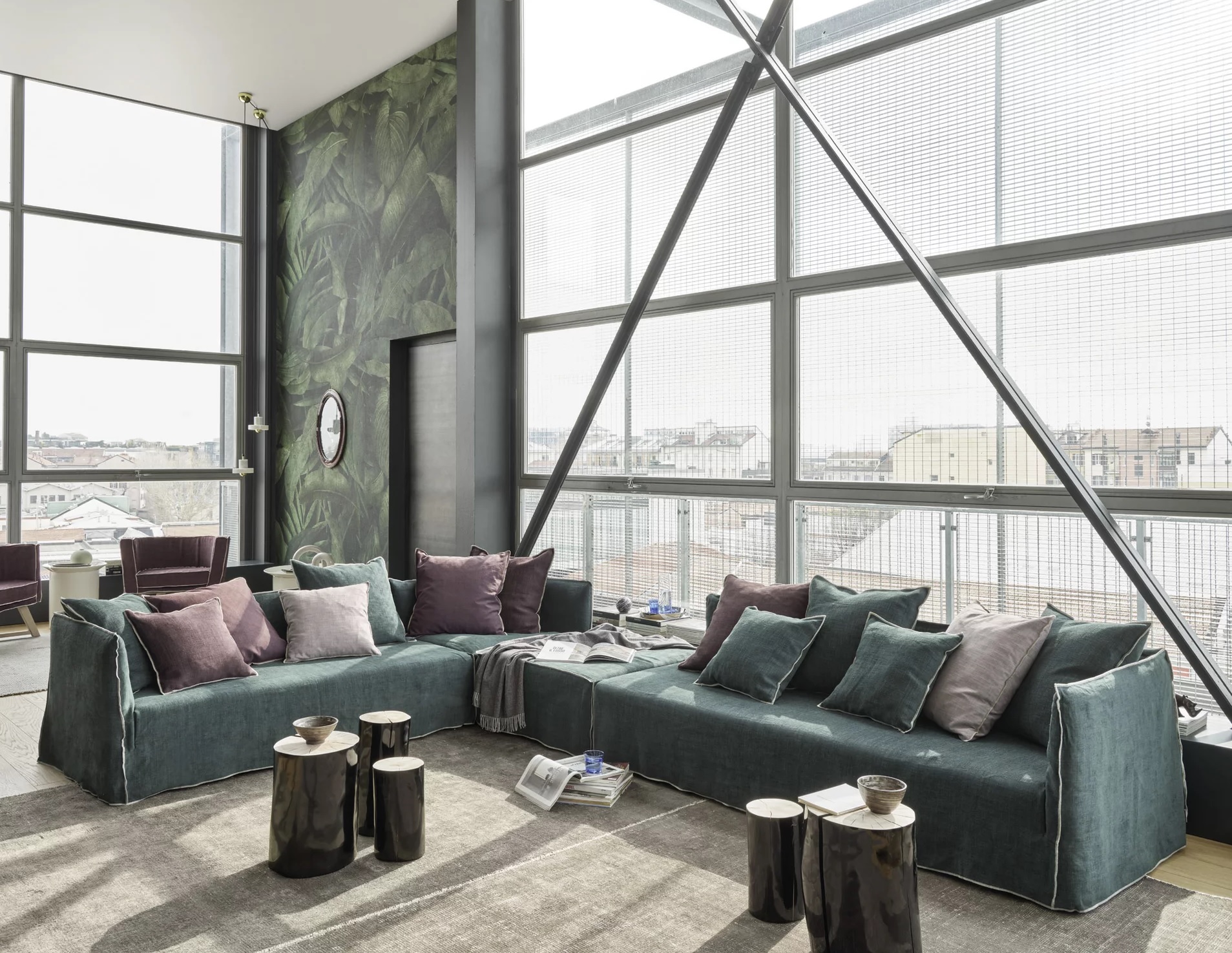
Navone’s distinctive approach is founded on meticulous worldwide observation, seamlessly integrating vernacular crafts, industrial production techniques, and everyday pragmatism. Her long-standing collaborations with a multitude of international brands—including her work for Baxter, exemplified by the Manila chair crafted from leather cords and rattan, and the Ghost sofa system for Gervasoni—stand as clear evidence of her acute commercial acumen and her ability to translate avant-garde concepts into commercially successful products. Like the rising designers she influences, Navone perceives design as a lived experience: emotionally intelligent, deeply grounded in material realities, and inherently resistant to the fleeting whims of trends. Her enduring impact is a testament to her philosophy of embracing cultural diversity and an instinctive approach to design, proving that true innovation lies in a profound understanding of human interaction with objects and spaces across different cultures.
Monica Förster – Scandinavian Precision Meets Poetic Form
Stockholm-based artist and designer Monica Förster has cultivated an impactful career spanning over 25 years, operating at the intriguing intersection of Scandinavian restraint and innovative material exploration. Her foundational training in silversmithing before transitioning to industrial design has equipped her with a unique ability to approach furniture design with both rigorous technical precision and a poetic, expressive aim. This dual mastery allows her to create pieces that are functionally impeccable yet imbued with a subtle emotional resonance.
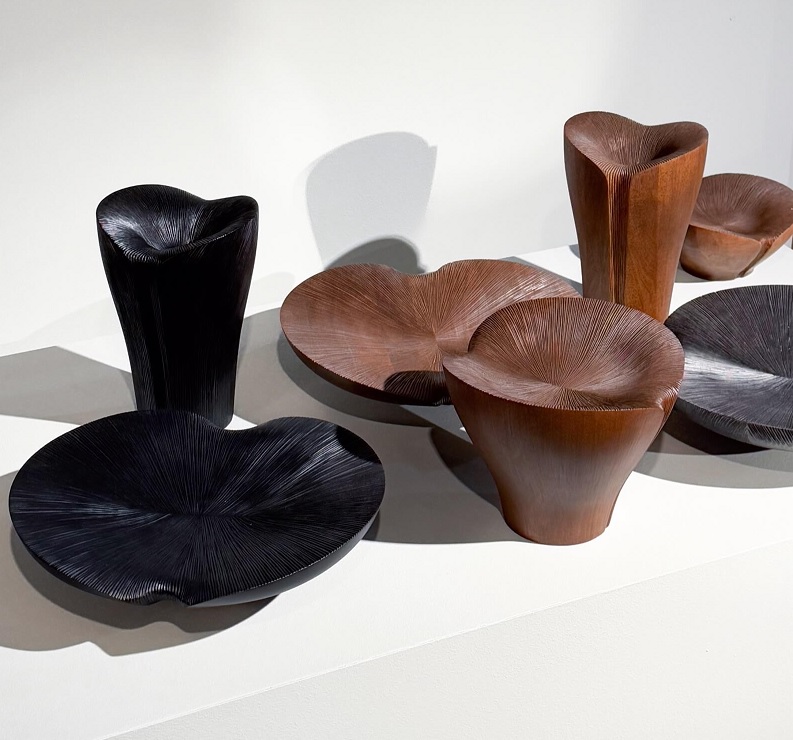
Förster’s extensive portfolio, developed through collaborations with renowned Nordic and international brands, consistently demonstrates a meticulous awareness of proportion, tactility, and advanced manufacturing methods. Her Kern table system, designed for Fogia & Outt from discarded marble, and the Kala wooden bowls and vases for Zanat, exemplify her commitment to both sustainable practices and exquisite craftsmanship. Förster’s design philosophy places a strong emphasis on human connection—specifically, how objects are touched, utilized, and integrated seamlessly into daily life. Her distinguished and lengthy career reinforces a core belief shared by many of her peers: that genuine design authority emanates from thorough research, clear conceptual thinking, and a profound cultural awareness, rather than from the pursuit of fleeting trends or visual extravagance. Her work champions enduring quality and thoughtful design that enriches everyday experiences, solidifying her status as one of Scandinavia’s most celebrated designers.

India Mahdavi – Mastering Color as a Spatial Language
Paris-based India Mahdavi, with over two decades of experience, has carved out an international reputation for her distinctive work in interiors, hospitality, and furniture design. As a trained architect, Mahdavi possesses a rare ability to translate complex spatial intelligence into highly identifiable and utterly captivating settings, achieved primarily through her masterful and strategic use of color and geometry. Her projects are instantly recognizable for their vibrant palettes and playful yet sophisticated forms, creating environments that are both immersive and memorable.

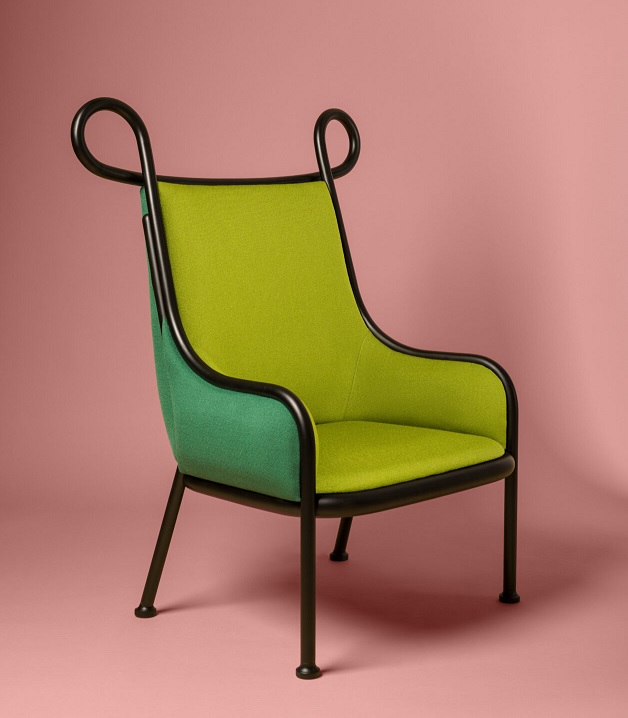
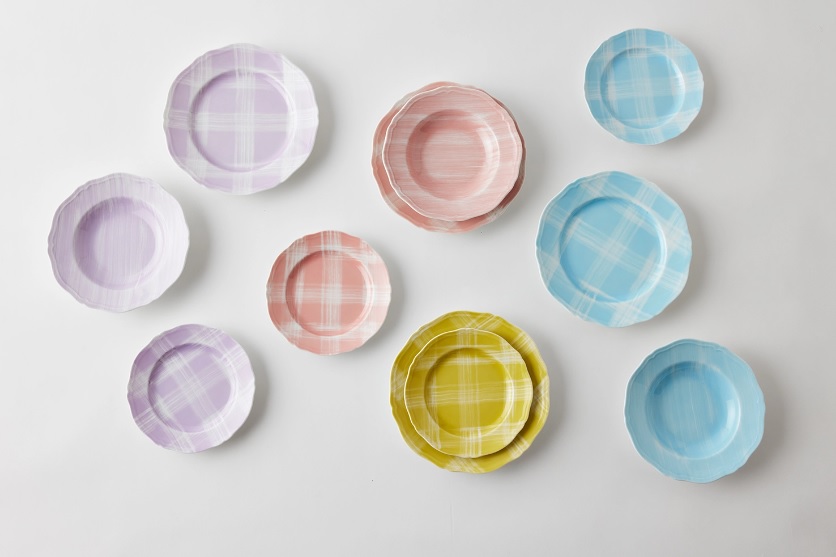
Widely acknowledged as a chromatic design pioneer, Mahdavi views color not merely as a decorative element but as a fundamental spatial structure. She expertly deploys color to sculpt mood settings, define zones, and establish a compelling brand presence within her diverse projects. Her work boasts a truly global scope, encompassing high-profile residential commissions, innovative retail spaces, and iconic hospitality venues. Behind the seemingly audacious and bold colors lies a rigorously disciplined approach, a philosophy shared by her peers: design that profoundly reflects culture, perceptibly shapes human emotion, and functions with clear intent—eschewing decoration for its own sake. The Mickey armchair for Gebrüder Thonet Vienna and the Bruto porcelain series for Ginori 1735 vividly showcase her ability to imbue objects with character and charm through her signature use of color and form, making her a formidable force in contemporary design.
Elisa Ossino – Architectural Discipline and Evocative Atmospheres
Milan-based Elisa Ossino has accumulated over 20 years of experience traversing the disciplines of architecture, interior design, art direction, and product design. Her distinct body of work is characterized by geometric simplification, a disciplined palette of regulated colors, and an exceptionally precise and thoughtful use of lighting. Ossino’s designs create spaces that are simultaneously minimalist and deeply evocative, demonstrating a mastery over the subtle nuances of perception and atmosphere.
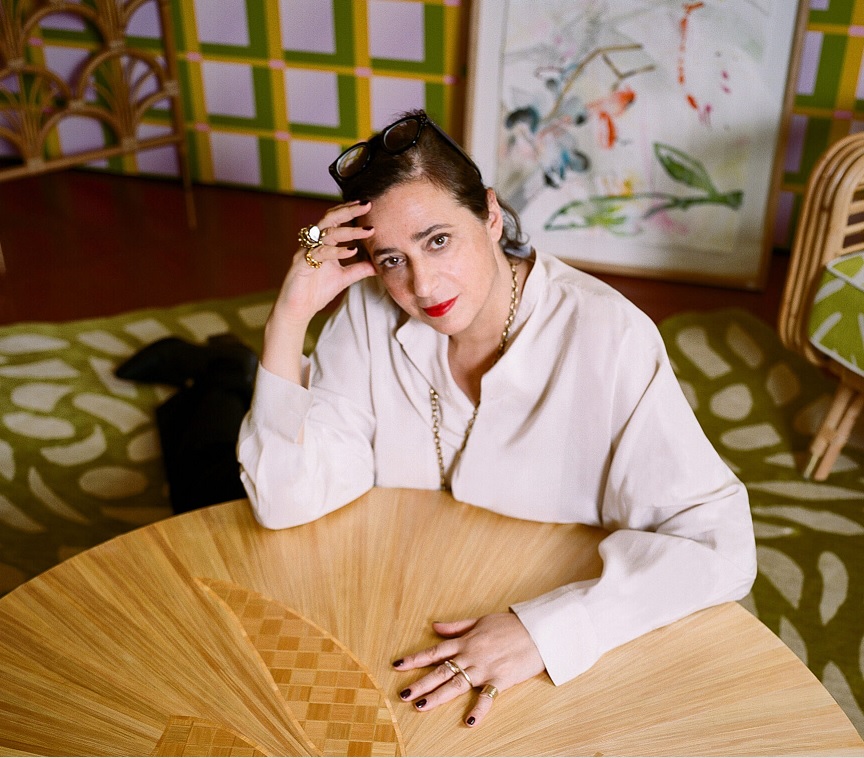
Drawing on philosophical ideas and principles of spatial psychology, Ossino crafts environments that prioritize ambience and emotional resonance over mere adornment. Her extensive collaborations with well-known Italian brands, such as the Honore sofa system for De Padova and the Zoey poufs for Dieffebi, underscore both her profound creative depth and her industrial dexterity. Her approach is indicative of a broader transformation within the design industry, where an increasing number of women designers are championing material research, emotional intelligence, and cross-disciplinary practice. This collective movement focuses intently on achieving long-term relevance and enduring impact, rather than chasing ephemeral trends or superficial visibility. Ossino’s work stands as a prime example of how rigorous discipline, combined with an acute sensitivity to human experience, can create truly timeless and meaningful design.
Ana Kraš – Intuition, Authenticity, and Emotional Design
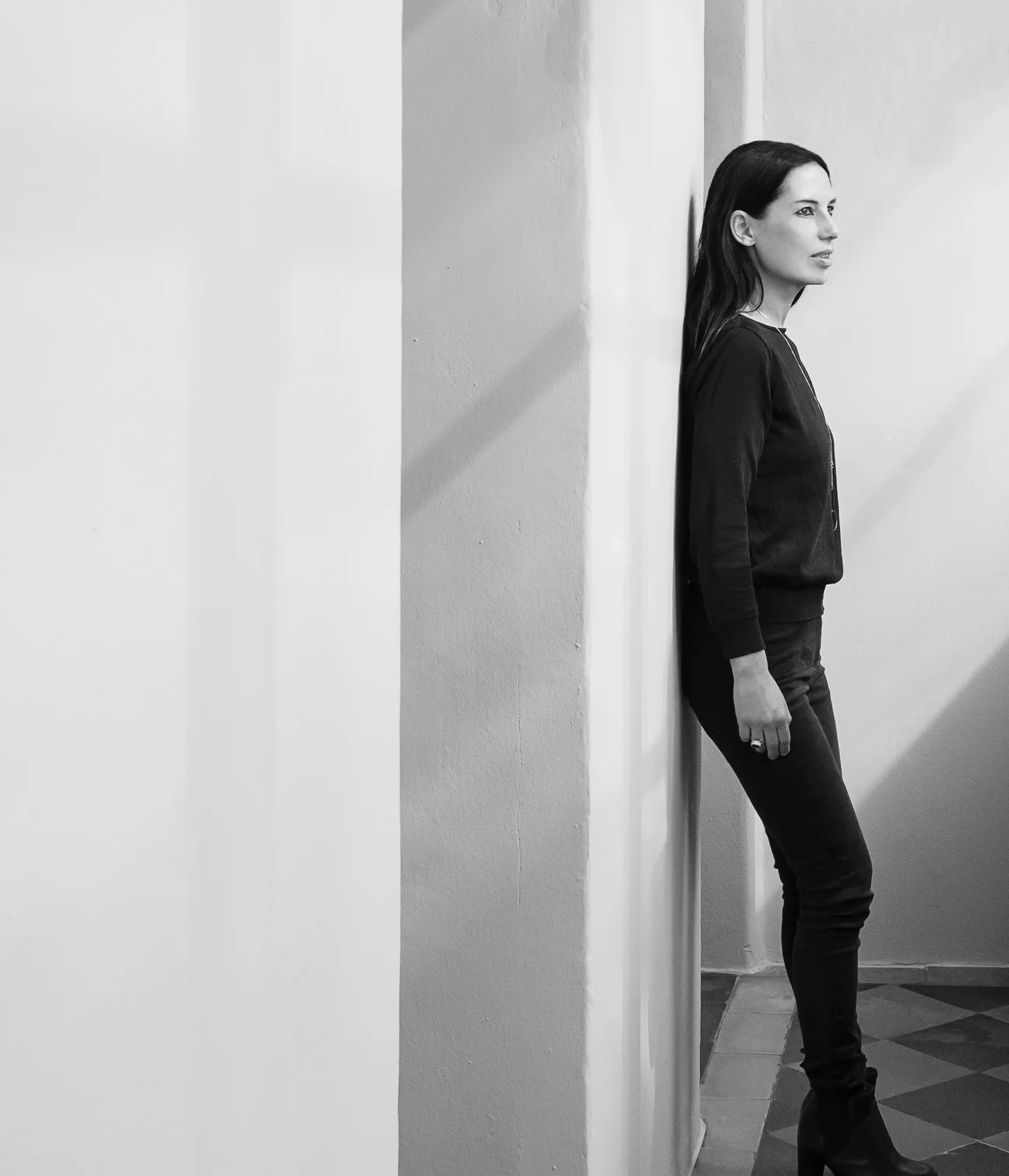
Ana Kraš, a designer based in Paris and originally from Serbia, brings over a decade of experience to her work in furniture, lighting, and textiles. Her distinctive production is marked by an unwavering commitment to material honesty and a deeply personal narrative. Trained in product design, Kraš gravitates towards hand-woven textiles and deliberately uneven finishes, celebrating the intrinsic beauty of the creative process over the sterile perfection often associated with industrial polish. Her approach invites a more intimate and authentic interaction with objects.
Kraš gained significant international recognition for her iconic "Bonbon" lights, designed for HAY, which feature shades meticulously crafted from yarn. These pieces established her reputation as a designer who views products as emotional artifacts rather than mere commodities. Kraš’s design philosophy is firmly rooted in intuition and lived experience, with a primary focus on creating authentic spaces that feel genuinely inhabited, rather than meticulously staged. Like her esteemed peers, she perceives design as a vital narrative infrastructure—grounded in intelligent material choices, rich cultural memory, and profound human utility. Her Slon table series for Matter Made further exemplifies her unique blend of simplicity and character. Her work is a powerful reminder that the most compelling designs often emerge from a place of genuine feeling and an honest engagement with materials, offering a refreshing counterpoint to the often-impersonal nature of modern manufacturing.
The collective body of work by Ana Kraš, Jay Sae Jung Oh, Christina Z Antonio, Tiarra Bell, Paola Navone, Monica Förster, India Mahdavi, and Elisa Ossino unequivocally represents a powerful and overarching trend towards design as profound cultural authorship. These visionary women are not just designing objects; they are crafting experiences, challenging conventions, and shaping the future of how we interact with our built environments. Their diverse voices converge to deliver a powerful message: the future of design lies in thoughtful restraint, meticulous craftsmanship, and intentional creation. This emphasis on purpose, material integrity, and emotional connection serves as a fitting and inspiring homage for International Women’s Day 2026, celebrating not just individual achievements but a collective movement towards a more meaningful and responsible design world. Their influence extends beyond aesthetics, fostering a deeper appreciation for the stories, processes, and values embedded within the objects that furnish our lives.