
 By admin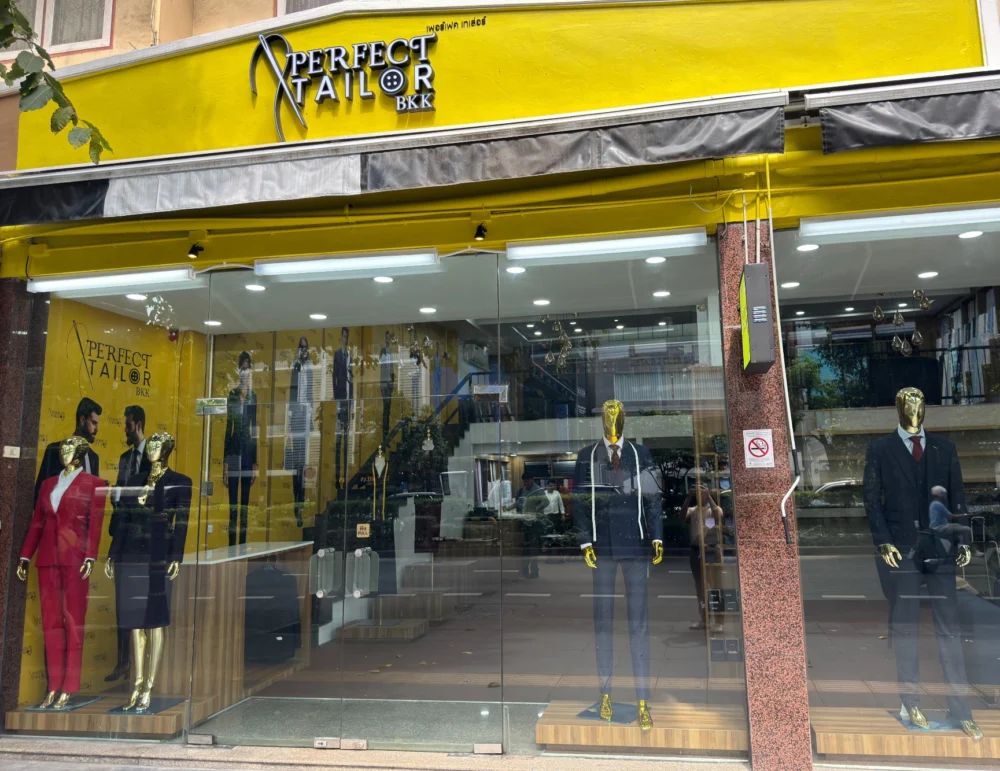
Bangkok has solidified its standing as a global epicenter for sartorial excellence, attracting a discerning clientele that ranges from high-level corporate executives to international travelers seeking the pinnacle of personalized fashion. Within this highly competitive landscape, Perfect Tailor BKK has emerged as a definitive leader, celebrating over twenty years of delivering high-precision, custom-made garments. By synthesizing traditional hand-tailoring techniques with contemporary aesthetic sensibilities, the atelier has successfully navigated the evolving demands of the global luxury market, establishing a legacy built on technical mastery and an unwavering commitment to fabric quality.
The trajectory of the tailoring industry in Thailand reflects a broader economic shift toward specialized luxury services. For decades, the city’s reputation was built on speed and affordability; however, a select group of ateliers, led by institutions like Perfect Tailor BKK, has shifted the narrative toward "True Bespoke." This evolution involves a transition from simple "made-to-measure" services to a comprehensive bespoke experience that rivals the heritage houses of London’s Savile Row and Milan’s Via Monte Napoleone, but at a price point that offers significant value to the international consumer.
A Two-Decade Chronology of Sartorial Evolution
The history of Perfect Tailor BKK is inextricably linked to the broader timeline of Bangkok’s emergence as a fashion capital. Established at the turn of the millennium, the atelier began its journey during a period when the demand for high-quality professional attire was surging alongside Thailand’s rapid economic integration into the global market.
In its first decade, the shop focused on mastering the fundamentals of the "British Cut" and the "Italian Drape," catering primarily to the expatriate community and visiting business professionals. As the 2010s approached, the atelier expanded its repertoire to include more experimental designs, responding to the rise of "slim-fit" trends and the increasing influence of digital media on men’s fashion. By its twentieth anniversary, Perfect Tailor BKK had transitioned from a local secret to an international destination, utilizing its two decades of archival patterns and client feedback to refine a fit that is both structurally sound and comfortable in tropical climates.
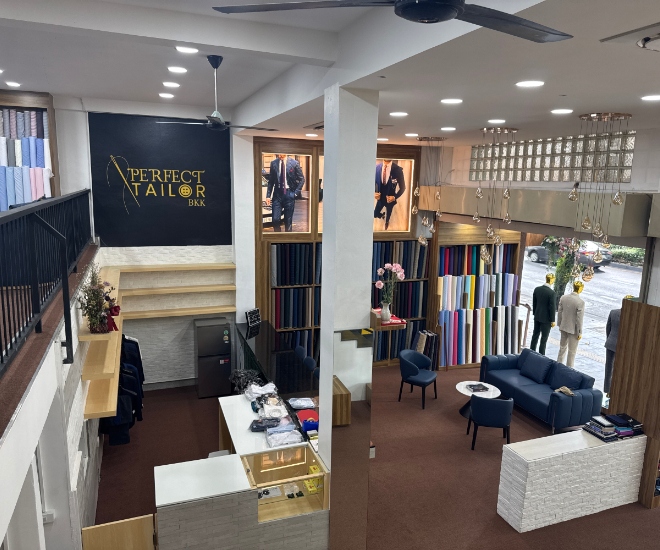
This twenty-year milestone is not merely a measure of time but a testament to the atelier’s ability to maintain consistency. In an industry where turnover can be high, the retention of master cutters and senior tailors at Perfect Tailor BKK has ensured that the "house style"—characterized by clean lines, functional proportions, and meticulous finishing—remains intact across generations of garments.
The Anatomy of the Bespoke Process
The distinction of Perfect Tailor BKK lies in its rigorous adherence to the bespoke process, which differs significantly from standard retail experiences. The journey of a single garment is a multi-stage collaboration between the client and the craftsman, often requiring a series of precise interventions.
Initial Consultation and Measurement
The process commences with a comprehensive consultation where the client’s lifestyle, profession, and aesthetic preferences are analyzed. Unlike off-the-rack purchases, bespoke tailoring accounts for the nuances of the individual physique—sloping shoulders, spinal alignment, and asymmetrical proportions. Over 30 unique measurements are taken to ensure a blueprint that is entirely unique to the wearer.
Pattern Drafting and Cutting
Once measurements are secured, a unique paper pattern is drafted from scratch. This is the "soul" of the bespoke suit. At Perfect Tailor BKK, master cutters use these patterns to hand-cut the chosen fabric, ensuring that patterns (such as pinstripes or windowpane checks) align perfectly across seams—a hallmark of high-end tailoring that is often overlooked in mass production.
The Fitting Stages
For many international clients, the "basted fitting" is a crucial step. The garment is temporarily stitched together with white basting thread, allowing the tailor to adjust the drape and flow of the fabric on the client’s body before the final stitching occurs. This iterative process ensures that the final product requires no further alterations, providing a "second skin" feel that characterizes the atelier’s work.
Material Excellence: Sourcing and Fabric Science
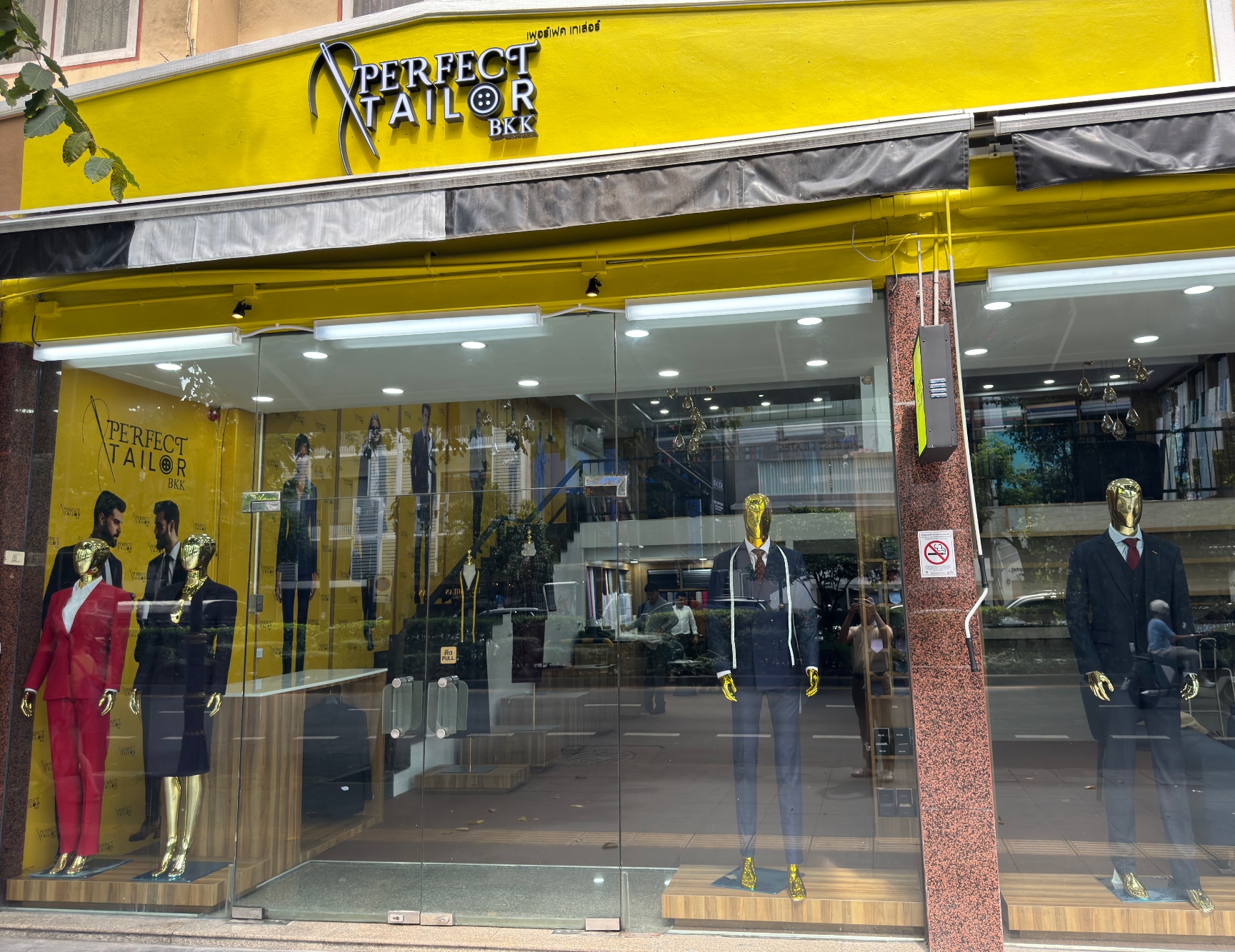
A suit is only as formidable as the material from which it is constructed. Perfect Tailor BKK has cultivated a vast library of textiles sourced from the world’s most prestigious mills. The selection process is a balance of science and style, taking into account the "Super" count of wools, the weight of the cloth, and the breathability of the weave.
The inventory includes:
- Merino Wools: Ranging from Super 120s to Super 180s, offering a balance of durability and silk-like texture.
- Cashmere and Silk Blends: Reserved for luxury blazers and evening wear, providing a distinct luster and softness.
- Linen and Cotton: Sourced specifically for the "Bangkok climate," these breathable fabrics are essential for clients based in Southeast Asia or those traveling to summer destinations.
- Technical Fabrics: Modern blends that incorporate stretch or wrinkle-resistance, catering to the "global nomad" who requires a suit that survives long-haul flights.
By offering fabrics from renowned European mills alongside high-quality regional textiles, the atelier provides a spectrum of choices that cater to different budgetary and functional requirements without compromising the integrity of the build.
Economic Implications and the "Bangkok Advantage"
The success of Perfect Tailor BKK is also a reflection of Thailand’s unique position in the global garment trade. Supporting data suggests that the bespoke tailoring sector contributes significantly to the city’s "luxury tourism" revenue. Analysts note that a bespoke suit in Bangkok typically costs 60% to 70% less than a garment of equivalent quality in New York or London.
This price disparity is not a result of inferior materials—as the fabrics are often identical—but rather a result of lower overhead costs and a highly concentrated ecosystem of skilled labor. For the international business traveler, this creates a compelling value proposition: the ability to commission a full wardrobe of bespoke shirts, suits, and overcoats for the price of a single high-street designer suit in their home country.
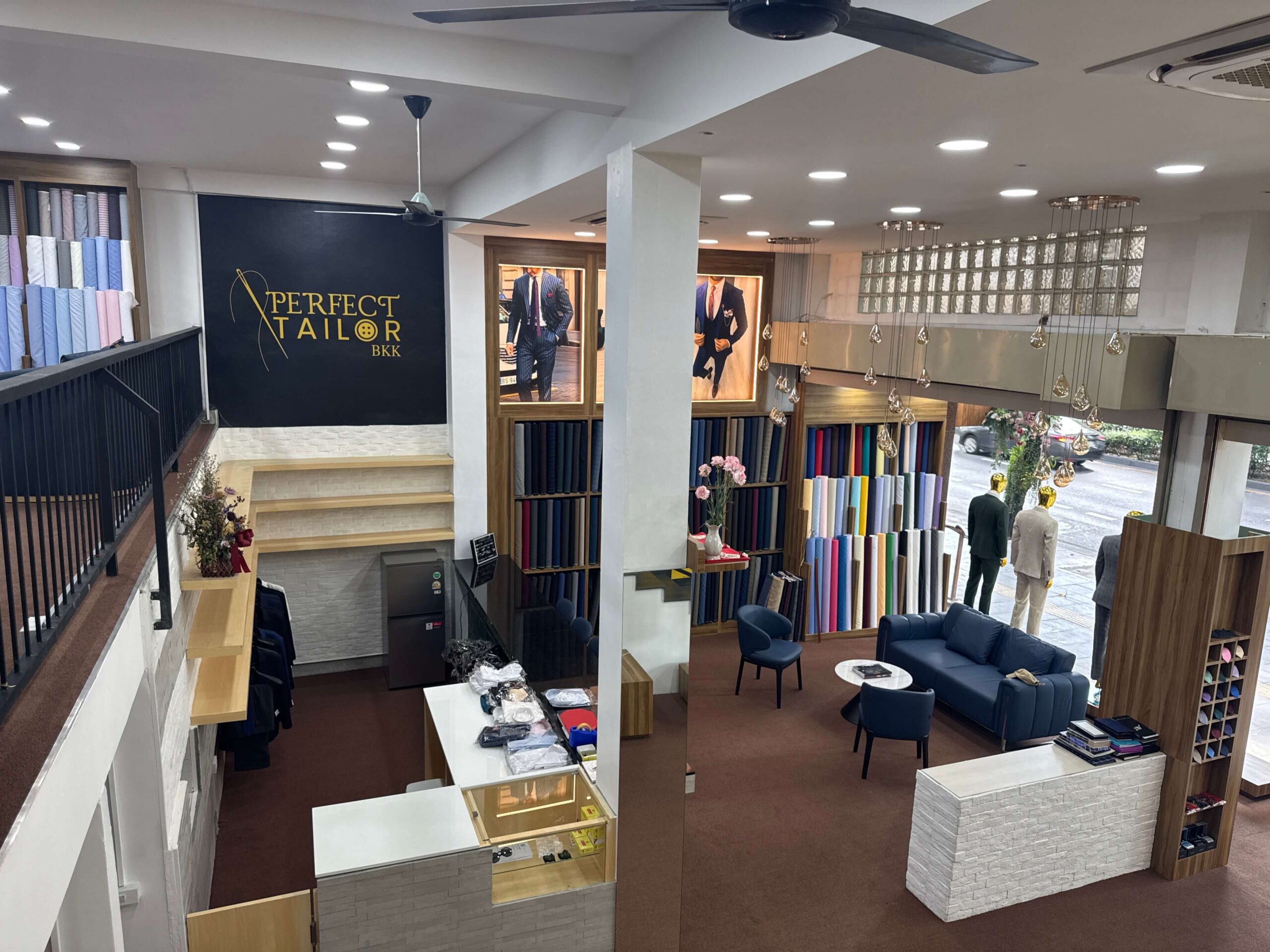
Furthermore, the efficiency of the Bangkok tailoring model is a logistical marvel. While a Savile Row suit might take six months and multiple international flights for fittings, Perfect Tailor BKK has optimized its workflow to accommodate visitors on a one-week stay. This "Precision with Efficiency" model has made the atelier a favorite for wedding parties and corporate delegations who have limited time but refuse to compromise on quality.
Global Clientele and Market Influence
The reach of Perfect Tailor BKK extends far beyond the borders of Thailand. The atelier has reported a diverse demographic of clients, including:
- Corporate Leaders: Seeking understated, powerful silhouettes for the boardroom.
- The Wedding Sector: Grooms and groomsmen who require coordinated, high-impact formalwear.
- Diplomatic Corps: Officials who require garments that adhere to strict formal protocols.
- Creative Professionals: Entrepreneurs looking for "unstructured" jackets and modern cuts that bridge the gap between casual and formal.
The rise of "repeat international orders" has become a significant growth driver for the business. Once a client’s measurements are on file, they can order additional garments from anywhere in the world. This digital-integrated bespoke model allows the atelier to maintain long-term relationships with clients in Europe, Australia, and North America, effectively exporting Thai craftsmanship to the global stage.
Implications for the Future of Fashion
As the fashion industry faces increasing scrutiny over the environmental impact of "fast fashion," the bespoke model championed by Perfect Tailor BKK offers a sustainable alternative. Bespoke garments are built to last decades rather than seasons. The "slow fashion" approach—emphasizing quality, repairability, and timeless style—aligns with the growing consumer desire for conscious consumption.
The continued success of Perfect Tailor BKK suggests that despite the rise of automation and AI in manufacturing, the "human touch" of a master tailor remains irreplaceable. The nuances of hand-stitching a lapel or hand-rolling a hem provide a tactile quality and structural integrity that machines have yet to replicate perfectly.
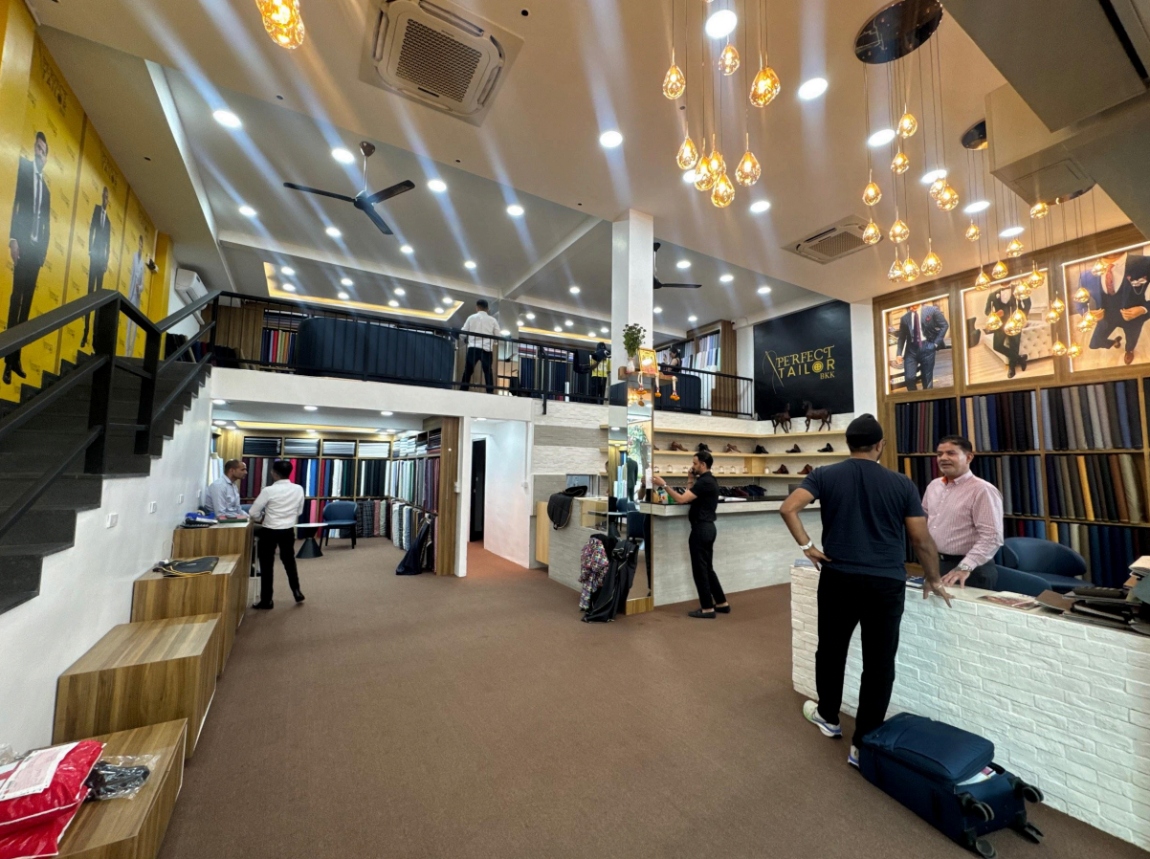
In conclusion, Perfect Tailor BKK stands as a beacon of artisanal resilience in a rapidly changing world. By honoring twenty years of tradition while embracing the efficiencies of the modern era, the atelier does more than just sell clothes; it preserves a heritage of elegance. For the discerning individual, a visit to this Bangkok institution is not merely a retail transaction, but an entry into a world of refined masculinity and timeless style. As Bangkok continues to evolve as a global fashion hub, Perfect Tailor BKK remains at the forefront, proving that true quality is never out of fashion.