
 By Eva Lovia
The profound loss of my mother to breast cancer served as a powerful catalyst, propelling me into the realm of wellness. My subsequent dedication led me to become a certified massage therapist, Reiki practitioner, yoga instructor, and nutritionist. At the time, my seemingly unyielding commitment to a strict diet and lifestyle felt like an impenetrable shield against illness. However, life, in its unpredictable nature, had a different trajectory in store. At the age of 30, I received a diagnosis of thyroid cancer, an event that compelled me to critically reassess my meticulously holistic approach to health. Following successful cancer treatment, I continued to embrace a healthy diet, albeit with a newfound appreciation for flexibility. Little did I know, further health challenges were on the horizon. I began to experience a cascade of debilitating and seemingly disparate physical and neurological symptoms, which were eventually diagnosed as Lyme disease.
Determined to reclaim my health, I sought the expertise of Lyme-literate practitioners, exploring a multifaceted approach that integrated both conventional and complementary therapies. Within a year, I experienced a significant return of my vitality and athletic capabilities. Yet, my resilience was to be tested once more when I contracted COVID-19.
The Initial Misconception: Mistaking COVID-19 for a Lyme Disease Flare-Up
During the early stages of the Delta variant’s emergence, preceding widespread vaccine availability, I experienced a constellation of symptoms that I initially interpreted as a recurrence of my Lyme disease. The blurred vision, dizziness, and mild fatigue were distressingly familiar, echoing the initial manifestations of my Lyme diagnosis.
However, after enduring a lengthy wait at an urgent care facility, my test results confirmed the presence of COVID-19. To my surprise, my respiratory symptoms were remarkably minimal. Instead, the overwhelming majority of my symptoms closely mirrored those I had experienced during my initial battle with Lyme disease, diverging significantly from the typical presentation of the novel coronavirus.
A Lingering Shadow: The Unforeseen Challenge of Long COVID-19
Following the recommended 10-day isolation period, I anticipated a return to my previous state of health and normalcy. However, the debilitating symptoms persisted, creating a profound sense of disquiet. It felt as though I was experiencing Lyme disease amplified, a phenomenon that researchers are now beginning to understand. Emerging scientific evidence suggests that individuals with compromised immune systems may indeed be more susceptible to the protracted effects of long COVID-19. This heightened vulnerability underscores the intricate relationship between pre-existing conditions and the body’s response to viral infections.
In my pursuit of relief, I revisited the therapeutic protocols that had previously proven effective for my Lyme symptoms, including an additional six-month course of intramuscular antibiotics. Yet, the familiar remedies were yielding diminished results, signaling a complex interplay between Lyme disease and COVID-19 that necessitated a novel therapeutic strategy.
Unraveling the Path to Recovery: Six Foundational Strategies
My journey toward recovery involved an iterative process of exploring diverse treatment modalities, strategically incorporating and adapting elements to achieve an optimal balance. Through extensive trial and error, I identified six key strategies that have significantly contributed to my healing process, and which I continue to integrate into my daily regimen.
It is crucial to emphasize that each individual’s experience with chronic illnesses like Lyme disease and long COVID-19 is profoundly unique. Therefore, it is paramount to cultivate a deep understanding of one’s own body and to engage in open and ongoing dialogue with healthcare professionals who possess expertise in managing immune-compromising conditions.
1. Embracing an Anti-Inflammatory Lifestyle: The Cornerstone of Healing
The adoption of an anti-inflammatory lifestyle has been a transformative force in my overall well-being. This approach centers on the prioritization of whole, nutrient-dense foods that are naturally rich in anti-inflammatory compounds. My diet now prominently features a vibrant array of fruits and vegetables, fatty fish renowned for their high omega-3 fatty acid content, wholesome nuts and seeds, and beneficial healthy fats such as olive oil. By consciously minimizing the consumption of processed foods, refined sugars, and trans fats, I have effectively quelled inflammation and significantly bolstered my immune system’s resilience. This dietary shift is supported by a growing body of research, such as a 2022 review published in the journal Nutrients, which highlights the critical role of dietary patterns in modulating inflammatory pathways and influencing immune responses.
2. Fortifying Immune Defenses: A Proactive Approach to Resilience
Empowering my immune system to function at its peak has become a paramount priority. This involves a strategic regimen of immune-boosting supplements, including essential vitamins like C and D, zinc, and probiotics. Furthermore, I have explored the remarkable potential of lesser-known but highly effective compounds, such as AHCC (Active Hexose Correlated Compound), a supplement derived from shiitake mushrooms. AHCC has garnered substantial scientific attention and is backed by extensive research demonstrating its ability to support both innate and adaptive immune responses. Studies, including a 2019 publication in Nutrients, indicate that AHCC can promote the activation of natural killer (NK) cells, as well as B and T-cells, which are crucial for combating a range of pathogens, including those responsible for Lyme disease and COVID-19. The scientific literature, such as research published in Frontiers in Cellular and Infection Microbiology in 2020, has elucidated the role of these immune cells in fighting persistent infections like Lyme disease, and subsequent research has explored their importance in the context of viral infections like COVID-19.
3. Harnessing Balance Through Acupuncture: Restoring Energetic Equilibrium
Throughout my recovery journey, I have personally experienced the profound revitalizing effects of acupuncture, an ancient therapeutic modality that effectively restores bodily equilibrium and facilitates the healing process. By precisely stimulating specific acupoints on the body, acupuncture has proven instrumental in alleviating pain, mitigating fatigue, and harmonizing the body’s vital energy flow. The efficacy of acupuncture in managing chronic pain and improving immune function is increasingly recognized in Western medicine, with numerous studies supporting its use. A 2018 meta-analysis published in the Journal of Pain Research indicated that acupuncture is an effective treatment for chronic low back pain, and its application in managing other inflammatory and immune-related conditions is an active area of research. It is important to note that consulting a skilled acupuncturist who is experienced in treating individuals with immune-compromising conditions is essential for developing a personalized and effective treatment plan.
4. Enhancing Comfort and Circulation with Compression Therapy
I find daily solace and significant relief through the gentle yet effective application of compression therapy. This involves utilizing garments that apply controlled pressure to the limbs, thereby enhancing circulation, reducing swelling, and alleviating discomfort. My morning routine now includes slipping into compression boots designed to improve blood flow, ensuring that tissues are adequately supplied with oxygen and vital nutrients, and facilitating the efficient removal of metabolic waste products. Compression therapy has demonstrated benefits in managing conditions that involve impaired circulation and lymphatic drainage, often associated with chronic illnesses. Research published in journals like the Journal of Vascular Surgery has explored the efficacy of compression in improving venous return and reducing edema.
5. Realigning the Body and Mind Through Yoga
The profoundly transformative power of yoga has been instrumental in helping me to rediscover and maintain balance in my life. My daily yoga practice integrates mindful physical postures (asanas), controlled breathing techniques (pranayama), and focused meditation, creating a holistic approach to well-being. The benefits of a consistent yoga practice are well-documented, extending beyond physical fitness to encompass mental and emotional health. Studies published in journals such as Frontiers in Human Neuroscience have highlighted yoga’s positive impact on stress reduction, mood regulation, and cognitive function. Even a brief 20-minute session each morning can yield significant benefits, promoting a sense of calm and readiness for the day ahead. Alternatively, a soothing evening yoga routine can effectively prepare the body and mind for restorative sleep.
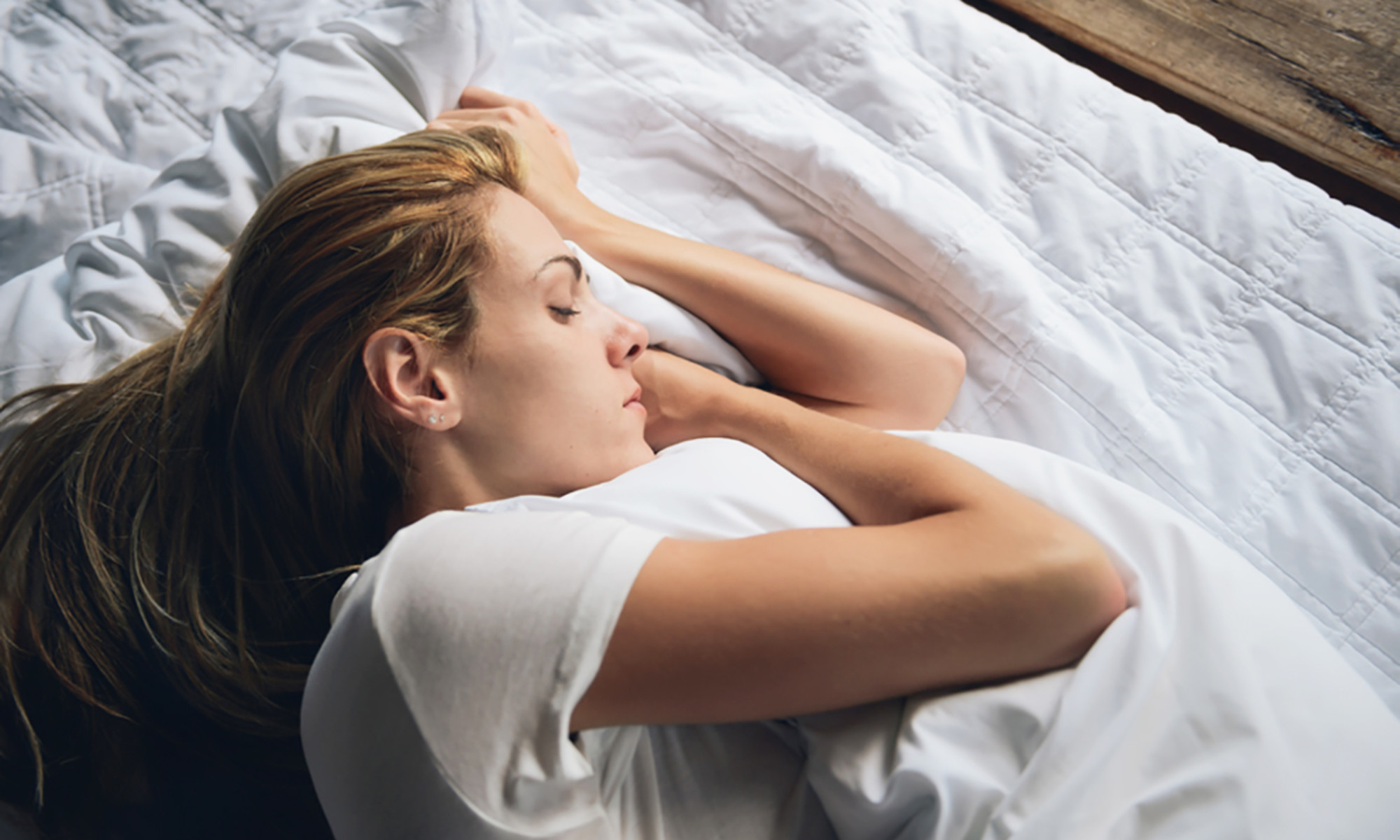
6. Prioritizing Restorative Sleep: The Foundation of Healing
Sleep has emerged as an indispensable component of my recovery and overall well-being. I have cultivated pre-bedtime relaxation rituals that include practices such as yoga or meditation, and I consciously create a screen-free, caffeine-free, and alcohol-free environment in the hours leading up to sleep. Maintaining a consistent sleep schedule, including a regular bedtime, and ensuring a conducive sleep environment are critical for optimizing sleep quality. The importance of sleep for immune function and cellular repair is widely acknowledged in the scientific community. Research published in Sleep Medicine Reviews consistently underscores the detrimental effects of sleep deprivation on immune responses and the body’s ability to heal and regenerate.
The Enduring Takeaway: Resilience in the Face of Adversity
My personal journey through Lyme disease and long COVID-19 has profoundly underscored the critical importance of adaptability, resilience, and a proactive approach when managing immune health. The unexpected and multifaceted challenges presented by COVID-19 necessitated a critical reevaluation of my existing treatment strategies, demanding adjustments to effectively address the intricate and synergistic interaction between these two complex illnesses.
This experience has reinforced the vital significance of seeking guidance from experienced practitioners and remaining open to innovative approaches when navigating the complexities of immune-compromising illnesses. By embracing these principles, individuals can foster a path toward not only recovery but also a strengthened and more robust state of optimal well-being. The ongoing scientific exploration into these conditions promises further insights, but the personal narratives of those who have navigated these challenges offer invaluable lessons in hope and perseverance.