
 By Layla Zulfa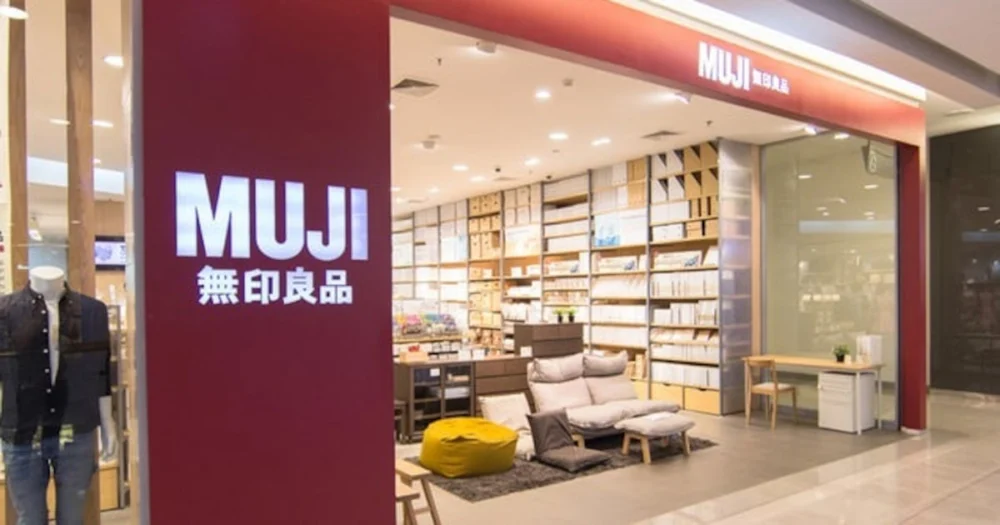
Muji, the venerable Japanese retailer celebrated globally for its philosophy of "no-brand" quality and minimalist household goods, is strategically pivoting its growth trajectory, placing a significant wager on its rapidly expanding, value-for-money skincare product lines. This calculated move is designed to inject fresh momentum into both its domestic operations and ambitious international expansion plans, positioning beauty as a core pillar alongside its established apparel and home essentials. The company’s leadership perceives "great potential" for global scaling, particularly given the strong market resonance of its skincare offerings, which are characterized by their simple formulations, unwavering transparent labeling, and reliance on naturally derived ingredients, all offered at remarkably accessible price points.
Mariko Ohashi, director of household merchandising at Ryohin Keikaku Co., Muji’s parent company, articulated this vision in a recent interview, underscoring the brand’s confidence in its distinctive approach to beauty. This strategy is not merely an opportunistic foray but a deliberate extension of Muji’s core tenets into a burgeoning market segment.
The Ascent of Muji’s Beauty Division: A Domestic Phenomenon
The domestic performance of Muji’s beauty and health products has been nothing short of remarkable. In Japan, where these products are typically priced below ¥3,000 (approximately $19 USD), the segment has witnessed an extraordinary surge in popularity. Over the past two fiscal years, revenue from beauty and health products at home roughly doubled, culminating in a substantial ¥100 billion (approximately $640 million USD) in the last fiscal year alone. This impressive growth means that beauty and health now account for approximately 13 percent of Muji’s total sales, a significant contribution that underscores its rising importance within the company’s portfolio. This robust performance is a key factor underpinning Ryohin Keikaku’s ambitious target of achieving a 46 percent increase in operating profit, aiming for ¥108 billion by 2028.
While 13 percent still represents a relatively modest share of Muji’s overall sales when compared to its household goods and apparel divisions, the sheer velocity of its expansion is a powerful indicator of a broader trend. Muji is emerging as one of the few Japanese brands successfully carving out new growth in the intensely competitive global beauty market, an arena frequently dominated by fast-moving Korean and Chinese companies that have demonstrated an unparalleled ability to scale rapidly and innovate. This success points to Muji’s unique value proposition resonating deeply with contemporary consumers.
Strategic Internationalization: Capitalizing on Digital Buzz and Brand Trust
Encouraged by its undeniable domestic momentum, Muji has embarked on a phased, yet aggressive, international rollout of its skincare range. The initial focus has been on key Asian markets, including mainland China – Muji’s largest overseas market – as well as Hong Kong, Taiwan, and South Korea. This targeted expansion strategy is designed to leverage existing brand recognition and consumer trust built over decades. Ohashi noted a palpable sense of anticipation even before product launches in these regions, attributing this to the pervasive influence of social media. "People overseas already know through social media that the lineups are well received in Japan," she stated, highlighting the power of digital word-of-mouth in cultivating global demand. This pre-existing awareness provides Muji with a distinct advantage, reducing the typical market entry barriers faced by new beauty brands.
The push into international markets aligns perfectly with a significant shift in global consumer behavior. Modern shoppers are increasingly ingredient-savvy, prioritizing transparency, perceived safety, and ethical sourcing over traditional brand prestige or extravagant marketing campaigns. For Muji, this trend represents a natural alignment with its core philosophy. The company’s strategy is less about engaging in a head-to-head battle with established cosmetics behemoths like L’Oréal SA, Estée Lauder Cos., or even domestic giant Shiseido Co., and more about thoughtfully extending its ingrained philosophy of simplicity, quality, and functionality into adjacent product categories.
A Unique Retail Model: Breaking Down Barriers to Beauty
A fundamental differentiator for Muji lies in its distinctive retail model. Unlike traditional pure-play beauty companies that rely heavily on dedicated prestige counters, department store concessions, or specialized beauty retailers, Muji integrates its lotions, moisturizers, and other skincare products directly into its existing retail ecosystem. Shoppers discover Muji’s beauty range displayed alongside its signature pajamas, modular storage boxes, and gourmet food items within its sprawling outlets. This integrated merchandising approach serves a dual purpose: it significantly lowers the psychological barrier to trial for consumers who might find traditional cosmetics counters intimidating, and it seamlessly reinforces Muji’s overarching lifestyle positioning. The act of purchasing a moisturizer becomes as casual and accessible as picking up a new T-shirt or a pack of curry.
This integrated approach cultivates a sense of trust and familiarity. Consumers who already appreciate Muji for its durable home goods or comfortable apparel are more inclined to explore its skincare offerings, viewing them as a natural extension of a brand they already trust for quality and thoughtful design. This cross-category appeal is a potent engine for growth, drawing in new customer segments who might not typically frequent dedicated beauty stores. Ohashi further elaborated on this, observing that "We don’t think ourselves as a cosmetics company and that has worked in our favor. For many people, cosmetics counters are still intimidating. With us, it feels like you are just taking a quick peek." This perception of casual exploration rather than high-pressure sales is a significant draw.
Lessons from the Landscape: Navigating a Volatile Market
However, the journey for any brand entering or expanding within the beauty sector is fraught with challenges, as evidenced by the recent struggles of some industry titans. Shiseido Co., once a formidable challenger to global powerhouses like L’Oréal and Estée Lauder, offers a cautionary tale. The Japanese marquee brand is currently grappling with significant setbacks in North America and intensifying competition from nimble Asian rivals. This underscores the inherent volatility of the global beauty market and how quickly momentum can dissipate if strategies are not meticulously executed and adapted to evolving consumer preferences and competitive pressures.
Despite its rapid expansion, Muji still trails established players like Shiseido and Kao Corp. in terms of overall cosmetic sales. Nevertheless, the accelerated growth in its beauty division is steadily narrowing this gap within the domestic market, signaling a formidable challenge to the incumbents.
East Asia as a Proving Ground: Data-Backed Success
The strategic focus on East Asia is already yielding tangible results, unequivocally demonstrating the global appeal of Muji’s skincare line. This region, which hosts the majority of Muji’s stores outside Japan, has become a crucial proving ground. In the first quarter ending November, the beauty segment’s revenue in East Asia surged by more than 30 percent compared to the previous year, notably outpacing the overall sales growth for the region. This robust performance validates Muji’s initial internationalization strategy and provides strong evidence for broader global potential.
The takeaway for Muji from these early international successes is clear: while confidence in its product and philosophy is warranted, it must be tempered with careful tailoring for diverse overseas markets and a vigilant avoidance of overreach. Ohashi highlighted that overseas assortments remain intentionally narrower than in Japan, primarily due to varying regulatory constraints and distinct local consumer preferences. She emphasized that consumer tastes in Asia, for instance, often differ significantly from those in Europe and the United States. To address this, extensive research is currently underway to meticulously identify which specific items are most likely to resonate strongly within each target market, ensuring a localized and effective product offering.
Aggressive Expansion and Diversifying Demographics
To underpin its ambitious growth trajectory, Ryohin Keikaku, which boasted a network of 1,474 outlets as of August last year, is actively pursuing an aggressive store expansion strategy. This includes the strategic opening of flagship stores in key international markets such as France, Thailand, and Vietnam, complementing its already substantial footprint, particularly in China. These flagship locations serve not only as retail points but also as powerful brand statements, showcasing the full breadth of Muji’s lifestyle philosophy to new audiences.
Domestically in Japan, the growth of Muji’s beauty products is also witnessing a significant demographic expansion beyond its traditional female customer base. Ohashi observed a notable trend: younger consumers and an increasing number of male shoppers are now routinely adding lotions and moisturizers to their baskets, which previously might have only contained items like curry packs, storage boxes, or T-shirts. This diversification of its customer base underscores the universal appeal of Muji’s minimalist, functional, and value-driven approach to personal care, transcending traditional gender and age boundaries in the beauty market. The integrated shopping experience makes beauty products feel less like a specialized purchase and more like an everyday essential.
Broader Implications: Muji’s Role in Reshaping Retail and Beauty
Muji’s success in the skincare sector holds broader implications for the retail and beauty industries. It demonstrates the immense power of brand authenticity and a consistent philosophy in enabling a retailer to successfully diversify into seemingly disparate categories. In an era where consumers are increasingly wary of over-marketed, complex beauty routines, Muji’s commitment to "simple formulations" and "transparent labeling" resonates deeply with the "clean beauty" movement, which prioritizes health, safety, and environmental consciousness. The company’s ability to offer high-quality, effective products at accessible price points further democratizes beauty, making sophisticated skincare routines available to a wider demographic.
Moreover, Muji’s model challenges the conventional wisdom that specialized expertise is paramount in beauty. By leveraging its existing trust and distribution channels, it proves that a strong lifestyle brand can effectively disrupt established market structures. This could inspire other non-traditional players to explore similar category expansions, blurring the lines between different retail segments. The company’s long-term financial targets, particularly the ambitious operating profit increase by 2028, indicate a strong belief in the sustained potential of this strategy.
As Muji continues its calculated global rollout, its journey will be closely watched. Its ability to balance global ambition with local adaptation, while staying true to its core philosophy, will be crucial. By not viewing itself as a conventional cosmetics company, Muji has inadvertently unlocked a unique competitive advantage, positioning itself as a refreshingly approachable alternative in the increasingly crowded and complex world of beauty. The brand’s quiet confidence, rooted in simplicity and quality, is poised to redefine how consumers perceive and interact with personal care products on a global scale.