
 By admin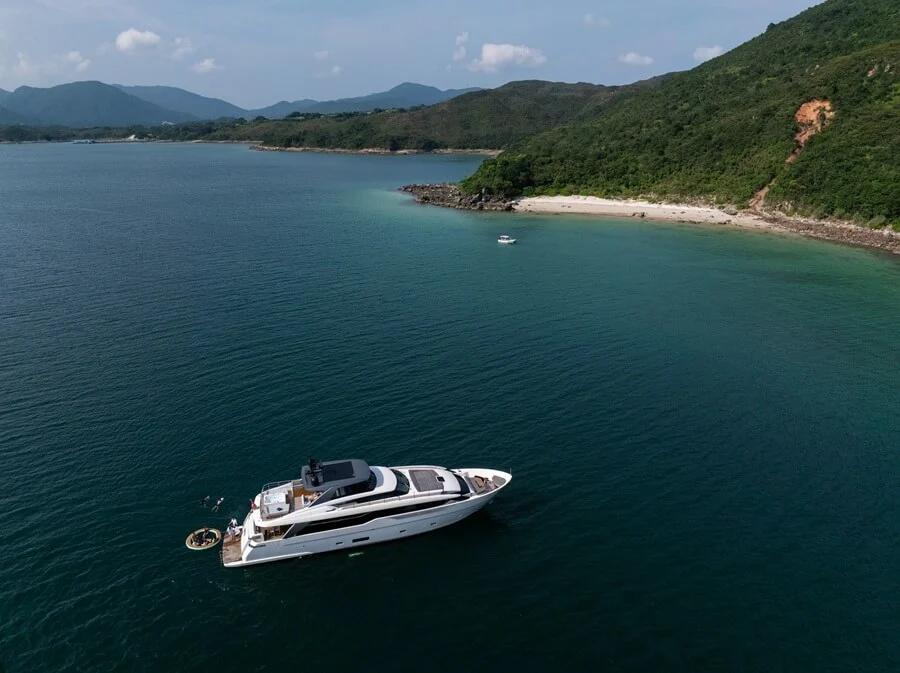
The maritime landscape in the Asia-Pacific region is undergoing a significant transformation, characterized by a surge in demand for professionalized yacht management and high-end charter services. May Choi, the Yacht Management and Charter Manager at Simpson Marine, has identified the last twelve months as a pivotal period for the industry, noting that the sector is experiencing some of the most dynamic shifts in its history. As interest in the yachting lifestyle accelerates among both local and international clients, service providers are being forced to scale their operations and refine their logistics to meet a more sophisticated set of expectations. This expansion is not merely a quantitative increase in vessel numbers but a qualitative shift toward integrated, global-standard service models that bridge the gap between Asian regional hubs and the traditional yachting centers of the Mediterranean and the Caribbean.
The Regional Landscape: Hubs of Growth and Connectivity
The growth of the superyacht sector in Asia-Pacific is anchored by several key nodes, each serving a distinct function within the broader ecosystem. Hong Kong remains the primary gateway for brokerage, charter, and after-sales support in Greater China. Despite broader macroeconomic fluctuations, the territory continues to serve as a high-frequency hub for both private and corporate charters. Choi notes that the Hong Kong office remains a central base for bespoke day trips and island excursions, while also acting as a transit point for clients moving toward other Southeast Asian destinations.
In Southeast Asia, Thailand and Indonesia have solidified their positions as the region’s primary cruising hubs. These locations are benefiting from a material year-on-year increase in active superyachts, a trend supported by recent regional maritime reports. The driving forces behind this growth are multifaceted: a rising interest in luxury lifestyle experiences, an increase in intra-regional travel, and the professionalization of charter supply chains. These supply chains are critical because they lower the operational hurdles for owners, making it increasingly viable to base and operate large vessels in Asian waters year-round.
The Philippines and Taiwan are also emerging as significant players in the regional circuit. Simpson Marine has recently expanded its ability to facilitate charters in these territories and is anticipating more efficient access to the Greater Bay Area in the near future. However, this expansion is occurring against a backdrop of complex regulatory and geopolitical pressures. These factors have prompted some owners and operators to re-evaluate their flagging and logistics strategies, shifting toward jurisdictions that offer greater stability and ease of movement.
Regulatory Advancements and Institutional Support in Hong Kong
A critical component of the industry’s maturation is the evolving relationship between the private sector and government institutions. In Hong Kong, the Hong Kong Boating Industry Association (HKBIA) and the Asia-Pacific Superyacht Association (APSA) have been instrumental in advocating for policy changes that favor the maritime sector. The Hong Kong government has recently pledged increased support for the industry, specifically focusing on streamlining the arrival process for foreign-flagged yachts.
The implementation of quicker online registration systems and a centralized digital platform for immigration and duty procedures is expected to be a game-changer for the local market. Historically, the administrative burden of bringing a foreign-flagged vessel into Hong Kong waters acted as a deterrent for international owners. The proposed digitalization of these processes is intended to pave the way for foreign-flagged yachts to operate both local and cross-border charters more freely. This regulatory easing is expected to increase the fluidity of the market, allowing for a more diverse fleet to remain in the region during the peak seasons.
The Rise of Mono-Brand Charter Programs: The Sanlorenzo Model
One of the most significant structural developments in the global charter industry is the emergence of professionally managed, mono-brand charter programs. A prime example of this is the Sanlorenzo Charter Fleet. This initiative represents a strategic move by shipyards to move beyond the point of sale and into the long-term operational lifecycle of the vessel. By pairing Sanlorenzo’s manufacturing heritage with the operational expertise of Equinoxe—a Mediterranean charter specialist acquired by Sanlorenzo—the program offers a turnkey solution for owners.
The Sanlorenzo Charter Fleet currently comprises over 60 yachts, ranging from 24 to 62 meters in length. Notably, approximately 60 percent of these vessels have been delivered within the last four years, ensuring that the fleet remains modern and technologically advanced. This model provides a standardized, premium experience for charterers while offering a predictable back-office process for owners. From an Asia-Pacific perspective, such models are vital because they reduce the "onboarding friction" for owners who wish to place their assets into the charter market without sacrificing service standards or asset value.
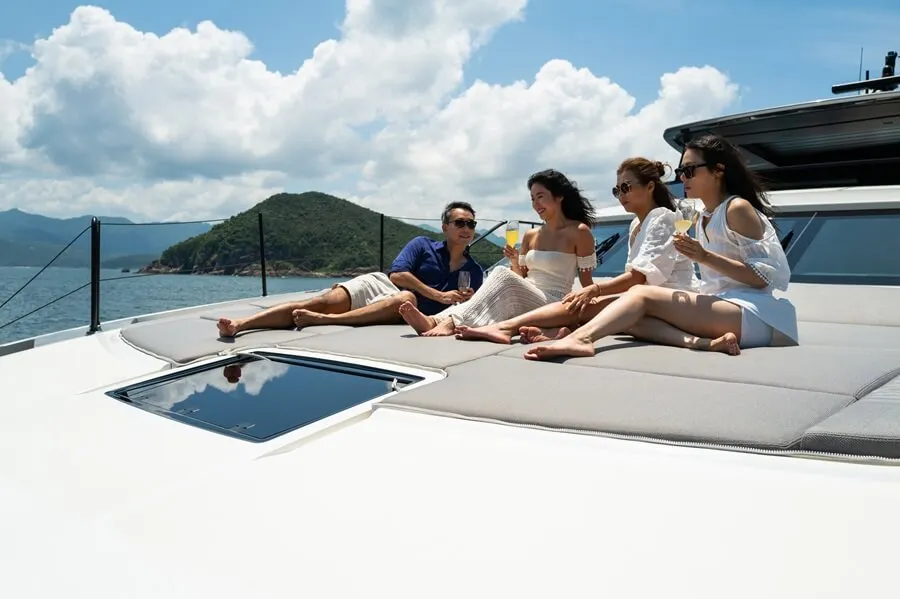
Simpson Marine has already leveraged this global network to support customers with charters in Mediterranean hotspots, including high-profile events like the Formula 1 Monaco Grand Prix. The integration of services—ranging from charter sales to operational management—allows the shipyard to maintain a branded presence across the world’s most popular yachting destinations, including the Indian Ocean, Australia, and the Caribbean.
Strategic Yacht Management and Technical Support
Parallel to the growth of charter services is the expansion of dedicated yacht management schemes. For Simpson Marine, yacht management is a crucial business stream that combines technical after-sales support with localized service networks. Reliable warranty support and standardized operational manuals are essential for lowering the barriers that might otherwise prevent European builders or international owners from basing their yachts in Asia.
In Hong Kong, Simpson Marine’s management team currently oversees 17 large yachts, with plans to expand these services into Southeast Asia and Australia. This management infrastructure is designed to provide a "support layer" that ensures vessels are maintained to international standards, regardless of their location. For owners, this means their assets are protected and their operational risks are mitigated through professional oversight. The maturation of the management sector is a clear indicator that the Asian market is moving away from bespoke, ad-hoc solutions toward a more industrial and reliable service framework.

Chronology of Leadership and Market Evolution
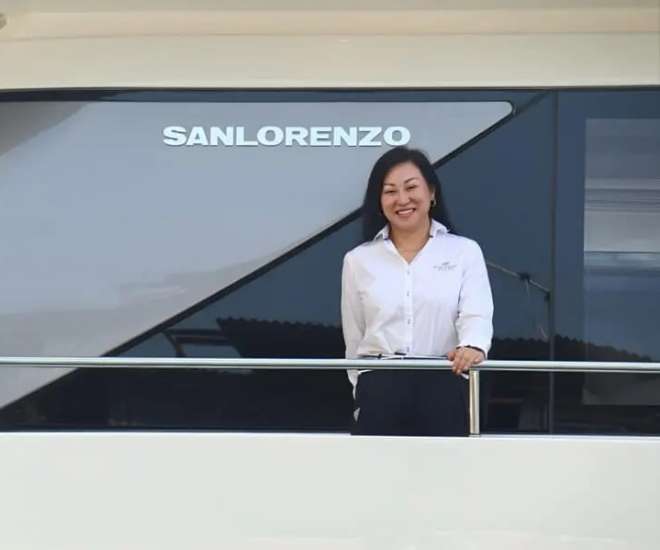
The trajectory of Simpson Marine’s charter and management division can be viewed through the professional timeline of May Choi. With a background in accounting and finance, Choi entered the maritime industry after serving as a Finance Director in the electronics sector and an Office Manager for a wine importer. Her transition into yachting began in 2011 when she joined Hong Kong Yachting as an Operations Manager.
By 2015, Choi had moved to NextWave Yachting as a Charter Manager, where she focused on sales and business development. She joined Simpson Marine in May 2019, initially serving as the Charter Sales Manager for Hong Kong. Her promotion to Yacht Management & Charter Manager in 2022 coincided with the post-pandemic surge in yachting interest, a period that required a steady hand to navigate the rapid scaling of the fleet and the complexities of regional travel restrictions. This chronological progression reflects the broader industry trend of bringing rigorous financial and operational standards from other corporate sectors into the maritime world.
Market Analysis and Future Implications
The data suggests that the Asia-Pacific yachting market is no longer a peripheral interest for global shipyards but a central pillar of their long-term strategy. The two-tier nature of demand in hubs like Hong Kong—consisting of short, high-frequency corporate charters and longer, crewed luxury charters—requires a diverse fleet mix. Simpson Marine’s current fleet, which includes the Sanlorenzo SL90A J and the SL86, is specifically curated to address these varying needs. Smaller yachts are optimized for fast turnarounds in the harbor, while larger motor yachts provide the amenities and range required for overnight stays and regional cruising.
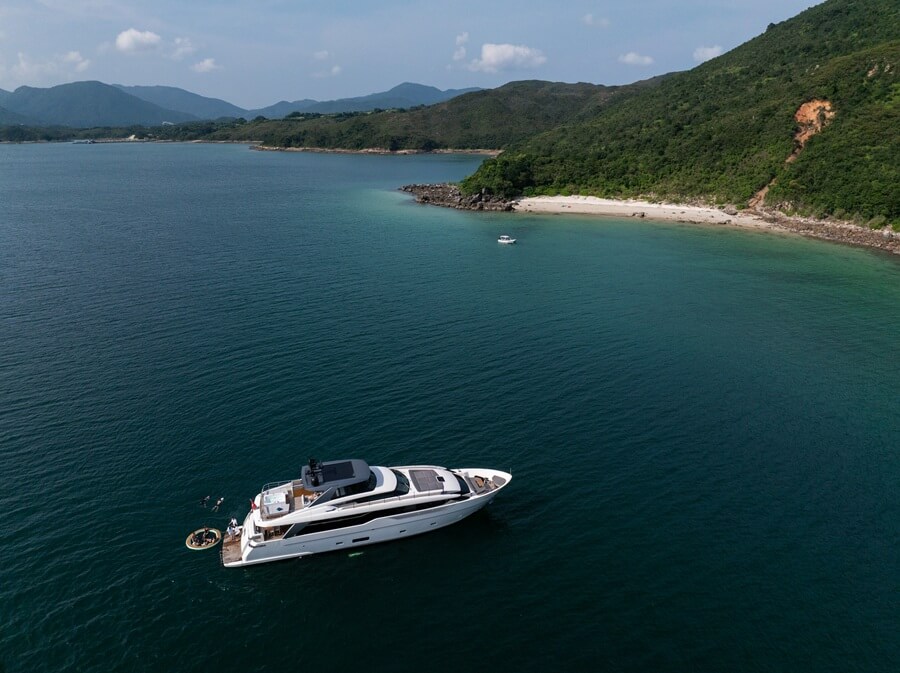
Looking toward 2026 and beyond, the success of maritime enterprises in the region will likely depend on their ability to marry global operational standards with deep local expertise. The "winners" in this evolving market will be those who can execute complex itineraries and logistical projects reliably while providing owners with transparent management and high asset retention.
The broader implications for the region are significant. As the charter market matures, it serves as a natural entry point for future yacht ownership. By providing high-quality discovery experiences through chartering, companies like Simpson Marine are essentially building the pipeline for the next generation of superyacht owners in Asia. Furthermore, the push for digitalized maritime procedures in Hong Kong could serve as a blueprint for other nations in the region, leading to a more unified and accessible Asian cruising ground that could eventually rival the Mediterranean in terms of logistical ease and economic impact.