
 By admin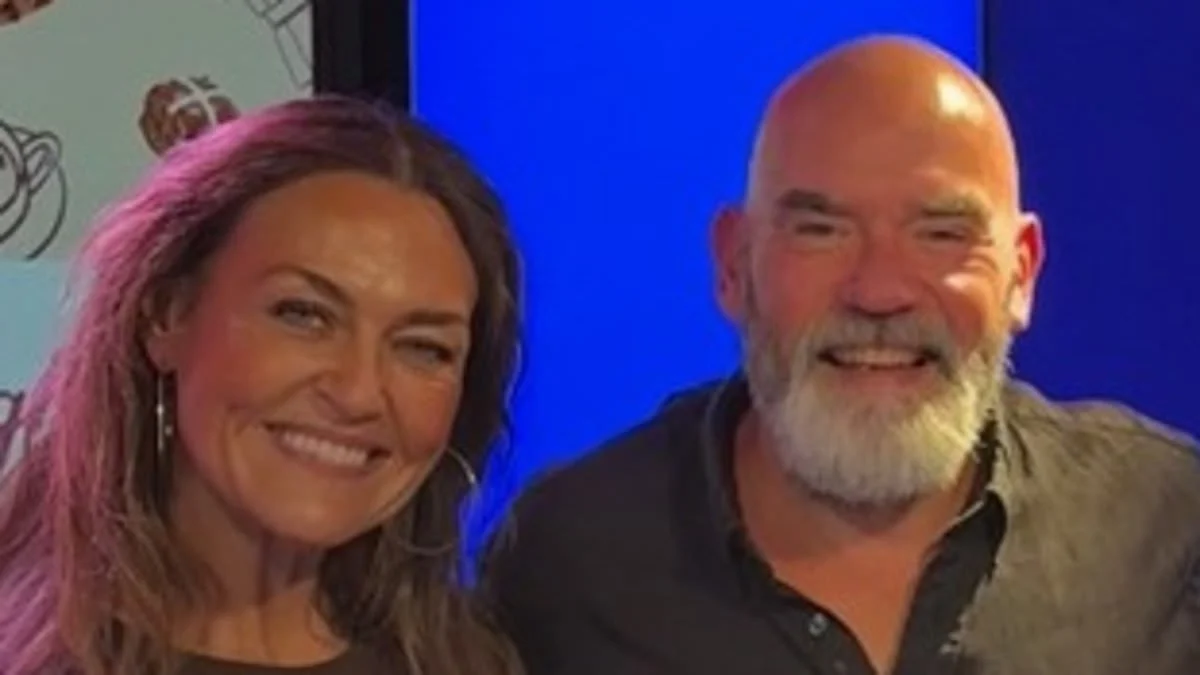
Marty Sheargold has officially confirmed his return to the Australian airwaves, securing a new role with Nova FM just over a year after his high-profile dismissal from Triple M. The 54-year-old comedian and radio veteran revealed on Tuesday that he will be joining The Chrissie Swan Show to helm a dedicated segment, marking his first major broadcast appointment since his career was derailed by a series of widely condemned remarks regarding the Australian women’s national soccer team, the Matildas.
The announcement, made via social media, featured Sheargold alongside host Chrissie Swan and newsreader Jack Charles at Nova’s Melbourne studios. The new segment, titled "The Red Card," is reportedly designed to allow Sheargold to reflect on the "old days of radio," a theme that industry insiders suggest may be an attempt to rebrand his provocative style as a relic of a bygone broadcasting era. This move comes after a period of professional exile following the termination of his contract with Southern Cross Austereo (SCA) in early 2025.
The 2025 Controversy and Triple M Departure
The catalyst for Sheargold’s professional downfall occurred in February 2025 during a broadcast of The Marty Sheargold Show on Triple M. The incident was sparked by a discussion regarding the Matildas’ performance in the SheBelieves Cup, specifically following a 2-1 loss to the United States. During the segment, Sheargold compared the national team to "Year 10 girls," alleging that the squad was plagued by "infighting" and "friendship issues."
The commentary escalated when Sheargold addressed Australia’s role in hosting the women’s Asian Cup. He told his audience, "I’d rather hammer a nail through the head of my p***s than watch that," before asking if there was "any men’s sport" available to discuss. The remarks were immediately flagged by listeners and media monitors, leading to a swift and severe public backlash.
At the time of the comments, the Matildas were at the height of their cultural and commercial influence in Australia. Following the 2023 FIFA Women’s World Cup, the team had become a symbol of national pride, breaking viewership records and securing unprecedented sponsorship deals. Sheargold’s dismissal of the team was viewed by many not merely as a poor attempt at humor, but as a direct affront to the progress of women’s sports in the country.
The controversy was further compounded by reports that Sheargold had previously made disparaging remarks about endometriosis, a chronic health condition affecting millions of women, labeling it as "fake." By late February 2025, Southern Cross Austereo announced that it had "mutually agreed" to part ways with the presenter, effectively ending his tenure with the network.
A Timeline of the Fall and Rise of Marty Sheargold
The trajectory of Sheargold’s career over the last thirteen months reflects the volatile nature of modern media employment, particularly regarding "shock jock" personas.
- February 2025: Sheargold makes the widely publicized comments regarding the Matildas on Triple M. The ensuing public outcry leads to a loss of advertisers and a formal investigation by the network.
- Late February 2025: SCA confirms Sheargold’s departure. The network issues a statement emphasizing its commitment to an inclusive and respectful workplace culture.
- Mid-2025: Sheargold retreats from the public eye, maintaining a low profile while his former time slot is filled by rotating hosts and eventually a permanent replacement.
- March 2026: Sheargold breaks his silence in a high-stakes interview on the Nine Network’s A Current Affair. During the sit-down with Allison Langdon, he defends his actions while offering a limited apology.
- March 23, 2026: Nova FM announces Sheargold’s return as a regular contributor to The Chrissie Swan Show.
The A Current Affair interview served as a crucial precursor to his return to Nova. In the segment, host Allison Langdon did not hold back, describing his outburst as "one seriously sexist and offensive joke" that "ended it all." While Sheargold apologized to the Matildas playing group, he remained defiant toward the general public, suggesting that those offended "on the outside" of the team should "come on" and move past the incident. He admitted the comments were "not funny" but stated his primary regret was the impact the fallout had on his partner, Ang, and their two daughters, rather than the content of the remarks themselves.
Statistical Context: The Rise of the Matildas
To understand the severity of the backlash against Sheargold, one must look at the data surrounding women’s football in Australia. The Matildas are no longer a niche sporting interest; they are a primary driver of domestic media ratings.
According to data from the 2023 World Cup, the Matildas’ semi-final against England reached a peak national audience of 11.15 million viewers, making it the most-watched television program in Australian history since the current rating system began. Furthermore, the Australian Sports Commission reported a significant surge in female soccer registration following the tournament, with a 25% increase in youth participation.
In this climate, Sheargold’s comments were seen as commercially and socially out of step with the Australian public. Advertisers, who increasingly prioritize brand safety and alignment with progressive values, reportedly pressured SCA to take decisive action. Industry analysts noted that in the modern "attention economy," the risk of alienating a female demographic—which controls a significant portion of household spending—is a gamble few networks are willing to take.
The Strategy Behind the Nova FM Appointment
The decision by Nova FM to integrate Sheargold into The Chrissie Swan Show appears to be a calculated risk. Chrissie Swan, 52, is one of Australia’s most beloved media personalities, known for her warmth, relatability, and strong connection with female audiences. By placing Sheargold in her orbit, the network may be attempting to "soften" his image.
The segment name, "The Red Card," is a clear nod to his football-related downfall, suggesting that the network plans to lean into his history rather than ignore it. By discussing the "old days of radio," Sheargold is positioned as a veteran of a different era, potentially providing him with a platform to offer "edgy" commentary under the guise of nostalgia or historical reflection.
However, the move has already sparked debate among media critics. Some argue that Sheargold’s return so soon after his comments—and his perceived lack of contrition during the A Current Affair interview—undermines the industry’s stated goals of eradicating sexism. Others suggest that his established fan base and decades of experience make him a valuable asset for ratings, provided he can operate within the stricter editorial boundaries of a midday program like Swan’s.
Industry Implications and Broader Impact
Sheargold’s return highlights a recurring theme in the Australian media landscape: the "comeback" of the disgraced broadcaster. Similar patterns have been observed with other high-profile figures who have faced termination following controversial statements, only to find new roles in competing networks after a period of cooling off.
This phenomenon raises questions about the efficacy of "cancel culture" in the corporate media world. While the initial backlash was enough to end his contract at Triple M, the underlying demand for his brand of humor—or at least the curiosity surrounding his return—remains high. Nova FM’s management has not yet issued a formal statement regarding the specific editorial oversight that will be applied to Sheargold’s segment, but the hire suggests a belief that the public’s appetite for his content outweighs the potential for further controversy.
The broader impact on the Matildas and women’s sports remains to be seen. Football Australia has previously emphasized that the team’s success is a testament to their skill and the changing cultural landscape of the country. While Sheargold’s comments were a setback in the discourse, the team’s continued commercial success suggests that the national trajectory toward supporting women’s athletics remains robust.
As Sheargold prepares for his first broadcast on Nova FM, the industry will be watching closely. Whether "The Red Card" will be a successful integration of a controversial talent or a source of new friction for the network will depend on Sheargold’s ability to navigate the sensitivities of a 2026 audience—an audience that has already proven it is willing to demand accountability from its media figures.