
 By admin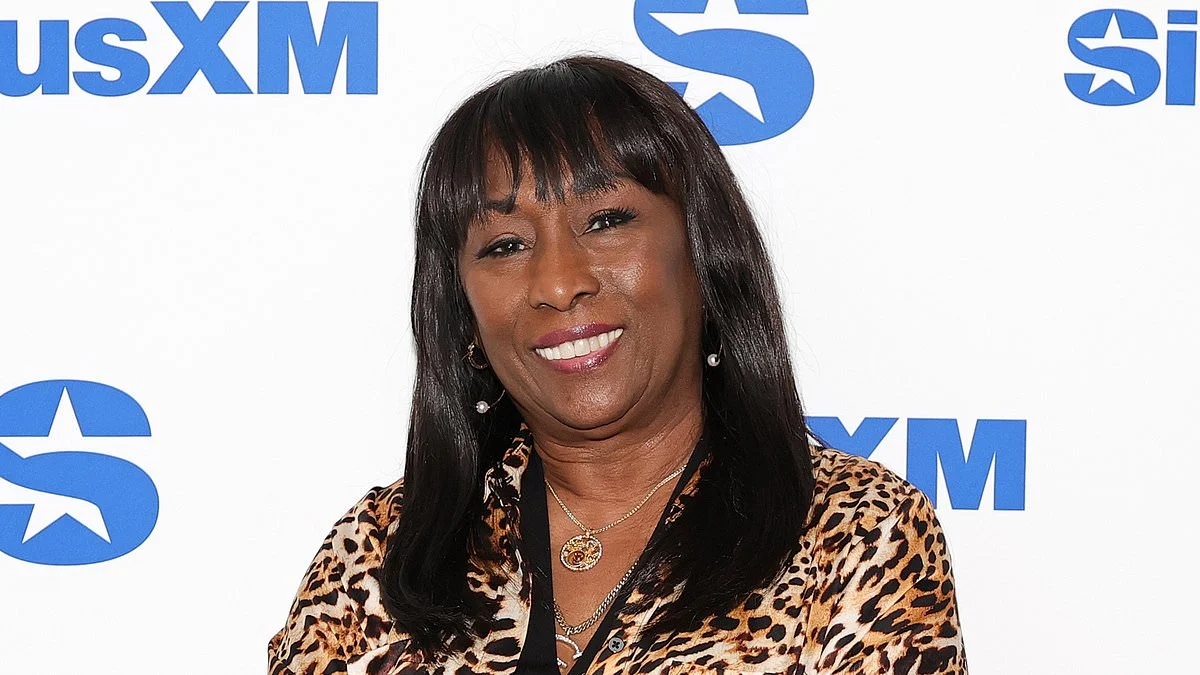
The entertainment world is mourning the loss of Chiquita Renee Shepard, known globally as Kiki Shepard, the iconic co-host of the long-running television variety show Showtime at the Apollo. Shepard passed away on Monday, March 16, 2026, at the age of 74. Her representative, LaShirl Smith, confirmed the news in a formal statement to the press, noting that the star suffered a "massive" and "completely unexpected" heart attack while in Los Angeles. The suddenness of her passing has sent shockwaves through the entertainment industry, particularly among the generations of performers who viewed her as a guiding light and a cultural institution within the Black entertainment community.
For fifteen years, Shepard served as the elegant counterbalance to the boisterous energy of the Apollo Theater in Harlem. As the co-host of Showtime at the Apollo from 1987 to 2002, she became a staple of late-night television, entering millions of households every weekend. Her presence on the legendary stage helped define an era of American music and comedy, providing a platform for emerging talents who would eventually become global superstars.
A Sudden Loss in the Entertainment Capital
According to the statement released by her management, Shepard was in Los Angeles when the medical emergency occurred. Despite the rapid response of emergency services, the "massive" nature of the cardiac event proved fatal. Her representative emphasized that Shepard had been in relatively good spirits and health prior to the incident, making the news particularly difficult for her family, friends, and colleagues to process.
"Kiki was a force of nature—a woman of immense grace, talent, and heart," said LaShirl Smith. "Her contribution to the arts and her dedication to her community were unparalleled. We are devastated by this sudden loss and ask for privacy as her loved ones navigate this incredibly difficult time."
Shepard’s passing marks the end of an era for variety television. As the "Apollo Queen of Fashion," she was celebrated not only for her hosting abilities but also for her impeccable style, often appearing in stunning evening gowns that contrasted with the gritty, high-stakes atmosphere of the Apollo’s famous Amateur Night.
The Cultural Impact of Showtime at the Apollo
To understand the magnitude of Kiki Shepard’s legacy, one must look at the cultural weight of Showtime at the Apollo. Launched in the mid-1980s, the show was a televised extension of the historic Harlem theater’s Amateur Night. It was a place where the audience was the judge, and the stakes were life-changing.
Shepard joined the program in 1987, and during her tenure, she shared the stage with a rotating cast of comedy legends. Her longest and most famous partnership was with Steve Harvey, with whom she hosted from the late 1980s through the early 2000s. Their chemistry was a vital component of the show’s success; Harvey provided the comedic edge and crowd interaction, while Shepard provided the poise, structure, and professional warmth that kept the production moving.
During her fifteen years on the show, Shepard witnessed the early performances of future legends. The Apollo stage served as a proving ground for artists like Lauryn Hill, Jamie Foxx, D’Angelo, and H.E.R. Shepard was often the first person to greet these nervous young performers before they stepped out to face the "toughest audience in the world." Her role was more than just a co-host; she was a witness to the evolution of Black music and comedy at the turn of the century.
From Tyler, Texas to the Broadway Stage
Born Chiquita Renee Shepard in Tyler, Texas, in 1951, her journey to the spotlight began long before she reached the Apollo. A graduate of Emmett Scott High School, Shepard pursued higher education at Howard University, a prestigious Historically Black University (HBCU) in Washington, D.C. It was during her time at Howard and in the D.C. area that she honed her skills as a professional dancer.
In the early 1970s, Shepard established herself as a formidable talent in the world of dance, performing with the D.C. Repertory Dance Company. Her athleticism and grace allowed her to tour internationally, bringing American dance styles to global audiences. This foundation in movement and stage presence eventually led her to Broadway.
Shepard’s theatrical credits were extensive and prestigious. She appeared in acclaimed productions such as Bubbling Brown Sugar, Reggae, and the gospel-infused Your Arms Too Short to Box With God. She also held a role in the classic opera Porgy and Bess. These experiences on the Great White Way prepared her for the rigors of live television, giving her the "theatrical skin" necessary to handle the unpredictable nature of the Apollo Theater.
A Versatile Career in Film and Television
While she was most famous for her work on the Apollo stage, Shepard’s career spanned various genres of entertainment. She was a versatile actress who navigated the worlds of procedural dramas, sitcoms, and feature films with ease.
Television viewers recognized her from guest-starring roles in some of the most popular shows of the 1990s and 2000s. Her credits included appearances in NYPD Blue, Grey’s Anatomy, and Everybody Hates Chris. She also appeared in era-defining series like A Different World and Baywatch. In each role, Shepard brought a level of sophistication and professional discipline that made her a favorite among casting directors.
Her film career was equally diverse. She appeared in the 1991 period drama A Rage in Harlem, the HBO film Miss Evers’ Boys (which dealt with the Tuskegee syphilis study), and more contemporary projects like Blackjack Christmas and Dolls of Voodoo. Whether in a leading role or a supporting turn, Shepard’s presence was always noted for its dignity and depth.
Advocacy and the Kiki Shepard Sickle Cell Disease Awareness Foundation
Beyond her professional achievements, Shepard was a dedicated philanthropist. She was particularly passionate about raising awareness for Sickle Cell Disease (SCD), a genetic blood disorder that disproportionately affects the African American community.
She founded the Kiki Shepard Sickle Cell Disease Awareness Foundation, an organization dedicated to educating the public and providing support for those living with the condition. One of her most notable initiatives was the "Celebrity Bowling Challenge," an annual event that brought together stars from film, music, and sports to raise funds for SCD research. Her commitment to this cause was personal and unwavering, and she used her platform for decades to advocate for health equity and improved medical resources for SCD patients.
Industry Reactions and Tributes
As news of her death spread, tributes began to pour in from former colleagues and fans alike. On social media platforms, the hashtag #KikiShepard became a trending topic as users shared clips of her most memorable moments at the Apollo.
Steve Harvey, her long-time co-host, expressed his grief through a representative, stating, "Kiki was my partner on that stage for many years. She was the epitome of class and a true professional. The Apollo won’t feel the same knowing she’s gone. My heart goes out to her family."
Other stars who got their start at the Apollo also shared their memories. "She was the first person who made me feel like I belonged on that stage," wrote one prominent musician on X (formerly Twitter). "Before the curtain went up, she’d give you that look of encouragement that said, ‘You got this.’ She was a piece of Black entertainment history."
Industry analysts note that Shepard’s role was pioneering. At a time when Black women were often relegated to background roles in variety television, Shepard was a front-and-center figure. She proved that a woman could be both a fashion icon and a competent, commanding host in a high-pressure environment.
Timeline of a Remarkable Life
- 1951: Born Chiquita Renee Shepard in Tyler, Texas.
- Early 1970s: Begins her career as a professional dancer with the D.C. Repertory Dance Company.
- Late 1970s – Early 1980s: Performs on Broadway in productions like Bubbling Brown Sugar and Your Arms Too Short to Box With God.
- 1987: Joins Showtime at the Apollo as co-host, beginning a 15-year tenure.
- 1991: Appears in the film A Rage in Harlem.
- 1997: Appears in the critically acclaimed television movie Miss Evers’ Boys.
- 2002: Concludes her historic run on Showtime at the Apollo.
- 2000s – 2020s: Continues acting in television and film while expanding her work with the Kiki Shepard Sickle Cell Disease Awareness Foundation.
- May 2025: Makes one of her final public appearances, continuing to support the arts and health advocacy.
- March 16, 2026: Passes away in Los Angeles following a heart attack.
Legacy and Final Farewell
The legacy of Kiki Shepard is inextricably linked to the history of Harlem and the global influence of Black culture. She was more than just a television host; she was a gatekeeper of talent and a symbol of elegance. For fifteen years, she stood at the epicenter of a cultural movement that brought R&B, hip-hop, and urban comedy into the American mainstream.
Her work with the Sickle Cell Disease Awareness Foundation ensures that her impact will be felt long after the lights of the Apollo have dimmed. By using her celebrity to shine a light on a neglected health crisis, she saved lives and provided hope to thousands.
Funeral arrangements have not yet been finalized, but representatives indicate that a public memorial may be held in both Los Angeles and New York to allow her many fans and colleagues to pay their respects. As the curtains close on a life lived with purpose and grace, Kiki Shepard leaves behind a void in the entertainment world that will be difficult to fill. She remains, as the fans called her, the "Apollo Queen"—a title she earned through decades of dedication to her craft and her community.