
 By admin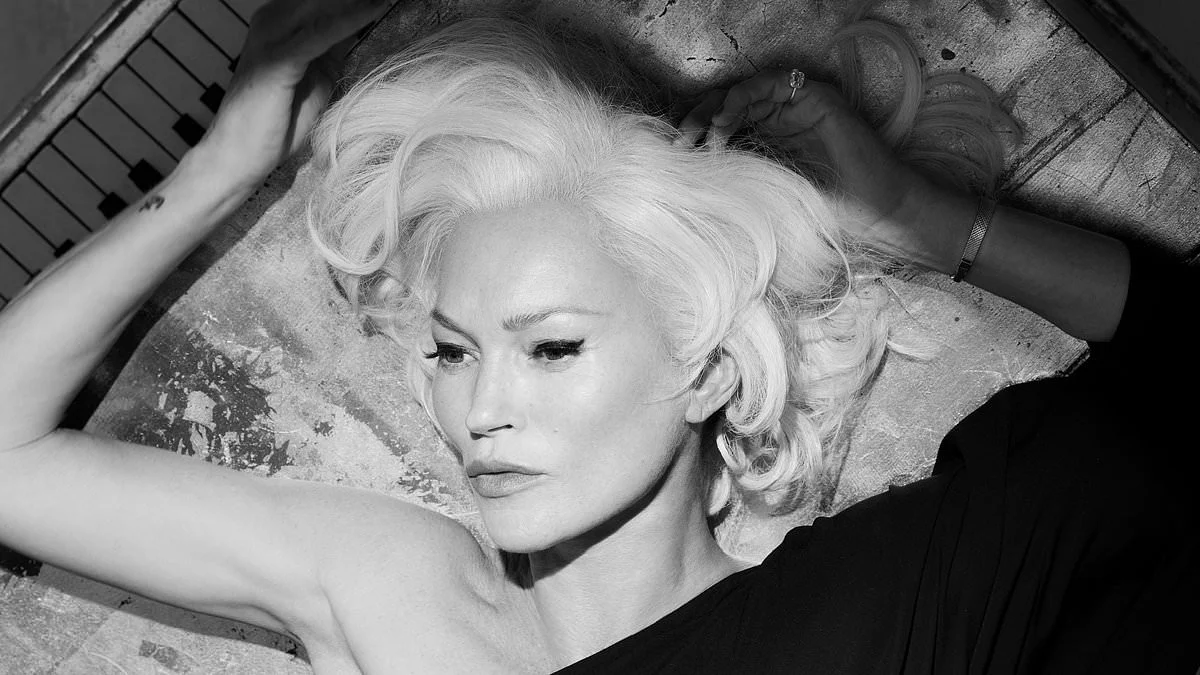
The British supermodel Kate Moss, who at 52 remains an unparalleled force in the global fashion industry, has once again demonstrated her chameleonic ability to bridge disparate eras of glamour in a new editorial for Edward Enninful’s latest publishing venture, EE72. In the third issue of the magazine, Moss reunites with her long-term creative collaborator, the visionary photographer Nick Knight, to produce a series of images that synthesize the distinct aesthetics of two of the 20th century’s most enduring icons: the American "blonde bombshell" Marilyn Monroe and the French New Wave siren Brigitte Bardot. The shoot, which has already garnered significant attention from industry insiders, serves as a testament to Moss’s enduring relevance and her unique capacity to inhabit complex cultural archetypes.
The Artistic Vision of EE72 and the Monroe-Bardot Synthesis
The collaboration for EE72 represents a sophisticated exploration of cinematic history through the lens of contemporary high fashion. By blending the structured, high-gloss decadence of 1950s Hollywood with the effortless, "cool-girl" nonchalance of 1960s Parisian cinema, Moss and Knight have created a visual narrative that transcends mere mimicry. In one of the most discussed frames from the editorial, Moss is depicted perched barefoot atop a gleaming gold piano. Dressed in a sleek, minimalist black gown by Gucci, her blonde hair is styled in a tousled, "just-woken-up" fashion that directly references Bardot’s signature aesthetic, while the setting and the poise of the shot evoke the dramatic opulence associated with Monroe’s peak years at 20th Century Fox.
The wardrobe choices further reinforce this duality. In a separate image, Moss wears an off-the-shoulder jersey dress by Schiaparelli, a garment that balances the avant-garde history of the house with a modern, body-conscious silhouette. The look is elevated by high-jewelry selections from Tiffany & Co., including a platinum, gold, and diamond ring that catches the light against the cinematic shadows orchestrated by Knight. This interplay of light and shadow is a hallmark of Knight’s technical style, which he has honed over decades of working with the world’s most influential designers and models.
A Legacy of Collaboration: Moss and Knight
The partnership between Kate Moss and Nick Knight is one of the most prolific in fashion history. Knight, the founder of SHOWstudio and a pioneer of fashion film, has frequently spoken about Moss’s instinctive understanding of the camera. He has previously described her cultural impact as being on par with a "Hollywood blockbuster," noting that her ability to project a narrative through a single still image is a "very, very rare" talent.
This latest project for EE72 marks a continuation of their shared creative journey, which began in the 1990s. Industry analysts suggest that the success of their collaborations stems from a mutual willingness to experiment with technology and form. While many models of Moss’s generation have transitioned into purely commercial or legacy roles, Moss continues to engage in high-concept editorial work that pushes the boundaries of the medium.
Industry Acclaim and the "Face of a Generation"
The editorial has drawn praise from leading figures in the beauty and fashion sectors. Makeup artist Charlotte Tilbury, a close personal friend and professional associate of Moss for over three decades, provided the makeup direction for the shoot, focusing on a "smouldering gaze" and "softly sculpted waves." Tilbury, 53, remarked on the supermodel’s singular position in the cultural zeitgeist, describing her as more than just a model, but a "tastemaker who has truly shaped culture."
According to Tilbury, the "magic" that occurs when Moss is in front of the lens is a result of her "powerful authenticity." This sentiment is echoed by fashion historians who note that Moss’s career has survived multiple shifts in the industry—from the "heroin chic" era of the early 90s to the current digital-first landscape. Her ability to "morph into character," as Tilbury describes it, allows her to remain a canvas for designers’ most ambitious visions even as she enters her sixth decade.
The Gucci Renaissance: From 1995 to 2026
The release of the EE72 editorial comes on the heels of a high-profile return to the runway for Moss. During Milan Fashion Week in early 2026, she closed the Gucci Autumn/Winter show, a move that was widely interpreted as a "full-circle" moment for both the model and the fashion house. Moss famously walked in Tom Ford’s debut collection for Gucci in 1995, a show that is credited with revitalizing the then-struggling brand and defining the "porn-chic" aesthetic of the mid-90s.
In the 2026 show, Moss wore a floor-length black sequined gown featuring a plunging open back. In a deliberate nod to her 90s heyday and the provocative styling of that era, the look featured a visible "whale tail" G-string, a styling choice that immediately went viral on social media. The appearance saw her sharing the stage with a new generation of supermodels, as well as contemporaries like Karlie Kloss (33), Emily Ratajkowski (34), and Irina Shayk (40), highlighting the intergenerational appeal that Moss continues to command.
A Chronology of Influence: Key Milestones in the Career of Kate Moss
To understand the significance of Moss’s current work with EE72 and Gucci, it is necessary to look at the timeline of her career, which spans nearly 40 years:
- 1988: Discovered at age 14 by Sarah Doukas of Storm Management at JFK Airport.
- 1990: Gains international fame after appearing on the cover of The Face, photographed by Corinne Day.
- 1993: The Calvin Klein "Obsession" campaign cements her status as a global icon and the face of the "waif" look.
- 1995: Debuts for Tom Ford’s Gucci, beginning a decades-long association with the brand.
- 2005: Faces a significant career crisis following tabloid allegations, only to return stronger with a record-breaking number of contracts, including Burberry and Dior.
- 2014: Receives a Special Recognition Award at the British Fashion Awards for her contribution to the industry over 25 years.
- 2022: Launches "Cosmoss," a holistic self-care brand, signaling her transition into the wellness and lifestyle entrepreneurship space.
- 2026: Headlines the third issue of EE72 and closes the Gucci AW26 show in Milan.
Analysis: The Economics of Longevity in Fashion
The continued dominance of Kate Moss in high-fashion editorials and major runway shows provides a fascinating case study in brand longevity. In an era where "influencer models" and "nepo babies" often dominate social media metrics, the "Original Supermodels" (a group including Moss, Naomi Campbell, and Christy Turlington) have maintained a level of prestige that newer stars often struggle to replicate.
Market data suggests that the "Moss Effect" remains a potent force for luxury brands. According to recent retail analytics, heritage brands that utilize veteran supermodels in their campaigns often see a higher "prestige score" and better engagement from the high-net-worth demographic (aged 35-60) who hold the majority of global purchasing power. Furthermore, Moss’s ability to bridge the gap between "Old Hollywood" glamour and "Nineties Grunge" makes her an ideal ambassador for brands like Gucci and Schiaparelli, which frequently look to the past to inform their future designs.
Broader Implications for the Fashion Industry
The collaboration between Moss, Knight, and Enninful for EE72 also reflects a shift in the publishing landscape. As traditional print magazines face declining revenues, "prestige" publications like EE72—which focus on high-art photography, limited distribution, and deep-dive creative explorations—are becoming the new standard for luxury storytelling. By choosing Moss as a central figure for the third issue, Enninful is signaling that the magazine is a space for "fashion as art," rather than mere commercial promotion.
As Kate Moss continues to navigate her fifties, her work serves as a challenge to the industry’s historic obsession with youth. By channeling Monroe and Bardot—women whose images were often controlled by the male-dominated studio systems of their time—Moss reclaims those aesthetics through her own agency and the lens of a trusted collaborator. This editorial is not merely a tribute to the past; it is a declaration that the "Face of a Generation" is not finished defining the future of fashion.
The imagery from EE72 Issue 3 is expected to be archived as a significant entry in Moss’s vast portfolio, further solidifying her position as a cultural figure whose influence extends far beyond the runway. As the fashion world looks toward the latter half of the 2020s, the "Kate Moss era" shows no signs of concluding, instead evolving into a new phase of sophisticated, cinematic artistry.