
 By admin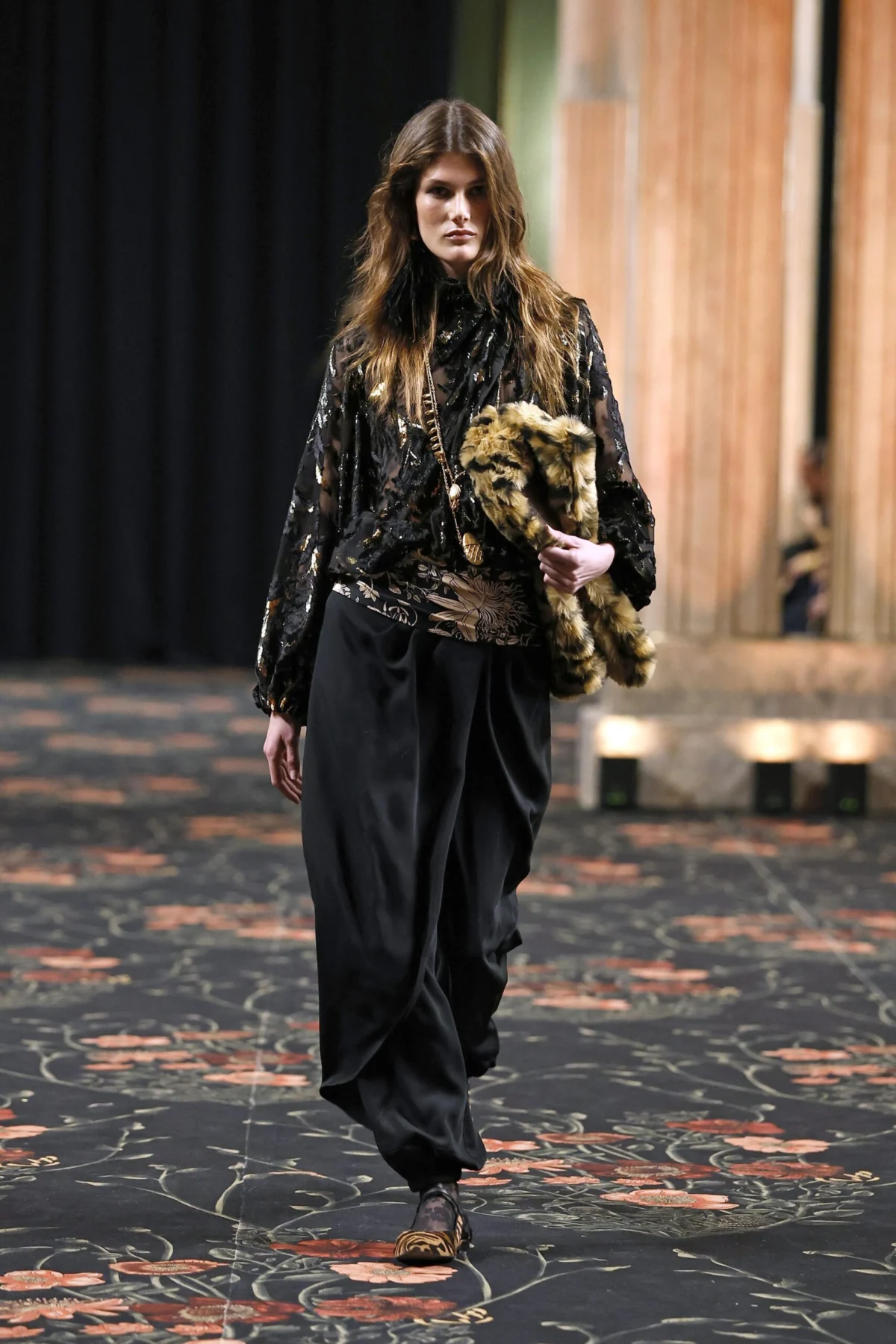
Colombian designer Johanna Ortiz recently captivated the international fashion scene with the presentation of her latest collection, "Alma," held in the historic and vibrant city of Madrid. This event marked a significant moment for the brand, showcasing an evolving aesthetic that deftly marries Ortiz’s signature tropical exuberance with a refined, nuanced tribute to Spanish culture. The choice of Madrid was far from arbitrary; it served as both a strategic backdrop and a profound source of inspiration, allowing Ortiz to explore new sartorial territories while staying rooted in her distinctive design philosophy. The collection, whose title "Alma" translates to "soul" in Spanish, aptly reflected a deeper exploration of cultural identity and artistic fusion, presenting a more elevated and globally adaptable vision for the Johanna Ortiz woman.
A Tapestry of Cultures: Ortiz’s Vision for ‘Alma’
Ortiz, celebrated globally for her vibrant resort wear and feminine silhouettes, revealed a collection that subtly yet powerfully integrated elements of Spanish heritage. This cross-cultural dialogue was a deliberate artistic choice, born from a childhood fascination with Spanish traditions. "As a child, I was fascinated by trajes de luces," Ortiz explained, referring to the ornate suits worn by bullfighters. She quickly clarified her intent, emphasizing, "It’s not about bullfighting, but about the theatricality of the moment. I didn’t want to do anything literal, but rather include small nods: reinterpreting that kind of embroidery, emphasizing the shoulders, exploring ruffles—which feel very much ours—while adapting them to that imagery." This statement underscores a sophisticated approach to cultural appropriation, focusing on aesthetic interpretation rather than direct imitation, a hallmark of thoughtful design in a globalized fashion landscape.
-
The Allure of the Matador’s ‘Trajes de Luces’: The trajes de luces, or "suits of lights," are iconic symbols of Spanish pageantry, known for their elaborate embroidery, often in gold or silver thread, intricate detailing, and structured silhouettes. Traditionally made from silk, velvet, and satin, these garments are designed to catch the light, creating a dazzling spectacle. Ortiz’s interpretation moved beyond the literal, extracting the essence of their grandeur. This translated into meticulously crafted embellishments that echoed the complex patterns of the machos (tassels) and bordados (embroideries) found on matador jackets, but recontextualized for contemporary luxury womenswear. The emphasis was on precision and artistry, transforming historical formality into modern elegance.
-
Reinterpreting Spanish Sartorial Elements: Beyond the trajes de luces, the collection showcased a broader integration of Spanish fashion idioms. The runway featured gaucho-style trousers, a direct nod to the equestrian world deeply ingrained in Spanish culture, reimagined with a luxurious finish. Bolero jackets, a short, open jacket originating from Spain and worn by bullfighters, were presented with modern tailoring and refined materials, offering a sophisticated layering option. Pom-pom belts, an unexpected yet playful detail, adorned dresses, skirts, and coats, adding a rhythmic, folkloric touch that felt both indigenous to Spain and harmoniously integrated with Ortiz’s existing aesthetic. The strategic emphasis on strong, structured shoulders, a recurring motif in the collection, further evoked the powerful, commanding presence often associated with traditional Spanish formalwear, imbuing the garments with a sense of confident femininity. The exploration of ruffles, a signature element for Ortiz, was also adapted; while inherently Colombian and Latin American, they were subtly reconfigured to align with the dramatic flair of Spanish flamenco attire, becoming more structured and sculptural.
From Tropics to Tundra: A Strategic Evolution in Materials and Palette
A notable shift in the "Alma" collection was Ortiz’s foray into a more autumnal and wintry material palette, moving beyond the light, airy fabrics typically associated with her brand. This transition was a strategic decision aimed at broadening her global market appeal, particularly in regions with distinct seasonal climates. Materials such as rich leather, opulent velvet, and cozy shearling were introduced, lending a sense of relaxed luxury suited for colder temperatures. This move represents a calculated evolution for a brand that has historically thrived in the resort wear segment.
-
Adapting for Global Climates: Ortiz acknowledged this strategic pivot, stating, "I come from a country where seasons don’t really exist. We have mild temperatures and rain all year round, but the seasons don’t truly change. That’s why I like mixing heavier pieces with others that can be worn year-round." This statement highlights the brand’s commitment to versatility and longevity in design. By incorporating trans-seasonal elements, Ortiz caters to a global clientele that seeks both warmth and elegance without sacrificing comfort. The inclusion of leather, for instance, known for its durability and luxurious feel, was seen in structured jackets and trousers, offering a chic yet practical option for cooler weather. Velvet added a touch of old-world glamour and tactile richness, while shearling provided textural contrast and undeniable warmth, making the collection relevant for European and North American winter markets. This approach not only expands the brand’s product offerings but also enhances its sustainable appeal by promoting investment pieces that transcend fleeting trends.
-
A Muted Elegance: The New Color Story: Complementing the shift in materials was a significant departure from the vibrant, saturated hues that have long been a hallmark of Johanna Ortiz’s designs. For "Alma," the color palette was toned down, featuring a sophisticated array of earthy tones, deep jewel shades, and elegant neutrals. This conscious decision was driven by an understanding of global fashion trends and consumer preferences in major metropolitan centers. "We see our client as a global woman, and in cities like Paris or New York, colors tend to be quite restrained during winter," Ortiz explained. "So we tried to work those tropical references into the textures rather than the color palette." This intelligent design strategy allowed Ortiz to maintain her brand’s essence—the celebration of nature and craftsmanship—while adapting to the aesthetic demands of cooler climates. Deep forest greens, rich burgundies, charcoal grays, and muted creams dominated the collection, offering an elevated, evening-ready aesthetic that exuded quiet luxury. The visual impact relied less on striking color contrasts and more on the interplay of textures, the fluidity of fabrics, and the intricacy of embellishments, creating a sophisticated depth.
The Power of Provenance: Celebrating Artisanal Craftsmanship
Craftsmanship, always a cornerstone of the Johanna Ortiz brand, received heightened emphasis in the "Alma" collection through impactful collaborations with skilled artisans. These partnerships not only enriched the collection with unique, handcrafted elements but also served to amplify the visibility of traditional expertise on a global platform. Ortiz firmly believes in the importance of these collaborations, stating, "For us, it’s very important to carefully choose who we collaborate with, but also to give visibility to these crafts and this kind of expertise." This commitment to artisanal preservation and empowerment resonates deeply within the luxury market, where authenticity and provenance are increasingly valued by discerning consumers.
-
Pre-Colombian Echoes: Omar Hurtado’s Jewelry: A standout collaboration was with jeweler Omar Hurtado, who crafted a series of pre-Colombian-inspired pieces that perfectly complemented the collection’s eclectic identity. Hurtado, known for his dedication to preserving indigenous Colombian jewelry traditions, brought a profound historical and cultural depth to the accessories. His work often involves intricate metalworking techniques passed down through generations, drawing inspiration from ancient Muisca, Zenú, and Quimbaya civilizations. The pieces presented with "Alma" were not mere adornments; they were wearable art, featuring stylized animal motifs, geometric patterns, and symbolic forms that echoed the rich archaeological heritage of Colombia. These unique jewels, often crafted from gold-plated metals or bronze, provided a powerful visual link to Ortiz’s Colombian roots, grounding the collection in a narrative of ancestral artistry and cultural pride. The collaboration highlighted the potential for contemporary fashion to serve as a conduit for celebrating and sustaining invaluable traditional crafts.
-
Handcrafted Heritage: Moi & Sass Leatherwork: The label Moi & Sass was responsible for the collection’s handcrafted leather bags, adding another layer of artisanal excellence. Moi & Sass is celebrated for its dedication to meticulous leather craftsmanship, often employing traditional techniques that result in pieces of exceptional quality and distinct character. For "Alma," their expertise translated into structured yet soft leather bags that blended seamlessly with the collection’s refined aesthetic. These bags, likely featuring subtle detailing and a focus on luxurious textures, provided a sophisticated counterpoint to the garments, reinforcing the theme of understated elegance. The collaboration with Moi & Sass underscored Ortiz’s commitment to supporting local and regional artisans, ensuring that the brand’s production process contributes to the economic vitality of skilled craft communities. This emphasis on handcrafted goods speaks to a growing consumer demand for products with a story, made with integrity and a human touch, differentiating luxury items in a mass-produced world.
The Strategic Significance of Madrid
The decision to present "Alma" in Madrid was a strategic move that underscored Johanna Ortiz’s ambitions for global expansion and brand evolution. While typically showcasing in New York or Paris, Madrid offered a unique convergence of cultural relevance and market potential for this specific collection.
-
Madrid as a Global Fashion Hub: Madrid has been steadily cementing its reputation as a significant player in the international fashion calendar. With events like Mercedes-Benz Fashion Week Madrid and a burgeoning creative scene, the city offers a platform for designers seeking to engage with a diverse European audience. Its rich artistic heritage, vibrant cultural life, and growing economic influence make it an attractive location for luxury brands looking to broaden their reach beyond established fashion capitals. For Ortiz, presenting in Madrid allowed her to directly connect with a European clientele that appreciates the blend of traditional craftsmanship and modern design, while also leveraging the city’s historical connection to the very Spanish influences that inspired "Alma." The city’s energy and architectural grandeur provided an authentic and visually compelling setting for a collection so steeped in cross-cultural dialogue.
-
Expanding Brand Horizons: By choosing Madrid and adapting her aesthetic for a global winter market, Ortiz signaled a clear intention to evolve her brand beyond its initial resort wear niche. This strategic repositioning allows her to target a wider demographic of luxury consumers who seek sophisticated, season-spanning pieces. The collection’s refined color palette and heavier materials are directly aimed at increasing her presence in key markets such as Europe and North America, where distinct seasons dictate wardrobe choices. This move not only broadens her commercial appeal but also elevates her brand’s perception from a specialist resort designer to a full-fledged luxury lifestyle brand capable of dressing women for various occasions and climates. The packed venue at the presentation was a testament to the anticipation and enthusiasm surrounding this new chapter for Johanna Ortiz, indicating strong market reception for her expanded vision.
Industry Reactions and Broader Implications
The "Alma" collection in Madrid was met with considerable critical acclaim and positive industry reception, solidifying Johanna Ortiz’s position as a designer with both a distinct aesthetic and a keen understanding of global market dynamics.
-
Critical Acclaim and Market Reception: Fashion critics lauded Ortiz’s masterful evolution, praising her ability to retain her brand’s vibrant essence while venturing into new aesthetic territories. The sophistication of the Spanish influences, coupled with the refined material and color palette, was highlighted as a successful and timely pivot. Industry analysts noted that this strategic shift could significantly enhance the brand’s commercial viability in major luxury markets, positioning Johanna Ortiz as a serious contender in the broader luxury womenswear segment. The collection’s balance between statement pieces and versatile, wearable luxury was particularly well-received, suggesting strong commercial potential for both seasonal and year-round offerings.
-
Championing Artisanal Economies: Beyond the immediate commercial success, the "Alma" collection underscored the profound impact of Johanna Ortiz’s commitment to artisanal collaborations. By prominently featuring the work of Omar Hurtado and Moi & Sass, Ortiz not only enriched her collection but also provided invaluable visibility and economic opportunities for these traditional craftspeople. This model of responsible luxury, which champions cultural heritage and supports local economies, resonates deeply with ethically conscious consumers. It sets a precedent for how global brands can leverage their platform to foster sustainable practices and empower skilled artisans, contributing to the preservation of invaluable cultural traditions in an increasingly globalized industry.
-
Johanna Ortiz: A Brand in Ascendance: The "Alma" collection represents a pivotal moment in the trajectory of the Johanna Ortiz brand. It signifies a mature evolution, demonstrating the designer’s adaptability, strategic foresight, and unwavering commitment to craftsmanship. By successfully integrating diverse cultural influences and adapting to global market demands, Ortiz has proven her ability to transcend her established identity and redefine the boundaries of her aesthetic. This collection positions Johanna Ortiz not just as a purveyor of tropical elegance, but as a dynamic, globally-minded luxury brand poised for continued growth and influence in the international fashion landscape. Her ability to infuse profound cultural narratives into sophisticated, wearable designs ensures her lasting impact on the industry.
In conclusion, Johanna Ortiz’s "Alma" collection presented in Madrid was more than just a fashion show; it was a testament to the power of cultural fusion, strategic evolution, and the enduring value of artisanal craftsmanship. By skillfully weaving together Colombian heritage with Spanish allure, and by thoughtfully adapting her designs for a global clientele, Ortiz has unveiled a collection that is both deeply personal and universally appealing. "Alma" marks a significant and successful step in the brand’s journey, solidifying its place in the pantheon of global luxury fashion and setting a new standard for sophisticated cross-cultural dialogue in design.