
 By Nila Kartika Wati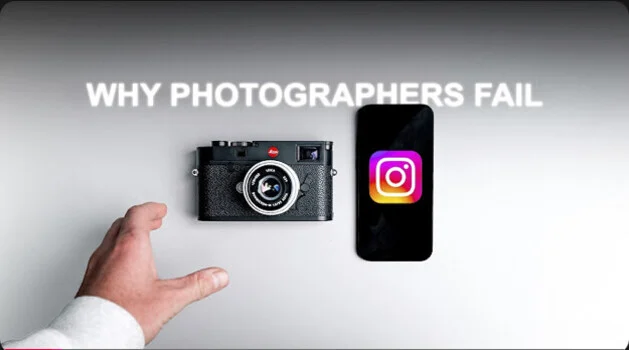
For a significant period, a growing sentiment among the photography community has been that Instagram, once a cherished haven for visual artists, has steadily drifted away from its foundational purpose. Recent unequivocal statements from Instagram’s CEO, Adam Mosseri, not only confirm these pervasive anxieties but underscore a definitive strategic reorientation of the platform. The golden age for photographers on Instagram, characterized by the organic reach and community engagement prevalent between 2015 and 2020, is, by Mosseri’s admission, irrevocably over. This paradigm shift necessitates a fundamental re-evaluation of how photographers engage with the platform, moving beyond nostalgic expectations towards a pragmatic embrace of its evolving priorities.
The Evolution of Instagram: A Chronological Shift
Instagram’s journey began in October 2010 as a minimalist photo-sharing application, quickly captivating users with its elegant interface, square photo format, and iconic filters. It rapidly became the digital canvas for photographers, artists, and enthusiasts to showcase their work, fostering a vibrant community centered around static imagery. The platform’s initial success was built on its simplicity and visual purity, allowing creators to cultivate substantial audiences purely through compelling photographs.
However, the acquisition by Facebook (now Meta Platforms) in 2012 marked the beginning of a gradual, yet profound, transformation. The mid-2010s saw the introduction of video posts, direct messaging, and the Stories feature in 2016 – a direct response to Snapchat’s rising popularity. While these additions expanded Instagram’s functionalities, they began to dilute its singular focus on static photography. Photographers largely adapted by incorporating Stories into their content strategy, but the core feed remained a sanctuary for high-quality stills.
The turning point, however, arrived with the explosive global success of TikTok in the late 2010s and early 2020s. TikTok’s short-form, algorithmically driven video content redefined user engagement, particularly among younger demographics. Its immense popularity presented an existential threat to Instagram’s dominance in the social media landscape. In response, Instagram launched Reels globally in August 2020, a feature explicitly designed to compete with TikTok. This introduction was not merely an additive; it signaled a strategic pivot that would profoundly alter the platform’s algorithmic prioritization. Mosseri himself stated in July 2021 that Instagram was "no longer a photo-sharing app," emphasizing a shift towards entertainment and video. This declaration, initially met with skepticism and concern, has now been reinforced by subsequent statements and tangible algorithmic changes.
The Digital Landscape: Why Video Dominates
The strategic shift towards video is not arbitrary; it is rooted in observable user behavior, technological advancements, and broader market trends. Industry reports consistently demonstrate a global surge in video consumption. According to Cisco’s Visual Networking Index, video content is projected to account for over 82% of all internet traffic by 2022, a significant increase from previous years. This trend is driven by several factors:
- Engagement Metrics: Short-form video often generates higher engagement rates (likes, comments, shares, saves) compared to static images, leading to increased time spent on the platform.
- Algorithmic Preference: Social media algorithms are designed to maximize user retention. Since video generally achieves this more effectively, platforms like Instagram inherently prioritize its distribution. Content that keeps users scrolling and interacting is rewarded with greater visibility.
- Monetization Potential: Video offers more diverse and lucrative advertising opportunities, including in-stream ads, brand integrations, and shoppable video content. This aligns with Meta’s broader revenue generation strategies.
- Accessibility and Production: While professional video production can be complex, the rise of smartphone cameras and intuitive editing apps has democratized short-form video creation, making it accessible to a wider user base.
Instagram’s internal data likely corroborated these external trends, indicating that to remain competitive and relevant in a rapidly evolving digital ecosystem, a fundamental reorientation was imperative. The platform’s objective is to be a comprehensive hub for visual culture, with video serving as the primary vehicle for discovery and engagement, moving beyond its legacy as a static photo gallery.
Official Stance: Mosseri’s Vision and Instagram’s Future
Adam Mosseri’s recent comments serve as the definitive confirmation of this strategic direction. While acknowledging the platform’s origins and the disappointment among some legacy users, his message is clear: the past model of Instagram is not coming back. He posits that the platform’s evolution is a necessary response to user demand and the competitive landscape. Instagram’s future, as envisioned by Mosseri, involves a continuous push towards dynamic content, with an emphasis on Reels, messaging, and a personalized discovery experience driven by artificial intelligence.
This aligns with Meta’s overarching strategy to invest heavily in AI, video, and the metaverse. Instagram is a critical component of this future vision, acting as a gateway for users to experience increasingly immersive and interactive content. For Mosseri, the goal is not to abandon photographers but to challenge them to innovate and adapt their storytelling methods to align with the platform’s new architecture. The implication is that while the medium may have shifted, the core artistic pursuit of visual storytelling remains valuable, provided it is packaged in formats that resonate with contemporary digital consumption patterns.
The AI Factor: Authenticity in a Synthetic Age
A crucial, often overlooked, dimension of Instagram’s strategic shift, as highlighted by expert Evan Ranft, is the burgeoning influence of artificial intelligence. The rapid advancement of AI-generated imagery and sophisticated photo editing tools has introduced a new layer of complexity regarding authenticity. In an era where AI can produce hyper-realistic images from text prompts or seamlessly alter photographic elements, the veracity of a "final, well-edited image" is increasingly questioned by audiences. This erosion of trust in static, polished visuals presents a unique challenge for photographers whose craft has traditionally relied on delivering a pristine final product.
Instagram, keenly aware of user skepticism and the broader implications of synthetic media, is subtly incentivizing content that demonstrates genuine human creativity and process. This doesn’t suggest a demand for amateurish work, but rather an imperative to showcase the journey behind the image. The platform implicitly seeks to differentiate authentic human creativity from potentially AI-assisted or generated content by rewarding transparency and narrative. For photographers, this means moving beyond merely presenting the perfect shot to revealing the artistry, effort, and unique human perspective that went into its creation.
Adapting for Photographers: Evan Ranft’s Framework
Against this backdrop of fundamental change, visual content creator Evan Ranft offers a pragmatic framework for photographers seeking to maintain or build their presence on Instagram. His advice, rooted in an understanding of the platform’s current trajectory, begins with a critical first step: acceptance and adaptation. Prolonged resistance or lamentation over past functionalities is counterproductive. The changes are a reality, and successful engagement now hinges on embracing the new paradigm.
Ranft’s core insight revolves around the concept of authenticity through storytelling. In an age where the final image can be digitally manipulated to an unprecedented degree, the story behind its creation becomes paramount. This involves sharing the process, the challenges, the creative decisions, and the human element inherent in photography. By illustrating how an image was conceived, captured, and edited, photographers can forge a deeper, more trustworthy connection with their audience, aligning with Instagram’s implicit push for genuine content.
He posits that the easiest and most effective way for photographers to achieve this authenticity and prosper on Instagram today is through Reels. Reels provide the perfect canvas for dynamic storytelling, allowing creators to convey narrative, emotion, and process in short, engaging video formats. Ranft’s framework, though not fully detailed in the original summary, implicitly involves steps such as:
- Acceptance: Acknowledge the platform’s evolution.
- Strategic Shift: Prioritize dynamic content.
- Authentic Storytelling: Focus on process, behind-the-scenes, and personal narratives.
- Reels Mastery: Leverage short-form video for showcasing work and process.
- Engagement Focus: Create content that encourages interaction and builds community trust.
Leveraging Reels: Practical Strategies for Visual Storytellers
For photographers, integrating Reels into their content strategy does not necessarily demand high-end video production equipment or complex editing suites. Ranft emphasizes accessibility, demonstrating how even basic smartphone videography can be profoundly effective. Practical applications for photographers using Reels include:
- Behind-the-Scenes (BTS): Short clips showing the setup of a shot, the photographer at work, interactions with models or subjects, or the environment of a shoot. This humanizes the process and offers a glimpse into the creative world.
- Before & After Edits: A quick Reel showcasing the raw image transforming into the final edited masterpiece. This can be visually compelling and demonstrate technical skill.
- Mini-Tutorials: Brief, engaging videos explaining a specific lighting technique, a camera setting, or a post-processing trick. These add value and position the photographer as an expert.
- Creative Process Narratives: A sequence showing the inspiration, conceptualization, execution, and final outcome of a photographic project. Voiceovers or on-screen text can enhance the storytelling.
- Gear Showcases: Quick demonstrations of equipment in use, offering practical insights and showcasing professional tools.
The beauty of Reels lies in their short, digestible format, making them ideal for quick consumption and high retention rates. By consistently providing glimpses into their creative journey, photographers not only satisfy the algorithm’s preference for video but also build a loyal audience invested in their unique story and authenticity. This approach directly counters the skepticism surrounding highly polished, potentially synthetic images, fostering genuine engagement and trust.
Beyond Instagram: A Holistic Approach for Photographers
While adapting to Instagram’s new video-first paradigm is crucial for maintaining visibility, it is equally important for photographers to cultivate a diversified online presence. Over-reliance on any single social media platform carries inherent risks due to fluctuating algorithms and strategic shifts beyond a creator’s control.
A holistic digital strategy for photographers in this new era should include:
- Professional Website/Portfolio: An owned digital hub where photographers have complete control over their content, presentation, and client interaction. This serves as the ultimate professional storefront.
- Email Marketing: Building an email list allows direct communication with clients and followers, bypassing social media algorithms entirely.
- Niche Platforms: Exploring platforms that cater specifically to photographers or artists, such as Behance, Flickr (though less prominent now), or even platforms like Pinterest for visual discovery.
- Professional Networking: Engaging with industry peers, attending workshops, and participating in real-world photographic communities.
By integrating these strategies, photographers can mitigate the risks associated with Instagram’s evolving landscape while maximizing their reach and opportunities. Instagram, in this context, becomes one powerful tool within a broader digital ecosystem, rather than the sole arbiter of a photographer’s success.
Conclusion: The Future of Photography on Social Media
The shift in Instagram’s strategy, confirmed by CEO Adam Mosseri, marks a definitive end to an era for photographers on the platform. The days of effortless organic reach for static images are behind us. However, this evolution is not an insurmountable obstacle but rather a catalyst for innovation. By embracing the platform’s video-first approach, prioritizing authentic storytelling, and leveraging features like Reels to showcase their process, photographers can not only adapt but thrive. Evan Ranft’s insights provide a valuable roadmap, emphasizing that true connection in the digital age comes from transparency and narrative. The future of photography on social media is dynamic, authentic, and inherently human, demanding creators to share not just what they see, but how they see it. This adaptation is not merely about staying relevant; it is about redefining the very nature of visual communication in a rapidly changing digital world.