
 By admin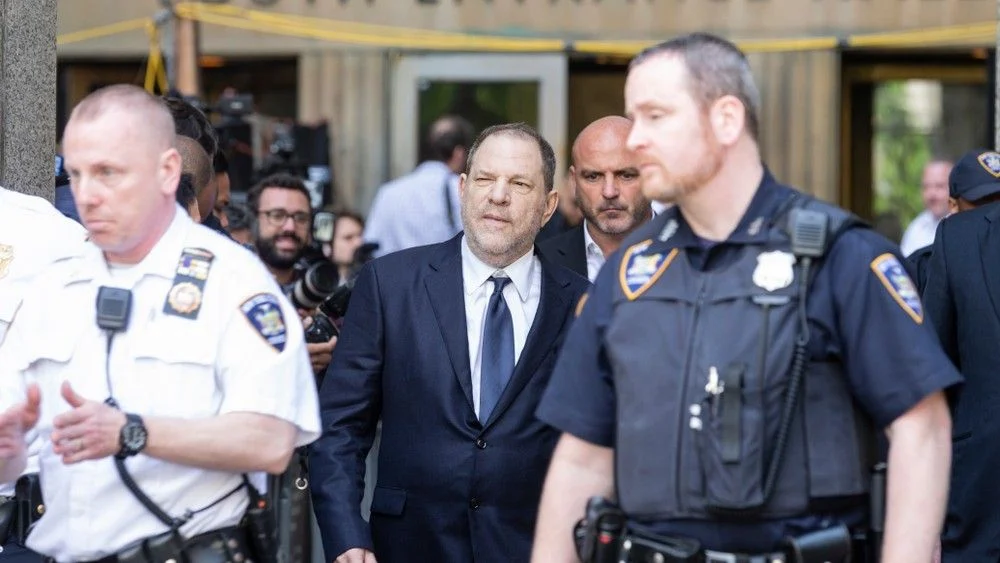
From the confines of Rikers Island, disgraced former Hollywood titan Harvey Weinstein has offered a stark reflection on his life post-conviction, revealing a profound sense of isolation and severance from the entertainment industry he once dominated. The 73-year-old former producer, whose downfall ignited the global #MeToo movement, described being largely cut off from the friends and colleagues who once orbited his formidable power, acknowledging his new status as "cancel-itis" and "toxic" in an interview. His candid remarks underscore the dramatic shift in his personal and professional landscape since the initial sexual misconduct allegations surfaced in 2017, leading to multiple convictions and a combined sentence that has confined him to one of New York’s most notorious correctional facilities.
Weinstein’s interview paints a picture of a man grappling with the consequences of his actions, understanding that his past associations now carry a prohibitive cost for anyone in Hollywood. He specifically named prominent figures such as Jeffrey Katzenberg, Ted Sarandos, and Bradley Cooper, lamenting the loss of relationships that extended beyond mere business. "I miss these people not just as business – there was more to it than that," Weinstein reportedly stated, yet he conceded to the grim reality that maintaining distance is a necessity for those wishing to protect their own careers and reputations. The shadow cast by his convictions is so pervasive, he claims, that he now hesitates to initiate contact, fearing that a mere phone call could lead to others being "canceled" for their association with him. "I’m scared to call people because I don’t want them canceled for talking to me," he explained, illustrating the depth of his pariah status.
The Architect of a Cinematic Empire: Weinstein’s Ascent and Precipitous Fall
Before his ignominious descent, Harvey Weinstein stood as one of the most influential and feared figures in modern cinema. Alongside his brother Bob, he co-founded Miramax Films in 1979, transforming it into a powerhouse of independent cinema. Miramax became synonymous with prestige, producing and distributing a string of critically acclaimed and commercially successful films, including Pulp Fiction, The English Patient, Good Will Hunting, and Shakespeare in Love. The company garnered an astounding 249 Academy Award nominations and 60 wins during their tenure, reshaping the landscape of film distribution and proving that arthouse films could achieve mainstream success. Their strategic prowess in Oscar campaigns was legendary, often credited with revolutionizing how films were marketed for awards season.
In 2005, after selling Miramax to Disney, the brothers launched The Weinstein Company (TWC), continuing their streak of acclaimed productions like The King’s Speech, Silver Linings Playbook, and Django Unchained. TWC quickly established itself as a major player, securing numerous accolades and reinforcing Weinstein’s image as a visionary producer with an uncanny knack for identifying award-winning talent and material. His empire was built on a foundation of relentless ambition, a keen eye for quality, and a reputation for aggressive tactics that, in retrospect, mirrored the alleged abuse of power that would ultimately lead to its undoing.
The first public cracks in this seemingly impenetrable facade appeared in October 2017. Investigative reports by The New York Times‘ Jodi Kantor and Megan Twohey, followed swiftly by Ronan Farrow’s exposé in The New Yorker, detailed decades of sexual harassment, assault, and abuse allegations against Weinstein. These meticulously researched articles, which won a Pulitzer Prize, revealed a pattern of predatory behavior, often involving young actresses and assistants, leveraging his immense power to silence victims through non-disclosure agreements and intimidation. The sheer volume and consistency of the accounts, which eventually numbered over 80 women, sent shockwaves through Hollywood and beyond.
A Timeline of Allegations, Trials, and Convictions
The revelations against Harvey Weinstein did not just expose one man’s alleged crimes; they ignited a cultural reckoning that transcended the entertainment industry. The subsequent legal battles unfolded over several years, marking a significant period of public and legal scrutiny.
- October 5, 2017: The New York Times publishes its groundbreaking investigation, detailing decades of sexual harassment allegations against Weinstein.
- October 10, 2017: The New Yorker publishes Ronan Farrow’s exposé, featuring more detailed allegations of sexual assault, including rape.
- October 14, 2017: The Academy of Motion Picture Arts and Sciences votes to expel Weinstein, a rare move for the prestigious organization.
- October 2017 – Present: Dozens more women come forward with allegations, further solidifying the pattern of abuse. The #MeToo movement gains unprecedented global momentum.
- May 25, 2018: Weinstein is arrested in New York City and charged with rape and a criminal sexual act involving two women.
- February 24, 2020: Following a highly publicized trial in New York, a jury finds Weinstein guilty of rape in the third degree and criminal sexual act in the first degree. He is acquitted of the more serious predatory sexual assault charges.
- March 11, 2020: Weinstein is sentenced to 23 years in state prison for his New York convictions.
- July 20, 2021: Weinstein is extradited to Los Angeles to face additional charges.
- October 10, 2022: The Los Angeles trial begins, involving charges of rape and other sexual assaults against five women.
- December 19, 2022: A Los Angeles jury finds Weinstein guilty of rape, oral copulation, and sexual penetration by force involving one victim, identified as Jane Doe 1 (actor Evgeniya Chernyshova). He is acquitted on one count and the jury deadlocks on charges related to two other accusers.
- February 23, 2023: Weinstein is sentenced to an additional 16 years in prison for his Los Angeles convictions, to be served consecutively to his New York sentence. This brings his total effective sentence to 39 years.
- April 25, 2024: A New York appellate court overturns Weinstein’s 2020 conviction, citing judicial error in allowing testimony from women whose allegations were not part of the charges. This decision opens the door for a new trial in New York.
- May 29, 2024: Despite the New York conviction being overturned, Weinstein remains incarcerated due to his Los Angeles conviction and sentence. New York prosecutors indicate their intention to retry him.
Currently, Weinstein is being held at Rikers Island, a complex of ten jails located in New York City, known for its challenging conditions and as a temporary holding facility for defendants awaiting trial or sentencing. The stark reality of his current environment stands in stark contrast to the opulence and power he once commanded, underscoring the severe and enduring consequences of his actions.
The #MeToo Earthquake: Reshaping Hollywood and Beyond
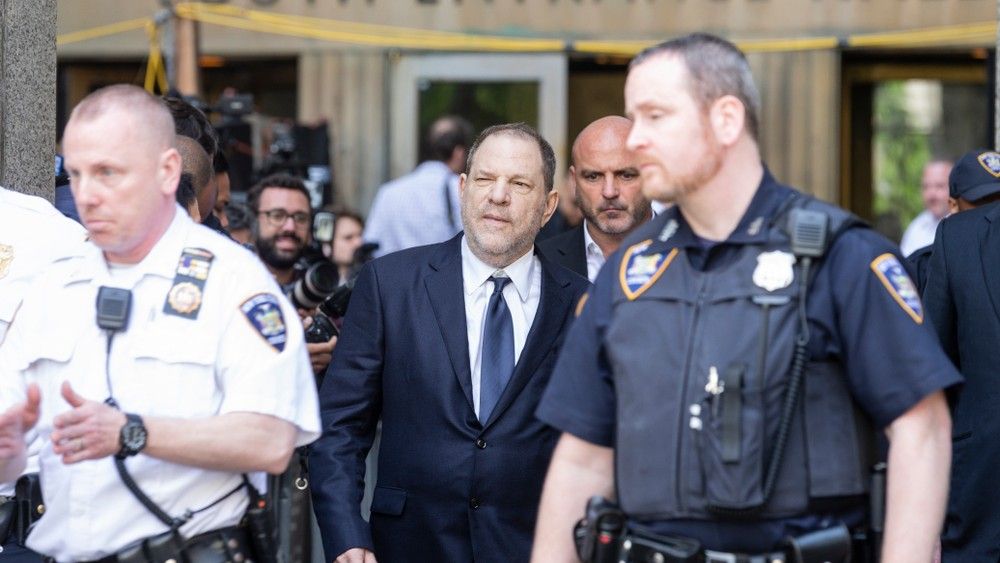
The torrent of allegations against Harvey Weinstein did more than just bring down a powerful individual; it served as a catalyst for the #MeToo movement, which had been initiated years prior by activist Tarana Burke. Weinstein’s case provided a critical mass of public awareness and outrage, empowering countless individuals across various industries to come forward with their own stories of sexual harassment and assault. The movement rapidly gained global traction, transforming into a powerful force for social change.
In Hollywood, the impact was immediate and profound. The "casting couch" culture, long an open secret, was dragged into the harsh light of public scrutiny. Industry leaders were forced to confront systemic issues of power imbalances, lack of accountability, and environments where predators could operate with impunity. This led to:
- Increased Awareness: A widespread understanding of sexual harassment and assault, its prevalence, and its detrimental effects.
- Empowerment of Victims: A safe space and platform for survivors to share their experiences without fear of reprisal, leading to a collective sense of solidarity.
- Downfall of Other Powerful Figures: Numerous other high-profile individuals across entertainment, media, politics, and business faced similar allegations and subsequent professional repercussions, including Kevin Spacey, Matt Lauer, Charlie Rose, and Les Moonves, among others.
- Policy Changes: Studios, networks, and production companies implemented stricter anti-harassment policies, mandatory sensitivity training, and improved reporting mechanisms.
- Demand for Accountability: A greater emphasis on corporate responsibility to protect employees and address misconduct swiftly and transparently.
- Diversity and Inclusion Initiatives: The movement also spurred broader conversations about diversity, equity, and inclusion within the industry, recognizing that marginalized groups are often disproportionately vulnerable to abuse.
The year 2017 saw "The Silence Breakers"—those who spoke out against sexual harassment and assault—named Time magazine’s Person of the Year, a testament to the seismic cultural shift that Weinstein’s downfall helped to accelerate. While progress has been made, the ongoing dialogue and challenges underscore that the fight for safer and more equitable workplaces continues.
Personal Fallout: Georgina Chapman and the Children
Beyond his professional exile, Weinstein’s personal life also underwent a radical transformation. His marriage to acclaimed fashion designer Georgina Chapman, co-founder of the luxury fashion label Marchesa, dissolved amidst the scandal. The couple married in 2007 and were considered a Hollywood power couple, blending film and high fashion. However, Chapman announced her separation from Weinstein in October 2017, just days after the initial allegations broke, stating, "My heart breaks for all the women who have suffered tremendous pain because of these unforgivable actions. I have chosen to leave my husband." Their divorce was finalized in 2021.
Chapman herself faced significant professional and personal fallout due to her association with Weinstein. Marchesa, a brand previously favored by A-list celebrities for red carpet events, experienced a severe downturn as many actresses distanced themselves. While some industry figures, including Anna Wintour, publicly supported Chapman, recognizing her as a victim of her husband’s deceit rather than an accomplice, the brand struggled to regain its former prominence. Weinstein acknowledged this, stating, "And Georgina suffered terribly because of me," expressing a degree of remorse for the impact his actions had on her career and reputation.
Despite the painful public divorce, Weinstein confirmed that Chapman allows their children to visit him, suggesting a degree of cooperation for the sake of their family. He also spoke about Chapman’s new relationship with Oscar-winning actor Adrien Brody. "It’s good that my kids have someone in their lives," Weinstein reportedly said, expressing support for the situation. Brody publicly acknowledged Chapman and her children during an Academy Awards acceptance speech in 2025 (as stated in the original article, likely referring to a future or hypothetical event, or a typo for a past year), thanking them for welcoming him into their lives. This public embrace from Brody symbolizes Chapman’s journey towards rebuilding her personal life and finding happiness amidst the wreckage of her past.
The Lasting Legacy: Accountability and Evolving Power Dynamics
Harvey Weinstein’s case undeniably marked a watershed moment for the entertainment industry and beyond. His downfall forced a long-overdue examination of entrenched power structures, the complicity of silence, and the mechanisms that allowed abuse to flourish unchecked for decades. While Weinstein remains incarcerated and faces the prospect of further legal battles, the conversation he ignited about the abuse of power in entertainment continues to reshape how the industry operates.
The ripple effects of the scandal are still influencing Hollywood today, driving a sustained effort to foster safer, more equitable, and transparent working environments. From enhanced HR protocols and independent reporting systems to a greater emphasis on ethical leadership and diverse representation behind the scenes, the industry is slowly, and sometimes painfully, adapting to a new era of accountability. The era of the all-powerful, unchecked mogul like Weinstein is, by all accounts, over. The collective voice of survivors, amplified by the #MeToo movement, has irrevocably altered the landscape, ensuring that future generations entering the industry will encounter a very different, and hopefully much safer, terrain than those who came before. While challenges persist and systemic issues require ongoing vigilance, the lessons learned from Weinstein’s reign and ruin continue to shape the industry’s evolving moral compass.