
 By admin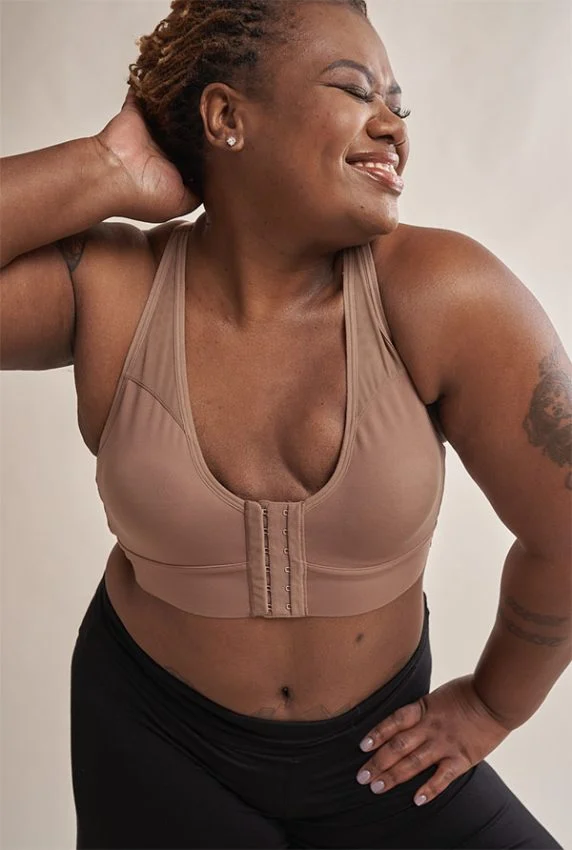
The intersection of specialized healthcare and the intimate apparel industry has become a focal point for breast cancer recovery, as practitioners and retailers increasingly recognize the nuances of post-surgical care. While the primary goal of breast surgery—whether for oncology, reconstruction, or aesthetic purposes—is a successful surgical outcome, the subsequent recovery phase often introduces physiological challenges that require expert navigation. Central to this recovery is the management of fluid retention, which typically manifests in two distinct forms: chronic lymphedema and acute post-surgical edema. For certified fitters, medical professionals, and specialized retailers, the ability to differentiate between these conditions is not merely a matter of customer service but a critical component of patient safety and long-term health management.
Clinical Definitions and the Physiological Basis of Swelling
To understand the needs of a post-surgical client, one must first establish the physiological differences between the two primary types of swelling. Lymphedema is classified as a chronic medical condition resulting from a compromised or damaged lymphatic system. The lymphatic system serves as the body’s drainage network, transporting lymph fluid—a cocktail of white blood cells, proteins, and fats—back into the bloodstream. When lymph nodes are removed or damaged through surgery, biopsy, or radiation therapy, the system loses its ability to process this fluid efficiently. The resulting accumulation leads to persistent swelling, most frequently in the arms, chest wall, or breast tissue.
In contrast, post-surgical edema is a localized, inflammatory response that is considered a normal and expected part of the healing process. Following procedures such as a mastectomy, lumpectomy, reduction, or augmentation, the body’s immune system directs fluid to the surgical site to facilitate tissue repair. This acute swelling is temporary and generally subsides as the initial phases of wound healing conclude. While both conditions involve the accumulation of fluid, their timelines, causes, and management protocols are fundamentally different.
The Prevalence and Economic Impact of Lymphatic Complications
Recent data from the American Cancer Society and the National Lymphedema Network suggest that approximately 20% to 30% of breast cancer survivors will develop lymphedema at some point during their lives. The risk increases significantly with the number of lymph nodes removed and the intensity of radiation therapy. Unlike post-surgical edema, which typically resolves within weeks, lymphedema can appear months or even years after the initial treatment.

The economic burden of these conditions is substantial. A 2023 study published in the Journal of Clinical Oncology noted that patients who develop lymphedema face significantly higher out-of-pocket costs due to the need for specialized garments, manual lymphatic drainage (MLD) therapy, and potential hospitalizations for infections such as cellulitis. For the intimate apparel industry, this underscores the importance of providing high-quality, scientifically designed support garments that bridge the gap between medical necessity and daily comfort.
Chronology of Recovery: From Acute Healing to Long-Term Management
The recovery journey for a breast surgery patient can be categorized into several distinct phases, each requiring a different approach to apparel and support.
Phase 1: The Acute Post-Surgical Window (Days 1–14)
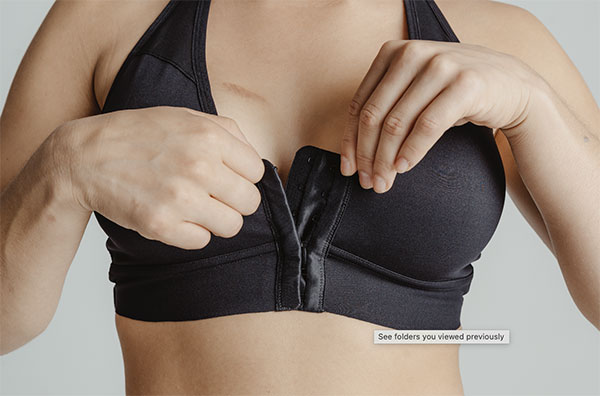
Immediately following surgery, the primary focus is on wound stabilization and the management of post-surgical edema. During this period, patients often utilize front-closure bras that allow for easy dressing without requiring the patient to lift their arms, which may be restricted by incisions or drains. The compression provided during this phase is generally light and uniform, intended to hold dressings in place and minimize the "pocketing" of fluid around the surgical site.
Phase 2: The Sub-Acute Healing Period (Weeks 3–8)
As the initial surgical swelling begins to dissipate, the patient’s needs shift toward tissue support and scar management. It is during this phase that the "One to Wear, One to Wash" rule becomes paramount. Maintaining skin integrity and hygiene is critical to preventing infection. Patients are encouraged to wear clean, breathable garments daily, particularly as they begin to resume light physical activity.
Phase 3: Long-Term Monitoring and Lymphedema Vigilance (Month 3 and Beyond)
Once the acute edema has resolved, any subsequent or persistent swelling must be evaluated for lymphedema. This is the stage where the role of the professional fitter becomes most vital. If a client reports a feeling of "heaviness," "tightness," or a sensation that their bra fits differently despite no change in weight, it may indicate the onset of chronic lymphedema.
Engineering Support: The Role of Compression and Design
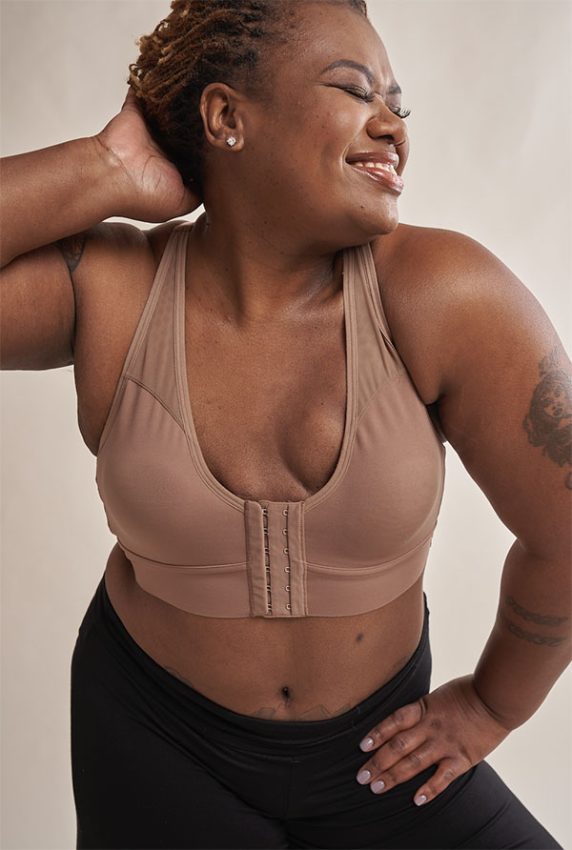
The design of post-surgical apparel has evolved from purely utilitarian medical binders to sophisticated garments like the AnaOno Rora pocketed bra, which balances clinical requirements with aesthetic dignity. The distinction between "support" and "medical compression" is a technical one that retailers must understand.
Medical-grade compression garments are engineered to provide specific pressure levels, measured in millimeters of mercury (mmHg). These are typically prescribed by a physician or a lymphedema therapist and are designed to exert higher pressure at the extremities to move fluid toward the torso. Conversely, post-surgical bras provide "comfort compression," which is non-graduated and focuses on stabilizing the breast tissue and chest wall without constricting the lymphatic pathways.
Key design features for these garments include:
- Pocketed Cups: To accommodate breast forms or lightweight "foams" for those who have undergone mastectomies.
- Adjustable Straps and Closures: To account for fluctuating swelling levels.
- Seamless or Flat-Seam Construction: To prevent irritation on sensitive scar tissue or skin damaged by radiation.
- Breathable Fabrics: To manage body temperature and moisture, reducing the risk of skin breakdown.
The Fitter’s Mandate: Education and Boundaries
In the specialized retail environment, the fitter often serves as a frontline advocate for breast health. However, the industry maintains a strict boundary regarding medical diagnosis. The professional role is to observe, listen, and refer.
When a client presents with swelling, a professional fitter’s vocabulary is essential. Instead of attempting to diagnose lymphedema, fitters are trained to ask open-ended questions: "Have you noticed any changes in how this sleeve or strap feels since your last visit?" or "Has your surgical team discussed the management of persistent swelling with you?"
If a fitter observes abnormal redness, localized heat, or skin changes that appear "orange-peel" like (peau d’orange), they must immediately encourage the client to contact their medical care team. These can be signs of infection or advanced lymphatic obstruction that require clinical intervention rather than a change in lingerie.
Broader Implications for the Intimate Apparel Market
The shift toward "health-conscious" lingerie reflects a broader trend in the global apparel market where functionality and medical necessity are no longer mutually exclusive with style. The growth of companies like AnaOno, founded by Dana Donofree, highlights a market demand for products that address the specific anatomical changes caused by cancer treatments.
This evolution has significant implications for retail training. Modern fitters are increasingly required to hold certifications that cover anatomy, the lymphatic system, and the psychological impacts of breast surgery. By providing a safe, knowledgeable environment, retailers build a level of trust that fosters long-term customer loyalty. This relationship often lasts throughout the patient’s entire survivorship journey, from the first post-op garment to the selection of everyday bras years later.
Conclusion: Breast Health as a Lifecycle Commitment
Breast health is not a niche segment of the lingerie market; it is a fundamental part of the lifecycle of the women the industry serves. As medical treatments for breast cancer become more advanced, the survival rates continue to climb, leading to a larger population of women living with the long-term effects of surgery and radiation.
Understanding the difference between the temporary challenges of post-surgical edema and the chronic management of lymphedema is a cornerstone of professional excellence in this field. By meeting these women with factual knowledge, specialized products, and a clear understanding of the medical landscape, the intimate apparel industry plays an indispensable role in the holistic recovery and ongoing well-being of patients worldwide. The integration of education and empathy ensures that the fitting room remains a space of empowerment and health advocacy.