
 By admin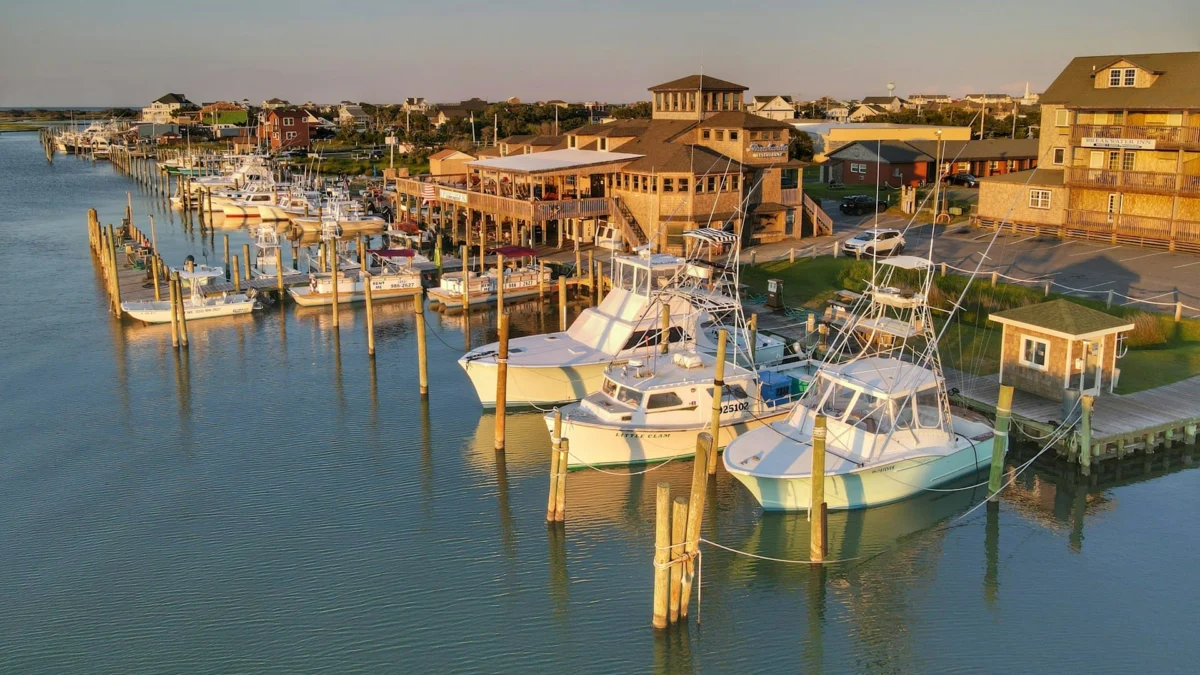
North Carolina continues to solidify its position as a premier destination for domestic and international travelers, offering a geographical diversity that ranges from the high-altitude peaks of the Blue Ridge Mountains to the expansive shorelines of the Outer Banks. As the summer season approaches, industry analysts and travel experts emphasize the necessity of rigorous strategic planning to navigate the complexities of peak-season demand. With millions of visitors expected to traverse the state between June and August, the logistical framework of a successful getaway requires more than a cursory itinerary; it demands an integrated approach to accommodation procurement, transportation logistics, and environmental preparedness.
According to data from the North Carolina Department of Commerce, tourism serves as a critical economic engine for the state, generating over $33.3 billion in visitor spending in recent record-breaking years. This influx of capital supports more than 216,000 jobs across the hospitality, transport, and retail sectors. However, the sheer volume of visitors during the summer months places significant pressure on infrastructure and service capacity. For travelers, the difference between a high-stress excursion and a seamless retreat often hinges on the early adoption of a structured planning timeline.
A Chronological Framework for Summer Travel Preparation
To mitigate the risks associated with high-demand periods, travel consultants suggest a four-phased approach to preparation. This chronology ensures that the most volatile variables—specifically lodging and airfare—are secured before market saturation occurs.

Phase One: The Conceptualization and Style Selection (Four to Six Months Out)
The preliminary stage of planning involves defining the specific "vacation style" that will dictate the remainder of the logistics. North Carolina offers three distinct geographic regions, each requiring different preparation. The Coastal Plain, characterized by the Outer Banks and the Crystal Coast, appeals to those seeking maritime heritage and beach-front leisure. The Piedmont region, housing metropolitan hubs like Charlotte and Raleigh, caters to urban explorers and cultural enthusiasts. Finally, the Appalachian Mountains in the west provide a sanctuary for hikers, wellness seekers, and adventure tourists. Determining the primary objective—be it a spa-centric retreat in Asheville or a deep-sea fishing expedition in Morehead City—is the prerequisite for all subsequent financial and logistical commitments.
Phase Two: Procurement of Accommodation (Three to Five Months Out)
In the current travel climate, North Carolina’s premier destinations often reach 95 percent occupancy by early spring. The rise of short-term rental platforms has altered the landscape, yet traditional resorts and boutique hotels remain competitive. Analysts note that travelers seeking specific amenities, such as private beach access on Hatteras Island or proximity to the Biltmore Estate, must act early. Pre-booking not only guarantees availability but also locks in rates that typically escalate as the summer solstice nears.
Phase Three: Logistical Infrastructure and Transit (Two Months Out)
The third phase focuses on how the traveler will navigate the state’s 53,000 square miles. For those flying, monitoring flight paths into Charlotte Douglas International (CLT) or Raleigh-Durham International (RDU) is essential. For road-bound travelers, this period is designated for vehicle maintenance and route mapping. This stage is also when specialized transport, such as the North Carolina Ferry System—the second largest state-run ferry fleet in the United States—must be researched for schedules and reservation requirements.
Phase Four: Final Execution and Environmental Preparation (Two Weeks Out)
The final stage involves tactical preparations, including packing for North Carolina’s specific summer climate and finalizing a flexible daily itinerary. This period allows for the integration of local events, such as summer festivals or seasonal culinary pop-ups, into the broader travel plan.

The Economic and Infrastructure Impact of Summer Tourism
The scale of summer travel in North Carolina has profound implications for state infrastructure. Visit North Carolina, the state’s official tourism authority, has reported that every county in the state benefits from visitor spending. In popular coastal counties like Dare and New Hanover, the population can quadruple during peak summer weeks. This surge necessitates robust public services and transportation management.
Industry experts point to the "Outer Banks Effect," where the demand for large, multi-generational rental homes often outstrips supply, leading to a ripple effect in the local economy. "The summer season is our lifeblood," states a representative from a prominent coastal property management firm. "But it also requires a delicate balance of managing resources like water, waste, and traffic flow on the two-lane highways that define our island geography."
Furthermore, the Piedmont region’s urban centers see a different kind of summer impact. Business travel often intersects with "bleisure" (business-leisure) trips, as professionals extend their stays to explore the state’s burgeoning craft brewery scenes and professional sports venues. This diversity of traveler profiles ensures that the economic impact is distributed across various sectors, from rural agricultural tourism to high-end urban hospitality.
Navigation and Logistics: From Interstates to Waterways
Transportation remains one of the most complex hurdles for the summer traveler. North Carolina’s geography requires a multi-modal approach. The state is bisected by major arteries like I-95 and I-40, which experience significant congestion during holiday weekends such as Memorial Day and the Fourth of July.
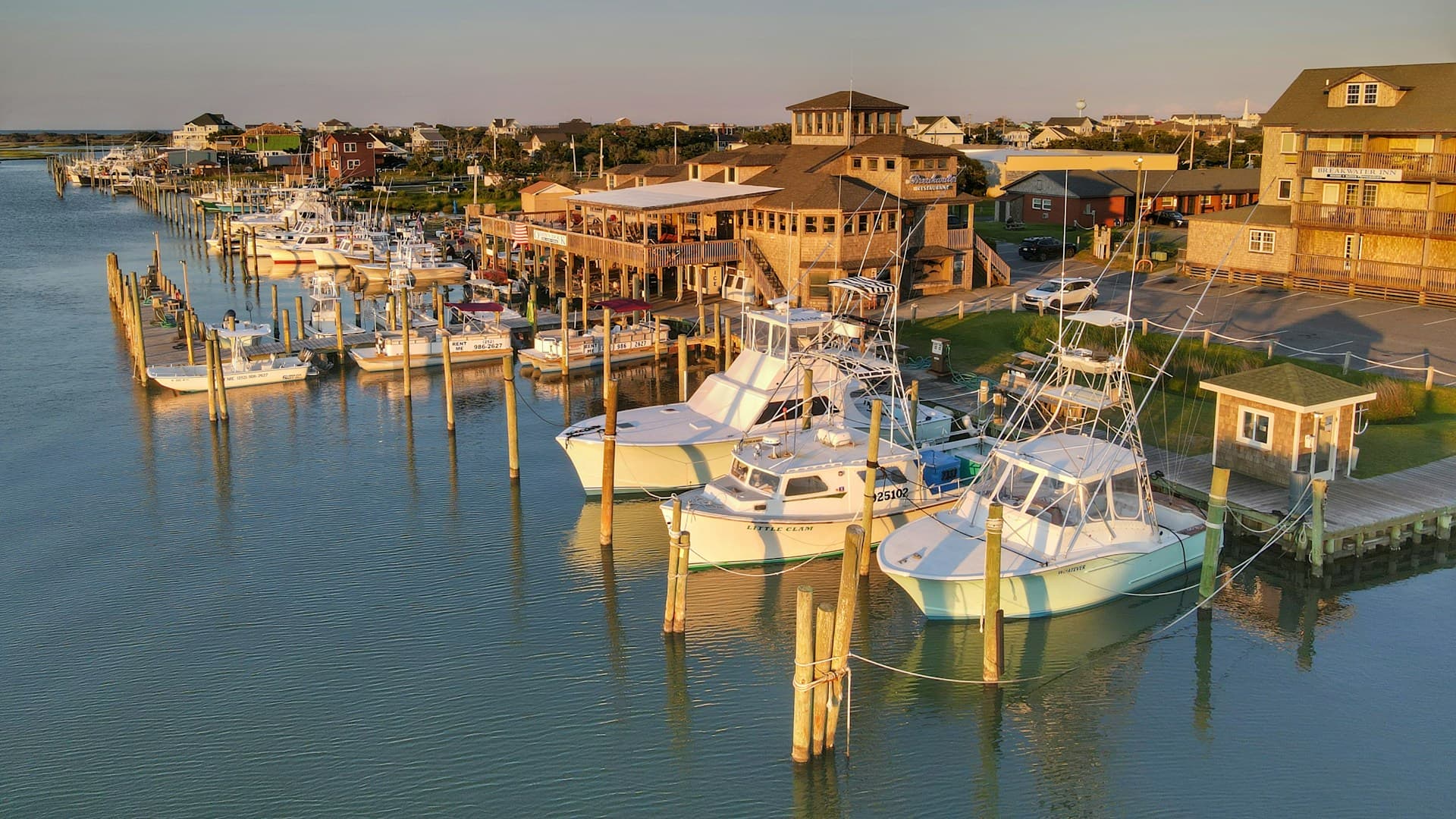
For those venturing to the islands, the North Carolina Department of Transportation (NCDOT) Ferry Division is a vital link. Routes connecting Southport to Fort Fisher or Swan Quarter to Ocracoke are high-demand corridors. Travelers are advised to secure ferry reservations weeks in advance, as standby lines can result in delays of several hours during peak heat.
In the mountainous west, the Blue Ridge Parkway offers a more scenic but slower transit route. Local authorities remind summer visitors that mountain driving requires different vehicle considerations, including brake health and awareness of sudden weather shifts. The integration of GPS technology is helpful, but seasoned travelers are warned that cellular reception can be intermittent in the deeper valleys of the Great Smoky Mountains, making physical maps a necessary backup.
Strategic Itinerary Management: The Value of Flexibility
While the foundational elements of a trip—beds and flights—require rigid planning, the experiential elements benefit from a degree of fluidity. Professional travel planners advocate for the "70/30 Rule": scheduling 70 percent of the time with anchor activities while leaving 30 percent open for spontaneous discovery.
This flexibility allows travelers to respond to local recommendations or unexpected weather patterns. For instance, a planned hiking day in the Pisgah National Forest might be rerouted to a gallery tour in the River Arts District of Asheville if a summer thunderstorm occurs. Conversely, a day slated for a museum visit in Raleigh might be swapped for a visit to a local "u-pick" fruit farm if the weather is exceptionally clear. This adaptable approach reduces "vacation fatigue" and allows for a more authentic engagement with the local culture.

Environmental Considerations and Packing Logistics
The North Carolina summer is defined by its subtropical climate. Data from the National Weather Service indicates that July and August are characterized by high humidity levels and temperatures frequently exceeding 90 degrees Fahrenheit. This environmental reality dictates a specific approach to packing and health safety.
- Textile Selection: Lightweight, moisture-wicking fabrics are essential for both coastal and inland environments. Breathable linens and synthetics help manage the physiological impact of high humidity.
- Sun and Pest Protection: The coastal sun is intensified by water reflection, requiring high-SPF protection. In the western forests, insect repellent is a necessity for those engaging in trail activities.
- Hydration and Health: Heat-related illnesses are a common concern for summer tourists. Health officials recommend a consistent hydration schedule, particularly for those participating in outdoor sports or extended beach sessions.
- Specialized Gear: Given the state’s penchant for sudden afternoon "pop-up" thunderstorms, high-quality rain gear and waterproof covers for electronic devices are considered standard equipment for the prepared traveler.
Broader Implications: Sustainability and the Future of NC Tourism
As North Carolina’s popularity grows, the conversation among stakeholders is shifting toward sustainable tourism. The environmental pressure on delicate ecosystems, such as the dunes of Jockey’s Ridge or the biodiversity of the Appalachian trailheads, has led to new initiatives.
"Outdoor Ethics" programs and "Leave No Trace" campaigns are becoming more prominent in state park communications. The goal is to ensure that the influx of summer visitors does not degrade the very natural beauty that draws them to the state. There is also an increasing focus on "dispersed tourism"—encouraging visitors to explore lesser-known rural counties to alleviate the pressure on overcrowded "hotspots."
From an economic perspective, the future of North Carolina summer travel looks robust. The state’s ability to offer both high-end luxury and budget-friendly camping ensures a broad market appeal. However, as the industry evolves, the necessity for sophisticated consumer planning will only increase. Those who treat their summer getaway as a strategic operation—balancing early procurement with on-the-ground flexibility—will continue to reap the highest rewards from North Carolina’s sun-drenched coastlines and mountain vistas.