
 By admin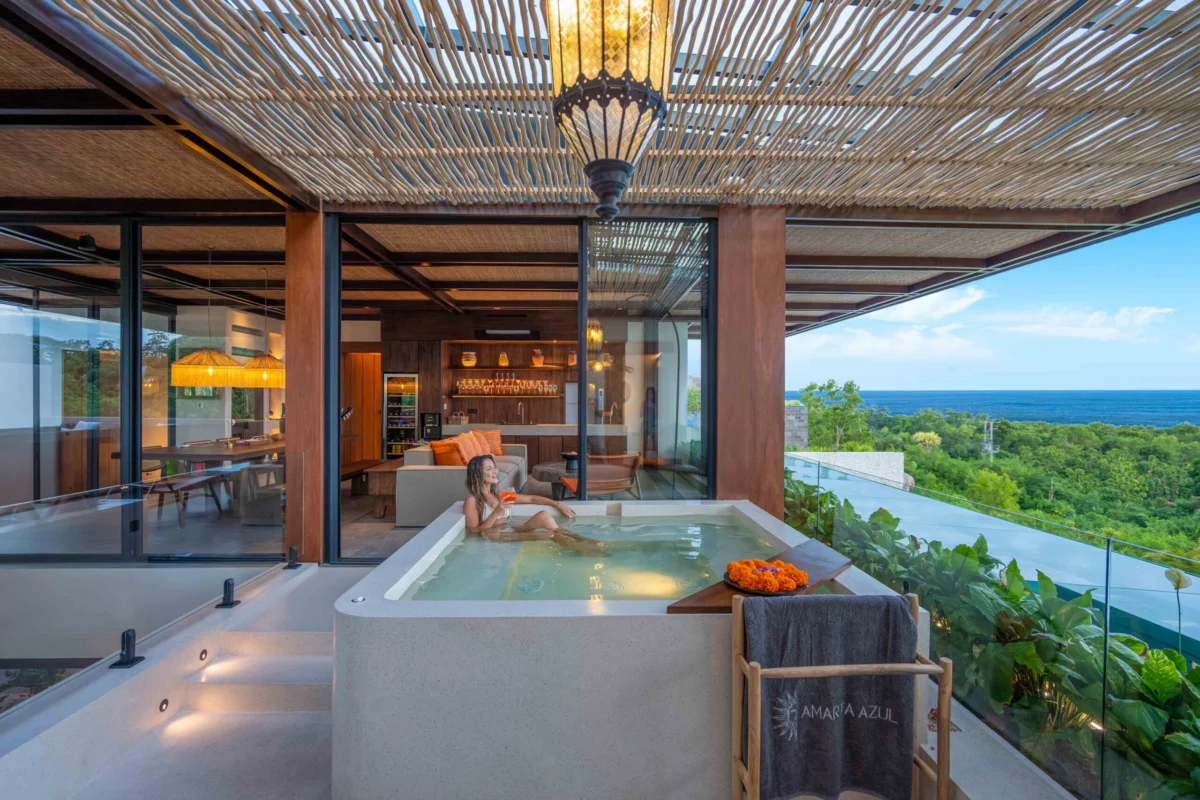

The emergence of Amarta Azul as a premier private oceanfront estate marks a significant shift in the landscape of ultra-high-net-worth (UHNW) hospitality in Indonesia. Situated on the volcanic clifftops of Pecatu, on the southern tip of Bali’s Bukit Peninsula, the property represents a convergence of architectural ambition and environmental sensitivity. In an era where the Bali coastline is under increasing developmental pressure, Amarta Azul’s position offers a rare example of unobstructed oceanfront residence, characterized by a design philosophy that prioritizes privacy, silence, and architectural permanence.
The Strategic Significance of the Pecatu Clifftop Corridor
The Bukit Peninsula, specifically the Pecatu region, has undergone a radical transformation over the past decade. Once known primarily as a rugged destination for professional surfers drawn to breaks like Uluwatu and Padang Padang, the area has evolved into Bali’s most exclusive real estate corridor. This evolution is driven by the scarcity of "front-row" clifftop land, which commands a significant premium over inland properties in Seminyak or Canggu.
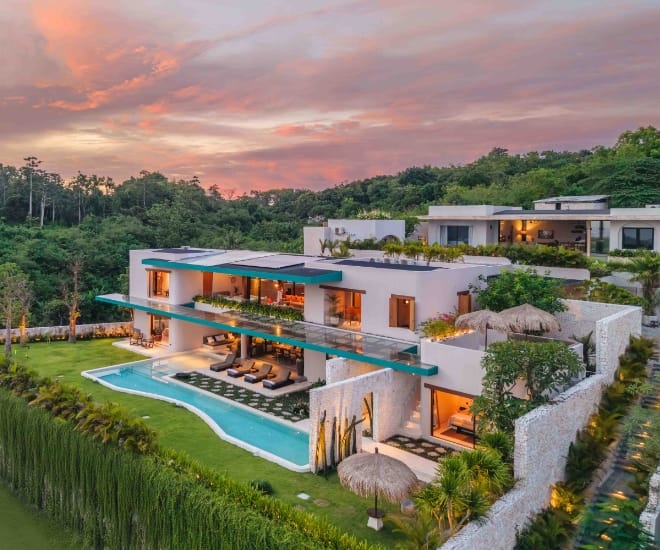
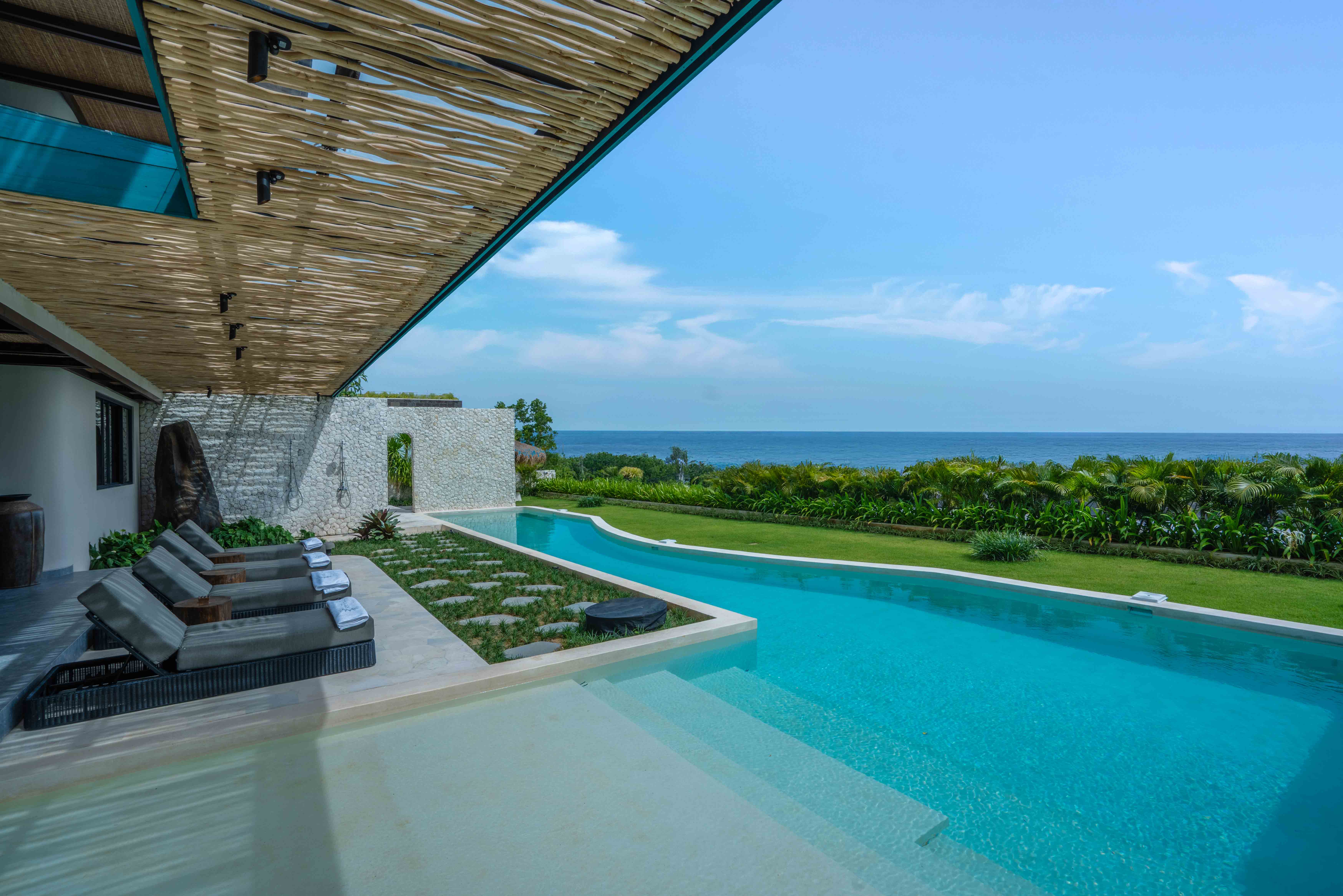
Amarta Azul occupies one of the few remaining privileged natural addresses in this corridor. The estate’s location provides a 180-degree view of the Indian Ocean, situated high above the coastline where the limestone cliffs meet the sea. Industry analysts note that properties in this specific micro-climate benefit from lower humidity and more consistent breezes than the island’s central plains, making them highly desirable for long-term residential stays. The estate’s "commanding position" is not merely a marketing descriptor but a geographical fact; the residence is built into the cliff face, ensuring that no future development can impede its visual access to the horizon.
Architectural Fusion: A Study in Four Traditions
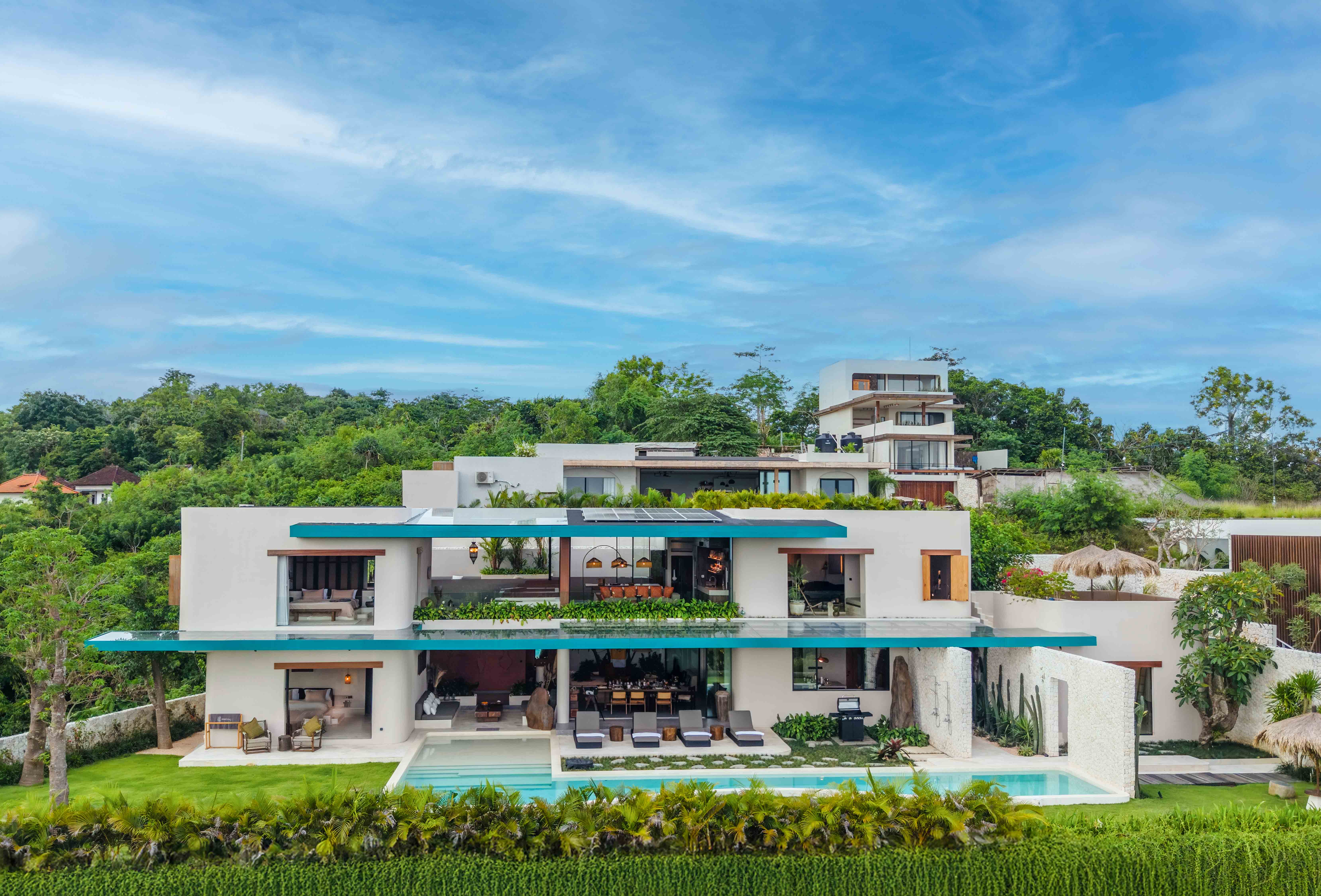
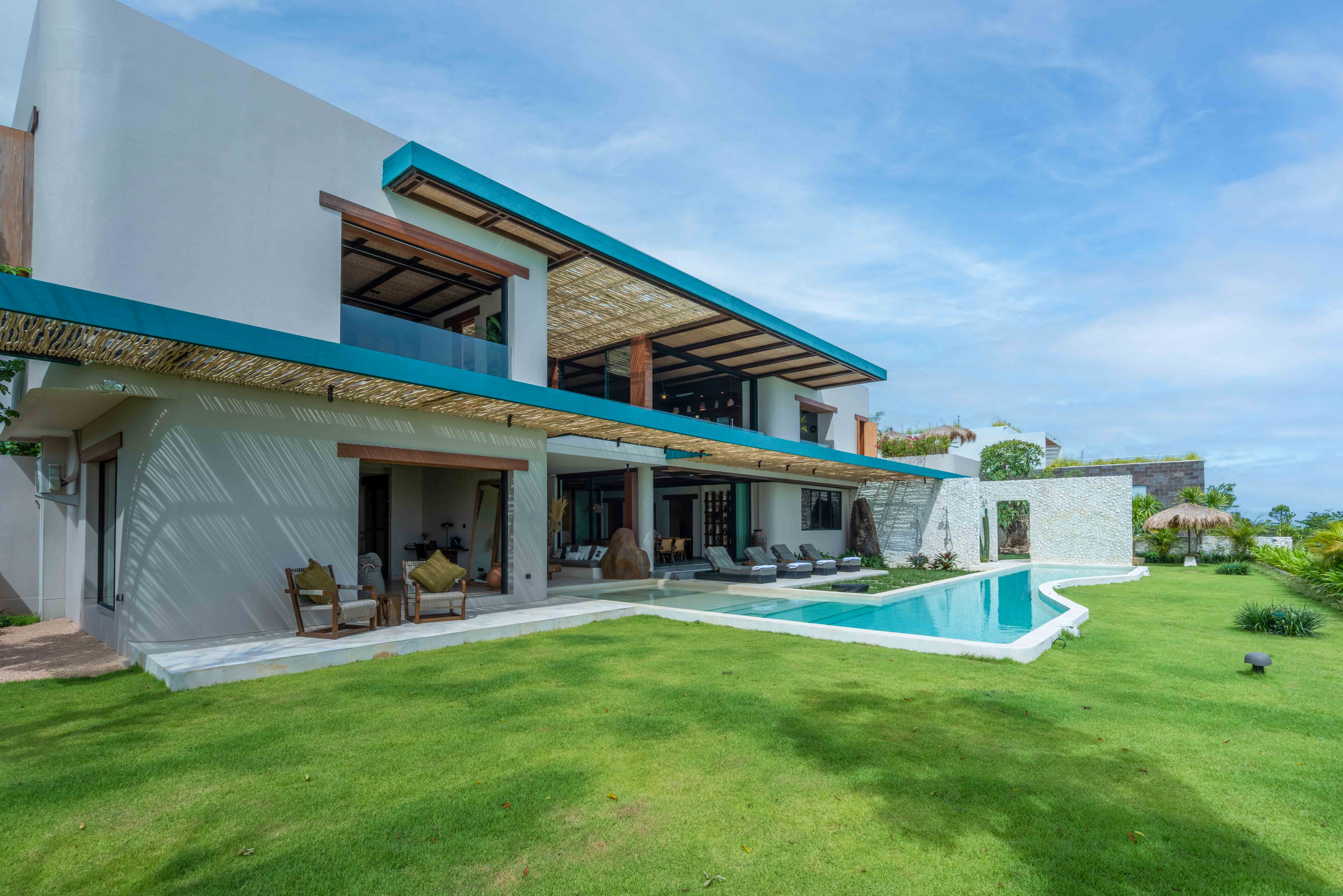
The design of Amarta Azul is a departure from the traditional "tropical modernism" that has dominated Bali’s luxury villa market for twenty years. Instead, the estate was conceived as a dialogue between four distinct global architectural traditions: the purity of Cycladic forms from the Greek Isles, the expansive warmth of South American haciendas, the inward-looking geometry of Moroccan riads, and the spiritual intimacy of Balinese craftsmanship.
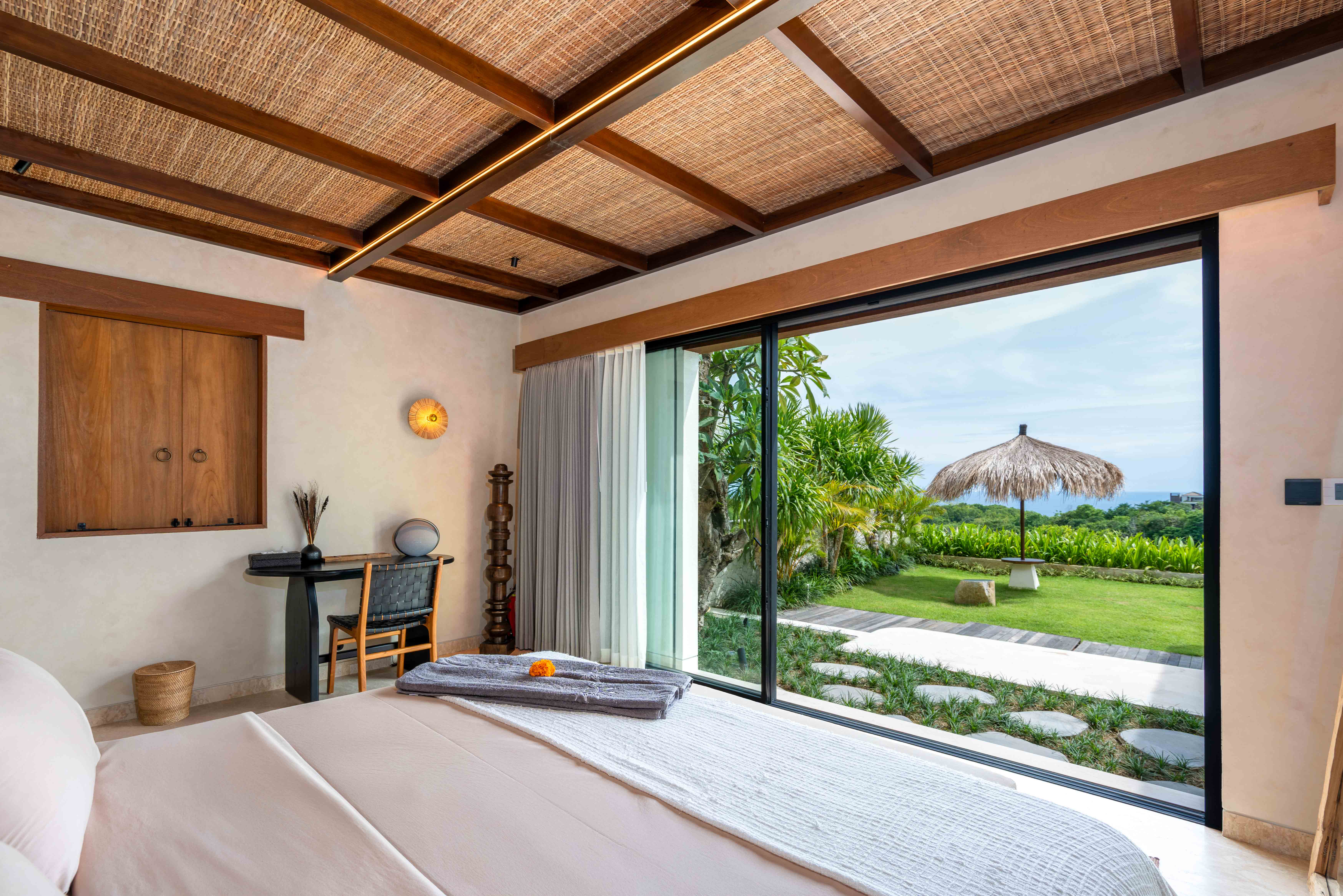
The multi-level silhouette of the estate descends the cliff in a series of deliberate steps. This cascading structure allows every principal room to maintain a direct visual connection with the ocean. The use of floor-to-ceiling glass walls serves to dissolve the boundary between the interior and the external environment, turning the Indian Ocean into a permanent architectural element.
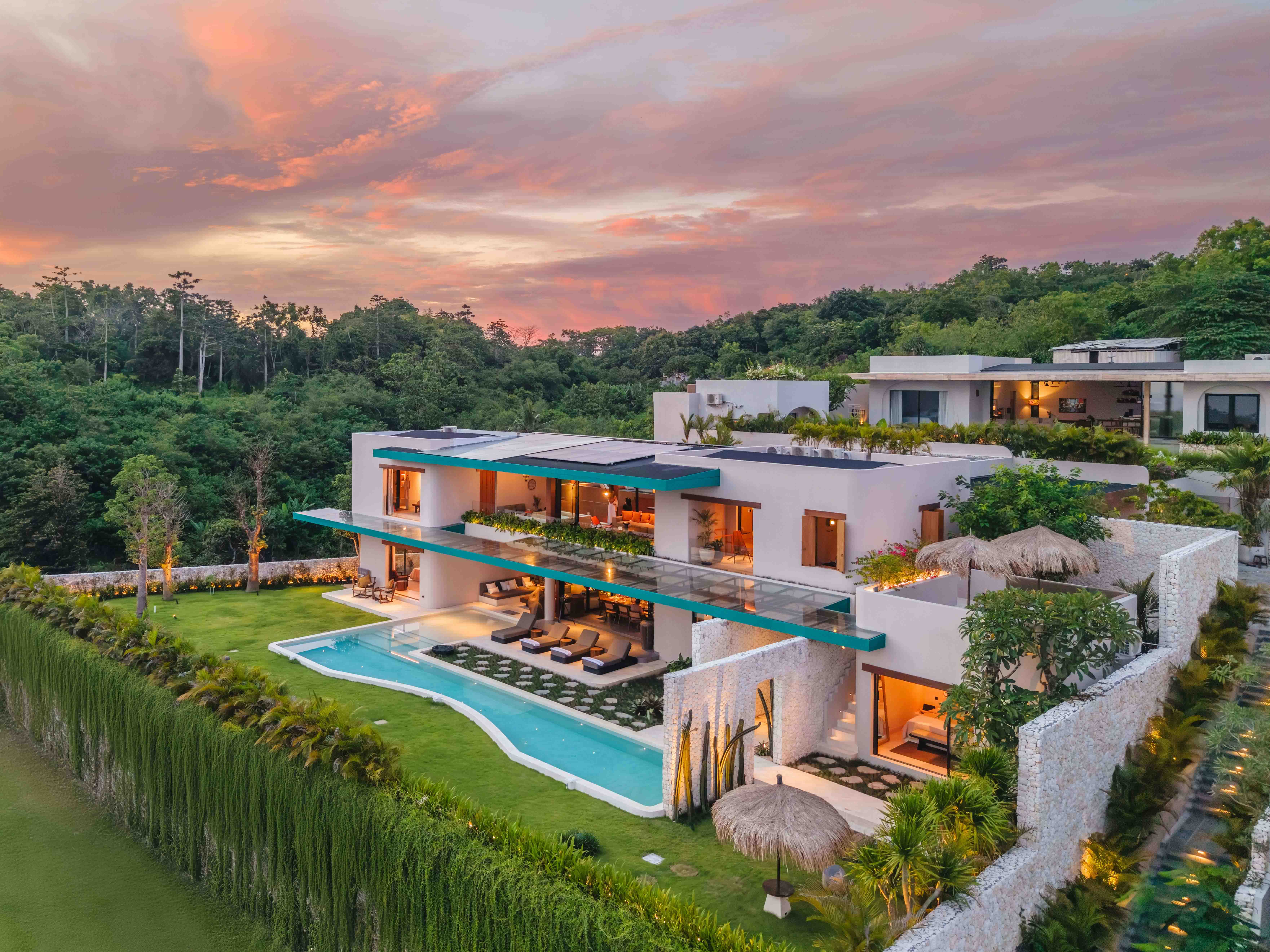
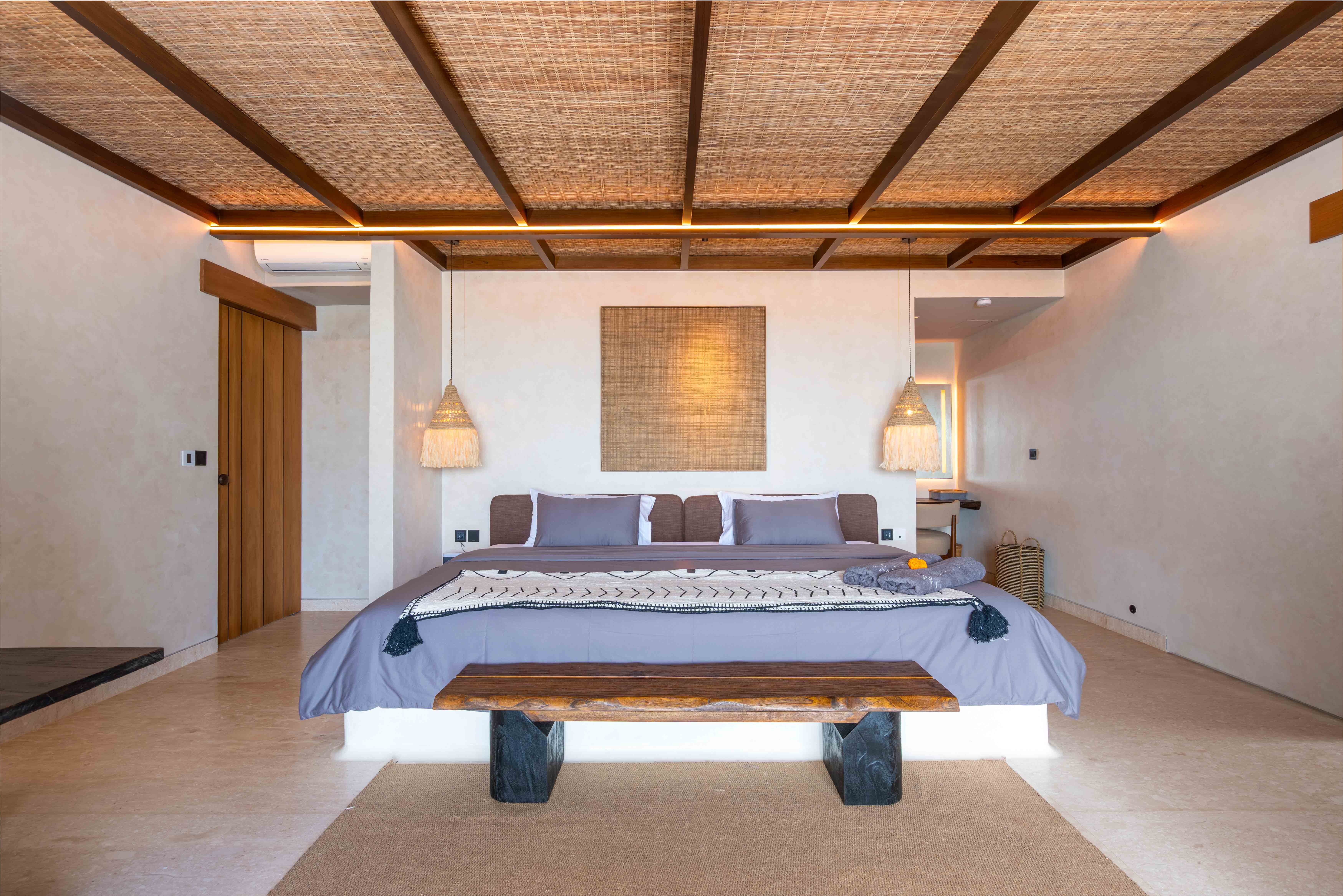
Materiality plays a critical role in the estate’s sense of permanence. Rather than relying on ephemeral decorative trends, the developers utilized a palette of teak, marble, onyx, rattan, and brass. These materials were selected for their ability to age gracefully in a maritime environment. Hand-carved teak elements and custom-designed marble fixtures provide a tactile weight to the spaces, balancing the ethereal quality of the Mediterranean-inspired white walls. The result is an environment that feels collected and curated rather than merely decorated—a key requirement for the modern luxury traveler seeking authenticity over artifice.
Chronology of Development and Operational Philosophy
The development of Amarta Azul followed a rigorous timeline focused on site-specific engineering. Building on a volcanic cliff requires specialized structural considerations to ensure stability while minimizing the impact on the natural rock formation. Following the completion of the structural phase, the interior integration focused on creating a seamless flow between the four bedroom suites and the communal living areas.
Operationally, Amarta Azul has adopted a service model that mirrors the "invisible service" found in top-tier European estates. Upon arrival, guests find a fully staffed environment where the traditional friction of hospitality is removed. The staff—including a private chef and a dedicated concierge—operates on an intuitive basis.
The gourmet kitchen, a central hub of the estate, is connected to the upper dining areas via a hidden dumbwaiter. This allows for a "choreography of service" where meals appear with minimal interruption to the guests’ privacy. This operational choice reflects a broader trend in luxury travel: the shift from "conspicuous service" to "intuitive seclusion." For the UHNW demographic, the luxury of time and the absence of an imposed schedule are often more valuable than traditional hotel amenities.
The Wellness Loft and the Integration of Physical Recovery
As global travel trends increasingly lean toward "wellness tourism"—a sector valued at approximately $650 billion globally—Amarta Azul has integrated comprehensive recovery facilities into its primary footprint. The first floor houses a dedicated wellness loft, designed to take advantage of the natural ocean breezes for ventilation.
The facility includes:
- A Sea-Facing Gym: Equipped with high-end resistance and cardio machinery, positioned to provide panoramic views during exercise.
- Infrared Sauna: Utilizing light-based heat to promote deep tissue recovery and detoxification, a feature increasingly requested by health-conscious travelers.
- In-Villa Treatment Spaces: Where the concierge can arrange for specialized massage and holistic therapies, removing the need for guests to travel to external spas.
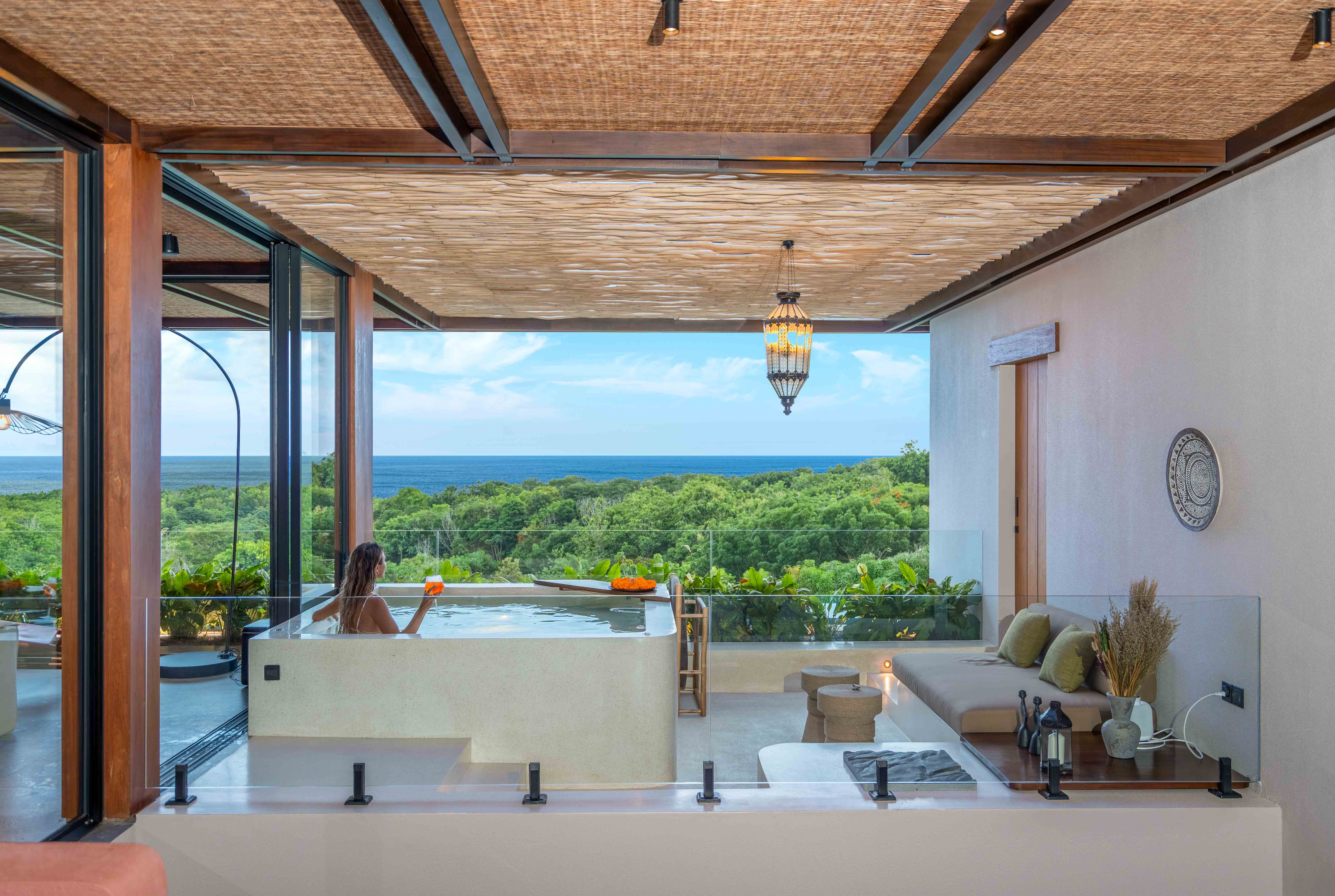
A centerpiece of the estate’s outdoor offering is the glass-fronted, heated panoramic jacuzzi. Suspended over the cliff edge, the jacuzzi creates a visual infinity effect with the turquoise waters below. This feature is particularly significant given Bali’s cooler evening temperatures on the Bukit, allowing for year-round use of the outdoor spaces regardless of the hour.
Intelligence and Sustainability: The Technological Fabric
Beyond its aesthetic appeal, Amarta Azul incorporates a sophisticated technological infrastructure designed to be felt rather than seen. The "intelligent fabric" of the home includes automated lighting systems that adapt to the time of day and a premium sound system that maintains acoustic fidelity across both indoor and outdoor zones.
However, the estate’s most significant technological investments are in the realm of sustainability. Bali has faced well-documented challenges regarding water security and waste management. In response, Amarta Azul has implemented:
- Solar Energy Integration: Offsetting the estate’s carbon footprint and providing a reliable power source in a region where the grid can be inconsistent.
- Rainwater Harvesting: A critical feature for the Bukit Peninsula, which receives less rainfall than the rest of Bali.
- Advanced Water Purification: The estate features a system that delivers drinking-quality water directly from the taps, significantly reducing the reliance on single-use plastics—a major environmental concern for the island.
These features demonstrate that sustainability in the ultra-luxury sector has moved from being a "performative" add-on to a core requirement of high-end residential design.
Market Context and the Future of Pecatu
The launch of Amarta Azul comes at a time when Bali’s tourism numbers are seeing a robust recovery. According to data from the Bali Central Bureau of Statistics, foreign arrivals have trended toward pre-pandemic levels, but with a notable increase in the "quality over quantity" segment. High-end private estates are seeing higher occupancy rates as travelers seek "pod-style" accommodation that allows for social distancing and total control over their environment.
The Pecatu clifftop corridor is now often compared to the French Riviera or the Amalfi Coast in terms of its global standing. The presence of estates like Amarta Azul reinforces this comparison. By offering a product that combines international design standards with the specific cultural and natural beauty of Bali, the estate sets a new benchmark for what is possible in the private rental market.
Conclusion: The Luxury of Disappearing
In the final analysis, Amarta Azul is a response to the modern paradox of travel: the desire to be connected to the world’s most beautiful places while remaining entirely disconnected from the stresses of modern life. The estate does not need to advertise itself through traditional channels; its value proposition is built into the silence of its clifftop location and the precision of its service.
As Bali continues to evolve, the preservation of "untouched" clifftop experiences will become increasingly difficult. Amarta Azul stands as a guardian of this experience, offering a sanctuary where architecture, landscape, and silence converge. For the few who occupy its suites, the estate offers more than just a view; it offers a rare opportunity to exist within the rhythm of the ocean, supported by a structure that is as much a piece of art as it is a residence. Departure from such a place, as the estate’s own philosophy suggests, feels less like the end of a holiday and more like a retreat from a superior way of living.