
 By Nana Wu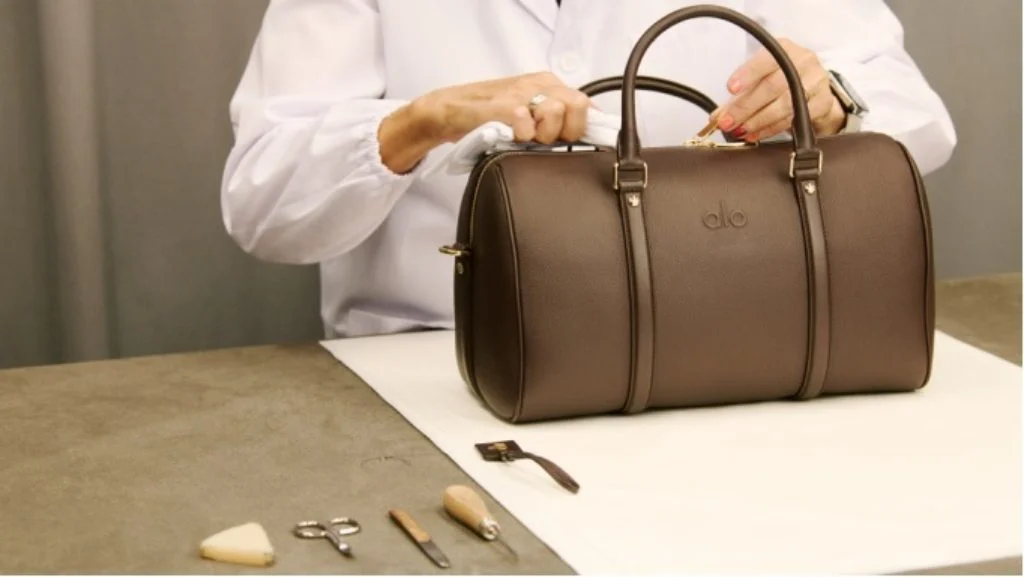
California-based lifestyle brand Alo Yoga has officially announced its strategic expansion into the high-end accessory market, unveiling a new collection of Italian-made leather handbags that signals a significant shift in the company’s market positioning. Moving beyond its established reputation as a premier purveyor of performance-based yoga apparel and "athleisure" attire, the brand is now targeting the ultra-luxury sector with a price point ranging from $1,200 to $3,600. The debut collection features three distinct silhouettes, each designed to bridge the gap between functional wellness lifestyles and the traditional luxury fashion industry. This move places Alo Yoga in direct competition with established European fashion houses, reflecting a broader trend where wellness and high-end fashion increasingly intersect.
The decision to manufacture these goods in Italy is a calculated move to ensure the craftsmanship meets the expectations of the luxury consumer. By utilizing Italian leather and artisanal production methods, Alo is attempting to justify a price tag that is significantly higher than its core apparel line, where leggings typically retail between $100 and $130. The collection represents the culmination of several years of brand evolution, transitioning from a fitness-focused company to a holistic lifestyle ecosystem that encompasses skincare, supplements, and now, high-fashion accessories.
The Philosophy of Luxury Wellness and Market Positioning
The strategic impetus behind the launch was articulated by Alo co-founder and CEO Danny Harris, who views the move into high-end accessories as a natural progression for the brand. Speaking to Vogue, Harris emphasized that the traditional definitions of luxury are shifting away from hedonism and toward mindfulness and physical health. Harris noted that the modern affluent consumer is prioritizing mental wellness and physical fitness over traditional social markers such as nightlife or alcohol consumption.
"It’s the perfect progression for Alo to be able to move into this category," Harris stated. "Health is wealth. Health is luxury wellness, mindfulness, mental wellness. This is the future. Our community, our culture, is not necessarily going out to clubs and drinking. We’re not hanging out at the café sipping a martini and carrying a handbag. We’re at a Pilates studio, or we’re setting an intention in our yoga class and focusing on our health and wellness—and carrying a handbag."
This "Health is Wealth" philosophy underscores a significant demographic shift. Alo’s core consumer base consists of individuals who view their workout routine as a social and status-driven activity. By providing a $3,600 handbag designed to be carried to a Pilates session or a yoga class, Alo is tapping into the "quiet luxury" trend—a movement characterized by high-quality materials and understated branding, where the value is recognized by those within the same social or cultural circle.
Launch Timeline and Multi-Channel Distribution Strategy
The rollout of the handbag collection follows a meticulously planned timeline designed to generate exclusivity and anticipation. The brand has scheduled the official campaign launch and the opening of pre-orders for September 9th. This initial phase will be supported by a high-production marketing campaign aimed at establishing the visual language of Alo’s luxury identity.
Following the pre-order period, the bags will become physically available for purchase on September 22nd. However, in a move to maintain brand prestige, the physical release will be limited to 23 select retail locations globally. These locations have been chosen based on their high-net-worth foot traffic and their status as global fashion hubs. Key stores include:
- Beverly Hills: The brand’s flagship presence in a region synonymous with luxury and wellness culture.
- SoHo, New York: A critical hub for contemporary fashion and high-end retail.
- Aspen: A location that caters to the elite seasonal traveler who prioritizes outdoor activity and luxury.
- Regent Street, London: Marking the brand’s significant expansion into the European market.
For consumers unable to visit these physical locations, Alo is implementing a "concierge-style" online experience. This digital strategy departs from standard e-commerce protocols, likely involving personalized customer service, white-glove delivery options, and exclusive digital consultations. This approach is intended to replicate the high-touch service found in luxury boutiques, ensuring that the online purchasing process aligns with the premium nature of the product.
Economic Context and the Growing Luxury Wellness Market
Alo Yoga’s entry into the luxury bag market comes at a time when the global luxury goods market is experiencing a period of transformation. While traditional luxury sales have seen fluctuations due to global economic cooling, the "wellness" sector continues to expand. According to data from the Global Wellness Institute, the wellness economy is projected to reach nearly $7 trillion by 2025.
By positioning a leather handbag within this wellness framework, Alo is leveraging the resilience of health-conscious spending. Market analysts suggest that consumers who are willing to spend $30 per class for specialized fitness sessions and $10 for cold-pressed juices are the same demographic willing to invest in accessories that signal their commitment to that lifestyle.
Furthermore, the price range of $1,200 to $3,600 places Alo in a unique competitive bracket. It sits above "accessible luxury" brands like Coach or Michael Kors, but remains more attainable than the entry-level offerings of heritage brands like Hermès or Chanel. This "new luxury" tier allows Alo to capture the spending power of upper-middle-class and high-net-worth individuals who are looking for modern alternatives to traditional status symbols.
Strategic Background: The Evolution of Alo Yoga
Founded in 2007 by Danny Harris and Marco DeGeorge, Alo Yoga began as a brand focused purely on the technical needs of yoga practitioners. Over the last decade, however, the brand has successfully navigated the "athleisure" boom, largely through a sophisticated social media strategy and high-profile celebrity endorsements. Figures such as Kendall Jenner, Gigi Hadid, and Taylor Swift have frequently been photographed in Alo attire, helping the brand transition from the yoga mat to the street.
The move into leather goods is the most aggressive step yet in the brand’s diversification. In recent years, Alo has launched "Alo Glow System," a clean beauty and skincare line, and "Alo Moves," a digital fitness platform. These ventures have transformed Alo into a multi-dimensional brand that occupies various facets of a consumer’s daily life. The introduction of Italian leather bags suggests that the brand no longer sees itself as a fitness apparel company, but as a direct competitor to lifestyle conglomerates like LVMH or Kering, albeit with a foundation in wellness rather than couture.
Industry Implications and Competitive Landscape
The fashion industry is closely watching Alo’s transition to see if a brand rooted in performance gear can successfully command the margins of a luxury house. Historically, the transition from "gym wear" to "high fashion" has been difficult. While brands like Lululemon have experimented with higher-priced items and footwear, they have largely remained within the athletic sphere.
Alo’s strategy differs by leaning into the "made in Italy" heritage, a hallmark of the luxury industry. This choice addresses potential skepticism regarding the quality of a bag produced by a yoga company. By aligning with Italian craft, Alo is borrowing the credibility of traditional luxury to bolster its own brand equity.
Potential challenges include:
- Brand Perception: Convincing traditional luxury buyers that a brand famous for leggings can produce a "heritage" bag.
- Inventory Management: Managing the high costs of leather goods production compared to synthetic athletic fabrics.
- Retail Experience: Ensuring that staff in 23 locations can provide the level of service expected for a $3,600 purchase.
However, the "concierge" model for online sales indicates that Alo is prepared to invest in the operational infrastructure required for high-end retail. If successful, this move could provide a blueprint for other wellness-oriented brands to move upmarket, further blurring the lines between the fitness studio and the fashion runway.
Broader Impact on Retail and Consumer Behavior
The launch of the Alo leather bag collection reflects a broader societal shift where "wellness" is the ultimate luxury. In previous decades, luxury was defined by exclusivity and leisure. In the 2020s, luxury is increasingly defined by the ability to maintain one’s health and mental clarity.
The "Pilates-to-boardroom" lifestyle that Harris describes is a real phenomenon among urban professionals. For this demographic, the handbag is not just an accessory but a tool that facilitates a seamless transition between various high-performance environments. By designing a bag that fits this specific cadence of life, Alo is fulfilling a niche that traditional luxury houses—which often focus on evening wear or formal aesthetics—may have overlooked.
As the September 9th pre-order date approaches, the industry will be looking for signs of consumer appetite. High engagement and a rapid sell-through of the initial stock would validate Harris’s vision and likely lead to an expansion of the accessory line. For now, Alo Yoga has set the stage for a bold experiment in brand elevation, testing the limits of how far a wellness brand can travel into the world of elite fashion.