
 By Jia Lissa
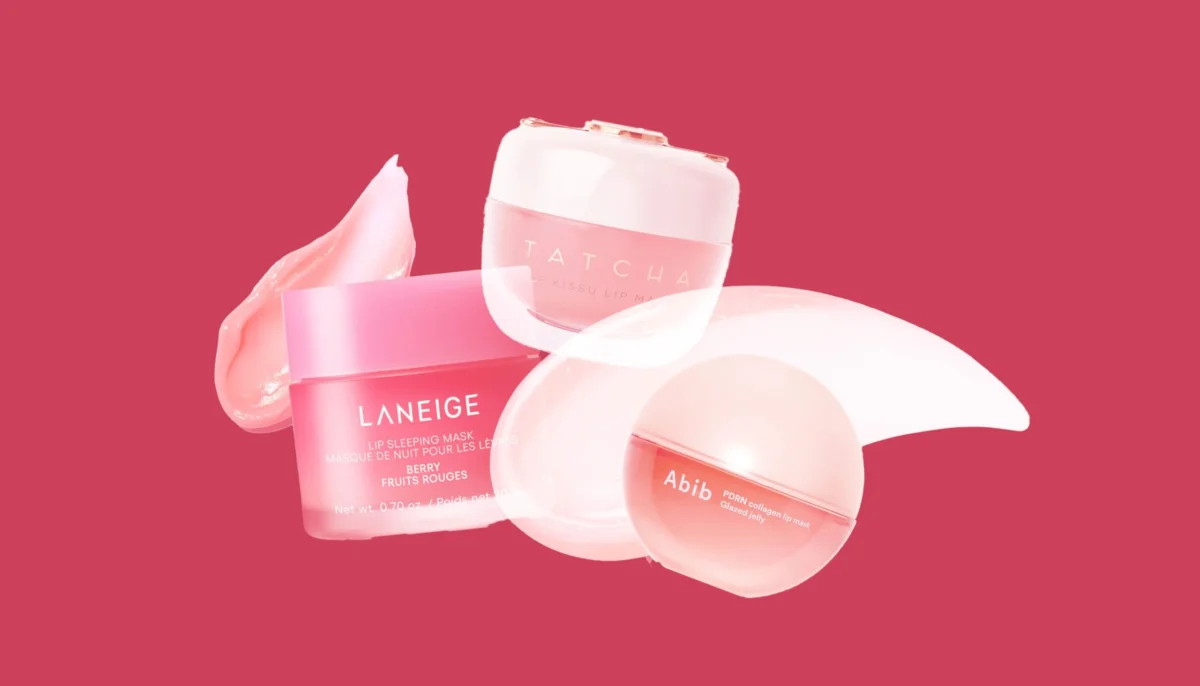
The delicate skin on our lips, uniquely different from the rest of our facial epidermis, is inherently prone to dryness and chapping. This vulnerability stems from a fundamental biological distinction: lips lack sebaceous oil glands, the tiny structures responsible for producing sebum, the skin’s natural lubricant. "Lips don’t have oil glands, so they dry out easily," explains Anna Karp, MD, a board-certified dermatologist based in New York City. This absence of natural moisture, coupled with a thinner stratum corneum (the outermost layer of skin), makes them susceptible to a myriad of environmental and behavioral triggers.
Dr. Karp identifies a spectrum of factors contributing to this common dermatological concern. Cold, arid weather strips moisture from the skin, while harsh winds can exacerbate dryness and lead to irritation. Prolonged sun exposure, particularly without adequate protection, can cause sunburn and subsequent peeling. The seemingly innocuous habit of licking one’s lips, while offering temporary relief, actually worsens the condition. As saliva evaporates, it draws more moisture away from the skin, creating a cycle of dryness and increased licking. Dehydration, a systemic issue affecting overall skin health, also manifests on the lips, diminishing their plumpness and increasing their susceptibility to cracking.
Certain medications can also play a significant role. Isotretinoin, a potent medication often prescribed for severe acne, is notorious for its drying side effects, frequently impacting the lips. Furthermore, allergens and irritants present in everyday products like toothpaste or lip cosmetics can trigger allergic reactions or direct irritation, leading to dryness, redness, and discomfort. Understanding these underlying causes is the crucial first step in developing effective strategies for lip care.
Differentiating Lip Masks and Lip Balms: A Comparative Analysis
In the realm of lip care, both lip masks and lip balms aim to hydrate and protect, but they are designed with distinct purposes and application methods in mind. Lip balms are generally formulated for consistent, all-day wear. Their texture is typically lighter, allowing for easy application and reapplication throughout the day, providing a protective barrier against environmental stressors and preventing moisture loss. Think of them as your daily essential, akin to a light moisturizer for your face, providing ongoing support and comfort.
Lip masks, on the other hand, are often engineered for more intensive, overnight treatment. They tend to feature richer, more occlusive ingredients, such as petrolatum, which create a stronger seal to lock in moisture and facilitate deeper repair. "Think of balms as your daytime moisturizer and lip masks as your nighttime recovery cream," suggests Hallie McDonald, MD, a board-certified dermatologist and co-founder of ERALY. This concentrated approach allows the ingredients to work their magic while you sleep, addressing more significant dryness, chapping, or flaking. However, Dr. McDonald also notes that if an everyday balm possesses a particularly rich and emollient consistency, it can effectively serve a similar overnight restorative purpose.
The key distinction lies in their intensity and intended duration of use. Balms offer continuous, lighter protection, while masks provide a more potent, time-limited treatment for enhanced recovery. The choice between the two, or a combination of both, often depends on the severity of the lip condition and individual preferences.
The Strategic Role of Lip Masks in a Comprehensive Lip Care Regimen
While lip balms are a staple for daily maintenance, lip masks emerge as a valuable intervention, particularly during periods of heightened lip vulnerability. They are especially beneficial when individuals experience seasonal dryness, increased chapping, or noticeable flaking. These issues can arise at any time, for a multitude of reasons, including environmental assaults such as sun damage, allergic sensitivities, or habitual lip-damaging behaviors like biting or picking at the skin.
Similar to lip balms, lip masks primarily leverage moisturizing ingredients to combat dryness. However, their formulations are often more concentrated, designed to deliver more potent smoothing and plumping effects in a shorter timeframe than a typical balm. This concentrated power makes them an ideal solution for rapid repair and rejuvenation.
In some instances, incorporating a lip scrub into the routine can enhance the efficacy of a lip mask. A gentle scrub can effectively slough away dead skin cells that might otherwise impede the absorption of moisturizing ingredients. This occasional exfoliation, performed as needed when flakes are visible, helps maintain smooth lips and supports the integrity of the moisture barrier. Nevertheless, it is crucial to prioritize hydration and barrier repair when lips are visibly chapped. Over-exfoliation on already compromised skin can lead to further irritation and delayed healing. Therefore, a mindful approach, balancing exfoliation with intensive moisturizing, is key.
Key Ingredients Driving Lip Mask Efficacy
The therapeutic power of lip masks is largely attributed to their carefully selected ingredient profiles. Emollients, such as ceramides and fatty acids, are frequently at the forefront, playing a critical role in softening and smoothing the lip’s surface. Ceramides, a type of lipid naturally found in the skin, are essential for forming the skin’s barrier and retaining moisture. Fatty acids, another component of the skin’s lipid matrix, contribute to suppleness and prevent water loss.
Beyond these foundational emollients, many lip masks incorporate active ingredients designed for targeted benefits, mirroring the advanced formulations found in facial skincare. Some masks are engineered to provide gentle exfoliation, effectively dissolving flakes and revealing smoother skin beneath. Others are formulated with ingredients that offer a subtle plumping effect, enhancing the lips’ natural fullness. Certain advanced formulas may even stimulate collagen production, aiming to address the appearance of fine lines that can form around the mouth over time. These diverse formulations allow consumers to select masks that align with their specific lip concerns, whether it’s intense hydration, exfoliation, or anti-aging benefits. The versatility of these treatments means they can be applied during sleep, during a commute, or at any moment requiring a boost of long-lasting hydration and repair.
Rigorous Testing and Editorial Standards: Ensuring Product Quality
The efficacy and quality of beauty products, including lip masks, are meticulously evaluated through a comprehensive testing and review process, as exemplified by the standards set by publications like Allure. When editors assess a product, they adopt a multi-faceted approach, examining every aspect to provide consumers with reliable guidance. This process involves a thorough review of ingredient lists, scrutinizing brand claims against scientific evidence, and, when necessary, consulting peer-reviewed scientific and medical studies.
Beyond laboratory analysis, hands-on product testing is paramount. Each product included in a review undergoes rigorous testing by the editorial team. Furthermore, the expertise of specialists in fields such as dermatology, cosmetic chemistry, and medicine is enlisted to vet ingredients and formulations. This collaborative approach ensures that recommendations are grounded in both scientific understanding and practical application.
For curated lists of recommended products, such as the best lip masks, performance is evaluated across several key categories: ingredient efficacy, packaging design, fragrance profile, texture and feel, and overall product wear. Every product considered for inclusion must demonstrate excellence in each of these areas. This thorough evaluation is conducted by a diverse editorial team, comprising in-house writers and editors, as well as external contributors, with special consideration given to insights from dermatologists. For those interested in the detailed methodology behind these assessments, comprehensive reviews processes and methodologies are typically made available.
Building Trust Through Diverse Testing and Expertise
The personal nature of beauty purchases necessitates a commitment to representing a wide range of consumer needs and preferences. Whether an individual seeks a face cream to combat persistent dryness, a new nail product for a self-care ritual, or the latest hair product launches, the goal remains to ensure satisfaction with every recommendation. Allure believes that achieving this objective hinges on the diversity of its testing panel and the breadth of expertise it draws upon.
A truly comprehensive evaluation of a skincare product, for instance, cannot rely solely on the opinions of individuals within a narrow age demographic. Similarly, deeming a high-end diffuser worthy of investment requires testing by individuals with various hair types and textures. Allure prides itself on its staff, which spans a wide range of ages, skin tones, hair textures, genders, and backgrounds. This inherent diversity allows for a fair and balanced assessment of virtually any beauty product that enters their review process, ensuring that recommendations are relevant and trustworthy for a broad audience. This commitment to inclusivity in testing is fundamental to their mission of guiding consumers toward products that genuinely meet their individual needs and concerns.
