
 By admin

The intersection of high-stakes social events and functional intimate apparel was recently highlighted during a series of observations regarding the bridal preparations for the wedding of Maria Lewis, where the performance of wire-free foundation garments became a focal point of discussion among industry experts and consumers alike. The event served as a practical field test for the Evelyn & Bobbie product line, specifically the Defy, Evelyn, and Structured Scoop models, which were utilized by attendees to manage the rigors of a multi-stage wedding itinerary. As the intimate apparel industry continues its pivot toward "comfort-first" engineering, the spontaneous adoption of these specific silhouettes by individuals with deep industry knowledge provides a significant case study in brand loyalty and product efficacy. This shift reflects a broader macroeconomic trend in the global lingerie market, which is increasingly dominated by wireless technology and inclusive sizing.
The Chronology of the Wedding Morning and Apparel Requirements
The logistical complexity of a modern wedding morning requires apparel that can transition through various levels of physical activity and emotional stress. The timeline for the Lewis wedding preparations began in the early morning hours, creating a high-demand environment for foundation garments.
- 07:00 AM – Arrival and Logistics: The morning commenced with the arrival of vendors and family members at the preparation site. This phase involved physical labor, including the organization of catering (bagels and muffins) and the setup of photography equipment. During this period, the "Defy" bra was noted for its utility in providing "second-skin" comfort during active movement.
- 09:00 AM – The Groom’s Arrival and Photography: As the groom and additional family members arrived, the environment transitioned into a high-visibility zone. The presence of professional photographers necessitated garments that provided a polished silhouette under casual "getting ready" attire without the visible lines associated with traditional underwire bras.
- 10:30 AM – The "Bra Subject" Discussion: Amidst the application of hair and makeup, a spontaneous consensus emerged among the sisters of the mother of the bride—Beth, Carla, and Ellen Lewis. Despite the lack of a coordinated marketing effort, each individual had independently selected an Evelyn & Bobbie garment. This moment served as a qualitative data point regarding the brand’s market penetration among demographic groups that prioritize both support and ease of wear.
- 12:00 PM – Transition to Formal Wear: The final phase of the morning involved transitioning from casual preparation wear to formal evening gowns. This required a shift to specialized garments, such as the "Structured Scoop," which features adjustable straps and a refined neckline suitable for diverse dress silhouettes.
Technical Analysis of Featured Evelyn & Bobbie Silhouettes
The Evelyn & Bobbie brand, founded by Bree McKeen, has gained significant traction by utilizing advanced materials science to replace traditional metal underwires with patented "EB Core" technology. The three models identified during the event represent the core pillars of the brand’s engineering philosophy.
The Defy Wireless Bra: The Utility Standard
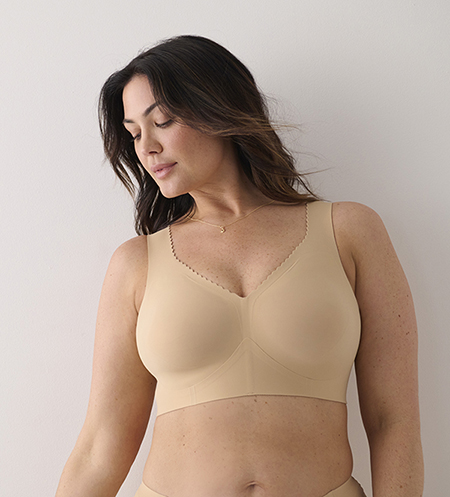
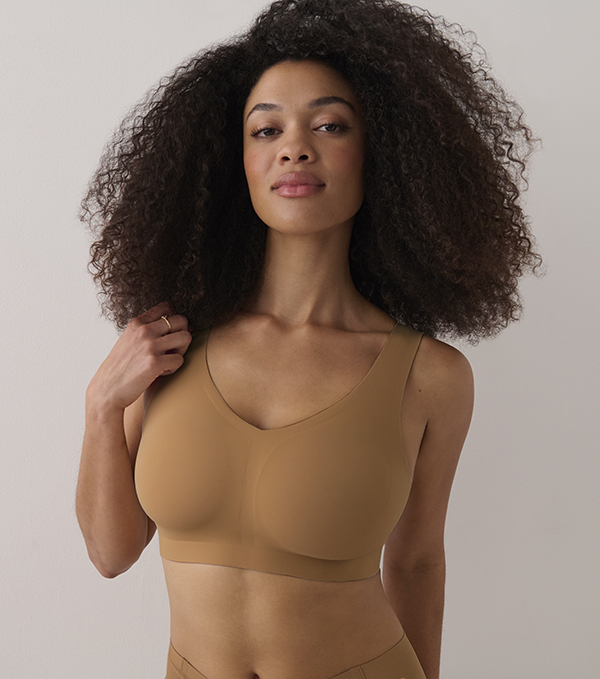
The Defy model is engineered for maximum surface area coverage and pressure distribution. Its design features wide straps and a tall back wing, which minimizes localized pressure on the trapezius muscles and prevents the "digging" sensation common in narrow-strap bras. In a professional context, the Defy is categorized as a "smoothing" bra, utilizing a bonded construction rather than traditional seams to ensure invisibility under thin fabrics. Its performance during the wedding morning highlights its role as a high-activity garment that maintains support without requiring manual adjustment.
The Evelyn Wireless Bra: Structural Innovation and Post-Surgical Utility
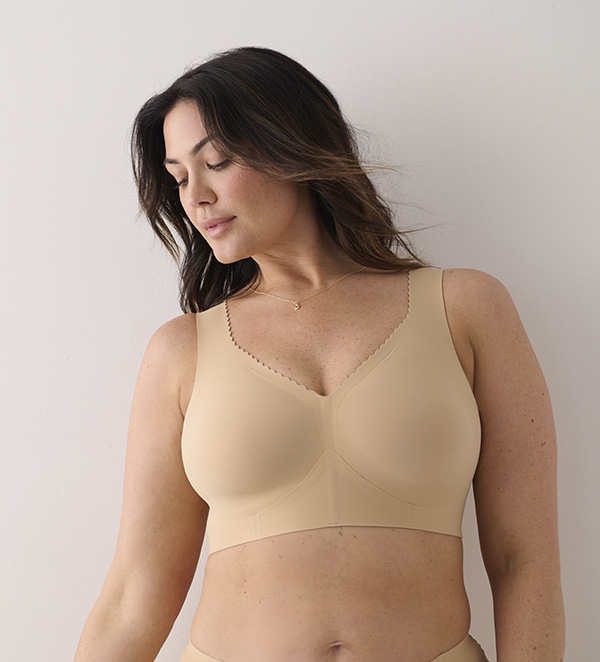
The Evelyn model offers a more "architectural" approach to wireless support. It features a deeper V-neckline and a more defined separation of the bust, which provides the "uplift" typically associated with wire-based garments. Notably, this model has been recognized within the medical community as a viable option for post-surgical recovery due to its soft-touch fabric and lack of irritating hardware. For the user, it provides a balance between the aesthetic requirements of a formal event and the comfort required for a fourteen-hour day.

The Structured Scoop: The Versatility Factor
The Structured Scoop represents a hybrid in the Evelyn & Bobbie lineup, incorporating adjustable straps—a feature often absent in seamless, pull-over styles. This adjustability allows for a customized fit that can accommodate different torso lengths and breast volumes. In the context of a wedding, where necklines range from scoop to square, the low-profile silhouette of this bra makes it an "MVP" (Most Valuable Player) in a versatile wardrobe. It addresses the common consumer complaint that wireless bras often lack the customization needed for tailored clothing.
Market Context and Data Supporting the Wireless Shift
The preference for Evelyn & Bobbie products observed during the Lewis wedding reflects a significant upheaval in the global intimate apparel market. According to market research data from firms such as Grand View Research and Allied Market Research, the global wireless bra market is projected to grow at a compound annual growth rate (CAGR) of approximately 6.5% through 2030.
Several factors contribute to this growth:
- The "Athleisure" Influence: The rise of performance-wear has conditioned consumers to expect moisture-wicking fabrics and four-way stretch in all categories of clothing.
- Demographic Shifts: Millennials and Gen X consumers are increasingly prioritizing physical health and comfort over traditional "push-up" aesthetics.
- Technological Advancement: The development of 3D-molded cups and bonded stabilizers has allowed brands like Evelyn & Bobbie to provide support for larger cup sizes (up to H and I cups) without the use of metal.
Data suggests that once a consumer transitions to a high-performance wireless bra, the "return rate" to traditional underwire products is less than 25%. This explains the "testimonial" effect observed among the sisters at the wedding; the adoption of the product was not a result of a specific marketing campaign, but a result of consistent performance in daily life.
Statements and Industry Implications
While no official corporate statement was issued regarding this specific private event, industry analysts suggest that "organic adoption" by experts like Ellen Lewis—a veteran in the lingerie field—carries more weight than traditional celebrity endorsements. Lewis, who has documented the "bra that saved the day" in previous reports, noted that the reliability of the brand stems from its ability to "deliver on its promise."
The implications for the bridal industry are particularly noteworthy. Historically, bridal foundations were characterized by restrictive corsetry and heavily boned longline bras. However, the modern bride and her bridal party are increasingly opting for garments that allow for full range of motion and long-term wearability. The fact that the "aunts" of the bride—individuals who are often tasked with the heavy lifting of wedding logistics—unanimously chose Evelyn & Bobbie suggests a shift in the "uniform" of the wedding support team.
Broader Impact on the Intimate Apparel Landscape
The success of brands like Evelyn & Bobbie signals a move toward "inclusive engineering." Rather than simply scaling up a small bra design to fit a larger body, these products are designed from the ground up to handle the physics of weight and gravity. The "Defy" and "Evelyn" models, in particular, utilize graduated compression to lift the bust from the bottom and sides, distributing the weight across the back rather than the shoulders.
This shift has forced legacy brands to reconsider their product pipelines. The "Victoria’s Secret era" of padding and wires is being replaced by a "Functionality era" where the garment’s value is measured by how little the wearer notices it. As Beth, Carla, and Ellen Lewis demonstrated, the ultimate endorsement of a modern bra is its "forgettability"—the ability of the garment to perform its structural duty so effectively that it remains a background element during one of life’s most significant milestones.
In conclusion, the presence of Evelyn & Bobbie at the Lewis wedding serves as a microcosm of the current state of the lingerie industry. It highlights a move away from performative aesthetics toward practical, science-based design. For the consumer, the takeaway is clear: the modern wardrobe is built on foundations that offer "grit" and reliability, ensuring that even in the midst of the "anticipatory vibe" of a wedding morning, the focus remains on the celebration rather than the discomfort of the apparel.
