
 By Eva Lovia
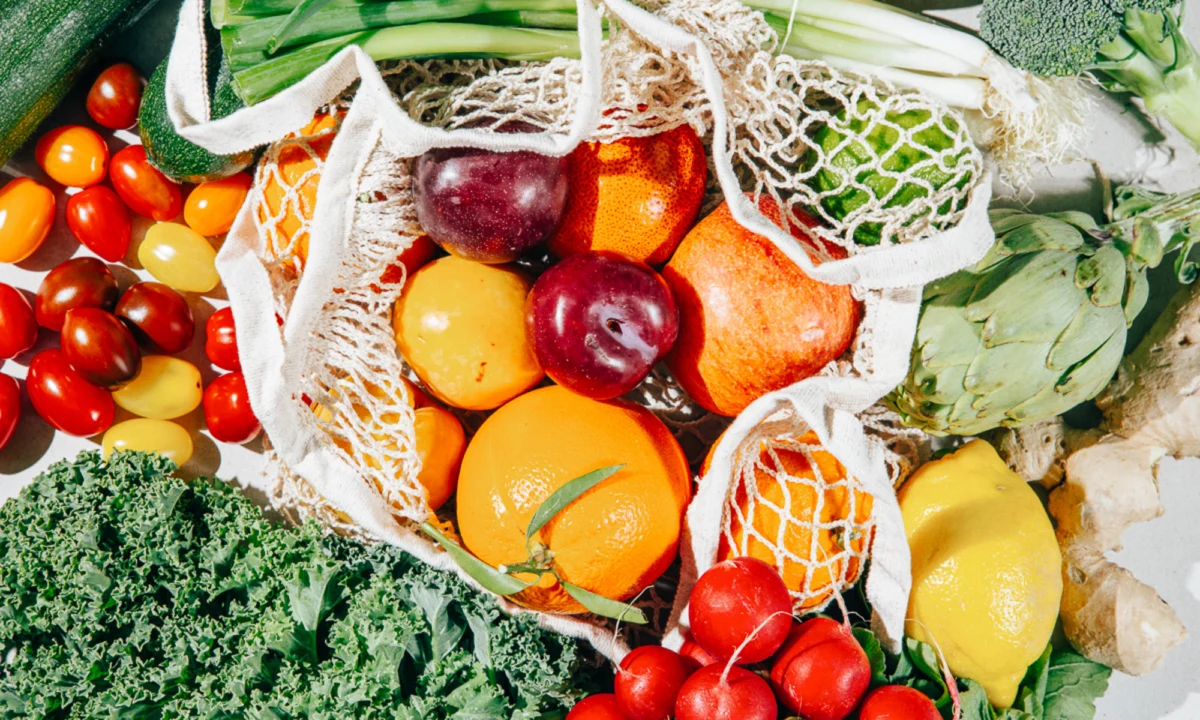
The intricate connection between dietary choices and long-term health is increasingly being illuminated by scientific research, with new findings suggesting that the composition of our blood may offer a revealing snapshot of our nutritional habits and even our potential for healthy aging. A recent study, published in the esteemed journal Springer on September 29, 2026, delves into this complex relationship, analyzing the bloodwork of older adults in conjunction with their dietary patterns to uncover significant associations with markers of metabolic, inflammatory, and brain health. This research provides compelling evidence that what we eat directly impacts our internal biological processes, offering valuable insights for those seeking to optimize their well-being as they age.
The study, conducted by a team of international researchers, drew upon data from the Swedish National Study on Aging and Care (SNAC), a longitudinal cohort that has been meticulously tracking the health and lifestyle of its participants for many years. Specifically, the analysis encompassed 1,769 individuals aged 60 and above, providing a robust sample size for examining the nuances of diet and health markers in a mature population. The researchers moved beyond simplistic dietary categorizations, employing three established scoring systems to capture the multifaceted nature of diet quality. These systems, including the Alternative Mediterranean Diet score and the Alternative Healthy Eating Index, allowed for a more granular assessment of participants’ adherence to various nutrient-rich eating patterns.
Participants were assigned scores based on how closely their self-reported food intake aligned with the established dietary guidelines of these scoring systems. These scores were then cross-referenced with an extensive panel of 54 blood markers. These markers were carefully selected to represent key physiological areas, including metabolism (e.g., insulin, leptin), inflammation (e.g., white blood cells, TNFRSF1B), the health of blood vessels, and indicators of neurological function (e.g., GFAP). To ensure the accuracy and reliability of the findings, the researchers rigorously controlled for a range of confounding factors. These included demographic variables such as age and sex, lifestyle choices like smoking status and physical activity levels, educational attainment, and overall calorie consumption. This comprehensive approach aimed to isolate the specific impact of dietary patterns on the observed blood markers.
Unveiling the Dietary-Blood Marker Nexus
The findings from this extensive analysis revealed a series of significant associations, demonstrating a clear link between healthier dietary patterns and more favorable blood profiles. The strength and nature of these associations varied depending on the specific dietary scoring system used, underscoring the complex interplay of nutrients and biological responses.
One of the most striking observations was the correlation between higher scores on the Alternative Mediterranean Diet and the Alternative Healthy Eating Index and elevated levels of folic acid. Folic acid, a crucial B vitamin, plays a vital role in DNA synthesis and repair, processes fundamental to cellular health and longevity. This suggests that adherence to these well-regarded dietary patterns can bolster the body’s capacity for cellular maintenance.
Furthermore, a higher adherence to the Mediterranean-style diet was associated with lower levels of Glial Fibrillary Acidic Protein (GFAP). GFAP is a protein that is increasingly recognized as a potential biomarker for changes affecting brain cells. While the study does not establish causality, the observed association warrants further investigation into how dietary interventions might influence neurological health markers in older adults. This aligns with a growing body of research that highlights the brain-boosting potential of diets rich in fruits, vegetables, and healthy fats.

The researchers also examined the impact of dietary patterns on inflammatory markers. Individuals who scored higher on a reverse-transformed inflammatory index – indicating a diet with lower inflammatory potential – exhibited lower levels of insulin and leptin. These hormones are critical regulators of metabolism and appetite. Additionally, these individuals presented with reduced levels of several markers commonly associated with inflammation and other health challenges. These included circulating white blood cells, alkaline phosphatase, and TNFRSF1B (Tumor Necrosis Factor Receptor Superfamily Member 1B), a receptor that plays a role in inflammatory signaling pathways. The consistent reduction in these markers across a healthier dietary profile points towards the potent anti-inflammatory capabilities of certain food choices.
Another significant finding emerged concerning the protein GDF15 (Growth Differentiation Factor 15). Two different dietary scoring systems were associated with lower levels of this protein. GDF15 is known to increase under conditions of cellular stress, including when cells encounter difficulties in their function or energy production. Elevated GDF15 levels have been implicated in a variety of age-related health issues, making it a valuable indicator for researchers studying the internal biological environment. The observed dietary association with lower GDF15 levels suggests that certain dietary patterns may contribute to reducing cellular stress and promoting healthier cellular function, a cornerstone of graceful aging.
Implications for Healthy Aging and Future Research
While these findings are compelling, it is crucial to interpret them within the context of the study’s design. The researchers themselves acknowledge that the study measured diet and blood markers at a single point in time. This observational approach allows for the identification of associations but does not permit definitive conclusions about cause and effect. It is not possible, based on this research alone, to definitively state that a healthier diet causes slower aging.
The study also noted that some of the observed relationships weakened after accounting for the participants’ existing chronic disease burden. This suggests that pre-existing health conditions may play a role in mediating the connection between diet and certain blood markers. For instance, individuals with chronic inflammatory conditions might exhibit altered levels of certain blood markers regardless of their current dietary intake, even if that intake is healthy. However, this does not diminish the overall importance of the findings. Instead, it highlights the complex, multifactorial nature of aging and health.
Despite these caveats, the overarching pattern revealed by the research is undeniably valuable. The dietary scores that consistently correlated with more favorable blood markers all represented variations of nutrient-dense eating patterns. These patterns are characterized by an abundance of vegetables, fruits, legumes, whole grains, nuts, and fish. These are the very foods that are widely recognized for their broad spectrum of vitamins, minerals, fiber, and beneficial phytochemicals. The study effectively reinforces the scientific consensus that a whole-foods-based dietary approach is foundational for promoting health and well-being across the lifespan.
Practical Applications: What to Prioritize on Your Plate
For individuals looking to translate these scientific insights into actionable dietary changes, the message is clear and empowering. There is no need to become overly fixated on meticulously tracking 54 different blood markers. Instead, the focus should be on consistently incorporating the types of foods that are demonstrably linked to positive health outcomes. The research strongly advocates for a diet rich in:

- Fruits and Vegetables: Aim for a wide variety of colors to ensure a broad intake of antioxidants, vitamins, and minerals. These are the powerhouses of nutrient density and form the backbone of anti-inflammatory eating.
- Whole Grains: Opt for unrefined grains such as oats, quinoa, brown rice, and whole wheat. These provide sustained energy, fiber for digestive health, and essential B vitamins.
- Legumes: Beans, lentils, and peas are excellent sources of plant-based protein, fiber, and various micronutrients. They are versatile and can be incorporated into countless dishes.
- Nuts and Seeds: These offer healthy fats, protein, fiber, and a range of vitamins and minerals. They are excellent for snacking or adding texture and nutrients to meals.
- Fatty Fish: Salmon, mackerel, sardines, and other oily fish are rich in omega-3 fatty acids, which have potent anti-inflammatory and cardiovascular benefits.
Conversely, the research implicitly suggests a need to moderate the intake of foods that contribute to inflammation and metabolic dysregulation. While not explicitly detailed in the provided excerpt, these typically include highly processed foods, refined sugars, excessive saturated and trans fats, and red and processed meats.
A Holistic Perspective on Longevity
The takeaway from this study is that healthy aging may not hinge on the pursuit of a single "miracle" food or a restrictive fad diet. Instead, it is likely the cumulative effect of an overall eating pattern that significantly influences our long-term health trajectory. The research conducted on older adults in Sweden provides robust evidence that higher-quality diets are indeed associated with more favorable markers related to metabolism, inflammation, and brain health. This strengthens the argument for embracing a balanced, nutrient-rich dietary approach as a fundamental pillar of a long and healthy life.
The implications of this research extend beyond the individual. As healthcare systems globally grapple with the rising costs associated with age-related diseases, understanding and promoting evidence-based dietary strategies becomes increasingly paramount. Public health initiatives that emphasize the consumption of whole, unprocessed foods, particularly among older adult populations, could yield substantial benefits in terms of disease prevention, improved quality of life, and reduced healthcare expenditures.
Furthermore, this study serves as a valuable stepping stone for future research. Longitudinal studies that incorporate regular blood marker analysis alongside detailed dietary assessments could provide even deeper insights into the causal mechanisms linking diet and aging. Investigating the impact of specific dietary interventions on these blood markers, perhaps through randomized controlled trials, would be a logical next step in building upon these foundational findings. The continued exploration of biomarkers like GFAP and GDF15, in conjunction with dietary patterns, holds immense promise for developing more personalized and effective strategies for promoting healthy aging and preventing age-related chronic diseases. The blood we carry within us, it seems, is a silent narrator of our dietary journey, offering clues that can guide us towards a healthier future.
