
 By admin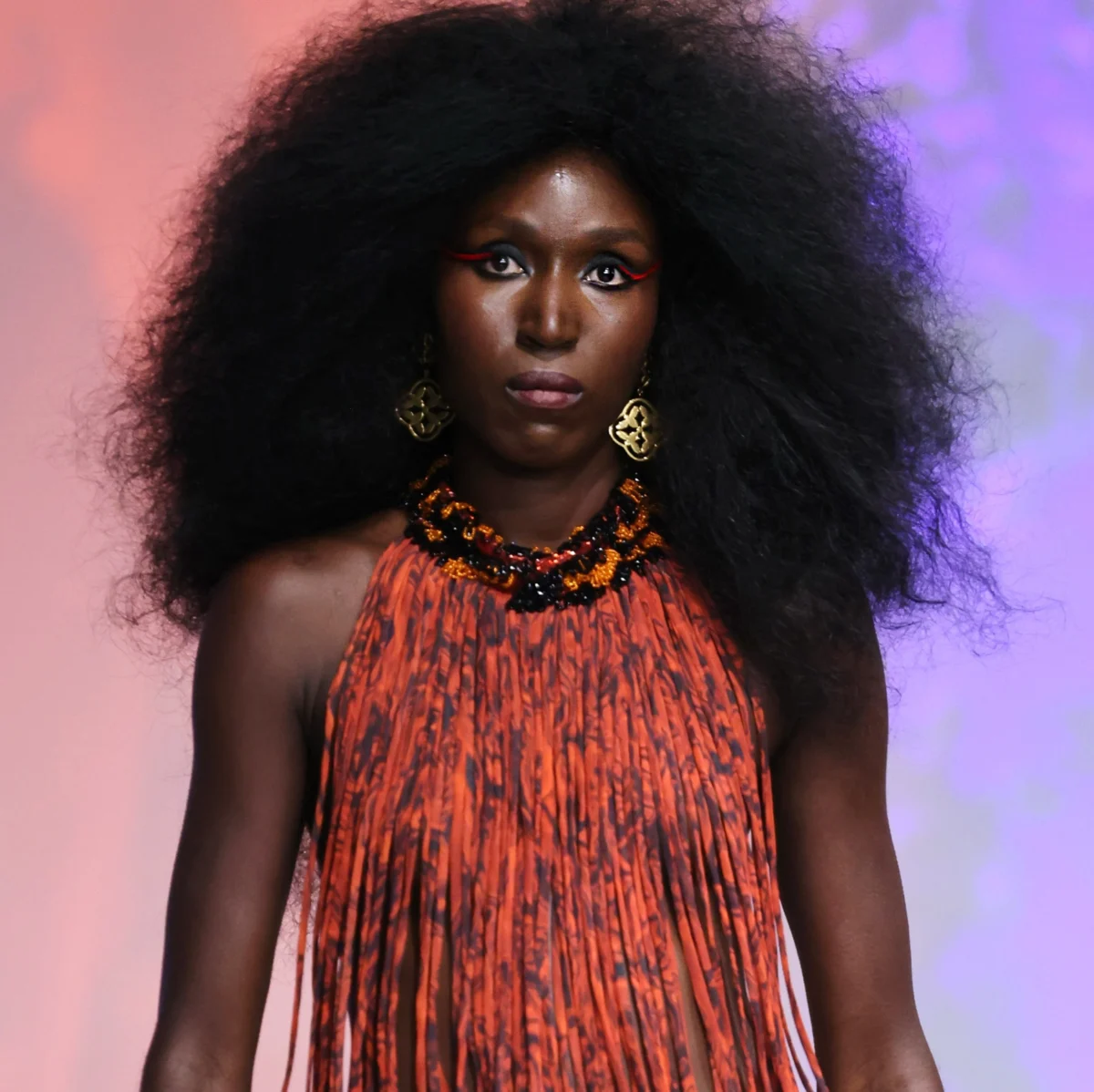
The Spring/Summer 2027 fashion season has concluded its prominent runway presentations, offering a comprehensive preview of emerging style narratives that extend beyond apparel to encompass hairstyles. Designers have strategically utilized hair as a crucial element in their collections, providing a wealth of inspiration for consumers and stylists alike. This report delves into the key hair trends that dominated the Spring/Summer 2027 runways, analyzing their aesthetic significance, practical application, and potential impact on upcoming beauty vernacular. The overarching theme appears to be a departure from predictable styles, encouraging individuality and artistic expression through hair.

The Evolving Ponytail: From Functional to Fashion-Forward
The perennial ponytail, a staple of everyday hairstyling, has been reimagined with a sophisticated twist, moving beyond its utilitarian roots to become a focal point of runway presentations. Designers like Cult Gaia and Tory Burch showcased variations that elevate the classic ponytail into an artisanal hair accessory. These "Slipknot Ponytails" are characterized by their low placement at the nape of the neck, featuring an intricate wrapping technique that transforms a simple tie-back into a statement piece. This stylistic choice suggests a growing appreciation for detailed craftsmanship in even the most accessible hairstyles.
The technical execution of the slipknot ponytail often relies on hair with inherent texture or the strategic application of texturizing products to ensure the wrapped element maintains its form and grip. This detail is crucial for achieving a polished yet artful finish. Stylists observed on the runways often began with a secure elastic base before meticulously wrapping sections of hair to create the desired knot effect. This approach ensures longevity and a refined appearance, making the style suitable for formal occasions such as weddings and upscale dinners, as well as for days when a standard ponytail feels uninspired. The visual impact is one of understated elegance and thoughtful design.

Data from recent hair industry reports indicates a sustained consumer interest in personalized styling solutions. The rise of the slipknot ponytail aligns with this trend, offering a customizable element that can be adapted to individual hair types and lengths. For those with particularly silky or slippery hair, the use of a dry shampoo or a texturizing spray prior to styling can provide the necessary hold. Furthermore, the inclusion of face-framing tendrils, as seen in some interpretations, adds a softer, more romantic dimension, demonstrating the versatility of this elevated ponytail. This trend’s implication for the beauty market is a potential increase in demand for specialized texturizing products and advanced hair accessories designed to facilitate complex styling techniques.
The Comeback of Crimped Hair: A Modern Renaissance
Crimped hair, often associated with a nostalgic, early 2000s aesthetic, has been strategically revived by designers Christian Siriano and Christian Cowan for the Spring/Summer 2027 season. Their runways presented crimping not as a mere texture, but as a deliberate styling tool to impart shape, lift, and visual intrigue. This renewed focus on crimping signifies a departure from its previously perceived datedness, positioning it as a sophisticated technique for adding dimension and character to hairstyles.

The modern interpretation of crimping avoids uniformity, instead favoring strategic placement to enhance specific areas of the hair. Designers demonstrated various approaches, including crimping select sections beneath a smooth top layer to create hidden texture, or incorporating crimped lengths into ponytails and braids for an unexpected contrast. The use of a crimping iron is key to achieving the defined ridges that characterize this trend. Crucially, the application of heat protectant is paramount to safeguard hair health during the styling process. A light application of texture spray can further enhance the longevity and visual appeal of the crimped finish.
The historical context of crimping in fashion reveals its cyclical nature. Once a popular DIY trend, it fell out of favor due to associations with over-processed hair and less refined aesthetics. However, the SS27 runways suggest a more nuanced and controlled application. By integrating crimped elements into otherwise sleek or intricately styled looks, designers have managed to imbue the technique with a contemporary edge. This trend’s broader implication is the potential for a resurgence in the popularity of crimping tools and related styling products, as consumers seek to replicate these runway-inspired looks. The emphasis on targeted crimping also suggests a shift towards more personalized and less all-over approaches to hair texturizing.

The Re-emergence of Deep Side Sweeps: A Dramatic Silhouette Shift
For seasons, the middle part has dominated the hair landscape. However, the Spring/Summer 2027 runways, notably at Diotima and Conner Ives, signal a significant shift towards the deep side sweep. This dramatic repositioning of the part brings a new dimension of drama and definition to the front of the hair, offering even the simplest styles a stronger, more impactful silhouette. This trend speaks to a desire for bolder, more intentional styling choices.
The deep side sweep is particularly effective on medium to long hair, where there is sufficient length to create a sweeping effect around the face. Stylists employed different techniques to achieve the desired look: a blow dryer and round brush were used to create a softer, more fluid sweep, while the application of styling gel offered a sharper, more structured finish suitable for evening wear. The ease with which this seemingly minor alteration can transform a hairstyle is a key aspect of its appeal. It offers a readily achievable yet impactful change, demonstrating the power of subtle adjustments in hair styling.

The historical significance of side parts in fashion and beauty is well-documented, often associated with eras of glamour and sophistication. The current revival of the deep side sweep can be seen as a contemporary reinterpretation of these classic aesthetics, adapted for a modern sensibility. This trend’s implication for the market is a potential increased demand for styling products that facilitate precise parting and hold, such as strong-hold gels and styling creams. Furthermore, it encourages consumers to experiment with their natural part, offering a fresh perspective on styling familiar haircuts. The ability to create a stronger silhouette with minimal effort makes this a highly accessible trend.
Extravagant Volume: A Bold Declaration of Presence
Runways from Nardos, Collina Strada, and Onalaja for Spring/Summer 2027 boldly declared a return to extravagant volume, pushing beyond subtle enhancements to embrace significant shape and lifted roots. These styles deliberately commanded attention, positioning hair as a central element of the overall aesthetic rather than a passive accessory. This trend signifies a confident embrace of voluminous hair as a powerful form of self-expression.

Achieving such dramatic volume often involves a multi-pronged approach. For those with finer hair, the strategic use of volumizing mousse, root-lifting sprays, and a round brush during blow-drying can effectively create the illusion of fullness. Thicker hair, conversely, offers a more expansive canvas for volume, with tools like velcro rollers or blowout brushes proving instrumental in achieving significant lift and shape. The overall effect is one of unapologetic glamour and presence, suitable for high-profile events and occasions where making a statement is desired.
The cultural significance of voluminous hair is multifaceted, often associated with power, confidence, and a certain theatricality. Historically, periods of economic prosperity or cultural shifts have seen a rise in voluminous hairstyles. The SS27 runways’ embrace of such extravagance can be interpreted as a reflection of a desire for optimism and a return to bold, celebratory aesthetics in a post-pandemic world. The implication for the beauty industry is a likely surge in the popularity of volumizing hair products, professional styling services focused on blowouts and updos, and potentially a renewed interest in hair extensions and enhancements to achieve extreme volume. This trend is a clear signal that hair is being prioritized as a significant stylistic element.

Intricate Messy Braids: The Art of Controlled Chaos
Braids, a perennial favorite for their versatility and enduring appeal, were reimagined on the Spring/Summer 2027 runways by Susan Fang and Dreaming Eli. These designers presented braids that eschewed rigid precision in favor of an intricate, "messy" aesthetic. The resulting styles expertly combined multiple sections, strategically placed loose strands, and abundant texture, imbuing the braids with a distinctly handcrafted and artistic quality. This approach elevates braiding from a functional style to an art form.
This trend is particularly well-suited for individuals with long, thick, or textured hair, as the increased length and volume provide ample material for intricate designs. The styling process often begins with the creation of several simple braids, which are then artfully interconnected using pins, elastics, or even smaller, woven plaits. The deliberate incorporation of flyaways and a less-than-perfect finish contributes to the overall charm and authenticity of these styles. This approach allows for a significant degree of personalization and creativity.

The historical evolution of braiding spans millennia and diverse cultures, with each tradition offering unique techniques and aesthetic principles. The contemporary "messy braid" trend can be seen as a modern interpretation that draws inspiration from these rich histories while adapting them for current fashion sensibilities. It suggests a move away from overly polished and predictable styles towards looks that feel more organic and individual. The implication for the hair industry is a continued demand for braiding services and educational resources that focus on advanced braiding techniques and creative styling. Furthermore, it encourages consumers to embrace imperfections in their hairstyles, viewing them as elements of style rather than flaws. The intricate messy braid trend highlights the growing appreciation for artisanal and personalized beauty expressions.
