
 By Nila Kartika Wati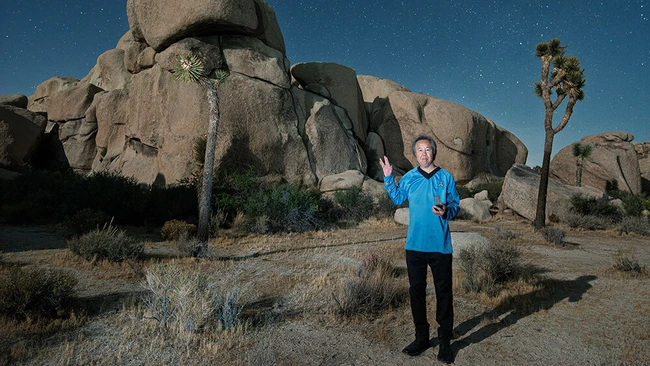
The pursuit of compelling portraiture within the challenging realms of night and astro-landscape photography often presents a significant hurdle for many visual artists. While the majesty of the Milky Way, the brilliance of distant stars, or the artistry of light painting frequently captivate photographers, the integration of human subjects into these dramatic nocturnal scenes with a polished, intentional, and impactful aesthetic remains an elusive skill for many. Achieving portraits that transcend the commonplace, avoiding the "deer caught in headlights" effect or the amateurish glow of a campfire ghost story, requires a nuanced understanding of light control—a principle fundamentally underpinned by the strategic application of flash. This guide delves into the essential techniques and professional insights required to elevate night and astro-landscape portraits from mere snapshots to works of art.
Foundational Principles: Balancing Ambient Light and Flash
The core philosophy behind successful night portraits, surprisingly, mirrors the approach taken in many daytime event photography scenarios. The fundamental principle involves a two-step process: first, meticulously exposing for the ambient light of the scene, and second, adjusting the output of an artificial light source, typically a flash, to illuminate the subject to taste. This method ensures that both the captivating background and the foreground subject are optimally rendered, creating a cohesive and visually rich composition.
Consider, for instance, a scenario like the fundraiser held at the Skirball Cultural Center in Los Angeles for the Exceptional Children’s Foundation. As the sun begins its descent, casting a golden hour glow that transitions into twilight, the photographer’s initial task is to set the camera’s parameters—ISO, aperture, and shutter speed—to correctly capture the diminishing natural light. This ambient exposure establishes the mood and context of the scene. Subsequently, a flash is introduced, often set to a lower power output, such as 1/8 strength, to act as a "fill light." Its purpose is not to overpower the ambient light but to gently lift the subjects from the background, adding definition, sparkle to the eyes, and a subtle separation that enhances their presence without creating an artificial or jarring effect. This technique, while demonstrated in a transitioning daylight scenario, directly translates to the much longer exposures common in night photography, where the ambient light is significantly dimmer but the principle of balance remains identical.
The transition from a brightly lit environment to the deep blues and blacks of night fundamentally alters exposure parameters, demanding significantly longer shutter speeds, wider apertures, and often higher ISO settings to capture the faint ambient light. However, the conceptual approach to subject lighting remains steadfast. As the night deepens, the photographer continually recalibrates the camera’s settings to expose for the available moonlight, starlight, or artificial distant city glow. Concurrently, the flash intensity is fine-tuned to appropriately illuminate the subject, often aiming for a slightly brighter illumination to ensure they stand out distinctly from the background, adding a sense of drama and three-dimensionality. For a comprehensive understanding of light manipulation, resources like "Fundamentals of Lighting" offer invaluable insights into shaping and controlling light in various photographic contexts.
The Strategic Advantage of Extended Exposures in Night Photography
One of the most significant benefits inherent to night photography, particularly when incorporating human subjects, is the luxury of extended exposure times. Unlike the instantaneous captures typical of event photography, where the shutter and flash fire almost simultaneously, night photography often affords exposures of 20 seconds, 30 seconds, a minute, or even longer. This extended duration offers an unparalleled advantage: the ability to move and actively sculpt light within the frame.
Despite these considerably long exposures, it is entirely possible to capture tack-sharp portraits of people, devoid of unwanted motion blur, unless such blur is intentionally sought for artistic effect. This capability stems from the unique characteristics of flash duration. A typical electronic flash emits a burst of light that lasts for an extremely short period, often fractions of a millisecond. When this brief burst illuminates a subject during a long ambient exposure, it effectively "freezes" their motion at the exact moment the flash fires. The camera continues to record the ambient light for the remainder of the exposure, but the subject, having been momentarily intensely lit, appears sharp, even if they shift slightly before or after the flash. This technical nuance transforms the challenge of long exposures into a creative opportunity, allowing photographers to meticulously craft their lighting.
Advanced Flash Techniques: Handheld and Modifiable Light
The extended exposure window empowers photographers to detach the flash from the camera’s hot shoe and wield it as an independent, handheld light source. This technique eliminates the constraints of on-camera flash, which often results in flat, unflattering illumination. Instead, the photographer becomes a mobile light stand, positioning the flash precisely where desired to sculpt the subject with light.
To execute this, the photographer holds the flash in their hand and, during the open shutter of the long exposure, walks to the chosen position relative to the subject. Once in place, the flash is manually triggered. This method provides immense control over the direction and quality of light. Further refinement can be achieved through the use of light modifiers such as a Rogue FlashBender, which allows for precise shaping and directing of the light beam, preventing unwanted spill and concentrating illumination on the subject. Alternatively, even a simple hand can be used to flag or direct the light, subtly warming the illumination if the hand is placed close to the flash head. This dynamic approach transforms flash photography into a form of "light painting" for the subject, enabling sophisticated and dramatic lighting setups that would be impossible with a static, on-camera flash.
Mastering Flash Brightness: Power and Proximity
Controlling the brightness of the flash is paramount to achieving the desired photographic outcome. There are two primary methods to adjust flash intensity:
- Adjusting Flash Power Output: Most modern flashes offer manual power settings, typically expressed as fractions (e.g., 1/1, 1/2, 1/4, 1/8, 1/16, etc.). A setting of 1/1 represents full power, while 1/16 indicates a significantly reduced output. By incrementally adjusting these settings, photographers can fine-tune the amount of light emitted by the flash. It’s crucial to remember that light modifiers, such as diffusers or grids, can reduce the effective brightness of the flash, necessitating a compensatory increase in power output.
- Varying Flash-to-Subject Distance: The inverse square law dictates that the intensity of light diminishes rapidly as the distance from the light source to the subject increases. Specifically, doubling the distance reduces the light intensity to one-quarter of its original strength. Conversely, halving the distance quadruples the light intensity. This physical principle provides a powerful and intuitive means of controlling brightness. By simply moving the handheld flash closer to or further from the subject, photographers can achieve significant adjustments in illumination without needing to constantly alter the flash’s power settings. This dynamic control is particularly effective in the fluid environment of night photography with handheld flash.
The Unparalleled Advantages of Flash Over Continuous Light Sources
While LED flashlights and light panels are popular tools for light painting and illuminating static elements in night photography, the flash offers distinct advantages, particularly when incorporating human subjects.
Eliminating Motion Blur:
The most compelling advantage of a flash is its superior ability to freeze motion. As demonstrated in the example of the Bloomfield Machine band photographed near Joshua Tree, a minute-long exposure can result in perfectly sharp subjects in areas illuminated by the flash, while their darker, ambient-lit sides might exhibit slight blur due to minor movements over the extended exposure duration. This phenomenon underscores the flash’s capacity to capture a precise moment in time, even within a prolonged exposure. Continuous light sources, by contrast, illuminate the subject throughout the entire exposure, making them susceptible to motion blur if the subject moves even slightly. For dynamic portraits or scenarios where subjects cannot remain perfectly still for minutes, a flash is indispensable.
Furthermore, flashes are widely accessible. Many photographers already own one, and a decent quality flash can be acquired for a relatively modest investment. Manufacturers like Yongnuo, Godox, Neewer, Profoto, and even camera brands like Nikon and Canon, offer a range of options suitable for various budgets and professional needs. The robustness of some older models, such as the discontinued Nikon SB-600 AF Speedlight, is legendary, often enduring drops and harsh conditions while continuing to perform reliably. Such used flashes can be found for under $50, offering excellent value for those entering night portraiture.
Ease of Use and Intuitive Operation:
The simplicity of flash operation is another significant benefit. Most individuals, even those without extensive photographic experience, are familiar with the concept of a flash – pressing a button to activate a burst of light. This inherent intuitiveness makes it remarkably easy to instruct assistants or even the subjects themselves on how to operate a flash for a specific purpose, as illustrated by several real-world case studies.
Case Studies: Real-World Application and Dramatic Impact
DarkSky International’s "Star Trek 60: Capture the Dark 2026" Photo Contest:
DarkSky International, a non-profit organization dedicated to preserving and protecting the night sky environment, frequently hosts initiatives like the "Capture the Dark" global photography contest. The "Star Trek 60" mission was a special pop-up challenge within this larger competition, tasking participants with capturing themselves or their "crew" performing the iconic Vulcan salute under a star-filled sky.
Faced with a looming deadline, a photographer and their spouse embarked on this mission. Despite the urgency, the simplicity of handheld flash photography allowed for rapid execution. The spouse, with minimal instruction, was able to operate the flash effectively. Key instructions included the approximate standing position and how to hold a Rogue FlashBender to direct light onto the subject while simultaneously minimizing unwanted light spill onto the ground. This quick, intuitive approach ultimately led to a third-prize win in the category, underscoring the accessibility and effectiveness of basic flash techniques even under pressure. The success also served to further DarkSky International’s broader mission of raising awareness about light pollution and the importance of dark skies.
A Memorable Marriage Proposal:
The versatility of flash in night photography extends beyond formal contests, enabling deeply personal and dramatic moments. A New Year’s Eve marriage proposal serves as a poignant example. The scene was set at a home in Los Angeles, with a camera mounted on a tripod for a 60-second exposure. The photographer meticulously light-wrote the message "LISA MARRY ME" backward with a handheld LED flashlight during the exposure, a technique requiring practice and precision.
The critical element for illuminating the photographer and the room was a single off-camera flash. The photographer’s partner, Lisa, was asked to simply "pop a flash by bouncing it off the area where the wall and ceiling come together." With this straightforward instruction, Lisa, unaware of the light-written message, flawlessly executed the task. The bounced flash diffused the light, creating a soft, pleasing illumination for both the subject and the interior space. Upon reviewing the camera’s display, the surprise and joy of the proposal, dramatically framed by the unique blend of light writing and flash, were evident. This instance highlights how even minimal instruction regarding flash placement and activation can yield profoundly impactful and aesthetically pleasing results, transforming a personal moment into a memorable photographic narrative.
Adding Color and Mood with Gels
For photographers seeking to inject creative flair or correct color temperatures, gels offer an invaluable tool. These colored filters can be easily placed in front of the flash head, transforming the emitted light. Creative colors like red, blue, purple, or magenta can be used as key lights to establish a striking, futuristic mood or to illuminate backgrounds with vibrant hues.
Beyond artistic expression, gels also serve a practical purpose in color correction. If a scene is captured with a very cool white balance, perhaps under moonlight or heavy blue hour conditions, a Color Temperature Orange (CTO) gel can be applied to the flash. This warms the light illuminating the subject, restoring natural skin tones or creating a warm, inviting glow that contrasts beautifully with a cool ambient background. Conversely, a Color Temperature Blue (CTB) gel can introduce cool, moody tones into shadows or match artificial cool light sources. The intentional use of gels allows photographers to precisely control the chromatic palette of their night portraits, adding another layer of sophistication and artistic intent.
Beyond Flash: A Holistic Approach to Night Portraiture
While flash photography offers an accessible and highly effective pathway to dramatic night portraits, it is one technique within a broader spectrum of approaches. Other advanced methods include combining low- and high-ISO exposures for optimal dynamic range, utilizing techniques for extreme stillness, and employing specialized post-processing workflows. These and other intricate techniques are often explored in dedicated night photography workshops, providing a comprehensive skill set for capturing the night.
However, the strategic use of flash stands out as an exceptionally user-friendly method for achieving outstanding results without requiring extensive specialized equipment or steep learning curves. Its ability to freeze motion, provide directional control, and integrate seamlessly with ambient light makes it an indispensable tool for anyone aspiring to capture polished, dramatic, and intentional portraits under the veil of night. By mastering the balance of ambient light and flash, photographers can transform challenging nocturnal environments into canvases for compelling human narratives, moving beyond generic snapshots to create truly memorable photographic art.
