
 By Jia Lissa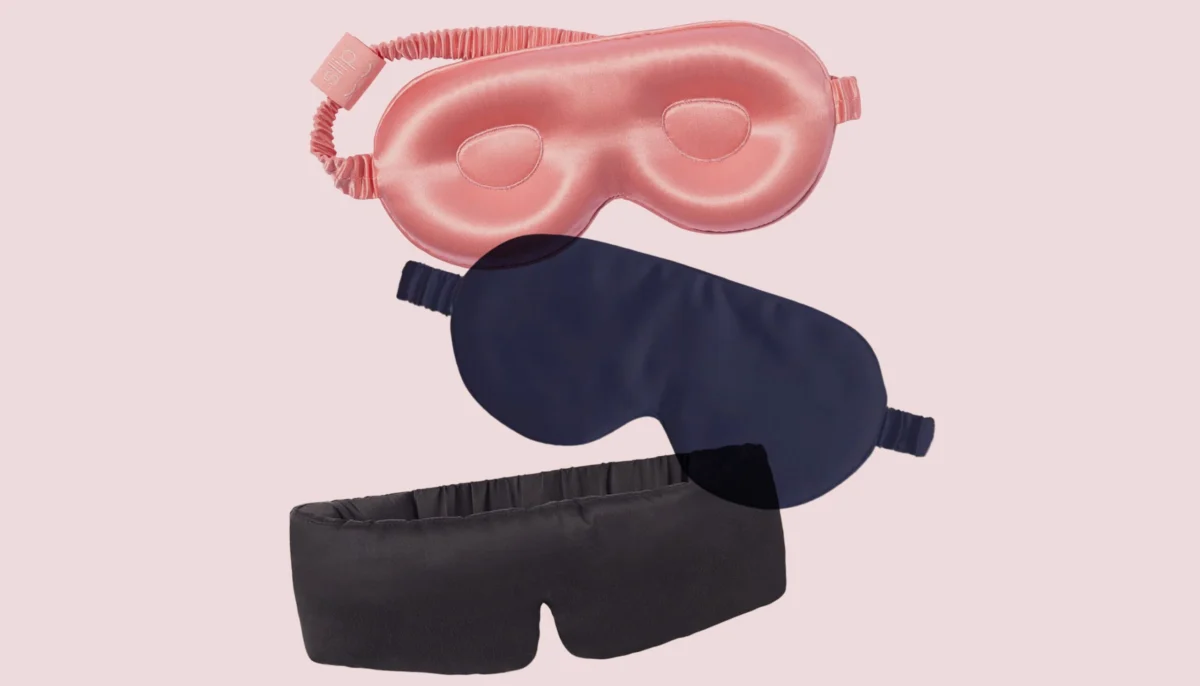
The question of whether it is healthy to sleep with a sleep mask is a common one for individuals seeking to optimize their sleep quality. Medical professionals generally agree that there are no inherent health risks associated with wearing a sleep mask, provided certain comfort and hygiene considerations are met. Dr. Colon, a sleep specialist, emphasizes that the primary concern is the mask’s comfort over extended periods. If a sleep mask causes discomfort or irritation, it can paradoxically disrupt sleep rather than enhance it. This underscores the importance of selecting a mask that allows for undisturbed rest.
Furthermore, Dr. Breus, another sleep expert, highlights the crucial role of regular maintenance. "Washing your sleep mask regularly is paramount to prevent the buildup of bacteria and allergens, which can lead to skin irritation or even infection," he states. "Just as importantly, you need to replace it when it starts to lose its efficacy. This could manifest as a stretched-out strap that no longer provides a secure fit, or internal padding that has broken down, diminishing its light-blocking capabilities." This proactive approach to mask care is vital for ensuring its continued benefit to sleep hygiene.
Understanding the Benefits of Sleep Masks
Sleep masks, at their core, function by creating an environment of complete darkness. This is critical because light, even at low levels, can interfere with the body’s natural circadian rhythm, the internal biological clock that regulates sleep-wake cycles. Exposure to light signals the brain to wake up, suppressing the production of melatonin, a hormone essential for initiating and maintaining sleep. By effectively blocking out ambient light, a sleep mask helps to create an optimal sleep environment, mimicking the natural darkness of nighttime.
The benefits extend beyond simply blocking light. For individuals who travel frequently or work night shifts, sleep masks can be invaluable tools for managing sleep in environments with unpredictable light conditions. Airports, airplanes, hotels, and even bedrooms with insufficient blackout curtains can all present challenges to achieving restful sleep. A sleep mask provides a portable and effective solution for controlling the light exposure, thereby aiding in sleep onset and duration.
Moreover, for those who experience migraines or are sensitive to light, a sleep mask can offer a therapeutic benefit. By reducing sensory input, it can help to alleviate discomfort and promote relaxation, contributing to a more peaceful sleep experience. The psychological effect of wearing a sleep mask can also be significant, acting as a cue to the brain that it is time to wind down and prepare for sleep.
The Quest for the Ideal Sleep Mask: Features to Consider
Identifying the "best" type of eye mask for sleeping is highly subjective, largely depending on individual preferences and physiological needs. Dr. Colon reiterates that the most effective sleep mask is the one that achieves a secure, comfortable fit without slipping or shifting throughout the night. However, there are discernible features that distinguish superior sleep masks from mediocre ones.
Dr. Breus points to the importance of coverage. "The more light and external interference a mask can block, the more conducive it will be to falling asleep and staying asleep," he explains. Masks with a larger surface area and contoured designs that conform to the face are generally more effective at creating a complete seal.
A significant advancement in sleep mask technology is the integration of molded eye cups. These contoured designs serve a dual purpose: they reduce uncomfortable pressure on the eyelids and eyeballs, and they enhance the overall fit of the mask by allowing for natural eye movement without disrupting the seal. This feature is particularly beneficial for individuals who experience eye discomfort or find traditional flat masks to be constricting.
Material also plays a crucial role. While personal preference dictates the ideal fabric, certain materials offer enhanced breathability and temperature regulation. Silk and satin are often lauded for their smooth texture, which minimizes friction and is gentle on the skin, potentially reducing sleep lines. For those who tend to overheat, breathable fabrics like cotton or specialized cooling materials can be more comfortable. The strap mechanism is another critical element. Adjustable straps, often made of soft, elastic material, allow users to customize the fit, ensuring the mask stays in place without being too tight.
Navigating the Selection Process: A Practical Approach
Choosing the right sleep mask involves a careful consideration of personal sleep habits and physical attributes. A fundamental aspect is aligning the mask’s design with your preferred sleeping position. For instance, side sleepers might find masks with excessive bulk on the sides to be uncomfortable, as they can exert pressure on the temples. In such cases, a slimmer, more contoured design might be preferable.
Adjustable straps are a boon for those who are active sleepers, frequently tossing and turning. These straps allow for a customized fit that can adapt to movement, preventing the mask from slipping off or becoming dislodged. This adaptability ensures consistent light blockage throughout the night, regardless of sleeping position changes.
For individuals who experience night sweats or generally run hot, Dr. Breus strongly recommends prioritizing masks made from cooling and breathable materials. "Fabrics like silk, bamboo, or specialized moisture-wicking synthetics can significantly improve comfort for hot sleepers," he advises. These materials help to dissipate heat and moisture, preventing the buildup of warmth that can lead to sleep disruption.
It is also important to acknowledge that finding the perfect sleep mask may require some trial and error. The market offers a wide array of designs, materials, and features, and what works exceptionally well for one person may not be ideal for another. "Don’t be discouraged if your first purchase isn’t the ultimate solution," Dr. Colon suggests. "Experimenting with different styles is part of the process. The effort invested in finding a mask that genuinely enhances your sleep is a worthwhile endeavor." This personalized approach ensures that the chosen mask directly addresses individual needs and contributes to improved sleep quality.
The Science Behind Sleep and Light: A Deeper Dive
The intricate relationship between light and sleep is governed by the body’s internal clock, the suprachiasmatic nucleus (SCN) within the hypothalamus. This master clock is synchronized primarily by light exposure. When light strikes the retina, it sends signals to the SCN, which in turn influences the pineal gland to regulate melatonin production. Melatonin, often referred to as the "sleep hormone," is released in darkness, signaling the body that it is time to rest.
Disruptions to this natural light-dark cycle, common in modern life due to artificial lighting and screen time, can significantly impact sleep. Exposure to blue light emitted from electronic devices, in particular, is known to be highly suppressive of melatonin. Even low levels of ambient light in a bedroom can interfere with sleep continuity and reduce the amount of time spent in deeper, more restorative sleep stages.
Research has consistently demonstrated the efficacy of darkness in promoting better sleep. A study published in the Journal of Clinical Sleep Medicine found that sleeping in a completely dark environment led to improved sleep quality and increased melatonin levels. This scientific backing underscores the fundamental principle behind the effectiveness of sleep masks: they create an artificial yet highly beneficial environment of darkness.
The implications of chronic sleep deprivation are far-reaching. Beyond immediate effects like fatigue and impaired cognitive function, long-term sleep deficiency is linked to a host of serious health issues, including an increased risk of cardiovascular disease, diabetes, obesity, and weakened immune function. Therefore, tools and strategies that reliably improve sleep quality, such as the consistent use of a well-chosen sleep mask, can have a profound positive impact on overall health and well-being.
Expert Insights and Product Development
The development and refinement of sleep masks have been influenced by insights from sleep science and a growing consumer demand for enhanced sleep solutions. Manufacturers are increasingly incorporating ergonomic designs and advanced materials to address the varied needs of sleepers. This includes exploring hypoallergenic fabrics, incorporating cooling technologies for hot sleepers, and developing contoured shapes that accommodate facial features without causing pressure points.
The "Meet the Experts" section of the original content highlights the editorial team’s commitment to rigorous product evaluation. This process, involving a diverse range of staff and external testers, is crucial for ensuring that recommendations are well-founded and applicable to a broad audience. By incorporating feedback from individuals with varying ages, skin tones, hair textures, and genders, Allure aims to provide comprehensive and trustworthy advice. This meticulous approach to testing and review is vital in the competitive market of sleep aids, where efficacy and comfort are paramount.
The Broader Impact on Wellness and Lifestyle
The growing popularity of sleep masks reflects a broader societal trend towards prioritizing wellness and actively seeking solutions to improve health. As awareness of the critical role of sleep in physical and mental health increases, consumers are investing in products and practices that support restful sleep. Sleep masks, once a niche item, have become a mainstream wellness accessory, readily available in various forms and price points.
The implications of enhanced sleep extend beyond individual health. Improved sleep can lead to increased productivity, better emotional regulation, and enhanced overall quality of life. For businesses and organizations, promoting good sleep hygiene among employees can contribute to a healthier, more engaged, and more productive workforce. In essence, the humble sleep mask, when used effectively, can be a small but significant component of a larger strategy for achieving optimal health and well-being.
Ultimately, the journey to better sleep is a personal one, and the sleep mask is a valuable tool that can significantly contribute to that goal. By understanding the science behind sleep, the features of effective masks, and the importance of personal preference, individuals can make informed choices that lead to more restorative and rejuvenating nights.
