
 By Eva Lovia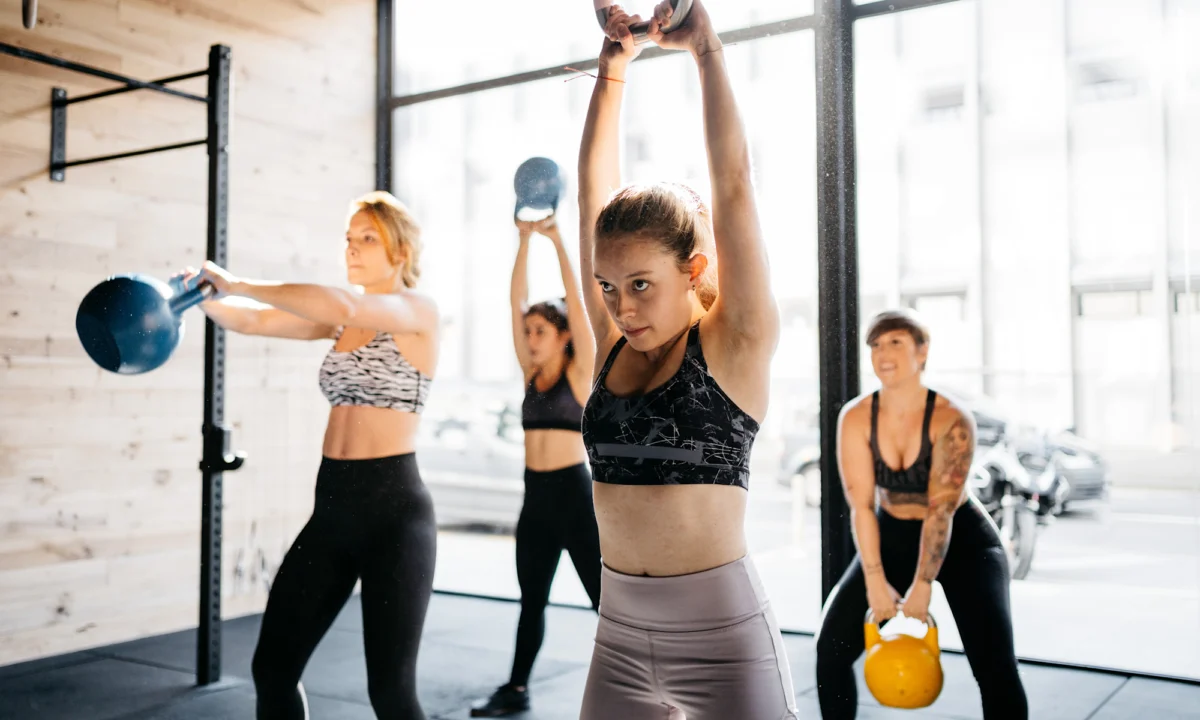
September 11, 2026
The subtle yet noticeable challenges of everyday life – a jar lid that suddenly resists opening, or the increased effort required to carry grocery bags – can serve as early indicators of a gradual decline in muscle strength. This phenomenon is often associated with aging and, for many women, the hormonal shifts of menopause. While strength training remains a cornerstone of maintaining physical capacity, emerging research underscores the critical role of nutrition, particularly protein intake, in supporting muscle health during and after this transitional life stage. A recent comprehensive review has shed further light on this connection, examining the potential impact of enhanced protein consumption on preserving strength in postmenopausal women.
Understanding the Significance of Muscle Strength Post-Menopause
Muscle mass and strength naturally begin to decrease with age, a process known as sarcopenia. This decline can accelerate during and after menopause due to a significant drop in estrogen levels. Estrogen plays a vital role in muscle maintenance and repair, and its diminishing presence can make it harder for the body to build and retain muscle tissue. The implications of this loss extend far beyond the ability to perform daily tasks. Reduced muscle strength is linked to an increased risk of falls, fractures, diminished metabolic rate, and a greater susceptibility to chronic diseases. Consequently, maintaining muscle mass and function is crucial for overall health, mobility, and quality of life in later years.
A Deep Dive into the Protein and Strength Review
The research in question, published in the Menopause Journal, aimed to consolidate existing evidence on the relationship between protein intake and handgrip strength among postmenopausal women. Handgrip strength, while seemingly a simple measure, is recognized by the medical community as a robust indicator of overall muscle strength and functional capacity across the body. The review was prompted by a recognized gap in scientific literature, which has historically focused more on protein and muscle health in men, leaving a less comprehensive understanding of women’s specific needs, particularly during the menopausal transition.
The researchers conducted an extensive search of major scientific databases, meticulously identifying studies that investigated the correlation between dietary protein consumption and handgrip strength in postmenopausal women. The objective was to synthesize findings from multiple studies to provide a more robust and conclusive overview of the existing data.
Methodology and Scope of the Review
The meta-analysis, as it is formally known, brought together data from seven distinct studies. Collectively, these studies encompassed a significant cohort of 8,922 postmenopausal women. It is important to note the observational nature of the studies included in this review. This means that the researchers analyzed the participants’ pre-existing dietary habits and their measured handgrip strength, rather than prescribing specific dietary interventions. As such, the review is able to identify associations and correlations, but it cannot definitively establish a cause-and-effect relationship. Factors such as lifestyle, physical activity levels, and overall dietary patterns could also influence the observed outcomes.
The timeline for the included studies varied, with data collection spanning several years to capture a range of dietary habits and strength assessments within the postmenopausal population. This longitudinal aspect, where applicable within the individual studies, allowed for a broader understanding of trends over time.
Key Findings: A Clear Association Between Protein and Strength
The central finding of the review is a consistent and significant association: women who reported higher protein intake generally exhibited greater handgrip strength compared to those who consumed less protein. This correlation remained evident across various statistical analyses, even when accounting for other potential influencing factors.
Furthermore, the study noted that women with higher protein intake also tended to have a lower Body Mass Index (BMI). While BMI is a measure of weight relative to height and not a direct indicator of body composition, a lower BMI in conjunction with higher protein intake could suggest a healthier body composition with a greater proportion of lean muscle mass. Crucially, the review indicated that age alone did not appear to be the primary driver of this difference in strength; the association between higher protein intake and stronger grips persisted irrespective of age within the postmenopausal group.
Expert Analysis and Interpretation
Dr. Anya Sharma, a leading endocrinologist specializing in women’s health, commented on the review’s implications. "This comprehensive analysis reinforces what many clinicians have observed: that adequate protein is not just about muscle building, but about maintaining vital function and resilience, especially as women navigate the physiological changes of menopause," Dr. Sharma stated. "The handgrip strength metric is a practical proxy for overall physical capability, and its strong association with protein intake in this large cohort is compelling. It suggests that dietary choices can have a tangible impact on how women feel and function day-to-day."
The review’s authors themselves highlighted that while the association is strong, other lifestyle factors could play a contributing role. Women who are more conscious of their protein intake might also be more inclined to engage in other healthy behaviors, such as regular exercise or consuming a more balanced diet overall. Nevertheless, the consistent pattern observed across multiple studies lends significant weight to the hypothesis that protein plays a direct role in supporting muscle integrity and strength post-menopause.
The Physiological Context: Why Menopause Impacts Muscle
The decline in muscle strength associated with menopause is intrinsically linked to hormonal changes. As ovarian function decreases, so does the production of estrogen. Estrogen has anabolic effects on muscle tissue, meaning it helps in building and repairing muscle. It influences protein synthesis, reduces muscle breakdown, and plays a role in the efficiency of muscle energy utilization. With reduced estrogen, this supportive environment diminishes, making muscle maintenance more challenging.
This hormonal shift, combined with age-related changes in muscle protein synthesis and breakdown rates, creates a physiological landscape where muscle mass and strength can diminish more readily. Protein provides the essential amino acids, the fundamental building blocks, required for muscle repair and regeneration. When protein intake is insufficient, the body’s capacity to counteract muscle loss is compromised.
The Synergy of Nutrition and Exercise
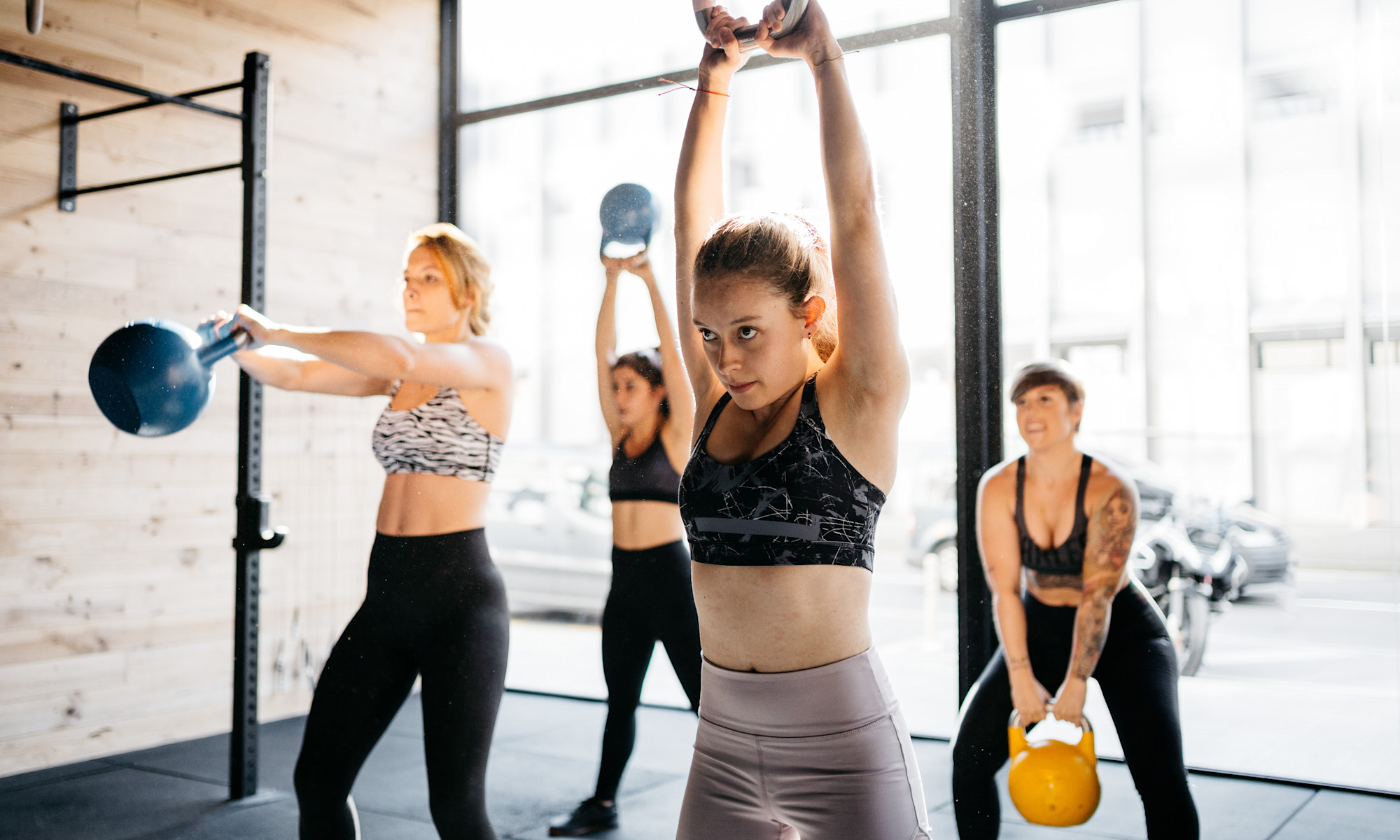
It is crucial to emphasize that the review does not advocate for a singular focus on protein to the exclusion of other vital health strategies. The findings on protein intake are best understood within the broader context of a holistic approach to muscle health. Research on building muscle during menopause consistently points to the indispensable role of resistance training. Resistance exercises, whether using bodyweight, resistance bands, or weights, provide the necessary stimulus for muscle fibers to adapt and grow stronger.
"This review is a powerful reminder that nutrition and movement are not independent entities but rather synergistic partners in maintaining health," noted fitness expert and author, Sarah Chen. "Protein provides the raw materials, and resistance training gives the muscles a reason to use those materials. For women entering or experiencing menopause, embracing both is key to not only preserving strength but potentially enhancing it."
The article referenced earlier in the original text, discussing myths about building muscle during menopause, further underscores this point. It highlights that simply increasing protein intake without adequate physical stimulus may not yield optimal results. The goal is to create an environment where the body has both the resources (protein) and the signal (exercise) to maintain and build muscle.
Practical Strategies for Enhancing Protein Intake
While the review did not pinpoint a specific, universally applicable protein target, it strongly suggests the benefit of consistent and regular protein consumption throughout the day. The studies included used varying definitions of "high" and "low" protein intake, meaning a precise numerical recommendation is not derivable from this particular analysis. However, the overarching message is to ensure protein is not an afterthought in one’s diet.
Experts generally recommend distributing protein intake across meals and snacks to optimize muscle protein synthesis. For instance, incorporating protein-rich foods at breakfast, such as eggs, Greek yogurt, or a protein smoothie, can set a positive tone for the day. Lunch and dinner can feature lean meats, poultry, fish, beans, lentils, tofu, or tempeh.

The article’s suggestion of including protein regularly is echoed by nutritional guidelines. For example, the Academy of Nutrition and Dietetics suggests that for most adults, a daily protein intake ranging from 10% to 35% of total calories is appropriate. However, for older adults or those actively engaged in strength training, higher intakes within this range, or even slightly above, may be beneficial. Consulting with a registered dietitian or nutritionist can help individuals determine personalized protein needs based on their activity level, health status, and specific goals.
It is also important to note that "more is not always better." For individuals who are already meeting their protein needs through a balanced diet, significantly increasing intake without a corresponding increase in muscle stimulation or overall energy expenditure might not yield additional benefits and could potentially displace other essential nutrients.
Integrating Protein with Strength Training
The synergistic relationship between protein and strength training cannot be overstated. Incorporating resistance exercises is vital. This can be achieved through various means:
- Bodyweight Exercises: Squats, lunges, push-ups, and planks can be effective and require no equipment.
- Resistance Bands: These offer variable resistance and are portable, making them a versatile option for home or travel workouts.
- Free Weights and Machines: Dumbbells, barbells, and weight machines provide a more significant challenge for those seeking to build substantial strength.
The key is consistency. Aiming for at least two to three resistance training sessions per week, targeting major muscle groups, can provide the necessary stimulus for muscle maintenance and growth.
Broader Implications for Women’s Health
The findings of this review have significant implications for public health initiatives and individual women’s approach to their health as they age. Recognizing the link between protein intake and muscle strength can empower women to make informed dietary choices that directly support their physical well-being. This research contributes to a growing body of evidence that highlights the importance of proactive health management during the menopausal transition.
The takeaway message is clear: menopause does not have to be synonymous with an inevitable decline in strength. By understanding the physiological changes that occur and implementing evidence-based strategies, women can actively work to preserve and even enhance their muscle mass and functional capacity. This includes prioritizing adequate protein intake as a foundational element of their diet and consistently engaging in strength-building exercises.
Conclusion: A Proactive Approach to Lifelong Strength
In summary, the comprehensive review of nearly 9,000 postmenopausal women found a compelling association between higher protein intake and stronger handgrip strength. While this observational study cannot definitively prove causation, it strongly supports the notion that adequate protein consumption is a valuable component of a strategy aimed at maintaining muscle health after menopause. The findings underscore the importance of viewing nutrition and exercise not as separate endeavors but as interconnected pillars supporting lifelong vitality. By making protein a conscious and consistent part of their diet, alongside regular strength training, women can proactively combat the muscle loss often associated with aging and menopause, ensuring they maintain their strength, independence, and quality of life. As the body evolves through different life stages, so too can our nutritional strategies adapt to meet its changing needs, ensuring that strength remains a lifelong companion.
