
 By Eva Lovia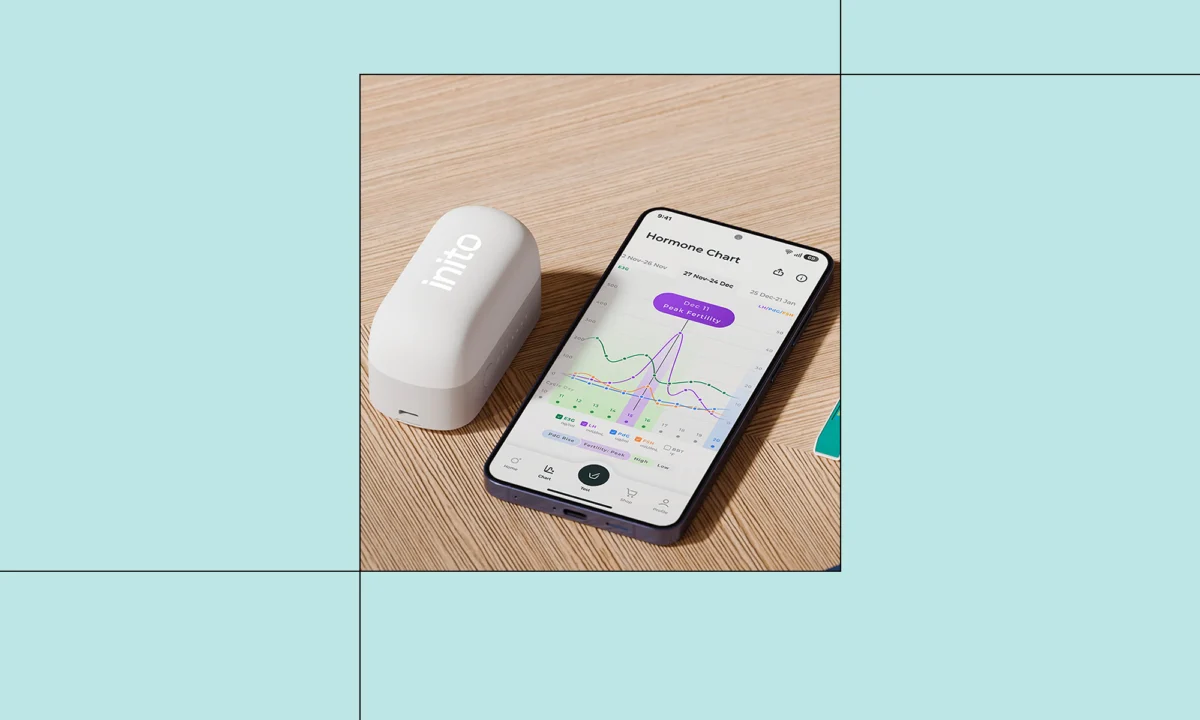
September 09, 2026
The landscape of fertility tracking has long been characterized by ambiguity, leaving individuals to decipher subtle line variations on ovulation strips or rely on retrospective temperature data. This often leads to uncertainty, with questions like "Is this line definitively positive?" or "Did I actually ovulate this month?" lingering unanswered. Recognizing this gap, the Inito Fertility Monitor has emerged as a comprehensive, all-in-one solution, offering a more precise and personalized approach to understanding fertility. Previously featured in mindbodygreen’s longevity gift guide, Inito stands out by measuring four key fertility hormones, delivering lab-grade readings at home in approximately 10 minutes. This advanced system moves beyond population averages, providing personalized insights that identify a fertile window of up to six days and confirm ovulation, rather than merely predicting it.

This article delves into the scientific underpinnings of Inito, explores expert opinions from OB/GYNs and reproductive endocrinologists, and provides a firsthand account of using the monitor. It also examines the benefits of Inito for individuals managing conditions such as Polycystic Ovary Syndrome (PCOS), now referred to as Persistent Müllerian Duct Syndrome (PMDS), irregular cycles, or those who have experienced pregnancy loss.
What is the Inito Fertility Monitor?
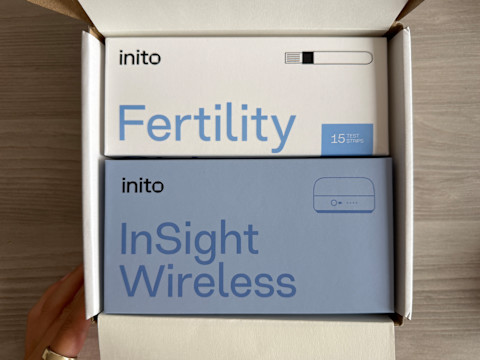
The Inito Fertility Monitor is designed to provide users with lab-grade hormone readings in the comfort of their homes, empowering those trying to conceive with a deeper understanding of their hormonal fluctuations. This technology is particularly beneficial for individuals with conditions like PCOS/PMDS, those aged 35 and older, or individuals who have recently discontinued hormonal birth control.
By tracking a combination of four crucial hormones—Estrogen (specifically Estradiol Metabolites or E3G), Luteinizing Hormone (LH), Follicle-Stimulating Hormone (FSH), and Progesterone Metabolite (PdG)—Inito offers a holistic view of the menstrual cycle. This multi-hormone approach differentiates it significantly from standard ovulation predictor kits (OPKs) that typically measure only LH. The comprehensive data generated allows Inito to not only predict the fertile window but also to confirm ovulation, offering a level of certainty often missing in traditional fertility tracking methods.

Inito vs. Traditional Fertility Tracking Methods
The effectiveness of Inito can be best understood by comparing it to established fertility tracking methods, each with its own strengths and limitations.
Inito vs. Ovulation Predictor Kits (OPKs)
The primary distinction between Inito and OPKs lies in the number of hormones measured. OPKs focus solely on LH, which signals an impending ovulation. However, an LH surge is a predictive indicator, not a definitive confirmation of ovulation. As Dr. Lora Shahine, a double board-certified OB/GYN and reproductive endocrinologist, explains, "An LH surge doesn’t always guarantee ovulation." Furthermore, LH levels can fluctuate, and the sharp surge that many OPKs are calibrated for is not experienced by all women. Studies indicate that only about 42% of women exhibit this single, pronounced LH surge, while others experience multiple peaks or gradual rises, which can lead to misinterpretation by threshold-based tests.
In contrast, Inito’s ability to measure PdG is crucial for confirming ovulation. PdG levels rise after ovulation, and its presence in the urine provides a key indicator that ovulation has indeed occurred, offering a level of certainty that OPKs cannot provide. Thus, Inito offers both prediction and confirmation, a significant advantage for users seeking definitive answers.

Inito vs. Cycle Tracking Apps
Cycle tracking apps rely heavily on statistical averages and calendar predictions, which may not accurately reflect an individual’s unique hormonal patterns. Hormone levels are highly personalized, and a universal "correct" value does not exist. Tracking shifts relative to an individual’s baseline is paramount, and a single hormone reading often provides limited insight. Moreover, cycle variability is common; nearly 7 in 10 women experience variations of up to six days, and almost half see swings of seven days or more. Inito leverages data from over 40 million hormone data points to provide personalized fertility insights, identifying the fertile window even when cycle patterns deviate from the norm.
Inito vs. Basal Body Temperature (BBT) Tracking
Basal body temperature (BBT) tracking is a retrospective method, confirming ovulation after a slight temperature drop followed by an increase. This method requires strict adherence to a daily routine, including taking temperature at the same time each morning before rising, and can be easily disrupted by minor changes in sleep or lifestyle. BBT is primarily useful for confirming ovulation after it has already occurred, leaving less time to capitalize on the fertile window. Inito, on the other hand, offers a more flexible and convenient approach. It integrates seamlessly into daily life, regardless of travel or work schedules, and provides real-time hormone data that informs users about their fertile window proactively. The ability to easily share Inito data with healthcare providers was consistently highlighted by interviewed physicians as a significant benefit.
| Category | Inito Fertility Monitor | OPKs | BBT (temping) | Cervical mucus |
|---|---|---|---|---|
| Hormones Measured | 4 (E3G, LH, FSH, PdG) | 1 (LH) | None | None |
| Predicts Fertile Window | Yes, up to 6 fertile days | Partially (1-2 days around LH surge) | No, retrospective only | Roughly, and subjective |
| Confirms Ovulation | Yes, via PdG rise | No | Indirectly, as a result of progesterone rise | No |
| Output | Hormone values + trend charts | Yes/no or line darkness | Daily temperature | Self-observation |
| Works with Irregular Cycles/PCOS | Tracks hormone trends personalized to individual baseline | Can mislead as it is based on population averages | Hard to interpret | Hard to interpret |
| Shareable with Clinician | Yes | Limited | Manual logs | Manual logs |
Expert Insights: The Value of Comprehensive Hormone Data
Fertility specialists universally emphasize the importance of observing hormonal patterns over isolated data points. Dr. Sasha Hakman, a double board-certified OB/GYN and reproductive endocrinology and infertility specialist, notes that patients who present with detailed hormone data have more productive appointments, leading to faster and more precise clinical decisions. Dr. Susan Nasab, a reproductive endocrinologist, highlights the particular importance of this comprehensive view for patients with PCOS, ovulatory dysfunction, premature ovarian insufficiency, and early perimenopause, enabling more informed and personalized treatment strategies.
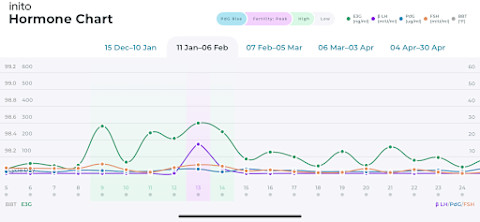
For individuals with PCOS, who often exhibit an elevated LH:FSH ratio, standard LH-based tests can be unreliable. Inito’s ability to analyze the entire hormonal sequence—estrogen rise, LH peak, and subsequent PdG rise—provides a clearer picture than relying on LH alone. This detailed hormonal history can be instrumental in identifying issues such as a lack of ovulation, inconsistent ovulation, short luteal phases, or low progesterone levels, all of which can be significant barriers to conception.
The Science Behind Inito’s Accuracy and Precision
Inito’s accuracy and reliability stem from its proprietary Spectral Mapping technology. Unlike traditional readers that simply analyze line darkness, Inito’s device uses advanced optical scanning to detect and quantify four hormones simultaneously from a single test strip. This method captures significantly more data points than conventional readers, enabling the algorithms to account for environmental variables like lighting and humidity, thereby ensuring consistent and precise readings.
Research supports the efficacy of Inito’s approach. One study demonstrated a 95% correlation between Inito’s urinary hormone patterns and serum hormone trends. Another study published in Nature’s Scientific Reports indicated that Inito confirms ovulation with over 92.2% accuracy. This level of precision is crucial for tracking subtle hormonal shifts that are indicative of fertility, especially when considering the pulsatile nature of hormone secretion. For instance, serial PdG measurements from Inito can provide a more comprehensive understanding of progesterone levels over several days compared to a single blood test. While Inito’s urinary hormone tracking is a powerful trend-based tool, it is important to note that it complements, rather than replaces, medical evaluation and laboratory measurements when precise serum values are required.
The distinction between accuracy and precision is also vital. While accuracy refers to how close a single measurement is to the true value, precision refers to the consistency of repeated measurements. For tracking hormonal trends over time, precision is paramount, as it ensures that changes in readings reflect actual hormonal shifts rather than test variability. In controlled laboratory settings, Inito has demonstrated superior precision in measuring fertility hormones compared to other over-the-counter at-home fertility monitors.
The User Experience: Simplicity Meets Insight
The Inito Fertility Monitor is designed for ease of use, aiming to demystify the process of fertility tracking. Users are guided through setup and testing via a comprehensive app. Testing typically begins on cycle day six, utilizing first-morning urine. The process involves dipping a test strip into a urine sample, inserting it into the Inito device, and allowing the device to sync and analyze the results over a 10-minute period.
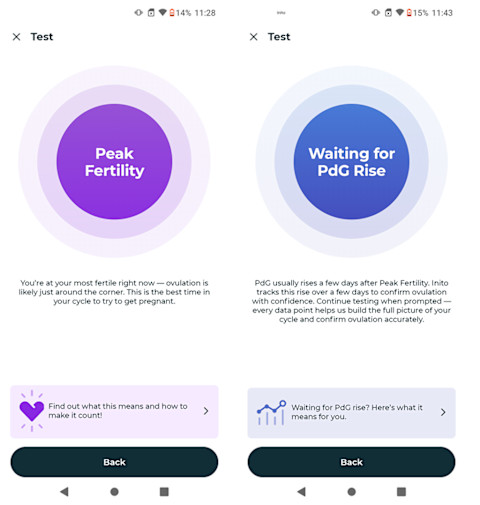
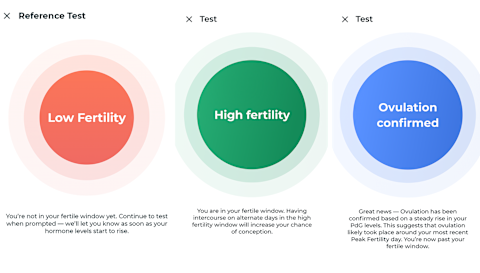
The app provides clear daily status updates—Low Fertility, High Fertility, Peak Fertility, or Ovulation Confirmed—based on the user’s unique hormonal profile. This personalized feedback eliminates the guesswork associated with interpreting lines on traditional OPKs. The app also features a charting tab that visualizes all four hormone levels over time, offering a dynamic and informative overview of the cycle. Users can also log symptoms to correlate them with their hormone charts, adding another layer of insight.
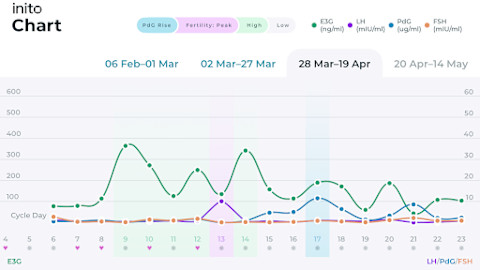
The ease of the testing process and the clarity of the app’s feedback have been consistently praised by users. The ability to track trends daily and receive actionable insights has been described as empowering and less stressful than previous tracking methods.
User Testimonials: Real-World Impact
The effectiveness of Inito is further underscored by numerous user success stories. One user, Bailey Blackburn, who experienced unpredictable ovulation despite regular periods, was able to conceive after Inito detected a second LH surge that would have otherwise gone unnoticed. Similarly, Brooke Gresock, dealing with secondary infertility, discovered through Inito that she was not ovulating. After consulting her gynecologist with her Inito graphs, she was prescribed medication and successfully conceived in her next medicated cycle. Katie McCormick, after a decade of unexplained infertility, found that Inito not only indicated ovulation occurred later than she expected but also prompted a discussion with her OB/GYN about low PdG levels, which was confirmed via bloodwork and proved crucial for her eventual pregnancy. Beth Donati, managing PCOS and Hashimoto’s with long and irregular cycles, found Inito’s predictions surprisingly accurate, often alerting her to impending periods days in advance. These narratives highlight Inito’s ability to provide critical information for individuals with complex reproductive health challenges, enabling more informed conversations with healthcare providers and ultimately contributing to successful conception journeys.
Who Benefits Most from Inito?
The Inito Fertility Monitor is particularly well-suited for individuals experiencing:
- Irregular Cycles: Inito’s personalized tracking approach accounts for cycle variability, making it more effective than average-based methods.
- PCOS/PMDS: The multi-hormone analysis provides a clearer picture of ovulation patterns in conditions where LH levels can be misleading.
- Advanced Maternal Age (35+): Understanding fertility potential becomes more critical with age, and Inito offers precise insights.
- Post-Birth Control Users: Inito can help track the return of natural ovulation cycles.
- Those with Unexplained Infertility: Detailed hormonal data can provide valuable information for diagnostic discussions with specialists.
- Individuals Seeking Confirmation of Ovulation: The PdG measurement offers definitive confirmation, reducing guesswork.
It is important to note that Inito’s readings may not be meaningful for individuals currently using hormonal birth control, as it suppresses natural hormone cycles. Similarly, during IVF stimulation cycles, clinic-based monitoring and ultrasounds take precedence. For individuals prone to anxiety, the wealth of data provided by Inito should be approached with the understanding that clarity, not increased stress, should be the goal.
Final Verdict: Is Inito Worth the Investment?
The Inito Fertility Monitor represents a significant advancement in at-home fertility tracking. Supported by peer-reviewed research demonstrating high accuracy and correlation with serum hormone trends, and valued by fertility specialists for the actionable data it provides, Inito offers a level of insight far beyond traditional methods. While the initial cost may be higher than basic OPKs, the comprehensive hormonal picture, the ability to confirm ovulation, and the ease of use make it a worthwhile investment for many. The user testimonials, particularly from those with irregular cycles or underlying conditions, highlight its capacity to provide crucial information that can guide fertility journeys and conversations with healthcare providers. Inito empowers users with concrete data, transforming the often uncertain process of fertility tracking into a more informed and proactive endeavor.
Frequently Asked Questions
Does Inito work for irregular cycles?
Yes, and it’s one of its strongest applications. Inito tracks hormone trends against an individual’s baseline, not a universal threshold, enabling it to identify fertile days and confirm ovulation even with long, variable, or PCOS-affected cycles.
Can you share your Inito charts with your doctor?
Absolutely. The app allows for easy sharing of charts, a feature consistently praised by fertility specialists. This data can significantly enhance the productivity of fertility appointments and guide diagnostic decisions.
When should I start testing with Inito?
Inito recommends beginning testing on cycle day 6, counting the first day of your period as day 1. This early testing helps establish a baseline before estrogen levels rise, making subsequent hormonal shifts more meaningful. Consistent daily testing with first-morning urine (or after a six-hour urine hold) is advised for optimal results.
