
 By Jia Lissa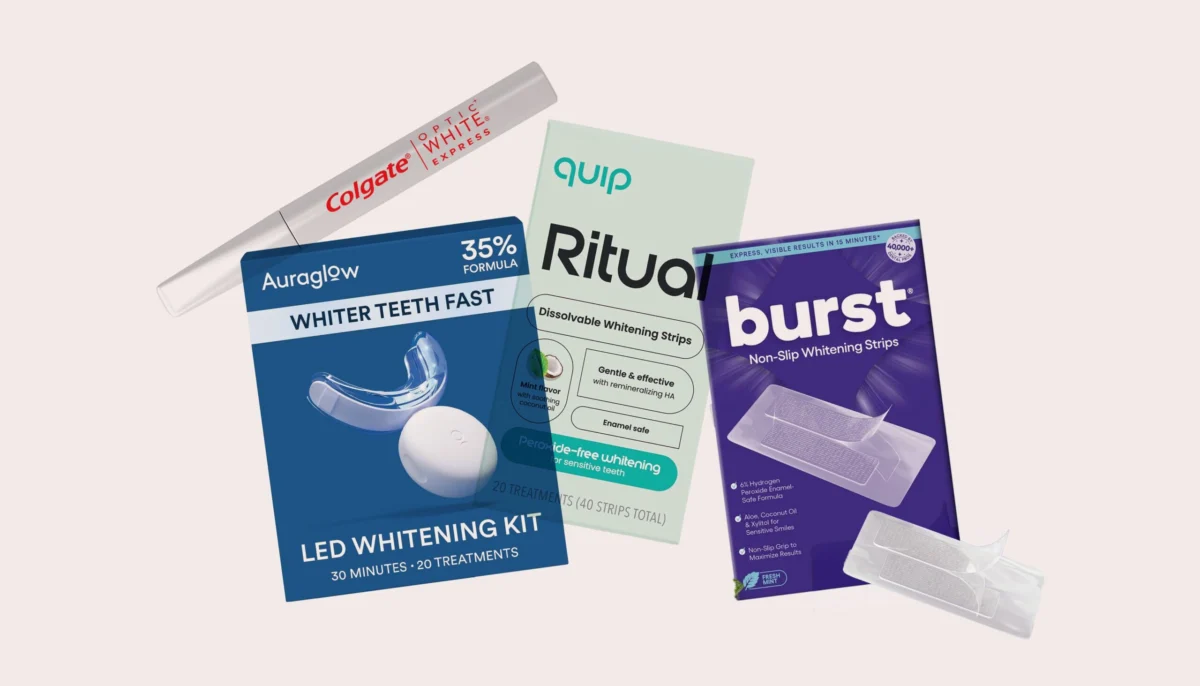
The pursuit of a dazzling smile has become a significant aspect of personal grooming and confidence-building for millions worldwide. As consumer interest in cosmetic dentistry and at-home treatments continues to surge, understanding the science behind teeth whitening, its various methods, and potential considerations is paramount. Experts in dental care shed light on the intricate processes involved, from the molecular structure of tooth enamel to the differing strengths of professional and over-the-counter solutions.
The Science Behind Stain Removal: Opening the Enamel Matrix
Tooth enamel, the outermost protective layer of our teeth, is not a solid, impenetrable surface. Instead, it possesses a crystalline structure, often likened by dental professionals to a microscopic "chicken wire" or wire mesh. This intricate network, while providing strength and resilience, also presents a challenge when it comes to removing stains that become embedded within its matrix.
Dr. Matthew J. Messina, DDS, a board-certified dentist and spokesperson for the American Dental Association (ADA), explains the fundamental principle of teeth whitening: "If you were to look at tooth enamel under a really powerful microscope, [the structure] kind of looks like chicken wire." He elaborates on the process, stating, "So what happens in whitening is we want to open the matrix and bubble out that color, the stain, and then close it back up." This "bubbling out" action is primarily facilitated by peroxide-based agents.
How Whitening Agents Work: The Power of Peroxide
The active ingredients responsible for this transformative process are typically hydrogen peroxide or carbamide peroxide. Hydrogen peroxide is a direct oxidizing agent, while carbamide peroxide is a more stable compound that breaks down into hydrogen peroxide and urea. This stability makes carbamide peroxide a preferred choice for manufacturers, ensuring consistent product quality and efficacy for consumers.
"Peroxide causes the color bubbling to occur," Dr. Messina notes. "So the active ingredient in whitening kits you buy will be hydrogen peroxide or carbamide peroxide (a diluted version of hydrogen peroxide)." Dr. Hadaegh further explains the advantage of carbamide peroxide: "Carbamide peroxide is used because it’s a comparatively stable compound. This helps the manufacturer to ensure product quality and consistency at the consumer’s end." Beyond the primary active agents, over-the-counter whitening products often incorporate additional ingredients designed to enhance the user experience, primarily by improving taste and palatability.
In-Office vs. Over-the-Counter Whitening: A Tale of Concentration
A key distinction between professional, in-office teeth whitening treatments performed by dentists and the products available for home use lies in the concentration of the active whitening agent. Dentists possess the ability to utilize significantly stronger whitening agents during in-office procedures because they can meticulously protect surrounding gum tissue and soft oral structures.
"If we’re doing something where we can mask off the gum tissue…where the gum tissues are protected, we can use a stronger whitening agent…because it’s only touching the teeth," Dr. Messina states. "Something you’re using over the counter has the potential to touch the gum tissues or be swallowed. So, we have to use a much lower strength of the active ingredient because…it might burn [the patient’s] gum tissues."
This ability to precisely control application and ensure safety allows dental professionals to achieve more dramatic and rapid results. Professional treatments involve careful isolation of the teeth and application of higher concentrations of peroxides, with dentists taking "all the necessary precautions to make sure the gum tissue is safe and protected and the whitening agent is only getting on the tooth enamel that we want whiter."
Conversely, over-the-counter products, such as whitening strips, toothpastes, and gels, are formulated with lower concentrations of peroxides to minimize the risk of accidental damage to the gums or accidental ingestion. Dr. Messina emphasizes that, provided the manufacturer’s instructions are followed diligently, all peroxide-based over-the-counter whiteners can yield comparable results. He suggests an initial treatment period of 7 to 10 days, followed by periodic maintenance treatments, perhaps once every other week.
Navigating the Market: Considerations for Consumers
When selecting an over-the-counter teeth whitening product, consumers are advised to prioritize ease of use, as highlighted by Dr. Palani. The application process should be straightforward and convenient to ensure consistent application and adherence to treatment schedules. Furthermore, Dr. Palani suggests evaluating the product’s shelf life and proper storage. "Also, you want to make sure that the product you buy has a good shelf life and store the product properly in the refrigerator to last longer," she adds. Proper storage can indeed help maintain the potency of the active ingredients.
Determining Candidacy: A Dentist’s Role in Whitening Plans
Before embarking on any at-home teeth whitening regimen, a consultation with a dental professional is strongly recommended. Tooth whitening is a cosmetic procedure that should only be undertaken in a healthy oral environment.
"Tooth whitening is something that should only be done in a healthy mouth situation," Dr. Messina asserts. "If somebody has cavities or periodontal disease, or some other reason why their teeth aren’t white, whitening is not the right choice for them—that’s why it’s always good to have a thorough examination done by your dentist before starting a whitening program." Untreated dental issues, such as cavities or gum disease, can be exacerbated by whitening agents, leading to increased sensitivity, pain, or further complications.
A professional dental cleaning prior to whitening offers an additional advantage. It ensures that the whitening agent is applied to the actual tooth enamel rather than to tartar or plaque buildup, which do not respond to whitening treatments. This leads to more effective and uniform results. Dr. Messina notes, "If you use at-home whitening products after a dentist cleaning, you’ll be whitening the tooth enamel rather than the tartar or buildup on top of it—so you’ll achieve better results."
Addressing Tooth Discoloration: The Effectiveness of Whitening for Yellow Teeth
The effectiveness of teeth whitening treatments can vary depending on the cause and type of discoloration. Yellowing of teeth is commonly attributed to extrinsic stains from consumables like coffee, tea, red wine, or to the natural aging process. Fortunately, these types of discoloration typically respond very well to whitening.
Dr. Huang confirms, "Yellowing teeth are usually due to stains from coffee, tea, or wine, or a side effect of aging. Luckily, these root causes respond very well to whitening."
However, other forms of discoloration present greater challenges. Graying teeth or those exhibiting banded staining, characterized by horizontal lines embedded within the tooth structure, often stem from factors like antibiotic use during tooth development or trauma. These intrinsic stains are generally more difficult to address with conventional whitening methods. Dr. Kairouz explains, "graying teeth or teeth with banded staining…is a different story." Similarly, deeper, more stubborn yellow stains or intrinsic discoloration may necessitate professional treatment at a dental office for optimal results. Dr. Huang advises, "Deeper, more stubborn yellow stains or discoloration are also better off being treated at your dentist’s office."
Potential Downsides and Risks of Teeth Whitening
While teeth whitening can yield significant aesthetic improvements, it is not without potential drawbacks. At-home treatments can sometimes lead to increased tooth sensitivity and irritation of the gums. These effects can be more pronounced in individuals with pre-existing oral health issues.
"At-home whitening can increase your tooth sensitivity and irritate your gums," Dr. Huang warns. "It can also exacerbate existing issues, like exposed roots or [gum] recession, which is why I always recommend making sure your teeth and gums are healthy before starting."
Overuse or improper application of whitening products can also contribute to these issues. Dr. Kairouz notes that excessive whitening can thin the enamel, potentially leading to increased sensitivity and, paradoxically, causing teeth to appear grayer at the edges rather than brighter. He advises, "It can even leave teeth looking grayer at the edges instead of brighter." Adhering to recommended treatment schedules and taking breaks between courses of treatment, as suggested by Dr. Messina (a week or two after completing a kit), is crucial to mitigate these risks.
It is also important for consumers to understand that teeth whitening agents are effective only on natural tooth enamel. They will not alter the color of dental restorations such as veneers, bonding, crowns, or fillings. Therefore, any whitening plan must take into account existing dental work to ensure a consistent and aesthetically pleasing outcome. Dr. Huang emphasizes, "Whitening must be done with your current dental work in mind or be part of your new design."
Expert Insights and Testing Methodologies
The information presented in this article is informed by the expertise of dental professionals and rigorous product evaluation processes. When reputable publications like Allure review products, they employ a comprehensive methodology. This involves scrutinizing ingredients, evaluating brand claims against scientific evidence, and often consulting peer-reviewed studies.
In testing teeth whitening products, editors and contributors assess performance across key categories: product ingredients and efficacy, packaging, overall safety, and the results achieved. This meticulous evaluation, often conducted in conjunction with dental professionals, aims to provide consumers with reliable and actionable insights. The commitment to a diverse testing pool, encompassing individuals of various ages, skin tones, and dental needs, further strengthens the validity of these reviews, ensuring that recommendations are broadly applicable and beneficial.
The Evolving Landscape of Dental Aesthetics
The growing demand for aesthetic dental procedures underscores a broader societal trend towards prioritizing personal appearance and well-being. Teeth whitening, once a niche cosmetic service, has become increasingly accessible and mainstream. As technology advances and consumer awareness grows, understanding the science, benefits, and potential risks associated with these treatments empowers individuals to make informed decisions about their oral health and smile enhancement journeys. A collaborative approach involving diligent home care and regular professional dental oversight remains the cornerstone of achieving and maintaining a healthy, radiant smile.
