
 By admin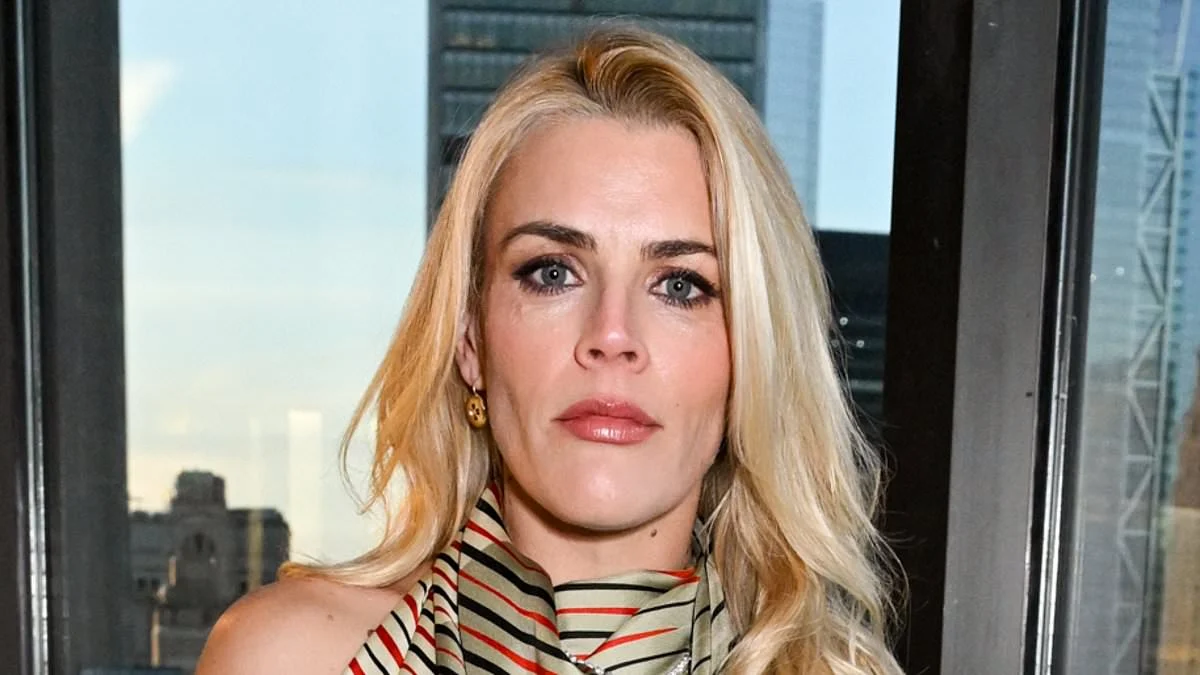
The actress Busy Philipps, 47, has publicly confirmed that her most recent magnetic resonance imaging (MRI) scan shows no evidence of tumor progression, marking a significant milestone in her recovery from brain surgery performed six months ago. Philipps, known for her extensive career in television and film, was diagnosed earlier this year with a grade 2 oligodendroglioma, a rare form of primary brain tumor. The update, shared via her social media channels, provides a comprehensive look at her health status as she prepares for the premiere of her upcoming CBS legal drama, Cupertino.
In her announcement, Philipps noted that while the primary concern—the recurrence or growth of the tumor—was dismissed by the scan, the imaging did reveal a significant sinus infection. This secondary finding explained recent physical symptoms, including persistent redness and pain in her left eye, which she had initially mistaken for a dermatological issue. The actress indicated that she would be seeking specialized care for the sinus condition, noting a long history of respiratory and sinus-related health challenges, including a previous surgical intervention in 2018.
The Path to Diagnosis: A Convergence of Grief and Preventive Care
The discovery of the brain tumor was the result of a sequence of events triggered by personal loss and the proactive pursuit of elective medical screening. In February 2024, Philipps underwent a comprehensive full-body MRI scan. The timing of the procedure was deeply influenced by the death of her former co-star and friend, James Van Der Beek, who passed away from colon cancer at the age of 48.
The scan had been originally scheduled for January but was delayed due to inclement weather. Following Van Der Beek’s death, Philipps reportedly considered canceling the appointment to focus on her grief. However, discussions with her ex-husband and close confidant, Marc Silverstein, encouraged her to proceed with the screening as a tribute to her health and a proactive measure in the face of sudden loss.
The results of the full-body scan identified a 2.6-centimeter lesion in the frontal lobe of her brain. While initial concerns regarding glioblastoma—a highly aggressive and often terminal form of brain cancer—were quickly dismissed, subsequent specialized imaging and consultations confirmed the presence of a tumor that required immediate surgical removal. Philipps has since described the emotional toll of the diagnosis, recalling the hyperventilation and distress she experienced upon receiving the definitive news from her medical team.
Clinical Overview of Grade 2 Oligodendroglioma
The diagnosis of a grade 2 oligodendroglioma places Philipps among a small demographic of patients. According to data from the American Brain Tumor Association and the National Cancer Institute, oligodendrogliomas are rare, primary central nervous system (CNS) tumors. They account for approximately 2% to 4% of all primary brain tumors and roughly 10% to 15% of all gliomas. In the United States, between 1,100 and 1,300 new cases are diagnosed annually.
A grade 2 designation indicates that the tumor is "low-grade" or slow-growing. However, these tumors are still classified as malignant because they have the potential to infiltrate surrounding brain tissue and may eventually progress to a higher grade (grade 3, or anaplastic oligodendroglioma). The frontal lobe, where Philipps’ tumor was located, is the most common site for these lesions. This region of the brain is responsible for executive function, personality, emotional regulation, and motor control.
Retrospectively, Philipps noted that she had experienced what she described as a "broken brain" for approximately two years prior to the diagnosis. Symptoms included extreme emotional volatility and cognitive "misfiring." Like many women in their late 40s, she had initially attributed these changes to perimenopause. Medical experts note that tumors in the frontal lobe can often present with subtle psychological or personality shifts that are easily misattributed to hormonal changes or mental health conditions before neurological deficits become apparent.
Surgical Intervention and Post-Operative Complications
In March 2024, Philipps underwent a five-hour neurosurgical procedure to resect the 2.6-centimeter mass. The surgery was successful in removing the visible tumor, and subsequent biopsies confirmed the grade 2 malignant status. Because of the nature of the tumor and the success of the resection, her medical team determined that chemotherapy and radiation were not immediately necessary, opting instead for a "watch and wait" protocol involving regular MRI monitoring.
The recovery process was complicated by a secondary health crisis in April. Philipps contracted a staphylococcus (staph) infection at the site of her surgical incision. The infection was identified by her dermatologist during a routine appointment, leading to a second emergency surgery to clear the infection and debride the area. Philipps described this setback as a significant emotional blow, feeling as though her progress had been reset just as she was beginning to resume her professional obligations.
During the filming of Cupertino, which began only weeks after her initial brain surgery, Philipps managed the physical aftermath of the procedures by using ice packs to control forehead swelling between takes. She has credited her support system—including her daughters, Birdie and Cricket, her ex-husband Marc Silverstein, and her close friend Michelle Williams—with providing the necessary care and stability during this period.
The Broader Impact of Celebrity Health Advocacy
Philipps’ decision to share her journey reflects a growing trend of celebrity health transparency, particularly regarding elective and preventive screenings. The actress admitted that the full-body MRI was a significant personal expense, undertaken at a time when she was between projects. Her public endorsement of the procedure has contributed to a broader conversation regarding the utility of asymptomatic screening.
Medical analysts and bioethicists often debate the merits of elective full-body MRIs for the general population. While Philipps’ case serves as a clear example of early detection leading to a favorable prognosis, some medical professionals caution against the potential for "over-diagnosis" or the discovery of benign "incidentalomas" that can lead to unnecessary anxiety and invasive follow-up procedures. However, for Philipps, the scan provided a definitive answer to years of unexplained cognitive and emotional symptoms.
The disclosure also highlights the challenges of navigating a health crisis while maintaining a public-facing career. Philipps managed the initial months of her diagnosis and recovery privately, using the "Close Friends" feature on Instagram to keep a small circle of confidants informed while shielding her children from public scrutiny. Her eventual decision to go public was motivated by a desire to control the narrative and counter potential misinformation.
Future Outlook and Professional Engagements
The most recent MRI results provide a positive outlook for the actress. Her physicians have indicated that the prognosis for grade 2 oligodendrogliomas is generally favorable compared to other malignant gliomas, with high survival rates and a significant chance that the tumor may not recur for many years, if at all. The primary requirement moving forward is consistent surveillance to ensure any changes are caught early.
Professionally, Philipps remains active. Her new series, Cupertino, is scheduled for a premiere on CBS on October 8, 2024. The legal drama represents her first major project following the surgery. In her recent communications, Philipps expressed a renewed sense of gratitude for her life and health, stating that her "brain does not feel broken anymore."
As she continues to monitor her recovery, Philipps has also indicated an interest in documenting her experiences more formally, hinting at a second book that would cover this period of her life. For now, her focus remains on treating the identified sinus infection and maintaining the health milestones achieved in the six months following her neurosurgical intervention. The case remains a poignant example of the intersection between modern diagnostic technology, personal resilience, and the importance of attentive medical follow-up.
