
 By Jia Lissa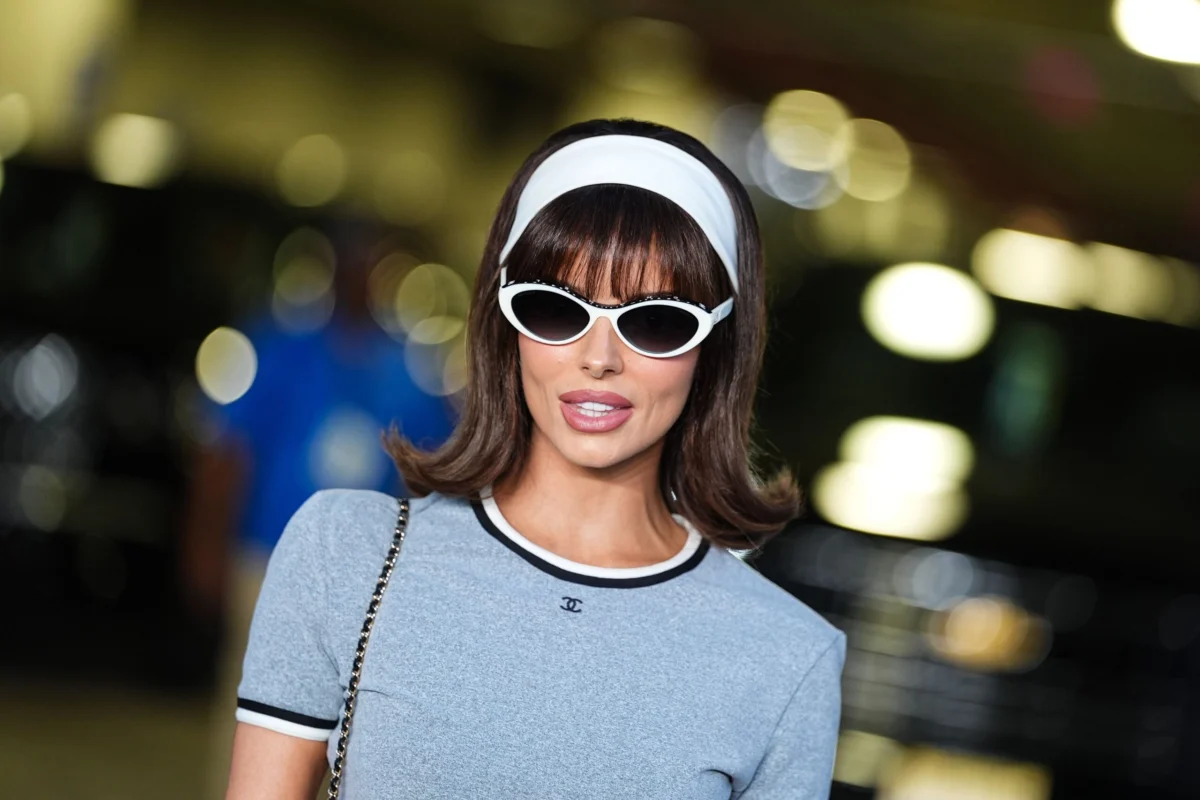
Maura Higgins, the acclaimed alumna of reality television juggernauts Love Island and The Traitors, made a striking appearance at the US Open in 2026, captivating onlookers with a meticulously curated ensemble that evoked the sophisticated style of 1968. Her presence at the prestigious tennis tournament was marked by a hairstyle and fashion choice that transported attendees and viewers alike to a bygone era of mod chic and Hollywood glamour, proving that timeless style continues to resonate on the contemporary stage.
A Nod to the Swinging Sixties: The Hair and Accessories
Higgins’ chosen hairstyle was a pivotal element of her retro-inspired look. She sported a voluminous, shoulder-skimming lob, a contemporary cut that was expertly styled with ends dramatically flipped outward. This distinctive silhouette is a hallmark of late 1960s and early 1970s fashion, a period characterized by bold shapes and a burgeoning sense of liberated femininity. The specific styling of Higgins’ hair drew a clear parallel to the iconic, bouncy coiffure of Marlo Thomas in her beloved sitcom That Girl. The series, which aired from 1966 to 1971, became a cultural touchstone, influencing fashion and hairstyles with its portrayal of a young, independent woman navigating her career and personal life in New York City. Higgins’ interpretation of this classic look was further enhanced by full, straight-across bangs that precisely grazed her eyebrows, amplifying the retro aesthetic and deepening the resemblance to the era’s leading style icons.
Complementing her flipped bob, Higgins adorned her hair with a wide, white fabric headband. This accessory was not merely an afterthought but a deliberate statement piece, reminiscent of the headwear popular in 1960s department stores and often seen on influential figures of the time. The headband evoked images of fashion plates from vintage magazines and the glamorous adornments favored by performers like Barbra Streisand during her celebrated run in Funny Girl. The combination of the flipped lob and the statement headband created an undeniable visual narrative, firmly rooting Higgins’ style in the sartorial landscape of the late 1960s.

The strategic placement of her sunglasses further cemented this retro persona. Oversized, cat-eye sunglasses, a perennial favorite that experienced a resurgence in the mid-2010s and continues to be a staple, were tucked into her hair. This choice led to speculation about her eye makeup, with many observers noting her consistent use of the sunglasses throughout the tournament, suggesting they might have been her primary accessory for accentuating her eyes, a common practice among style-conscious individuals of the 1960s who often relied on dramatic eyewear.
A Vintage Ensemble: Chanel Meets Mid-Century Elegance
Higgins’ choice of attire was equally instrumental in crafting her vintage persona. She was seen wearing a two-piece set from the esteemed fashion house Chanel. The ensemble featured a cropped, short-sleeved top paired with a matching knee-length skirt. Both pieces were meticulously finished with contrasting black-and-white trim, a detail that echoed the aesthetic of her cat-eye sunglasses. This particular Chanel set evoked the sophisticated yet playful fashion of the mid-20th century, a period when designer ensembles were both a symbol of status and a canvas for personal expression.
The Chanel brand itself has a deep historical connection to the era Higgins was channeling. Coco Chanel, and later Karl Lagerfeld, consistently drew inspiration from and redefined the styles of the 1950s and 1960s, often incorporating clean lines, classic silhouettes, and signature tweed fabrics. Higgins’ selection of a vintage Chanel piece underscored her commitment to authenticity and her discerning eye for iconic fashion. The cropped top and knee-length skirt offered a contemporary silhouette while remaining faithful to the spirit of the era, striking a perfect balance between modern sensibilities and historical homage.
The US Open Context: A Global Sporting and Cultural Event
The US Open, one of the four Grand Slam tennis tournaments, is not only a pinnacle of athletic achievement but also a significant cultural event that attracts a global audience and a host of celebrities. Held annually in late August and early September at the USTA Billie Jean King National Tennis Center in Flushing Meadows, Queens, New York City, the tournament is renowned for its high-stakes matches, passionate crowds, and, importantly, its status as a premier platform for fashion and celebrity sightings.

The 2026 edition of the US Open, like its predecessors, was anticipated to draw a constellation of stars from sports, entertainment, and fashion. Attendees often use the tournament as an opportunity to showcase their personal style, with many opting for looks that are both chic and appropriate for a day spent at the courts. The event’s blend of athleticism and glamour provides a unique backdrop for fashion statements, allowing individuals to express themselves through carefully chosen outfits and accessories. Higgins’ deliberate embrace of a 1960s aesthetic at such a prominent global event demonstrates a keen understanding of its cultural significance and her own burgeoning influence as a style icon.
Fashion as a Statement: Beyond the Tennis Court
Higgins’ sartorial choice at the US Open can be interpreted as more than just an outfit; it represents a conscious engagement with fashion history and a playful reinvention of iconic styles. As a former hairdresser, Higgins has publicly expressed her affinity for wigs and her willingness to experiment with different looks. Her appearance at the US Open might also be seen as a hint towards future ventures, potentially alluding to her rumored participation in Dancing With the Stars, a show that often embraces themed performances and nostalgic tributes. The "go-go boot" era, which the flipped bob and vintage ensemble so vividly evoke, is a fertile ground for dance costumes and routines.
Furthermore, Higgins’ ability to seamlessly blend contemporary elements with vintage inspiration highlights a broader trend in fashion: the cyclical nature of style and the enduring appeal of past eras. The 1960s, in particular, continues to be a significant source of inspiration, celebrated for its optimism, rebellion, and groundbreaking fashion. Higgins’ successful execution of this retro look suggests a deeper appreciation for the craftsmanship and cultural impact of fashion from that period. Her ensemble not only garnered attention for its aesthetic appeal but also for the thoughtful narrative it conveyed, positioning her as a forward-thinking individual with a strong sense of personal style rooted in a rich fashion heritage.
The impact of Higgins’ appearance extends beyond immediate fashion commentary. It serves as a reminder that style is a form of storytelling, capable of evoking specific moods, eras, and cultural references. By channeling the spirit of 1968, Higgins demonstrated an ability to connect with a timeless sense of glamour and individuality, proving that even in the fast-paced world of modern celebrity, the echoes of past style can still create a powerful and lasting impression. Her presence at the US Open solidified her status as a notable figure not only in reality television but also within the broader landscape of fashion and popular culture.
