
 By Nila Kartika Wati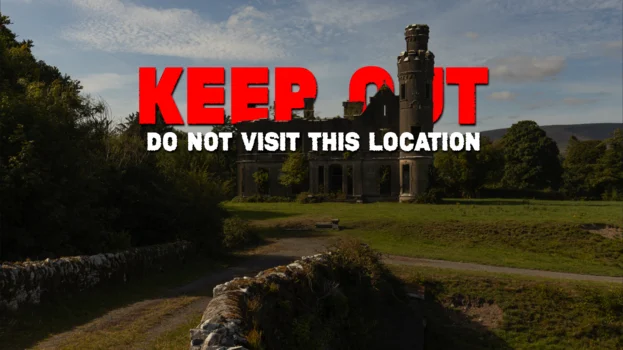
A recent incident at Ardtully House in County Kerry has brought into sharp focus a growing concern within the photographic community: the increasingly precarious nature of access to historical and abandoned locations. What began as a nostalgic return to a familiar photographic subject for one individual has evolved into a broader discussion about property rights, the ethics of documentation, and the imperative for photographers to seize opportunities before they permanently vanish. This experience serves as a microcosm of a wider trend impacting heritage photography, prompting a re-evaluation of how photographers approach and value their work in a world where access is never guaranteed.
The Ardtully House Incident: A Case Study in Evolving Access
The photographer, whose primary work has since shifted towards seascape photography, embarked on a return journey to Ardtully House, a derelict mansion he had previously documented approximately eight years prior. His initial interest in such sites was cultivated during a period dedicated to exploring various photographic genres, heavily influenced by the detailed historical and visual documentation found in works like those of Tarquin Blake, known for chronicling Ireland’s abandoned houses and buildings. Blake’s meticulous approach underscored that photographing these structures extended beyond mere image capture, embracing the historical narrative and the urgency of recording their decaying states. This earlier photographic phase saw the individual actively seeking out and researching numerous such locations across Ireland, often in collaboration with peers, driven by a desire to preserve visual records of their transient beauty.
Upon his recent return to Ardtully House, the photographer aimed not only to rekindle his interest in this specific niche but also to assess how his photographic perspective and technical approach had matured over nearly a decade. The journey back was tinged with nostalgia, evoking memories of past compositions and the challenges of integrating the decaying structure within its natural landscape. A notable difference from previous visits, which were typically marked by inclement weather, was the presence of harsh midday sunlight – a far from ideal condition for architectural photography. Despite this, the decision was made to proceed, adapting to the available light rather than deferring the opportunity. The photographer systematically explored various angles and distances, eventually focusing on the iconic bridge viewpoint, a known feature offering compelling perspectives of the building.
It was during this session, specifically after deploying a drone to capture an aerial perspective of Ardtully House and its setting, that the situation took an unexpected turn. An individual approached, instructing the photographer to retrieve the drone, citing the property’s private status. While a ‘private property’ sign had been observed upon arrival, its proximity to an angling-related sign had led to an erroneous interpretation of general public access, an assumption reinforced by the presence of other individuals in the vicinity. The drone was immediately brought down, and the photographic session continued without further incident. However, this encounter transcended a simple misunderstanding of property boundaries. It ignited a profound reflection on the implicit assumption that locations, once photographed, would remain perpetually accessible. The photographer’s previous visit eight years earlier had occurred without any access issues, leading to the natural belief that a return would be equally straightforward. This latest experience starkly contradicted that expectation, revealing a critical shift in accessibility that had occurred over the intervening years.
Chronology and Evolving Access Landscapes for Heritage Sites
The narrative of Ardtully House is not isolated; it resonates with a broader historical and contemporary context regarding access to and preservation of heritage sites, particularly abandoned structures. For centuries, many such estates across Ireland, post-land reforms and socio-economic shifts, gradually fell into disrepair. The romantic allure of ruins and abandoned buildings has long captivated artists and historians, with photographers like Tarquin Blake providing invaluable visual records of these vanishing remnants. Blake’s meticulous work, often involving extensive research into the histories of these estates, brought to light the human stories embedded within their crumbling walls, fostering a community of photographers and enthusiasts dedicated to their documentation. This period, roughly eight to fifteen years ago, marked a relative peak in the accessibility of many such sites, driven by a combination of less stringent private property enforcement, fewer explicit restrictions, and a burgeoning interest in urban exploration (urbex) photography.
However, the last decade has witnessed a significant evolution in land management and public access protocols, both in Ireland and globally. The rise of digital photography and social media platforms has profoundly altered how locations are discovered and shared. A site once known to a handful of dedicated photographers can, overnight, become a viral sensation, attracting hundreds or thousands of visitors. This increased footfall, while boosting awareness, often brings with it unintended consequences: littering, vandalism, structural damage, and breaches of privacy for adjacent landowners. In response, landowners, heritage bodies, and local authorities have increasingly implemented measures to control access. These can range from new signage and locked gates to active patrols, surveillance, and even legal action against trespassers. The "easy access" era for many abandoned sites is, by and large, drawing to a close. Furthermore, heightened awareness of environmental fragility and the need for conservation has led to increased restrictions in sensitive natural areas, often impacting photographic access.
Supporting Data and the ‘Lost Location’ Phenomenon
The phenomenon of locations becoming inaccessible is not anecdotal; it is supported by observations from various stakeholders in land management and heritage preservation. While precise national statistics on photographic access changes are challenging to compile, broader trends indicate a tightening of controls. For instance, organisations like the National Trust in the UK and An Taisce (The National Trust for Ireland) frequently report challenges in managing visitor impact at their sites, even those explicitly open to the public. Derelict private properties, by their nature, present even greater complexities due to safety and liability concerns.
A 2022 survey by the Irish Farmers’ Association (IFA) highlighted landowner concerns regarding trespass, with a significant percentage reporting issues with unauthorized access, particularly in rural and scenic areas. While not solely related to photography, this underscores a heightened awareness of property rights and liability among landowners. The legal landscape surrounding private property in Ireland, similar to many jurisdictions, places the onus on individuals to ascertain permission before entry. The concept of "assumed access," as experienced at Ardtully House, carries inherent risks, as liability concerns often prompt property owners to err on the side of restriction.
Furthermore, the rise of drone technology has introduced new layers of complexity. While drones offer unparalleled perspectives, their use over private property or sensitive ecological sites often requires explicit permission, and in some cases, adheres to specific aviation regulations. A 2023 report by the Irish Aviation Authority (IAA) noted a significant increase in drone registrations and incidents related to unauthorized flights, leading to more stringent guidelines and public awareness campaigns about responsible drone operation. These regulations are designed to ensure safety, privacy, and prevent disturbance to wildlife or sensitive historical structures.
The implications for heritage documentation are significant. Many of the dilapidated buildings photographed years ago now face accelerated decay, deliberate demolition for redevelopment, or have become structurally unsafe for entry. The photographs captured during a period of more lenient access now serve as invaluable historical records. For example, numerous historical houses across Ireland that were documented by photographers in the early 2000s have since collapsed, been restored, or repurposed, making original photographic records of their derelict state irreplaceable. This transformation elevates even seemingly "imperfect" photographs taken years ago into critical archival material, documenting phases of these structures’ lives that are no longer visible. This underscores the urgency of documenting such sites while legitimate access is still possible.
Official Responses and Stakeholder Perspectives
The evolving landscape of access has prompted varied responses from key stakeholders. Landowners, as demonstrated by the Ardtully incident, increasingly assert their property rights, driven by concerns over privacy, potential damage, and public liability. The legal responsibility for accidents on private land can be a significant deterrent to granting unfettered public access, even to seemingly abandoned sites. Many landowners would prefer to manage access directly or through designated pathways to mitigate these risks.
Heritage organisations and conservation bodies often walk a fine line. On one hand, they advocate for the preservation and appreciation of historical sites, recognizing the role of photography in raising public awareness and generating interest. Many actively encourage responsible photography on their publicly accessible properties, often providing guidelines. On the other hand, they are acutely aware of the delicate balance required to protect fragile structures and environments from the impacts of over-tourism or disrespectful visitation. Organisations like the Office of Public Works (OPW) in Ireland, responsible for many national monuments, have strict guidelines on access and drone use, aiming to protect sites from both accidental damage and unauthorized commercial exploitation. Their statements frequently emphasize the need for visitors to respect the integrity of these historical assets.
Within the photographic community itself, there is an ongoing and often passionate debate about ethical practices. Professional photography associations and online forums frequently discuss the principles of "leave no trace," obtaining permission, and respecting local communities. The Ardtully experience underscores a growing consensus: photographers do not possess an inherent right to access private land simply because it has been photographed before or because it holds historical interest. The onus is firmly on the individual photographer to verify access rights and adhere to all regulations, including those pertaining to drone usage. This shift towards greater responsibility is essential for maintaining positive relationships with landowners and ensuring the continued, albeit managed, access to sites where it is permitted. Dialogue between photographers and land managers is crucial for fostering mutual understanding and developing sustainable access models.
Broader Impact and Implications: The Imperative of Timely Documentation
The Ardtully House incident and the wider trend of tightening access underscore a critical shift in the philosophy of photographic documentation. For too long, many photographers have operated under the assumption that a desired shot could always be deferred. The perfect light, the ideal weather, or the opportune season were often reasons to postpone capturing an image, with the implicit belief that the location would remain static and accessible. This mindset is increasingly untenable in a rapidly changing world.
The implications are manifold:
-
Photography as Historical Record: Every photograph taken today, particularly of vulnerable or changing environments and structures, holds potential historical value. It becomes a snapshot in time, a record of a place that may look vastly different, or be completely gone, in a few years. This elevates the significance of even ‘imperfect’ images captured under less-than-ideal conditions. The "good enough" photograph today might be the only existing record tomorrow, making documentation a form of temporal preservation.
-
Ethical Responsibility: The incident reinforces the paramount importance of ethical engagement. This includes thorough research into property ownership and access rights, respecting signage, seeking explicit permission where required, and understanding local regulations (e.g., drone laws, environmental protections). Unauthorised access not only risks legal repercussions but also contributes directly to the very restrictions that frustrate photographers, creating a negative feedback loop.
-
Revisiting vs. Novelty: Modern photography culture, often driven by social media algorithms, frequently prioritises the discovery of "new" and "untouched" locations. This can inadvertently devalue revisiting known sites. The Ardtully experience demonstrates the profound benefits of returning to locations: it allows photographers to track changes, refine their artistic vision with gained experience, and, crucially, to assess and document the evolving access situation. A revisit can be as creatively rewarding and historically significant as a first discovery, offering a deeper understanding of a place over time.
-
Community Engagement and Archiving: The call for photographers to share their experiences of lost access fosters a collective understanding and vigilance. Such a dialogue can help map areas where access is changing, inform best practices, and potentially even inspire collective action for responsible conservation and documentation. Furthermore, the systematic archiving of these photographic records, even those taken in less-than-ideal circumstances, can contribute to a public historical memory of places that may otherwise fade from view.
In an era where the physical landscape and property rights are in constant flux, the opportunity to make a photograph is itself a fleeting resource. The photographer’s reflection on Ardtully House serves as a potent reminder that while the pursuit of the ‘perfect’ image is commendable, the opportunity to capture any image at all might be finite. Legitimate access, once granted or confirmed, should be leveraged without undue delay. To postpone a photographic endeavour today, hoping for a ‘better’ tomorrow, carries the significant risk of losing that opportunity entirely. The photographs held in archives from years past, once perhaps considered merely portfolio fillers, now assume a greater historical and emotional resonance, serving as testament to a time when certain vistas were still within reach.
Therefore, the message for the contemporary photographer is clear: when legitimate access is available, and a photograph presents itself, seize the moment. Work with the existing conditions, adapt to the light, and find a composition. Because the most profound regret in photography may not be the imperfect shot, but the photograph that was never taken because the chance to do so disappeared. This collective understanding and shift in approach will be vital for future generations of photographers and historians seeking to understand the world as it once was, preserved through the lens of those who recognized the impermanence of access.
