
 By admin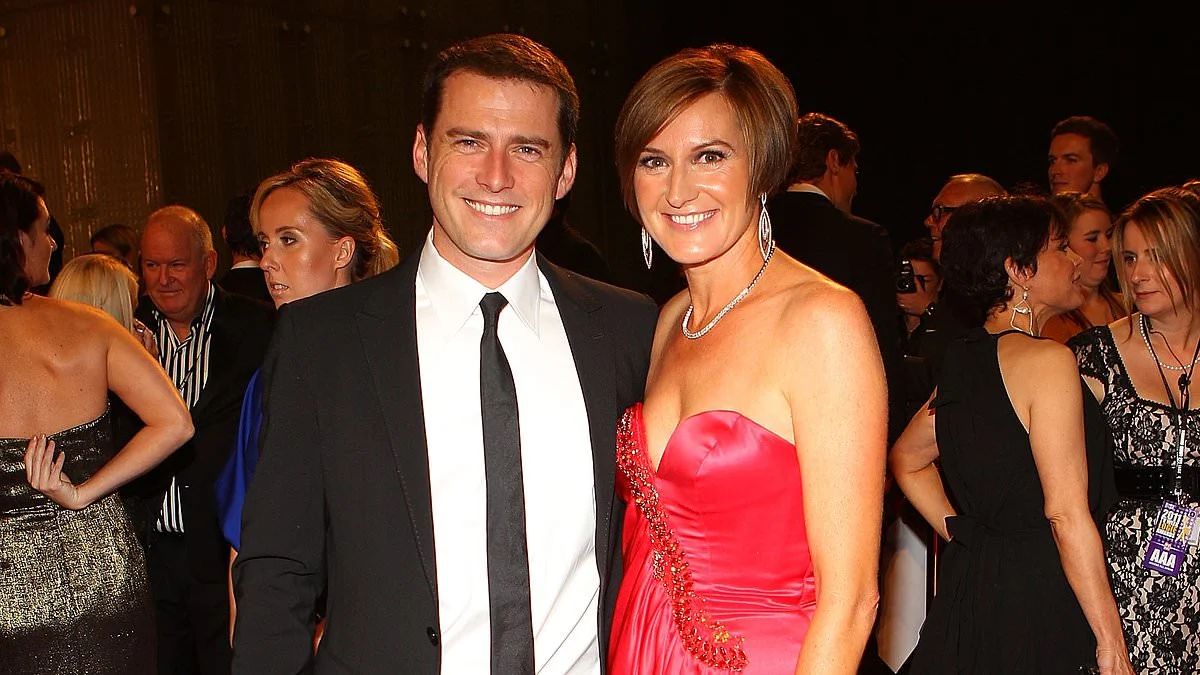
Cassandra Thorburn, the veteran television journalist and media personality, has broken her silence regarding the lack of communication from her former husband, Karl Stefanovic, following her highly publicized battle with a rare form of breast cancer. In an expansive interview with The Sydney Morning Herald published this week, Thorburn, 55, revealed that the high-profile Nine Network host has not reached out to her since she announced her diagnosis in February 2026. The revelation has reignited public interest in the complex relationship between the former couple, who were once considered a cornerstone of the Australian media landscape before their high-profile separation a decade ago.
Thorburn’s comments come at a pivotal moment in her recovery. Having been declared cancer-free following months of intensive treatment, she continues to undergo radiation and immunotherapy to ensure the disease remains in remission. During the interview, she was asked directly whether Stefanovic had offered any support or acknowledgment of her health crisis. Her response was pointed: "No, I know who he is. It’s others that don’t," she remarked, suggesting a long-standing awareness of his character that she believes the broader public may not fully grasp.
The Intersection of Health and Personal History
The history between Cassandra Thorburn and Karl Stefanovic is one of significant professional and personal intersection. The pair was married for 21 years, from 1995 until 2016, a period during which Stefanovic rose to become one of Australia’s most recognizable television personalities. Thorburn, who began her career as a respected journalist, famously stepped back from her professional aspirations to support Stefanovic’s career and raise their three children: Jackson, now 25, Ava, 19, and River, 18.
This sacrifice was famously acknowledged by Stefanovic during his 2011 Logie Awards acceptance speech, where he publicly thanked Thorburn for "giving up" her career to facilitate his success. However, the goodwill of those years appeared to evaporate following their split in 2016. The separation was described by various media outlets as acrimonious, marked by public legal proceedings and a clear division in their social and professional circles. Stefanovic eventually remarried in 2018, tying the knot with former model Jasmine Yarbrough, with whom he shares a six-year-old daughter, Harper.
The Phenomenon of Cancer Ghosting
Beyond the personal grievances with her ex-husband, Thorburn used her platform to address a broader sociological issue she termed "cancer ghosting." This phenomenon refers to the tendency of friends, family members, or acquaintances to withdraw from a person’s life following a serious medical diagnosis. Thorburn noted that while the physical toll of cancer treatment is immense, the psychological impact of being abandoned by one’s social circle can be equally devastating.
"Some people either don’t know what to say or, just too much time passes in their head," Thorburn explained to the Herald. She emphasized that while patients often have "zero expectation" of others when they are diagnosed, the act of people leaving their lives entirely creates a unique form of trauma. She had previously addressed this "taboo topic" in a raw video shared with her followers in May, where she questioned why social withdrawal can be more painful than the medical treatment itself.
Thorburn’s advocacy on this front is grounded in the reality that cancer survivors often face a "secondary loss"—the loss of social identity and support systems. Experts in psycho-oncology suggest that "ghosting" often stems from the observer’s own fear of mortality or an inability to process the vulnerability of a peer. Thorburn noted that she does not blame those who have distanced themselves, attributing it to their "emotional limitations rather than their lack of care."
Medical Context: The Importance of Early Detection
Thorburn’s diagnosis in early 2026 was particularly significant due to the nature of the cancer. She was diagnosed with a rare form of breast cancer that, according to medical reports, might not have been detected through standard screening protocols alone. She has since become a vocal advocate for free mammograms and regular health checks, noting that her survival was largely dependent on early detection and the availability of specialized diagnostic tools.
In Australia, breast cancer remains the most commonly diagnosed cancer among women. According to data from the Australian Institute of Health and Welfare (AIHW), approximately 20,000 women are diagnosed with breast cancer annually. While the five-year survival rate has improved significantly—now exceeding 90%—rare and aggressive forms of the disease require heightened vigilance. Thorburn’s case serves as a high-profile reminder of the efficacy of public health initiatives like BreastScreen Australia, which provides free screenings to women over a certain age.
Critiques of the Media Landscape
In addition to her health and personal reflections, Thorburn took the opportunity to critique the current state of Australian media, specifically targeting Stefanovic’s latest professional venture. Stefanovic recently launched a right-wing podcast titled The Karl Stefanovic Show, a move that signals a shift from his traditional morning television roots toward the burgeoning digital "personality-led" media market.
Thorburn claimed that her former spouse has always been drawn to "clickbait" tactics, suggesting that his new podcast is an extension of a long-term professional strategy. This critique highlights a broader tension in the media industry, where traditional journalists and presenters are increasingly moving toward polarizing digital platforms to maintain relevance and audience engagement in a fragmented market.
While Stefanovic has not publicly responded to Thorburn’s latest comments, his professional trajectory continues to be a subject of intense scrutiny. As the host of the Nine Network’s Today show, he remains a dominant figure in broadcast media, yet his pivot to podcasting reflects the shifting consumption habits of the Australian public.
The Impact of Public Divorce on Long-term Dynamics
The ongoing public dialogue between Thorburn and Stefanovic, even a decade after their divorce, underscores the lasting impact of high-profile separations. In the case of the Thorburn-Stefanovic split, the narrative has often been framed around the "sacrificial wife" versus the "ambitious husband." Thorburn’s recent comments suggest that the wounds of the separation have not entirely healed, particularly when viewed through the lens of a life-threatening illness.
Legal and social experts often point to such cases as examples of how public figures navigate private crises under the lens of the media. For Thorburn, the journey from a supportive spouse to a cancer survivor and independent advocate has been marked by a reclaiming of her own voice. Her decision to speak out about "cancer ghosting" and the lack of support from her ex-husband is seen by many as an attempt to destigmatize the messy realities of recovery and relationship breakdown.
Broader Implications and Future Outlook
As Cassandra Thorburn continues her immunotherapy and radiation, her focus remains on her health and her three adult children. The children—Jackson, Ava, and River—have largely remained out of the public fray, though they have been a central pillar of Thorburn’s support system throughout her treatment.
The silence from the Stefanovic camp regarding the cancer diagnosis highlights a modern reality of "parallel lives" following divorce. While they share children and a significant history, the lack of a unified front during a health crisis illustrates the depth of the estrangement. It also raises questions about the expectations placed on former partners in the public eye.
Thorburn’s story is ultimately one of resilience. By speaking candidly about the "taboo" aspects of cancer—both the medical and the social—she has provided a roadmap for others facing similar challenges. Her critique of the "clickbait" nature of modern media and her insistence on the importance of genuine human connection serves as a counter-narrative to the polished, often superficial world of celebrity journalism.
In the coming months, Thorburn is expected to continue her advocacy work, focusing on the mental health of cancer survivors and the critical importance of early diagnostic screening. As for the relationship with her ex-husband, her recent statements suggest that while the public may continue to link their names, Thorburn has moved into a phase of life defined by her own survival and her own terms. The Australian public, long invested in the Stefanovic saga, is now witnessing the emergence of Thorburn as a singular, influential voice in the national conversation on health and social responsibility.
