
 By Jia Lissa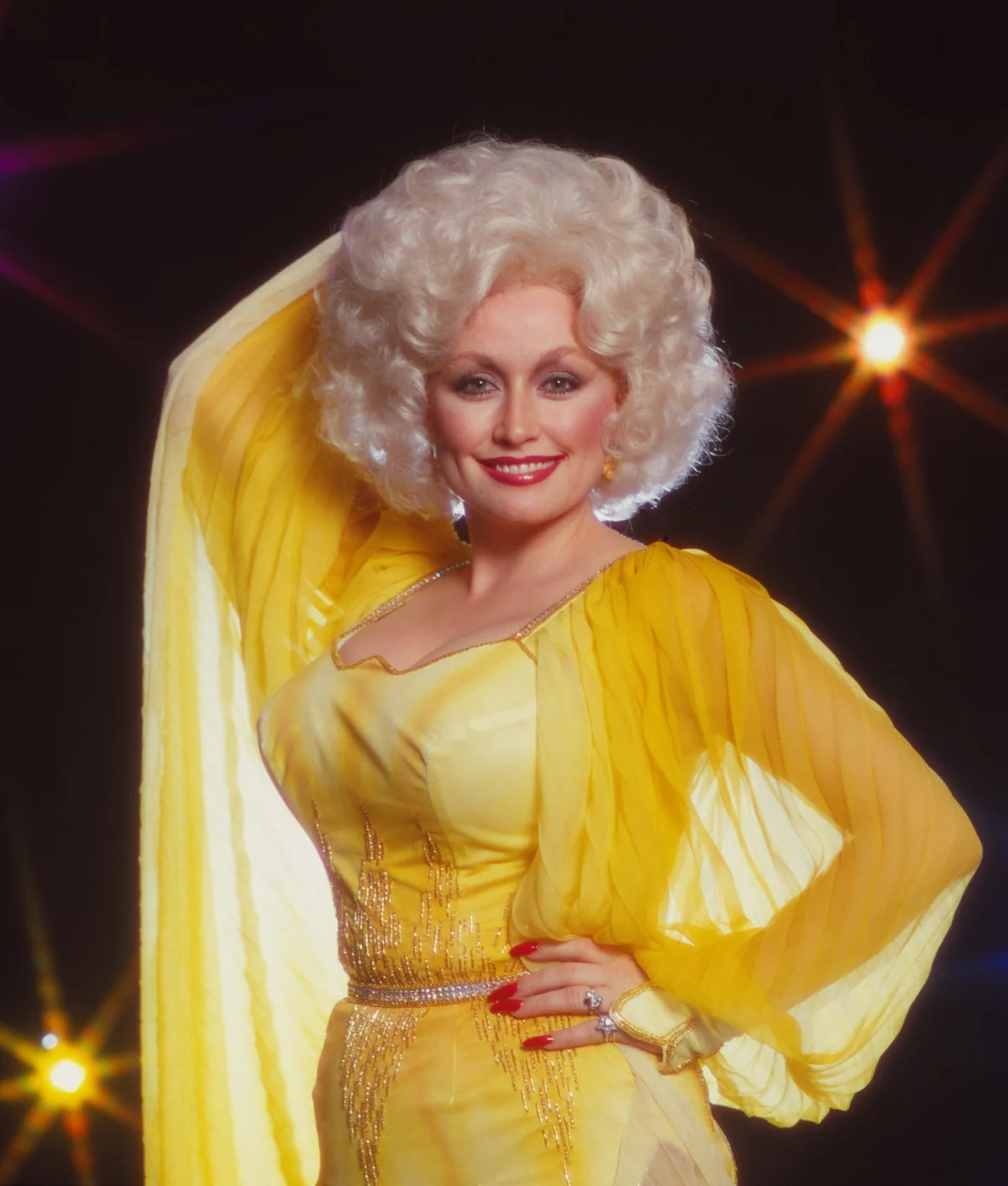
The Metropolitan Museum of Art’s Costume Institute faced significant public outcry yesterday following the announcement of its 2027 theme, "John Galliano: Horizons," and the designer’s intended role as honoree. The decision to spotlight Galliano, a figure with a documented history of antisemitic and racist remarks, including a 2011 conviction in France for "public insults" based on origin, religion, race, or ethnicity, ignited widespread criticism. In response to the intense backlash, John Galliano has reportedly withdrawn his participation from the event.
Amidst this controversy, a powerful and inclusive alternative has emerged: the enduring legacy and radiant spirit of Dolly Parton. This suggestion is not merely a deflection but a profound call to reconsider the values and inspirations that should define such a prominent cultural celebration. Unlike figures whose careers have been marred by deeply offensive conduct, Parton has consistently embodied a spirit of unwavering positivity, generosity, and creative self-expression, making her an ideal candidate to honor.
The Controversy Surrounding the Met Gala’s Initial Choice
The Metropolitan Museum of Art, a bastion of artistic and cultural preservation, found itself at the center of a significant ethical debate. The selection of John Galliano as the focal point for its 2027 exhibition and gala, an event synonymous with high fashion and cultural prestige, was met with immediate and widespread condemnation. Fashion critics, industry leaders, and the general public alike questioned the museum’s judgment in bestowing such an honor upon an individual whose past actions have caused considerable pain and offense.
The historical context of Galliano’s 2011 conviction for "public insults" on grounds of race, religion, and origin, stemming from documented antisemitic and racist tirades, cast a long shadow over the announcement. This conviction, widely reported and condemned at the time, raised serious questions about the Met’s vetting process and its commitment to inclusivity and combating discrimination. The outcry wasn’t just about a past transgression; it was about the message sent by celebrating an individual whose public behavior ran counter to the progressive values many expect from a leading cultural institution. Social media platforms became a torrent of criticism, with many calling for boycotts and demanding accountability from the museum’s leadership. The immediate withdrawal of Galliano, while a concession to public pressure, highlights the profound impact of such decisions and the evolving expectations of accountability in the cultural sphere.
A Vision of Authentic American Glamour: Dolly Parton
In stark contrast to the controversy, Dolly Parton presents a compelling alternative – a figure who has consistently used her immense talent and influence for good, embodying a spirit of joy, resilience, and unapologetic self-creation. Her life and career offer a rich tapestry of inspiration, far removed from any shadow of prejudice or negativity.
Valerie Monroe, in a recent piece for Allure, eloquently captured the essence of Parton’s appeal, highlighting her "great natural beauty" that transcended conventional definitions. While Parton is renowned for her signature heavy makeup, towering wigs, and embrace of cosmetic surgery, Monroe emphasized the undeniable authenticity at her core. This physical transformation, as described by Monroe, was not about conformity but a "playful, creative, an exercise in extravagance, a loving tribute to the ‘trashy’ character she wanted to be." This deliberate creation of a persona, rooted in a formative encounter with her childhood style icon – the "town tramp" – demonstrates a profound understanding of character and performance, a trait that resonates deeply within the world of fashion and art. Parton’s commitment to this carefully crafted image never wavered, demonstrating a singular vision and unwavering self-possession.
Rejection of "Quiet Luxury" for Unabashed Spectacle
Dolly Parton’s aesthetic choices stand in direct opposition to contemporary trends like "quiet luxury" and "clean girl beauty." Her signature style, characterized by an abundance of feathers, fringes, plunging necklines, skin-tight fabrics, and copious amounts of rhinestones, is a deliberate rejection of understated elegance in favor of flamboyant self-expression. Parton famously quipped, "It takes a lot of money to look this cheap," a testament to her understanding that her extravagant style was a conscious, costly pursuit of a specific artistic vision.
However, the foundation of Parton’s sartorial journey is far more profound than mere extravagance. Her earliest and perhaps most iconic adornment was her "Coat of Many Colors," a garment meticulously sewn from rags by her mother. This humble yet deeply symbolic coat, worn with immense pride, has been recognized by publications like American Songwriter as one of the most famous pieces of clothing in music history, alongside Prince’s raspberry beret and Elvis Presley’s blue suede shoes. This recognition underscores Parton’s innate understanding of how clothing can imbue memory, emotion, and profound personal narratives. As Vanessa Friedman noted in the New York Times, the coat’s significance extends beyond personal sentiment, becoming a symbol of resourcefulness and love.
A Powerful Voice Through Fashion and Philanthropy
Parton’s embrace of bold fashion was intrinsically linked to her ability to amplify her voice and convey her values. Her outward appearance served as a powerful platform for her messages, which consistently championed inclusivity, kindness, and resilience. In a 2021 interview with Allure, she articulated her philosophy on aging and self-care, stating, "I’ll do what’s best for me, as everybody should." This statement encapsulates her unwavering commitment to personal autonomy and her acceptance of diverse choices, both aesthetic and otherwise.
While Parton has never attended the Met Gala, and it remains unknown if she has ever been formally invited, her grasp of the transformative power of costume far exceeds that of many who grace its iconic steps. Her influence on the fashion world is undeniable, inspiring designers such as Alessandro Michele, who paid homage to her with a denim jacket featuring her portrait in his Gucci Spring/Summer 2019 collection. Even John Galliano, ironically, drew inspiration from Parton for his Fall 1999 ready-to-wear show, featuring "Jolene" as models walked the runway in styles reminiscent of her aesthetic.
.jpg)
Rebecca Bengal, in a 2014 Vogue essay titled "Why Dolly Parton Doesn’t Need Fashion (And Why Fashion Desperately Needs Dolly)," urged readers to consider the lessons offered by one of fashion’s most unexpected muses. Bengal highlighted numerous collections from esteemed houses like Chanel, Rodarte, and Prada that have incorporated "fashion Dollyisms," underscoring Parton’s enduring impact on the industry.
The Potential of a Parton-Themed Met Gala
Imagine a Met Gala where the red carpet becomes a vibrant celebration of pure sartorial joy, a profound homage to a woman who adored fashion precisely because she defied its fleeting trends. A celebration of a woman who understood that true style lies not in conformity but in authentic self-expression. Parton’s philosophy, "I would never stoop so low" as to be fashionable, encapsulates her independent spirit. She consistently demonstrated her commitment to her values, famously stating, "I’m very real where it counts, and that’s on the inside." Her philanthropy further exemplifies this ethos, with a consistent record of giving back and ensuring her wealth benefited others, famously stating she did not want to "die a rich woman."
In Allure‘s 2017 "American Beauty" issue, celebrities were invited to define the term. Parton’s response was remarkably prescient and deeply resonant: "A true American beauty is a person who loves everybody regardless of race, religion, or sexual orientation. In today’s crazy world, we need more love and less hate. If everyone respects one another, the world would be a much better place." This sentiment, offered in an era increasingly marked by division, would resonate powerfully if amplified by one of the year’s most prominent cultural events.
A Met Gala themed around Dolly Parton would not only celebrate her unparalleled contributions to music, culture, and fashion but would also serve as a powerful statement of unity and love. It would provide a platform to showcase the transformative power of creativity, the beauty of unapologetic individuality, and the enduring strength of a generous spirit. Such a theme would offer a much-needed counterpoint to the negativity and division that often permeate public discourse, offering a luminous vision of what it means to be truly beautiful, both inside and out.
Broader Implications and the Future of Cultural Honors
The controversy surrounding the Met Gala’s initial choice and the subsequent proposed alternative illuminate a critical dialogue about accountability and representation within cultural institutions. The public’s immediate and vocal reaction underscores a growing demand for ethical considerations to be paramount in the selection of honorees and thematic content.
Timeline of Events:
- Past: John Galliano’s documented instances of antisemitic and racist remarks.
- 2011: Galliano is found guilty in France of "public insults" based on origin, religion, race, or ethnicity.
- Recent Past: Allure publishes articles highlighting Dolly Parton’s beauty, style, and authenticity.
- Yesterday: Metropolitan Museum of Art announces 2027 Met Gala theme as "John Galliano: Horizons" and honoree.
- Yesterday/Today: Intense public backlash and widespread criticism directed at the Met Museum.
- Today: John Galliano reportedly withdraws from the event.
Analysis of Implications:
The Met Museum’s initial decision, however unintentional, risked legitimizing or at least overlooking deeply harmful behavior. The swift and significant backlash demonstrates that public opinion holds considerable sway and that institutions can no longer operate without rigorous scrutiny of their choices. The proposed alternative of honoring Dolly Parton highlights a desire for cultural touchstones that embody positive values and offer inclusive inspiration.
The implications for the Met Museum are significant. They must now navigate the fallout of this controversy and rebuild trust with a public that expects more from its cultural leaders. Future decisions regarding honorees and themes will undoubtedly be subject to even greater scrutiny. This episode serves as a potent reminder that artistic merit cannot exist in a vacuum, separate from ethical considerations and the broader societal impact of the individuals and ideas being celebrated. The potential for a Dolly Parton-themed Met Gala, therefore, represents not just a shift in aesthetic but a profound affirmation of values that resonate deeply with the public – a celebration of joy, authenticity, and unconditional love.
Further Reading on Dolly Parton’s Enduring Legacy:
- Dolly Parton Was a Natural Beauty
- Dolly Parton Shares Her Favorite Beauty Looks of All Time
- How Dolly Parton Has Remained Authentically Herself
