
 By Jia Lissa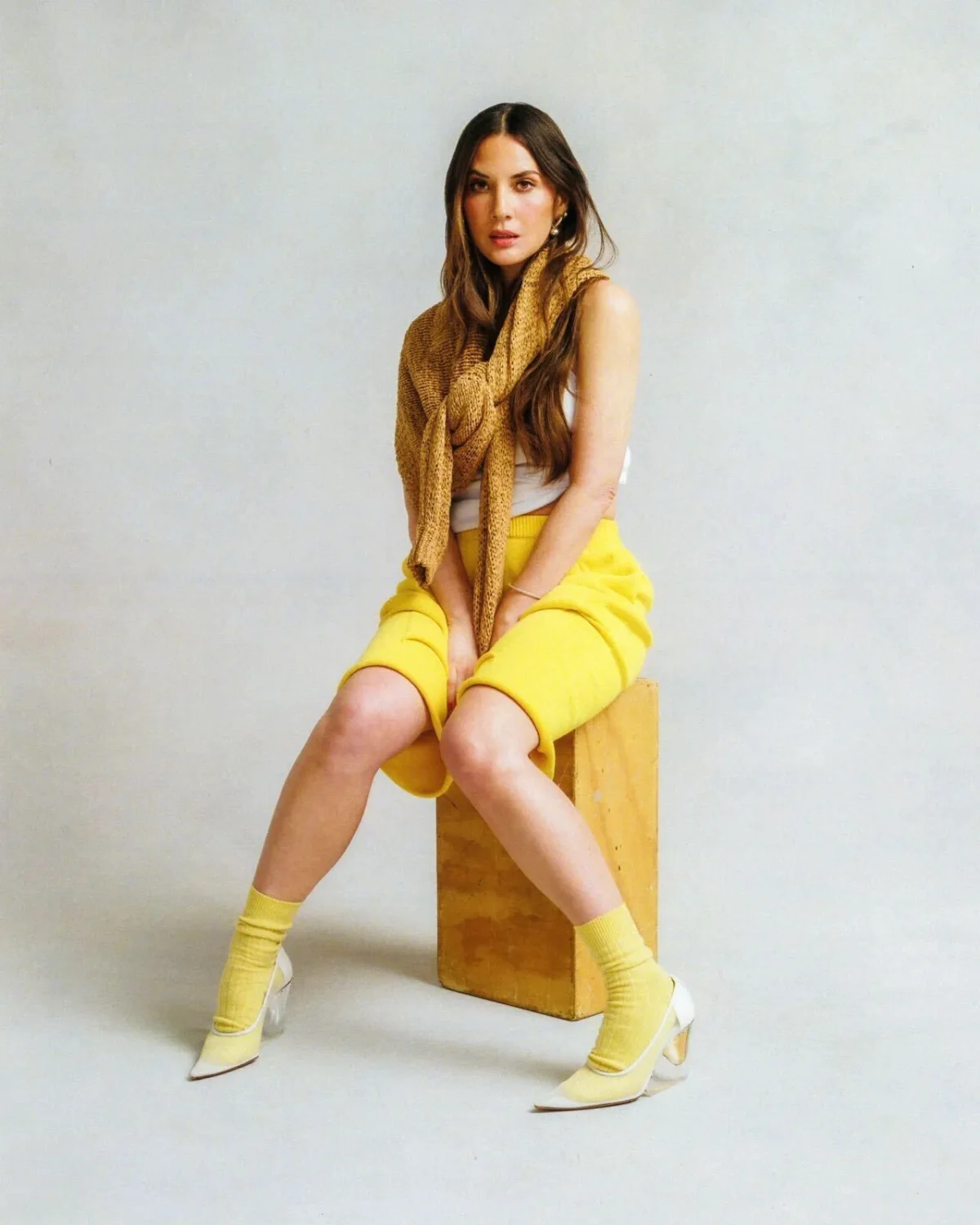
The debut season of Allure Perspectives, a new podcast series hosted by editor in chief Jessica Cruel, is delving into one of the most deeply personal and medically significant aspects of a woman’s anatomy: breasts. Through a compelling blend of expert interviews, intimate personal narratives, and historical exploration, the podcast aims to illuminate the multifaceted ways breasts intersect with prevailing notions of beauty, critical health concerns, personal identity, sexuality, and broader cultural landscapes. The inaugural episode prominently features actress Olivia Munn, who shares her harrowing experience with postpartum breast cancer, offering a powerful and timely perspective on a condition that affects millions. The series promises weekly installments, available on all major podcast platforms.
Olivia Munn’s Courageous Revelation of Postpartum Breast Cancer
Actress Olivia Munn, at the age of 41, welcomed her son Malcolm into the world. Tragically, less than 18 months later, in April 2023, she received a life-altering diagnosis: postpartum breast cancer. This specific classification refers to breast cancer detected within a five to ten-year period following childbirth, a critical window that often goes under-screened due to assumptions of reduced risk in younger, post-childbirth individuals.
Since her diagnosis, Munn has bravely chronicled her health journey on social media, a decision she explained was rooted in her own search for solace and guidance. "When I was diagnosed with breast cancer, whenever I felt lost or unsure, I would search online for women who had gone through [it]," Munn confided to Jessica Cruel on the premiere episode of the Perspectives podcast. "I was looking for hope [and] guidance through their stories." Her treatment plan was extensive and arduous, encompassing five surgeries, including procedures that induced temporary surgical menopause.
Munn articulated that the profound experiences of becoming a mother, navigating the postpartum period, and confronting breast cancer stand as the three most significant turning points in her life. The podcast’s initial episode provided a platform for her to candidly discuss the most challenging aspects of each of these transformative phases.
Navigating the Storms: Postpartum Anxiety, Breastfeeding Realities, and a Cancer Diagnosis
The Unforeseen Onslaught of Postpartum Anxiety
Following the birth of her son, Munn experienced a period of intense postpartum anxiety, exacerbated by financial concerns stemming from her extended absence from acting work during her pregnancy and early motherhood. "I was ready for depression," she admitted, referencing the widely discussed mental health challenges associated with the postpartum period. "I had heard about that all over the place for years." However, the overwhelming and persistent anxious feelings that enveloped her were, at first, without a name. It wasn’t until months postpartum that she learned to identify and acknowledge this specific form of anxiety. "The floor went out from under me," Munn described the disorienting sensation. "I was just falling and falling and falling." This personal account underscores the critical need for greater awareness and accessible mental health support for new mothers.
The Discrepancy Between Breastfeeding Ideals and Lived Experience
Munn also shared her struggles with breastfeeding, contrasting the often-idealized images of mothers nursing their infants with the demanding reality. While her son, Malcolm, latched effectively from the outset, Munn encountered significant difficulties in establishing a sufficient milk supply. Despite diligently consulting lactation specialists, maintaining hydration, practicing meditation, and employing other recommended strategies, milk production remained a challenge. The pervasive societal emphasis on "breast is best" added another layer of pressure. Consequently, Munn persisted in her efforts until she realized her son was not consuming enough nourishment. "We got him onto formula," she stated, noting the positive impact. "He thrived after that." This experience highlights the diverse realities of breastfeeding and the importance of maternal well-being over adherence to rigid societal expectations.
An Unexpected and Aggressive Breast Cancer Diagnosis
Munn’s decision to be so open about her breast cancer journey stems from a profound realization: she had consistently believed herself to be at low risk for the disease. "I was doing all the right things," she emphasized, "And yet I had an aggressive form of cancer." Her annual mammogram, a routine screening tool, had yielded no signs of malignancy. Furthermore, an ultrasound performed just one month prior to her diagnosis also came back clear. It was only through an MRI that she was diagnosed with multifocal, multiquadrant, bilateral luminal B, ER+/PR+/HER2- breast cancer – a particularly aggressive subtype.
This critical juncture was reached thanks to the vigilance of her obstetrician-gynecologist, Dr. Thaïs Aliabadi. Despite the preceding clear test results, Dr. Aliabadi ordered additional imaging after Munn scored a concerning 37.3% on the Tyrer-Cuzick risk model. This assessment tool is designed to estimate an individual’s lifetime risk of developing breast cancer based on various lifestyle and genetic factors. Munn’s elevated score prompted further investigation, ultimately leading to her diagnosis.
Munn is now actively collaborating with Senator Mark Kelly of Arizona on legislative efforts aimed at making comprehensive risk assessment a standard component of routine gynecological care across the nation. "So that we can hopefully get every doctor in our country to make it part of their standard of care," Munn expressed, underscoring the urgency of proactive breast cancer risk evaluation.
Surgical Interventions and Reconstructive Choices
The Profound Decision for Surgical Menopause
In addition to undergoing a double mastectomy, Munn made the courageous decision to have an oophorectomy, which involved the removal of her ovaries, fallopian tubes, and uterus. Having previously frozen her eggs at ages 33 and 39, Munn was well-prepared for the possibility of future family building through alternative means. She found the medication used to induce temporary medical menopause during her cancer treatment to be debilitating, causing such profound fatigue that she struggled to leave her bed.
While societal pressures often emphasize fertility preservation for women facing such decisions, Munn recognized the significant risks associated with carrying another pregnancy. She and her husband, John Mulaney, subsequently welcomed their second child via surrogacy in 2024. Ultimately, Munn prioritized her immediate health and well-being, opting for surgery that would provide relief from the debilitating side effects of her medication and offer a definitive path forward.
Embracing "Small and Chic" Breasts Post-Reconstruction
Munn initially contemplated foregoing breast reconstruction after her mastectomy. However, Dr. Aliabadi advised a different course of action. "Dr. Aliabadi said, ‘Look, you’re about to go through a lot. Your body’s going to change,’" Munn recalled. "’If you want to just take the implants out, you can do that later. But I would suggest not shocking every part of your identity.’"
It is crucial to distinguish reconstructive surgery from aesthetic breast augmentation. Due to the necessity of removing all breast tissue to minimize the risk of cancer recurrence, Munn required circular implants. These differ from the teardrop-shaped implants typically used in augmentation, which rely on existing breast tissue for natural positioning and asymmetry.
"When they rolled me into surgery, the last thing I said was ‘small and chic, please,’" Munn shared, expressing her profound satisfaction with the aesthetic outcome of her reconstruction.
In 2024, Munn made a powerful statement by showcasing her mastectomy scars in a campaign for Skims. This act of vulnerability, as she described, was driven by a desire to normalize her post-surgical body. "I don’t like some of these things [about my body], but I don’t feel insecure," Munn stated. Her willingness to share every detail of her health journey stems from a deep-seated purpose: "When I get asked about any part of my health journey, it feels like I have a purpose." Her advocacy aims to empower other women facing similar challenges, providing them with relatable experiences and a sense of shared understanding.
The Broader Impact: Normalizing Conversations Around Breast Health and Identity
Olivia Munn’s candid disclosures on the Allure Perspectives podcast have significant implications beyond her personal narrative. Her willingness to discuss postpartum anxiety, the challenges of breastfeeding, and the complex realities of breast cancer diagnosis and treatment contributes to a vital societal conversation. By humanizing these often-stigmatized experiences, Munn is helping to dismantle the silence and shame that can surround women’s health issues.
The podcast’s exploration of breasts as a site of beauty, health, identity, and sexuality is particularly timely. In a culture that often sexualizes and objectifies female breasts, Allure Perspectives offers a counter-narrative, emphasizing their crucial role in health and well-being. Munn’s story, in particular, highlights the limitations of traditional screening methods for certain aggressive forms of breast cancer and underscores the importance of personalized risk assessment and proactive medical care.
Her advocacy for legislative change regarding breast cancer risk assessment reflects a growing movement to shift from reactive treatment to proactive prevention and early detection. By partnering with lawmakers, Munn is leveraging her platform to effect systemic change, ensuring that future generations of women may benefit from more comprehensive and individualized healthcare.
The podcast’s emphasis on reconstruction and the acceptance of altered bodies also speaks to a broader cultural shift towards body positivity and self-acceptance. Munn’s assertion that she doesn’t feel insecure despite not liking certain aspects of her post-surgical body is a powerful message of resilience and self-love. Her journey suggests that true empowerment lies not in conforming to perceived ideals, but in embracing one’s lived experience with courage and authenticity.
Ultimately, Allure Perspectives and Olivia Munn’s contributions to its inaugural episode serve as a potent reminder of the ongoing need for open dialogue, comprehensive medical understanding, and unwavering support for women navigating the complex terrain of their health and identity.
Listen to the full episode:
To delve deeper into Munn’s experiences, including her response to the pervasive question, "Do you feel like your body betrayed you?", listen to the complete episode of Allure Perspectives. The podcast is accessible on Apple Podcasts, Spotify, and other major podcast platforms.
