
 By admin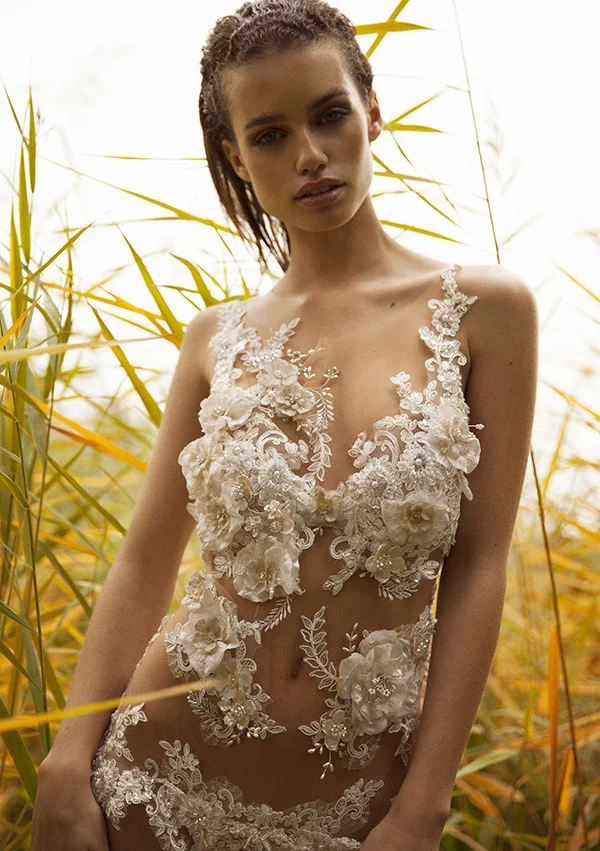
The landscape of the independent intimate apparel industry is witnessing a significant shift toward artisanal, slow-fashion models, a movement exemplified by the emergence of English designer-maker Florence Morris-Clarke. Founded in 2022, the eponymous label has garnered attention for its departure from traditional manufacturing, instead favoring a design language rooted in Celtic literature, folkloric art, and the intricate technicalities of wirework. Morris-Clarke’s approach seeks to redefine the relationship between the wearer and the garment, positioning lingerie not merely as a functional item of clothing but as a primary medium for self-expression and personal narrative.
The Academic and Professional Genesis of the Label
The trajectory of Florence Morris-Clarke began within the rigorous academic environment of the London College of Fashion, where she specialized in Contour Design. This specific field of study is recognized globally for its focus on the technical engineering of garments that must adhere strictly to the human form, such as lingerie, swimwear, and foundation wear. Morris-Clarke’s entry into this niche was somewhat serendipitous; while initially researching a career in costume design, she identified the structural complexities of contour design as a more precise fit for her creative ambitions.
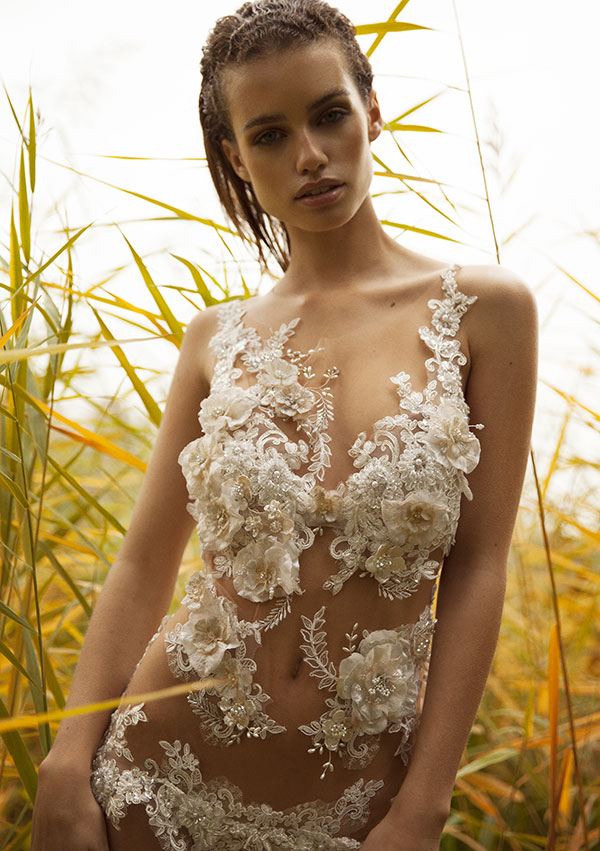
Upon graduating, Morris-Clarke spent several years refining her craft within the industry, working for established brands where she gained insight into the logistical and creative demands of high-end intimate apparel. However, the transition from industry professional to independent entrepreneur was prompted by a desire to explore more ethereal and elaborate aesthetics that were often sidelined by the commercial requirements of larger labels. Her founding philosophy was built on the premise that lingerie should allow women to feel "magical, seductive, and curious," emphasizing the psychological impact of the garments.
Technical Innovation Through Cross-Disciplinary Craft
A defining characteristic of the Florence Morris-Clarke brand is its unique integration of jewelry-making techniques into garment construction. This development was born out of necessity and ingenuity. During the early stages of her label’s development, Morris-Clarke found that the high-quality, specialized fabrics she wished to utilize were often inaccessible to independent designers operating on limited budgets or requiring smaller quantities than industrial minimums.
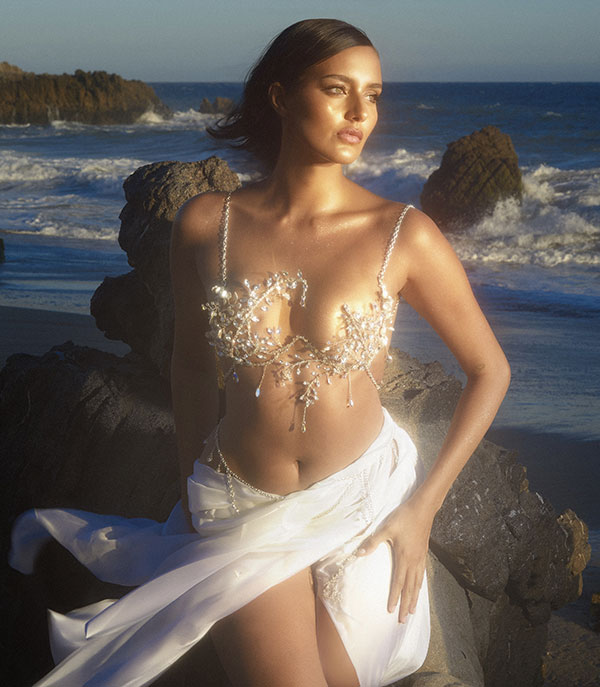
This obstacle led to a pivotal collaboration with her mother, a professional jeweler. Under her mother’s tutelage, Morris-Clarke mastered various wirework techniques, which she subsequently adapted for the body. By experimenting with how rigid and semi-rigid wires could follow the organic curves of the torso, she developed a signature style that bridges the gap between wearable art and traditional lingerie. This methodology resulted in the creation of her flagship capsule collection, which features wire and crystal bras that function as structural sculptures for the body.
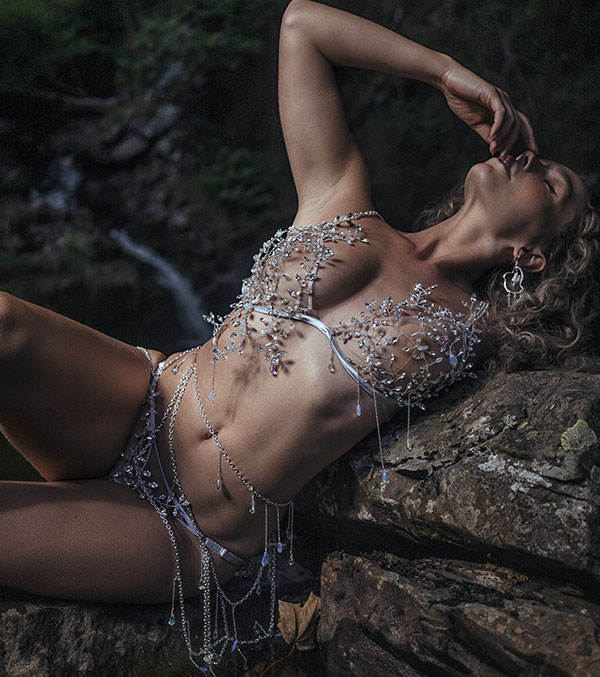
The technical execution of these pieces involves the use of dangling gemstones, semi-precious stones, and nearly invisible tulle fabrics. When combined with shimmering silver satin for structural integrity and adjustability, the garments create an aesthetic described by observers as "wearing water." The designer’s ability to balance the delicacy of fine mesh with the structural demands of wirework represents a significant technical achievement in the field of contemporary contour design.
Chronology of Brand Development and Sustainability Milestones
Since its inception in 2022, the Florence Morris-Clarke label has followed a deliberate "slow fashion" timeline:
- 2022: Official launch of the brand, debuting a range of corsetry and soft-cup designs inspired by natural elements.
- Late 2022 – Early 2023: Integration of wirework and crystal elements following the designer’s research into jewelry techniques.
- 2023: Expansion of material sourcing to include luxury deadstock lace and recycled-fiber satins, aligning the brand with global sustainability trends.
- 2024: Formalization of the zero-waste initiative, establishing a partnership with local companies to upcycle fabric scraps into functional home goods.
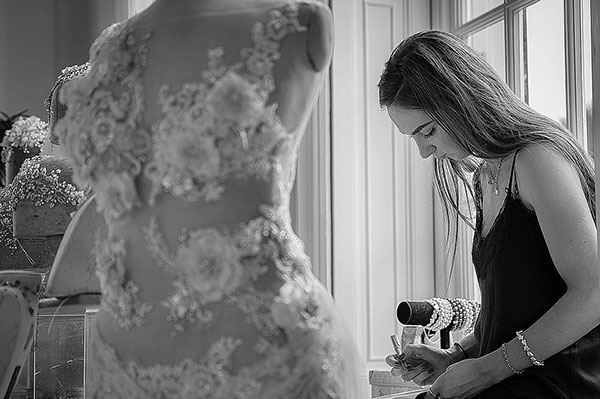
The brand’s commitment to sustainability is not merely a marketing strategy but a core operational principle. Morris-Clarke has publicly critiqued the "throw-away society" that dominates the modern fashion industry, asserting that the global market does not require a higher volume of products, but rather products of higher intrinsic value and longevity. To this end, every garment produced by the studio is made-to-order, a process that inherently reduces overproduction and allows for bespoke adjustments tailored to the individual customer’s measurements.
Materiality and the Folklore Aesthetic
The aesthetic identity of the label is deeply intertwined with the natural world and historical narratives. Morris-Clarke draws heavily from the textures and themes found in Celtic folklore, which often emphasize the intersection of the mundane and the magical. This is reflected in her choice of materials:
- Natural Fibers: The use of linen provides a grounded, historical texture that contrasts with the more modern, synthetic elements of traditional lingerie.
- Recycled and Deadstock Fabrics: By utilizing recycled-fiber satin and luxury deadstock lace—remnants from larger fashion houses—the brand minimizes its environmental footprint while accessing high-tier materials.
- Organic Adornments: Freshwater pearls and semi-precious stones are frequently used to string together hip ties or decorate off-shoulder details, reinforcing the connection to natural beauty.
- Metal and Crystal: The wireframes and crystal clusters serve as the "structural jewelry" of the collection, providing a visual intricacy that mimics the complexity of folkloric art.
Economic Analysis and Market Positioning
Florence Morris-Clarke operates within the luxury artisanal tier of the intimate apparel market. The pricing structure reflects the labor-intensive nature of the production process, where each piece is handcrafted by the designer herself.
The wire and crystal collections are positioned at the highest price point, ranging from £385 to £1,550 (approximately $520 to $2,100). These items are marketed as investment pieces, featuring detachable elements that allow for easier laundering and maintenance, thereby extending the garment’s lifespan. The corsetry and accompanying coordinates are priced more accessibly, between £175 and £425 (approximately $240 to $575), though they remain firmly within the premium sector.
The brand’s sizing strategy also reflects a commitment to inclusivity, which is often a challenge for artisanal labels. By offering a standard range from XXS to XXL in bras and a variety of sizes in corsets and bottoms (up to US size 16), Morris-Clarke ensures that her "folklore-inspired" vision is accessible to a broad demographic of women. This inclusive approach, combined with the bespoke nature of made-to-order production, allows the brand to cater to body types that are frequently underserved by mass-market luxury brands.
Broader Impact on the Lingerie Industry
The rise of designers like Florence Morris-Clarke signals a broader shift in consumer behavior. As awareness of the environmental and ethical costs of fast fashion grows, a segment of the market is pivoting toward "slow" alternatives that prioritize craftsmanship and transparency. Morris-Clarke’s model demonstrates that an independent designer can successfully compete by offering a product that is fundamentally different from mass-produced goods—not just in design, but in the philosophy of its creation.
Furthermore, the brand’s success highlights the ongoing relevance of traditional craft in a digital age. By maintaining "hands-on forms of craft," as Morris-Clarke describes it, the label preserves techniques that might otherwise be lost to automation. The use of local upcycling for waste fabric also provides a template for how small-scale fashion businesses can contribute to a circular economy.

In conclusion, Florence Morris-Clarke has established a unique position within the fashion industry by merging the technical discipline of contour design with the imaginative depth of folklore and the precision of jewelry making. Her work serves as a case study in how modern designers can navigate the challenges of the contemporary market by returning to artisanal roots, prioritizing sustainability, and treating garments as a profound form of personal and cultural expression. As the label continues to evolve, it remains a prominent example of the potential for magic and meticulous handiwork to coexist within the sphere of functional design.
