
 By admin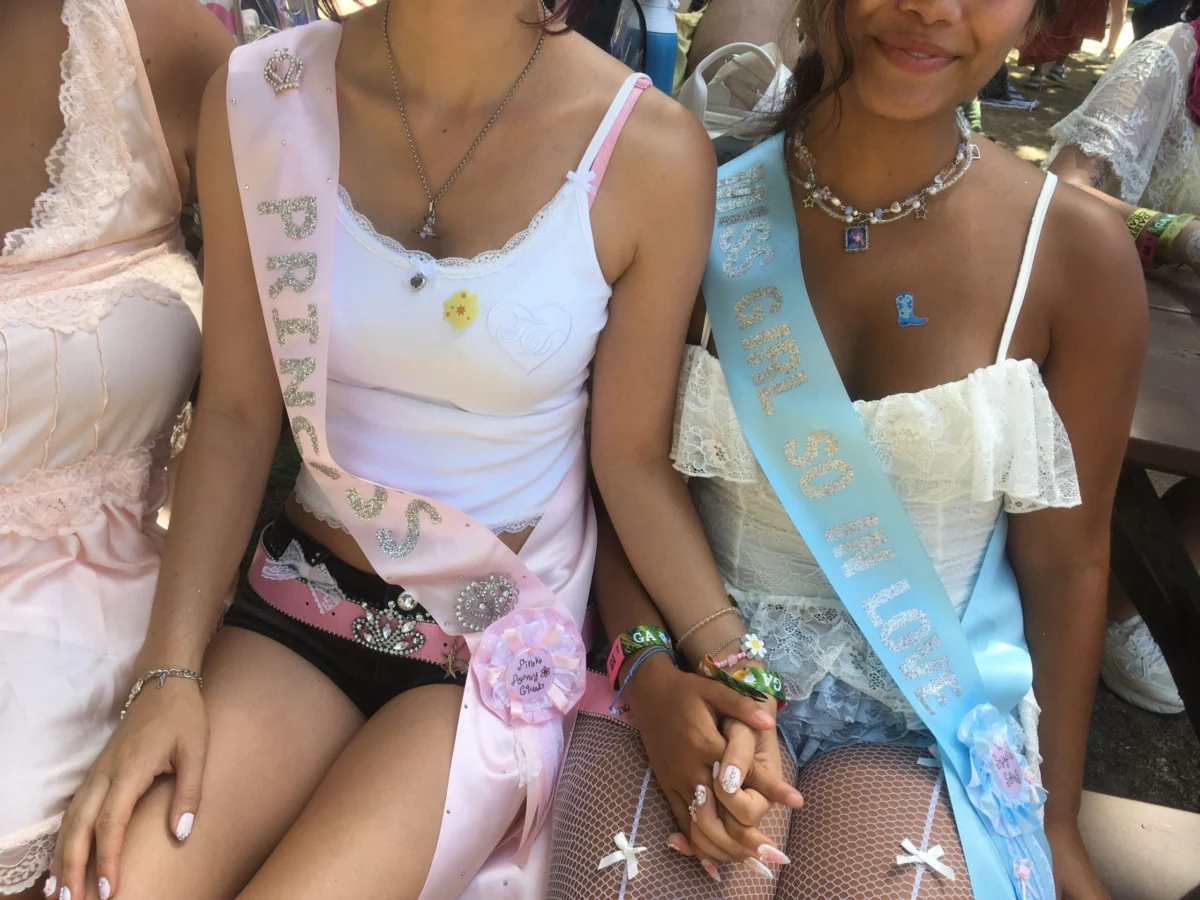
The inaugural Daisy Chain Fields Festival concluded recently, establishing itself as a significant cultural and philanthropic event. Thousands of attendees converged on the festival grounds, generating an atmosphere of collective empowerment and "amazing vibes," despite ambient temperatures exceeding 103 degrees Fahrenheit. Beyond the stellar musical performances, the festival garnered substantial attention for its unique mission: donating all proceeds, totaling an impressive $10 million, to ten non-profit organizations dedicated to supporting women and girls. This philanthropic impact was further amplified by a matching donation from Melissa French Gates, effectively doubling the total contribution to $20 million.
The festival was conceptualized and spearheaded by mega-pop star Olivia Rodrigo, who also headlined the women-led lineup. Rodrigo cited Lilith Fair founder Sarah McLachlan as her primary inspiration, signaling a deliberate effort to revive and evolve the legacy of women-centric music events. The roster of performers included prominent artists such as Chappell Roan, Doechii, and the legendary feminist punk band Bikini Kill, alongside special appearances from iconic figures like Stevie Nicks and Alanis Morissette, with McLachlan herself gracing the stage.

The Vision: A Festival for Empowerment and Change
Daisy Chain Fields was not merely a music festival; it was conceived as a powerful platform for social change and empowerment. Olivia Rodrigo, known for her candid lyrics and advocacy for young women, envisioned an event that would directly contribute to global gender equality initiatives. The festival’s explicit commitment to donating 100% of its proceeds to women and girls’ non-profits distinguishes it in the often commercially driven festival landscape. This model reflects a growing trend among artists and organizers to leverage large-scale events for significant social impact, moving beyond traditional charitable donations to integrate philanthropy into the core operational structure.
The inspiration drawn from Lilith Fair, the groundbreaking all-female touring festival of the late 1990s, underscores Daisy Chain Fields’ historical context. Lilith Fair, founded by Sarah McLachlan, broke barriers by demonstrating the commercial viability of a women-fronted lineup and creating a supportive community for female artists and fans. Rodrigo’s tribute to McLachlan and the inclusion of artists like Bikini Kill, a seminal band in the riot grrrl movement, firmly plants Daisy Chain Fields within a lineage of feminist musical activism. This connection suggests a conscious effort to blend contemporary pop sensibilities with a rich history of women challenging industry norms and advocating for social causes through music.

Philanthropic Impact: A $20 Million Commitment
The financial success of Daisy Chain Fields translates directly into substantial support for critical non-profit work. The initial $10 million in proceeds, generated through ticket sales, sponsorships, and merchandise, represents a significant achievement for an inaugural event. This figure alone positions the festival as a major philanthropic force. The subsequent matching donation from Melissa French Gates further cemented its impact.
A spokesperson for the Gates Foundation, speaking on the condition of anonymity, indicated that Ms. French Gates was deeply impressed by the festival’s clear mission and Olivia Rodrigo’s commitment to empowering women and girls. "The alignment between Daisy Chain Fields’ stated goals and the foundation’s long-standing dedication to gender equality made this partnership a natural fit," the spokesperson stated. "Investing in organizations that uplift women and girls is paramount to achieving global progress, and this festival provides both a platform for awareness and crucial financial resources."

The ten beneficiary non-profit organizations span a range of initiatives, likely including educational programs, healthcare access, economic empowerment, and advocacy against gender-based violence. While specific organizations were not publicly detailed in the initial reports, the focus on diverse areas of support ensures a broad impact on the lives of women and girls globally. This philanthropic model sets a high bar for future large-scale events, demonstrating how entertainment can be a powerful engine for social good.
Navigating the Elements: Resilience Amidst Extreme Heat
Despite the overwhelmingly positive atmosphere, the festival faced a significant challenge in the form of extreme heat. Temperatures soaring "north of 103 degrees" presented considerable logistical and safety concerns. Festival organizers likely implemented extensive measures to mitigate the risks, including readily available hydration stations, shaded areas, misting tents, and increased medical personnel. Announcements regarding heat safety and encouraging attendees to stay hydrated and seek shade were reportedly frequent throughout the event.

The resilience of the attendees in the face of such conditions was notable. Thousands remained engaged, testament to the strength of the "amazing vibes" and their commitment to the festival’s mission and artists. This highlights the dedication of the fan base and the deep connection many felt to the event’s underlying purpose. Such extreme weather conditions are an increasingly common factor for outdoor events, prompting festival planners globally to re-evaluate and enhance their heat management protocols to ensure participant safety and comfort.
Fashion as a Statement: Decoding Daisy Chain Style
Beyond the music and philanthropy, Daisy Chain Fields emerged as a significant incubator for contemporary youth fashion, reflecting the diverse influences and evolving self-expressions of its attendees. The sartorial choices on display were a vibrant tapestry of nostalgia, political messaging, and individual identity, often transcending mere aesthetics to convey deeper meanings.

The Rise of the Babydoll Dress: A prominent trend observed was the ubiquitous babydoll dress, a garment heavily associated with Olivia Rodrigo’s current "You Look Pretty Sad for a Girl So in Love era." This connection highlights the powerful influence of pop culture figures on youth fashion. Amaya, 23, recounted acquiring her babydoll dress for just one euro at a Spanish thrift store, initially drawn to its "cute" appeal before realizing its resonance with Rodrigo’s aesthetic. She and her friend Julia, also 23, aimed for a coordinated look, describing their style as "giving babydoll. Riot grrrl, but we’re sweet. We’re feminine. We are questioning our gender identities, and we’re doing it through fashion and music." This statement encapsulates a broader sentiment among young attendees, where fashion serves as a fluid medium for exploring identity, femininity, and subtle rebellion.
Riot Grrrl Resurgence and Feminist Punk Roots: The spirit of the riot grrrl movement, an underground feminist punk movement that began in the early 1990s, was palpably present. Francine, an 18-year-old from Fresno, California, openly cited riot grrrl as her primary style inspiration. Her upbringing, steeped in the music of feminist punk bands like Bikini Kill and Jack Off Jill—with a Bikini Kill album cover even adorning her nursery wall—demonstrates a generational embrace of these foundational influences. Attendees were seen sporting protest-inspired pins on various accessories, a direct nod to the activism and DIY ethos of riot grrrl culture. This resurgence suggests a renewed interest in empowered, outspoken female narratives within youth culture.
Western Roots and Boho Blends: Grace and Logan, both from Whitefish, Montana, showcased a distinct blend of Western heritage and festival-appropriate boho elements. Logan articulated their intention: "We’re kind of embodying what people dress like back home. I have my cowboy boots I use for line dancing and just my jeans that I wear out and about." While initially appearing as standard boho-chic, their attire, including a leather vest, represented a personalized homage to their roots, adapted for the festival environment. This highlights how regional identities and personal histories are integrated into broader fashion trends, creating unique sub-styles within the festival context.

Chappell Roan’s High-Camp Influence: Fans of artist Chappell Roan formed a discernible style tribe, characterized by "pageant sashes and cone-shaped princess hats." These elements are directly inspired by Roan’s signature high-camp-fantasy aesthetic, particularly her album cover for The Rise and Fall of a Midwest Princess. Nicole, 21, from Sonoma County, meticulously crafted sashes and prize ribbons for herself, her cousin Rachel, and her best friend Asha. Her sash, proclaiming "princess" rather than "Midwest Princess" to reflect her own geographic origin, demonstrated a personalized engagement with Roan’s imagery. The inclusion of stenciled names of favorite tracks by Roan and Rodrigo on these accessories further personalized the fan experience, blurring the lines between fashion, fandom, and personal expression. This trend underscores the power of artists to cultivate highly specific, interactive fashion aesthetics among their followers.
Function Meets Festival Flair: Practicality was also a key consideration, especially given the extreme heat. Ella, 26, prioritized "cool and comfortable and cute if possible," opting for a paisley head scarf with turquoise streaks that added a touch of flair while serving a functional purpose. Similarly, 18-year-old Holden, who traveled from Kansas City primarily to see her fellow Missourian, Chappell Roan, focused on beating the heat. Her simple yet effective choices illustrate how attendees balanced stylistic expression with the necessity of comfort and safety in challenging conditions.
Community and Connection: The Fan Experience

The collective energy at Daisy Chain Fields was frequently described as a palpable "spirit." This sense of community, fostered by shared musical tastes and a common commitment to the festival’s mission, was a defining characteristic. The diverse age range of attendees, from teenagers like Francine and Holden to young adults like Amaya and Julia, demonstrated the broad appeal of Olivia Rodrigo’s vision and the artists featured. For many, like Holden, who became a fan of Chappell Roan after hearing "Hot to Go!" in a carpool, the festival represented a pinnacle of their musical journey and an opportunity for deep connection with like-minded individuals.
The gathering provided a space for attendees to celebrate their identities, explore evolving expressions of femininity and gender, and participate in a larger movement for social good. The blend of established icons and rising stars on the lineup also created intergenerational connections, allowing seasoned fans to rediscover classic artists and newer fans to be introduced to the foundational figures who paved the way for today’s music scene.
Broader Implications and Future Outlook

The inaugural Daisy Chain Fields Festival has demonstrated significant potential to become a recurring and influential event. Its innovative model, combining top-tier musical entertainment with a robust philanthropic framework, offers a blueprint for future large-scale gatherings.
Cultural Impact: The festival’s explicit focus on women-led music and women’s empowerment contributes to a broader cultural conversation about representation and equity in the entertainment industry. By showcasing diverse female talent and celebrating feminist punk legacies, Daisy Chain Fields actively shapes narratives around gender and artistic expression. The fashion trends observed further amplify this, demonstrating how youth culture integrates social commentary and identity exploration into everyday style.
Economic Impact: Beyond the direct donations, the festival likely generated significant local economic activity, supporting local businesses, creating temporary employment, and boosting tourism. This economic ripple effect, combined with the substantial philanthropic contributions, positions Daisy Chain Fields as a powerful engine for both cultural and economic development.

Sustainability and Growth: The success of this inaugural event lays the groundwork for future iterations. Organizers will undoubtedly analyze attendee feedback, logistical challenges (particularly regarding extreme weather), and the overall impact to refine their approach. The strong public and philanthropic support suggests a sustainable future for Daisy Chain Fields, potentially growing into a landmark event that continues to champion women, music, and social progress for years to come. The festival’s initial triumph serves as a compelling case study for purpose-driven entertainment, proving that large-scale events can be both commercially successful and profoundly impactful.
