
 By Nana Wu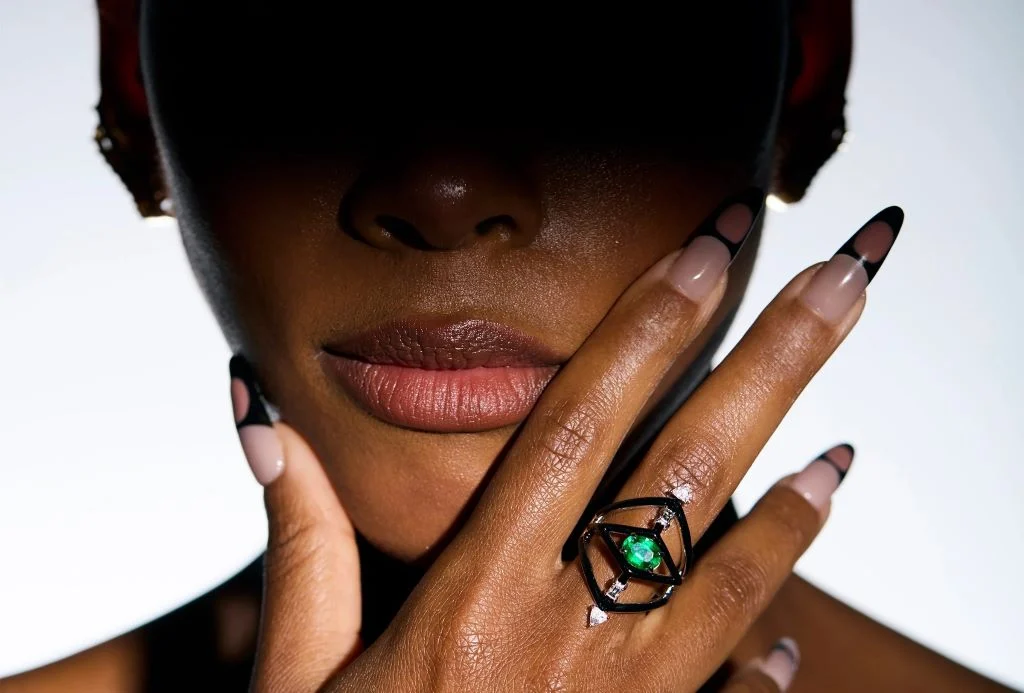
The annual release of the Snobette Ten Holiday Gift Guide for 2025 marks a strategic shift in the publication’s editorial approach, moving away from previous years’ thematic constraints to focus exclusively on the influence of women-led enterprises within the design, fashion, and lifestyle sectors. This year’s curation highlights ten distinct brands that are currently redefining the boundaries of streetwear, luxury accessories, contemporary furniture, and fine arts. By prioritizing female founders and creative directors, the 2025 guide reflects a broader movement within the global retail economy that emphasizes the commercial and cultural impact of women-owned businesses.
The selection for 2025 spans a diverse array of price points and categories, ranging from high-end fine jewelry and sculptural furniture to accessible streetwear and utilitarian accessories. Each item has been selected not only for its aesthetic merit but for its representation of the designer’s unique perspective on modern femininity and functional design. This shift comes at a time when consumer interest in "conscious commerce"—supporting specific demographics or ethical business models—continues to rise among Gen Z and Millennial demographics.
Strategic Shift in Curation and Market Context
In previous iterations, the Snobette Ten guide often centered on specific aesthetic trends, such as the "gorpcore" movement or high-tech performance wear. However, the 2025 edition acknowledges a critical juncture in the fashion industry: the increasing visibility of female leadership in sectors traditionally dominated by male creative directors. According to 2024 market data from the "State of Women-Owned Businesses" reports, women-led firms in the design and retail sectors have seen a 15% year-over-year increase in venture capital interest, though they still face systemic funding disparities compared to their male counterparts.
By highlighting these specific ten brands, the guide serves as an industry barometer for the "femme with taste," a consumer segment that values craftsmanship, narrative-driven branding, and the intersection of utility and art. The decision to include furniture and homewares alongside apparel signals the blurring lines between personal style and domestic environment, a trend that has intensified as "lifestyle branding" becomes the primary objective for modern designers.
Detailed Analysis of the 2025 Selections
The 2025 guide is anchored by several heavyweights in the streetwear and contemporary art spaces, alongside emerging artisanal voices.
High-End Adornment: Melody Ehsani and Fine Jewelry
Melody Ehsani, a pioneer in the women’s streetwear movement and the first female creative director for Foot Locker, continues her expansion into the luxury jewelry market with the "Fine by Me: Inner Vision Ring." Constructed from 14k white gold and featuring hand-painted enamel, emeralds, and diamonds, the piece represents a maturation of Ehsani’s brand. Historically known for her bold, hardware-inspired costume jewelry and groundbreaking sneaker collaborations with Jordan Brand, Ehsani’s move into fine materials reflects a broader trend of streetwear icons transitioning into the "hard luxury" space.
Sculptural Homewares: Domingo Ceramics and Faye Toogood
The inclusion of Domingo Ceramics by Ivanna Brenner and the Puffy Chair by Faye Toogood illustrates the guide’s focus on the "home as a gallery." The Domingo Ceramics "Punk Cup," crafted from porcelain with a 22k gold luster in New York, emphasizes the value of the unique, handmade object in an era of mass production.
Conversely, Faye Toogood’s Puffy Chair, available through the design house Hem, represents a pinnacle of contemporary furniture design. Toogood, a British designer known for her ability to blend industrial rigidity with organic softness, has become a central figure in the cross-pollination of fashion and interior design. The Puffy Chair is widely regarded by critics as a "design-world icon," utilizing a detachable upholstery system that mimics the aesthetic of a puffer jacket, thereby bridging the gap between garment construction and furniture.
Functional Luxury and Streetwear: MWR Collection and Mars the Label
Mia Wright-Ross, through her MWR Collection, contributes the "Davis Body Luggage Bag." This item highlights the guide’s emphasis on "utility-chic." Wright-Ross, an artisan who emphasizes the architectural integrity of leather goods, has positioned her brand at the intersection of high-fashion sculpture and practical travel gear.
In the realm of apparel, Mars the Label, founded by Arianna Ajtar, offers the "Blair Hoodie." This piece reflects the "cozy luxe" trend that has dominated the 2024-2025 winter season. By elevating the standard hoodie through material choice and silhouette, Mars the Label taps into the high-demand market for premium loungewear that maintains a sporty, street-ready edge.
Footwear and Accessories: The Attico and Zana Bayne
The Attico, led by Gilda Ambrosio and Giorgia Tordini, is represented by the “Floor 01” Ballerina Flat. This selection is particularly noteworthy as it captures the "ballet-core" trend that has persisted through 2025 but adds a "sneaker twist" characteristic of the brand’s high-octane, eclectic DNA.
Zana Bayne’s "Rodeo Belt" serves as a reminder of the power of artisanal leatherwork. Bayne, who rose to prominence through her sculptural harnesses worn by major pop culture figures, continues to influence the "accessory-as-armor" aesthetic. The crystal-studded leather belt is a testament to the brand’s commitment to New York-based handcrafting.
Cultural Documentation: MadeMe and Lauren Halsey
The guide also includes items that serve as cultural artifacts. The "MadeMe" book by Erin Magee, published by Rizzoli, chronicles the history of the brand that arguably defined the "downtown girl" aesthetic in New York City. Magee, who also serves as the Vice President of Design at Supreme, has been instrumental in carving out space for women in the male-dominated streetwear landscape.
Finally, the "Sister Dreamer Hat" by Lauren Halsey brings a fine-art perspective to the guide. Halsey, a celebrated Los Angeles-based artist known for her installations that document and preserve Black culture in South Central LA, translates her visionary art into wearable form. This item represents the increasing trend of blue-chip artists entering the accessible merchandise market to fund community-based projects.
Chronology of Women’s Influence in Design (2020–2025)
The 2025 Snobette Ten guide is the result of a five-year trajectory in which female-led brands have moved from the periphery to the center of the design conversation.
- 2020–2021: The pandemic era saw a surge in independent, women-led labels as digital-first business models allowed niche designers to bypass traditional retail gatekeepers.
- 2022: "Collaboration Culture" peaked, with designers like Melody Ehsani and Erin Magee proving that women-led streetwear could command the same secondary-market premiums as their male counterparts.
- 2023: The rise of "Quiet Luxury" and "Female Gaze" aesthetics began to shift consumer preferences toward the thoughtful, silhouette-focused designs seen in brands like The Attico and Cou Cou Intimates.
- 2024: Major luxury conglomerates began appointing more women to head creative roles, though the most significant innovation remained within independent, founder-led brands.
- 2025: The current market reflects a total integration of fashion, art, and home, with the Snobette Ten guide serving as a definitive list of the architects of this movement.
Economic Implications and Industry Reactions
The focus on women-led brands in a major holiday guide carries significant economic implications. Retail analysts suggest that "curated discovery" platforms like Snobette play a crucial role in directing holiday spending toward independent designers who may not have the multi-million dollar marketing budgets of heritage luxury houses.
Industry reactions to the guide have been largely positive, with many noting that the inclusion of homewares and books alongside fashion provides a more holistic view of the modern consumer’s interests. "The 2025 guide acknowledges that the woman who buys a Melody Ehsani ring is likely the same woman who appreciates a Faye Toogood chair or a Lauren Halsey art piece," says one retail consultant. "It’s about an ecosystem of taste rather than a single category of product."
Furthermore, the emphasis on New York-made and handcrafted goods (as seen with Zana Bayne and Domingo Ceramics) aligns with a growing movement toward domestic manufacturing and the preservation of artisanal skills. This "slow fashion" approach is increasingly seen as a viable alternative to the fast-fashion cycles that have dominated the last decade.
Broader Impact on the 2025 Holiday Retail Season
As the 2025 holiday season approaches, the Snobette Ten guide sets a precedent for other editorial platforms to evaluate their own curation through the lens of leadership and ownership. The move suggests that "women-led" is no longer just a sub-category of the market, but a primary driver of design innovation.
For the brands included, the endorsement of a guide with the pedigree of Snobette Ten often leads to a measurable "halo effect," increasing brand search volume and sell-through rates during the Q4 retail period. More importantly, it reinforces the narrative that these designers are not just participants in the current trend cycle, but the creators of the era’s most enduring icons.
The 2025 guide ultimately serves as a snapshot of a design landscape that is increasingly diverse, multidisciplinary, and unapologetically female. By blending the high-concept world of Faye Toogood with the street-level authenticity of MadeMe and the community-focused art of Lauren Halsey, the Snobette Ten provides a comprehensive roadmap for the future of luxury and lifestyle retail.
