
 By Eva Lovia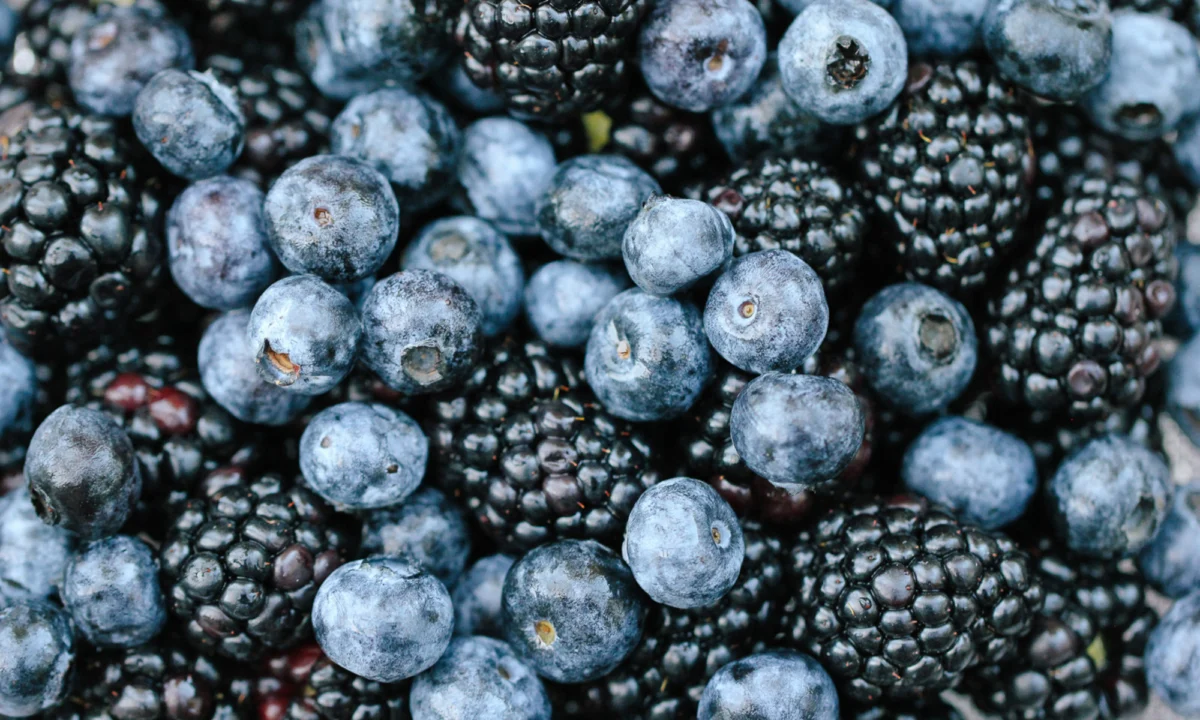
The intense demands of athletic exertion, particularly in challenging environmental conditions such as extreme heat, can place a significant strain on the human body, extending beyond the muscles to impact the intricate workings of the digestive system. This physiological response has prompted a growing body of scientific inquiry to explore the gut microbiome – the complex ecosystem of bacteria, fungi, and viruses residing within our intestines – as a key player in how we experience and recover from strenuous physical activity. Emerging research is shedding light on the potential role of polyphenols, a diverse group of plant-derived compounds, in mediating these effects, suggesting a fascinating interplay between our diet, our gut health, and our athletic capabilities.
A comprehensive review, published in the esteemed journal ScienceDirect (with a specific article identifier of S0022316626004402), has synthesized findings from over 80 scientific papers to illuminate the intricate relationship between polyphenols, the gut microbiota, and exercise outcomes. This meta-analysis delves into both the laboratory-based mechanistic research, which seeks to understand the fundamental biological processes involved, and human intervention studies, designed to observe the direct impact of these compounds on individuals. The overarching objective of this scholarly endeavor is to provide a clearer understanding of the bidirectional influence between dietary polyphenols, the composition and activity of gut bacteria, and an individual’s capacity for physical exertion and subsequent recuperation.
Polyphenols, ubiquitous in the plant kingdom, are naturally occurring micronutrients found in a wide array of commonly consumed foods. These compounds are broadly categorized into four primary chemical classifications, with flavonoids representing the most abundant and extensively studied group. For years, specific polyphenols have been tentatively linked to various exercise-related benefits, including enhanced muscle recovery and improved vascular function. However, the precise mechanisms through which these benefits are conferred have remained somewhat elusive, with increasing attention now being directed towards the gut microbiome as a potential mediating factor.
The review highlights that polyphenols may contribute to exercise support by acting as prebiotics, essentially serving as food for beneficial gut bacteria. Studies have observed an increase in the populations of certain advantageous microbes, such as Akkermansia muciniphila and various species of Lactobacillus, following exposure to specific polyphenolic compounds. The significance of these microbial shifts in the context of exercise cannot be overstated. The intestinal tract is lined by a protective barrier, crucial for maintaining the integrity of the digestive system and preventing the translocation of harmful substances into the bloodstream. Strenuous exercise, particularly when coupled with elevated ambient temperatures, can compromise the efficacy of this barrier, potentially leading to gastrointestinal distress and systemic inflammation – a phenomenon often referred to as "exercise-induced gut permeability."
Furthermore, the gut bacteria cultivated by polyphenols possess the capacity to metabolize these compounds into beneficial byproducts, notably short-chain fatty acids (SCFAs). SCFAs are a class of fatty acids produced by the fermentation of dietary fiber by gut microbes. These compounds play a pivotal role in maintaining gut health, influencing immune responses, and modulating inflammatory processes throughout the body. Their involvement in energy metabolism also suggests a potential role in optimizing fuel utilization during prolonged physical activity.
Compelling human data lend further credence to this gut-centric hypothesis. A recent clinical trial, for instance, demonstrated that individuals who exhibited a higher production of a gut-derived metabolite following the consumption of tart cherry polyphenols displayed superior muscle function after undergoing a resistance exercise protocol designed to induce muscle damage. This finding suggests a tangible link between the gut’s metabolic response to polyphenols and its capacity to repair and rebuild muscle tissue post-exercise.
However, the researchers emphasize that the influence of polyphenols on exercise performance is not solely mediated by the gut microbiome. These potent plant compounds also exert direct effects on the body, contributing to the utilization of fat as an energy source during exercise, supporting healthy blood vessel function, and mitigating exercise-induced inflammation. The vasodilatory effects of certain polyphenols can improve blood flow, thereby enhancing oxygen and nutrient delivery to working muscles and facilitating the removal of metabolic waste products. This dual mode of action – acting both indirectly through the gut and directly on physiological systems – underscores the multifaceted nature of polyphenol’s impact on athletic endeavors.
Despite the promising findings, the scientific community cautions against premature conclusions. The sheer diversity of polyphenols, with estimates suggesting over 8,000 identified in common foods, presents a significant challenge for comprehensive research. To date, only a fraction of these have been subjected to rigorous scientific scrutiny concerning their specific effects on human physiology and the gut microbiome. Moreover, a substantial portion of the existing evidence is derived from preclinical studies, in vitro experiments, or relatively small-scale human trials, necessitating further large-scale, well-controlled investigations to solidify these associations.
The implications of this research for the general population, particularly for athletes and fitness enthusiasts, are significant, albeit still evolving. While the current evidence does not advocate for the indiscriminate use of polyphenol supplements or isolated extracts, it strongly supports the incorporation of polyphenol-rich foods into a balanced dietary strategy. The review’s authors suggest that rather than seeking out specific supplements, individuals can readily access these beneficial compounds through their regular diet.
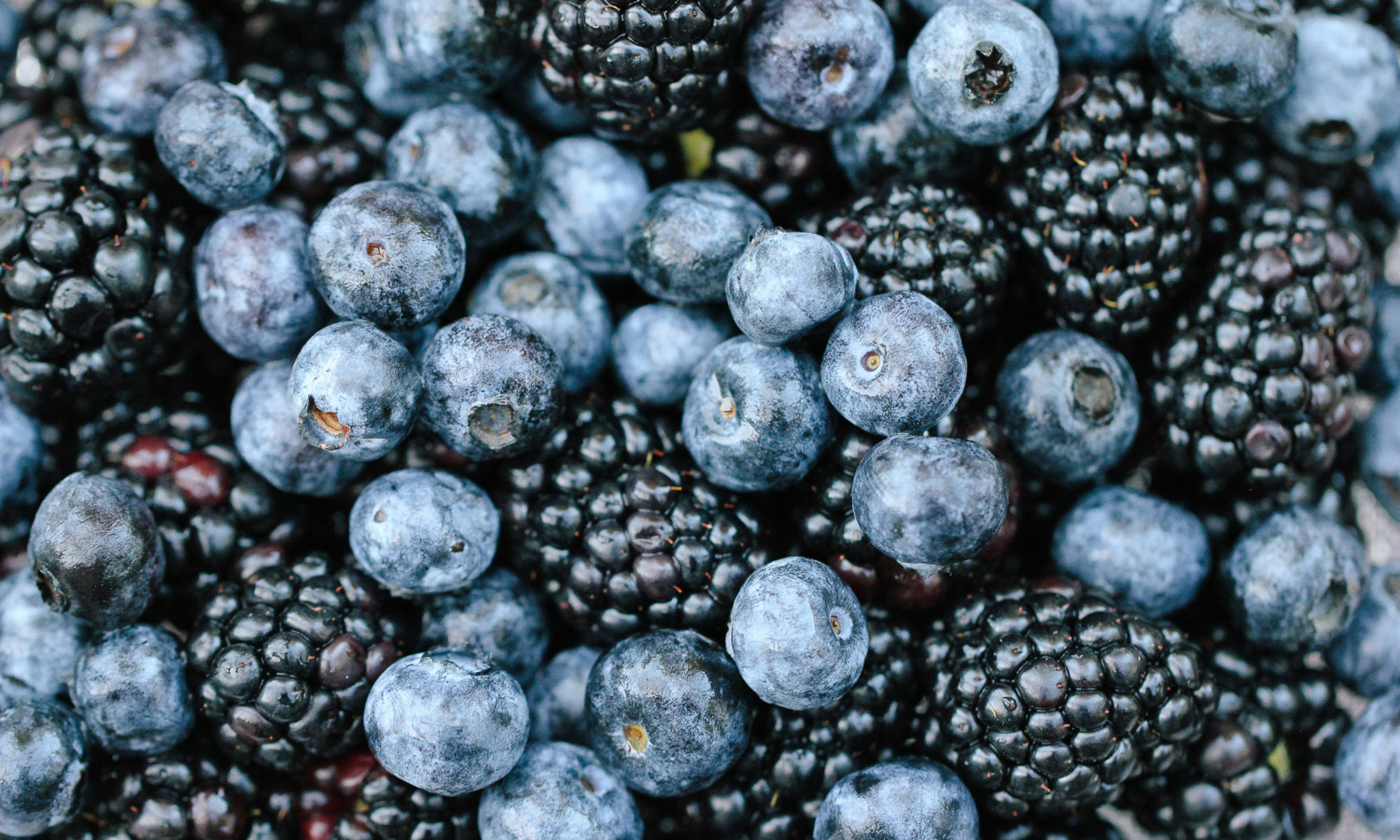
Foods that are particularly rich in polyphenols include a vibrant spectrum of fruits and vegetables. Berries, such as blueberries, raspberries, and strawberries, are celebrated for their high antioxidant content and diverse polyphenol profiles. Coffee and cocoa, consumed by millions worldwide, are also significant sources of these beneficial compounds. Similarly, various types of tea, including green tea and black tea, offer a wealth of polyphenols that have been associated with numerous health benefits. Other notable sources include dark chocolate, red wine (consumed in moderation), nuts, seeds, and certain spices.
The research team’s analysis suggests that the key lies in dietary diversity. By consuming a wide range of plant-based foods, individuals can ensure a broad intake of different polyphenol types, each potentially offering unique synergistic benefits. This approach not only supports athletic performance and recovery but also contributes to overall health and well-being by bolstering the immune system, reducing oxidative stress, and promoting cardiovascular health.
Looking ahead, the trajectory of this research points towards a deeper understanding of personalized nutrition for athletes. As our knowledge of the gut microbiome’s role in exercise expands, it is plausible that future dietary recommendations may become more tailored, taking into account an individual’s unique gut microbial composition and their specific responses to various polyphenol-rich foods. This could lead to optimized training regimens and recovery protocols, maximizing athletic potential.
In conclusion, the burgeoning field of research exploring the nexus between polyphenols, the gut microbiome, and exercise performance offers exciting avenues for enhancing human physical capabilities and improving recovery. While the scientific journey is ongoing, the current findings provide a compelling rationale for prioritizing a diet rich in polyphenol-containing plant foods. By embracing this dietary strategy, individuals can proactively support their gut health, potentially unlock enhanced athletic performance, and expedite their recovery, all while enjoying the delicious and diverse flavors of nature’s bounty. The scientific community continues to diligently work towards filling the remaining knowledge gaps, promising a future where the intricate relationship between our diet, our gut, and our body’s response to exercise is fully understood and harnessed for optimal human health and performance.
