
 By admin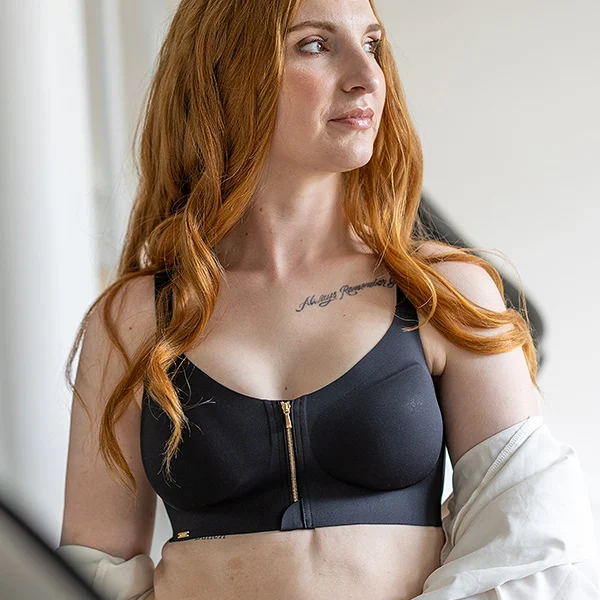
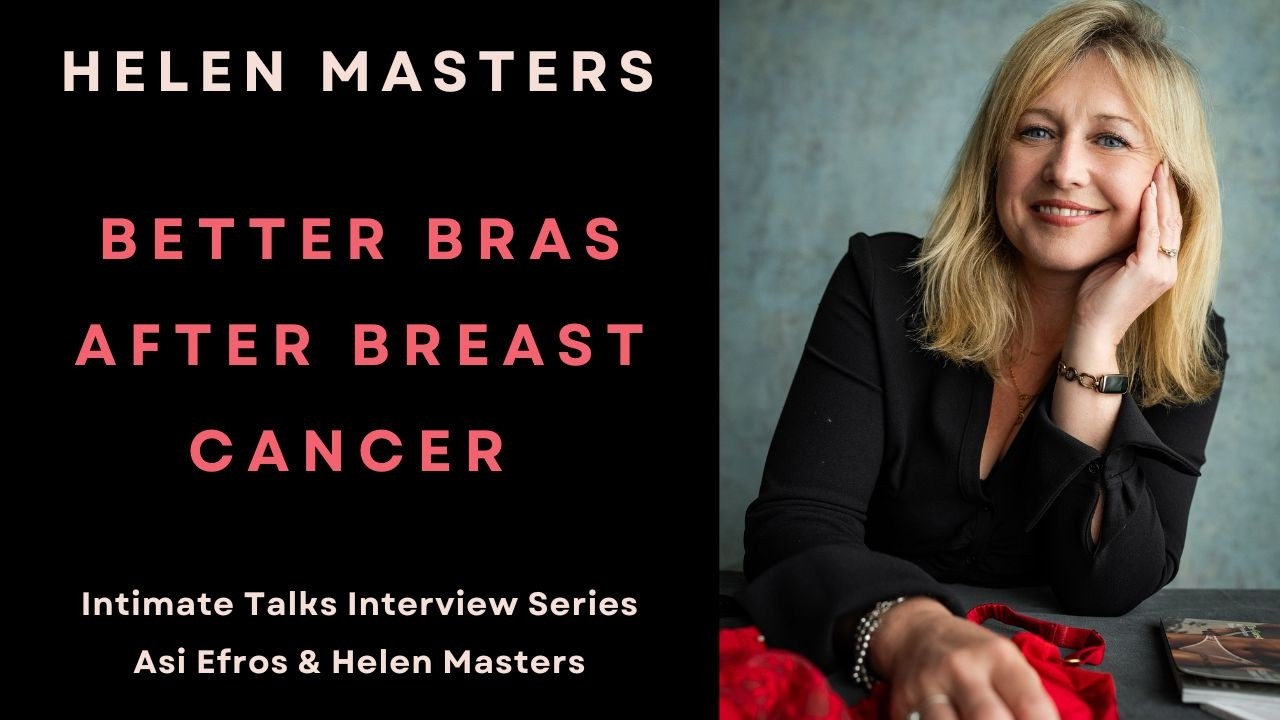
The global intimate apparel industry, long criticized for its narrow definitions of beauty and functionality, is undergoing a profound structural shift as experts address the long-overlooked needs of breast cancer survivors. At the forefront of this movement is Helen Masters, an international intimate apparel specialist and the founder of Pudding Lingerie, whose recent initiative, "Better Bras After Breast Cancer," seeks to bridge the gap between clinical necessity and emotional well-being. Launched in October 2024, the campaign represents a critical evolution in the retail landscape, moving beyond mere aesthetic inclusivity to address the complex physical and psychological realities of post-surgical recovery.
Two Decades of Industry Evolution: The Origins of Pudding Lingerie
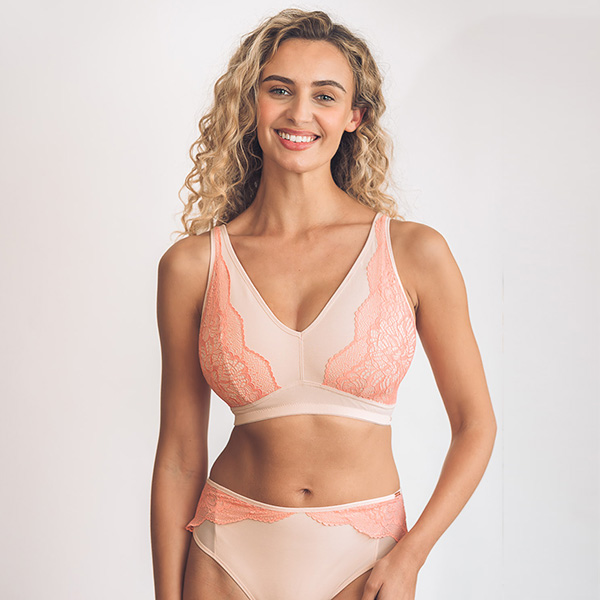
The trajectory of Helen Masters’ career provides a comprehensive look at the changing dynamics of the lingerie sector over the last twenty years. Masters began her journey in the United Kingdom, establishing Pudding Lingerie as a retail business two decades ago. The enterprise was built on the fundamental premise that professional bra fitting is a transformative experience for women, particularly those whose bodies do not align with standard off-the-rack sizing.
A decade ago, following significant shifts in her personal life, Masters pivoted the business model from a localized retail operation to a global consultancy. Today, Pudding Lingerie operates as a strategic advisory firm, assisting independent boutiques and multinational brands in refining their product development and customer service protocols. This transition allowed Masters to leverage her deep understanding of the "wow" moment—the psychological uplift a woman experiences when finding a garment that fits perfectly—and apply it to the broader industry infrastructure.
However, despite the industry’s progress in accommodating fuller busts, petite frames, and gender-nonconforming shapes, Masters identified a persistent "blind spot" in the market: the post-mastectomy and post-surgical demographic. This realization served as the catalyst for her most recent and perhaps most impactful venture.
The Institutional Gap: Why the Lingerie Industry Left Survivors Behind
While the fashion industry has made strides in diversity, the specific requirements of women recovering from breast cancer have historically been relegated to the medical and clinical sectors. For many survivors, the search for supportive undergarments often leads to sterile, medical-supply environments that emphasize utility over dignity. This "clinicalization" of post-surgery lingerie often occurs at a time when patients are most in need of a sense of normalcy and self-reclamation.
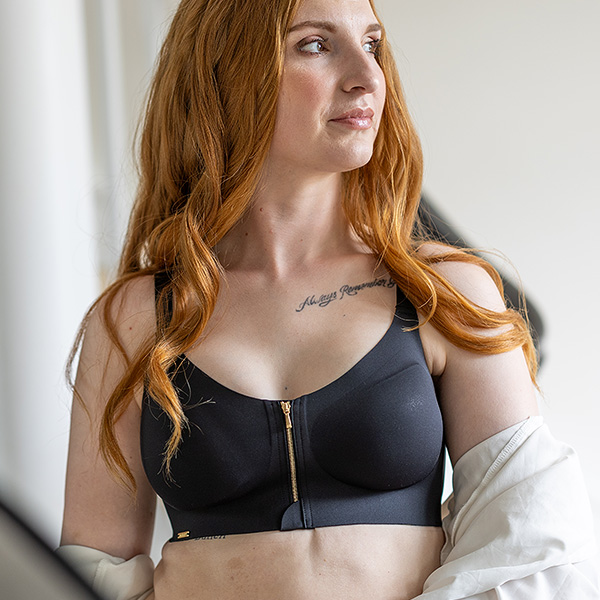
The physical challenges are significant and varied. Survivors often contend with extensive scarring, nerve sensitivity, lymphedema (swelling caused by lymphatic system blockage), and limited range of motion in the arms and shoulders. Standard lingerie, even in inclusive size ranges, often fails to account for these factors, utilizing underwires that can irritate scar tissue or straps that exacerbate shoulder pain.
In response to this systemic neglect, Masters launched "Better Bras After Breast Cancer." The initiative is designed to dismantle the barrier between medical necessity and the luxury of choice, ensuring that survivors can access expert fitting services in a supportive, non-clinical retail environment.
Infrastructure and Education: The Better Bras Training Academy
The centerpiece of Masters’ initiative is the Better Bras Training Academy. Recognizing that awareness alone is insufficient to change industry standards, Masters developed a formal educational framework in collaboration with Cancer Research UK (CRUK). This partnership provides the program with medical credibility and institutional support, ensuring that the training provided to retail professionals is both compassionate and scientifically sound.
The Academy offers a certification program for bra fitters, equipping them with the technical knowledge required to serve the breast cancer community. Trainees learn to navigate the complexities of prosthesis fitting, scar tissue management, and the specific fabric requirements for sensitive skin. Upon completion, fitters receive a formal CRUK-endorsed certification, which serves as a beacon for survivors seeking specialized care.
Beyond professional training, the initiative provides a public-facing platform that includes:
- The Better Bras Guide: A simplified, accessible resource for women to understand their options post-diagnosis.
- Product Reviews: Honest assessments of lingerie by real women who have undergone various surgical procedures, providing a level of transparency rarely found in traditional marketing.
- Retail Introductions: A network that connects certified fitters with brands and consumers, creating a specialized marketplace that did not previously exist.
Quantifying Impact: Data and Industry Participation
In the short period since its inception, "Better Bras After Breast Cancer" has demonstrated significant growth and market traction. To date, the initiative has directly assisted over 400 women in finding appropriate post-surgical solutions. The digital footprint of the campaign has also expanded, with a dedicated community of approximately 700 followers across LinkedIn, Instagram, and Facebook, signaling a high level of engagement within a demographic that previously felt ignored.
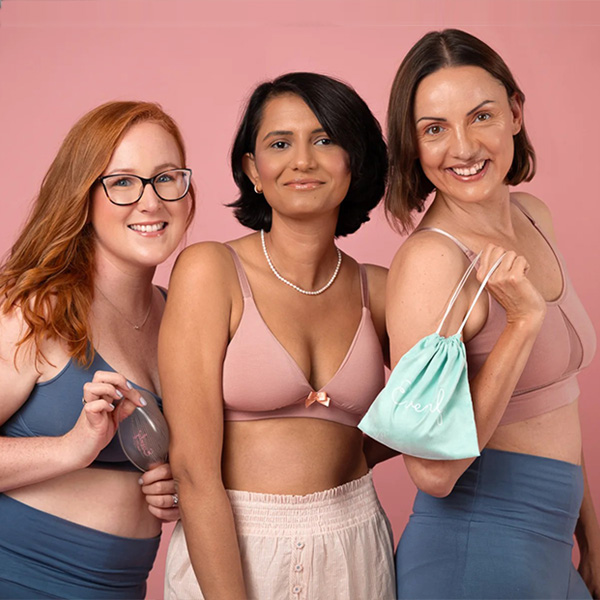
The initiative’s financial structure is designed for sustainability and social impact; 10 percent of all profits from the training courses are donated directly to Cancer Research UK. This "win-win" model has attracted a diverse array of industry partners. Leading UK retailers, such as the bra-fitting giant Bravissimo, have integrated the specialist training into their operations.
Furthermore, a coalition of prominent brands has lent their support, including:
- Anita and Amoena: Long-standing leaders in the prosthetic and post-surgical market.
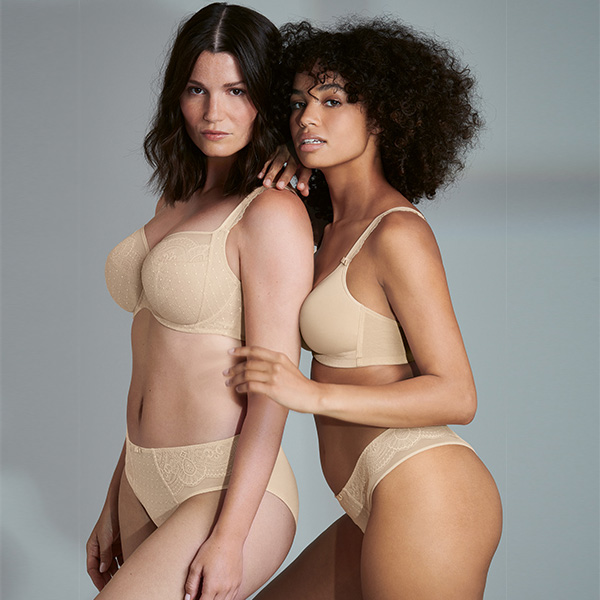
- Royce and Panache: Known for their technical expertise in non-wired and supportive designs.
- Innovation-Driven Brands: Companies like Megami, AnaOno, Evenly, and Curvy Kate have contributed stock and expertise.
- Unobra: A brand focused on innovation-driven solutions for asymmetrical needs.
This broad spectrum of support suggests that the industry is beginning to recognize the commercial and ethical value of specialized fitting services.

Global Expansion and the Future of Post-Surgical Retail
While the initiative began in the United Kingdom, Masters’ vision is explicitly international. The demand for specialized post-surgical lingerie is a global phenomenon, driven by the increasing rates of breast cancer detection and survival worldwide. According to the World Health Organization, breast cancer is the most common cancer globally, with millions of new cases diagnosed each year. This represents a massive, underserved market that the traditional lingerie industry has largely categorized as "too niche."
Masters is currently challenging this "niche" label by expanding her consultancy and training programs into new territories. She has already established a partnership in Australia and is actively seeking collaborators in the United States, Canada, and Italy. The Middle East is also seeing early adoption; Nanaya Lingerie in the United Arab Emirates has already become a Better Bras-qualified store, highlighting the cross-cultural relevance of the mission.
The strategic goal for the coming years involves bringing more mainstream and emerging brands into the fold. Masters argues that the barrier to entry for brands is lower than many perceive. The movement does not necessarily demand a total product overhaul; rather, it encourages incremental changes, such as adding internal pockets for prostheses to existing styles or stocking a wider range of wire-free options.
Analysis of Implications: A New Standard for Retail
The success of "Better Bras After Breast Cancer" indicates a broader trend in the retail sector: the shift toward "empathy-led commerce." By focusing on a specific, high-need demographic, Masters has created a blueprint for how specialized knowledge can drive brand loyalty and market growth.
From a business perspective, the initiative addresses a clear market failure. When a retailer provides a "lifesaver" service—as many of Masters’ clients have described their fitting experiences—they secure a customer for life. Furthermore, by training fitters, retailers are not just selling a product; they are providing a service that medical professionals often lack the time or specific textile knowledge to offer.
The logistical simplicity of Masters’ message—that the industry can change "one bra at a time"—makes the movement accessible to independent boutique owners and corporate executives alike. As the initiative continues to gain momentum, it is likely that specialized post-surgical training will become a standard requirement for professional bra fitters globally, finally ensuring that no woman is left behind by the industry meant to support her.
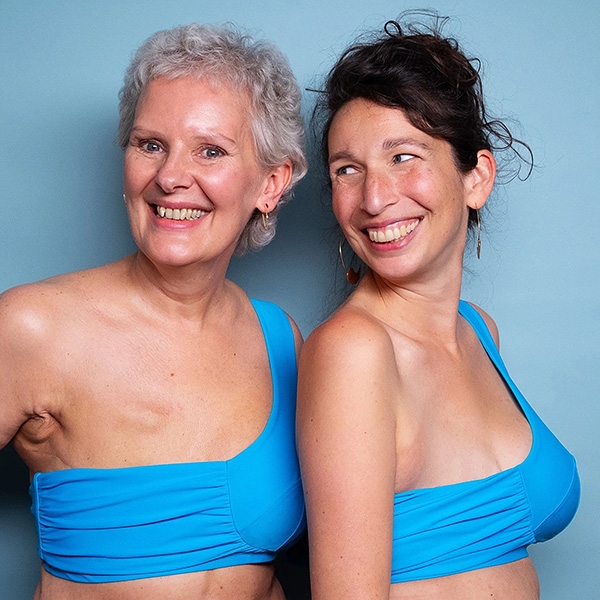
For brands, retailers, and survivors interested in joining this movement, Helen Masters remains a central point of contact through Pudding Lingerie, advocating for a future where every woman, regardless of her medical history, can experience the dignity of a perfect fit.
