
 By Nana Wu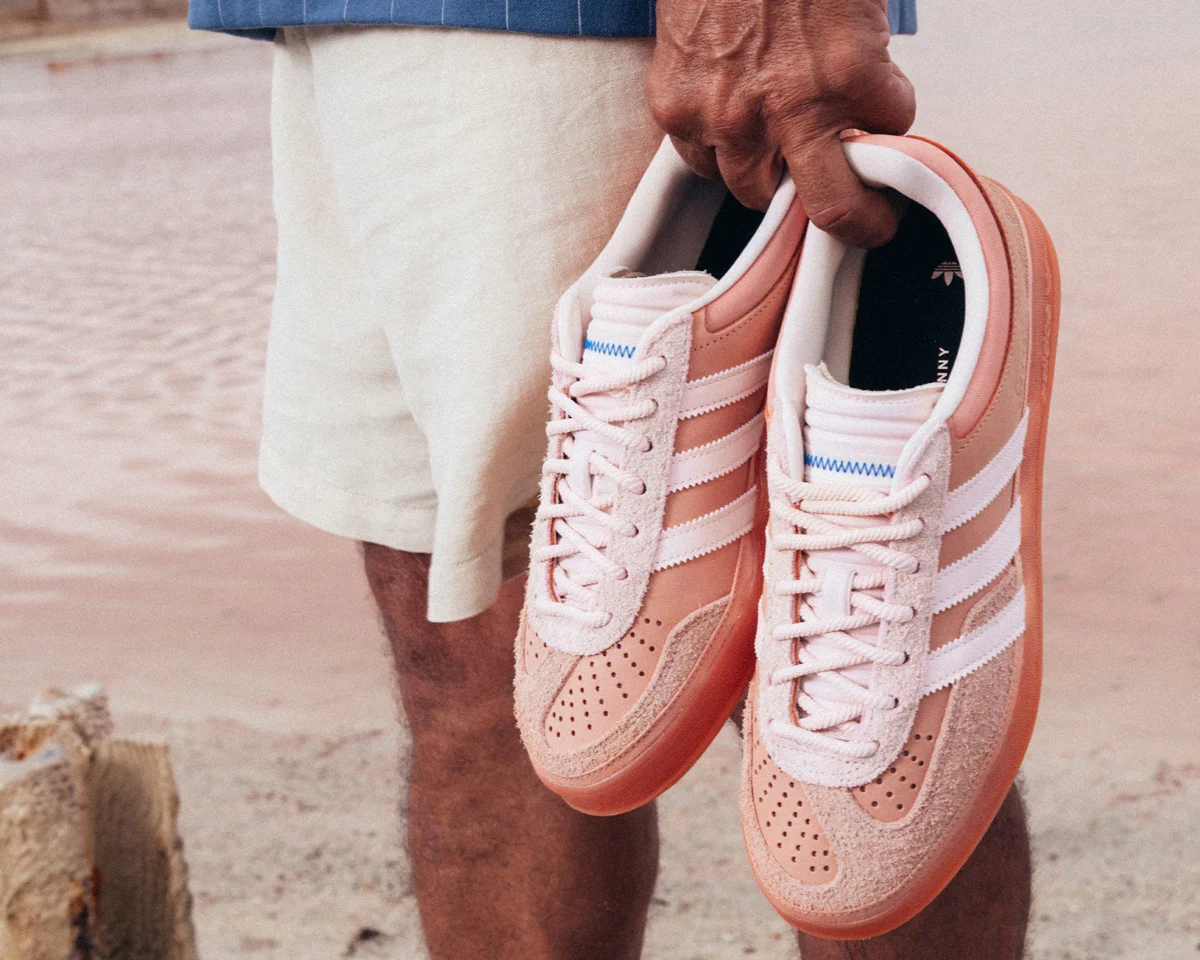
The criteria for selection extended beyond simple sales data or social media engagement. To secure a ranking, a sneaker was required to exhibit a clear point of view, reflecting the broader cultural zeitgeist while signaling future directions for the industry. Notably, the awards emphasized the contributions of women designers and the growing influence of women’s sports, though the primary metric remained the overall impact of the footwear on the global marketplace.
The Cultural Pivot: Nike and Jacquemus Claim the Top Spot
The ranking of the Nike x Jacquemus Moon Shoe in "University Red" at No. 1 marks a significant moment in the ongoing evolution of Nike’s design strategy. While the silhouette initially appeared as a niche collaboration, it has since been identified by analysts as a potential turning point for the brand. The Moon Shoe aligns with the "low-profile" footwear trend that has dominated the mid-2020s, yet it distinguishes itself by offering an original design language rather than relying on archival tropes.
Led by Juliana Sagat of Nike’s Special Projects team, the design reflects a brand attempting to reclaim its position as a cultural leader rather than a follower of trends. Industry observers note that Sagat’s recent move to Pharrell Williams’ creative studio underscores the high demand for the talent behind this release. The success of the Moon Shoe suggests that Nike is finding its footing by embracing avant-garde silhouettes that challenge traditional athletic aesthetics.
Luxury Aesthetics and the Evolution of Vans
Ranked at No. 2, the Vans Old Skool 36 LX in "Souvenir Warm Brown" represents a sophisticated shift for the California-based skate brand. Designed by Greg Betty, the shoe incorporates quilted leather, warm earth tones, and gold eyelets—elements that draw a direct line to luxury heritage, specifically Karl Lagerfeld’s 2015 graffiti messenger bags for Chanel.
This move away from strict minimalism toward a more "human" and textured aesthetic reflects a broader industry trend where heritage skate brands are seeking to capture the "quiet luxury" consumer. Betty’s departure from Vans to serve as the Senior Principal of Streetwear Concept Design at Jordan Brand indicates a significant talent transfer within the industry, signaling that the design language established at Vans is likely to influence future Jordan Brand releases.
The Return of Friction: Awake NY and the Jordan Brand
The Air Jordan 5 x Awake New York in "Arctic Pink" secured the No. 3 position, primarily due to its ability to evoke the raw, often chaotic energy of traditional sneaker culture. The release was characterized by a "messy" distribution process, including allegations of backdooring and social media controversy involving high-profile resellers.
Panelist JerLisa noted that while the release was divisive, the friction it generated was a reminder of the passion that originally fueled the sneaker community. In a market where many releases are overly sanitized and managed by corporate algorithms, the Awake NY collaboration stood out for its authenticity—both in its bold design and its tumultuous journey to market. This release suggests that consumer interest is often sharpened, rather than dulled, by the unpredictability of the "drop" model.
Regional Storytelling and the Power of Bad Bunny
At No. 4, the Adidas Originals Gazelle x Bad Bunny "Cabo Rojo" demonstrates the continued efficacy of localized storytelling. Developed to coincide with Bad Bunny’s 30-show residency in Puerto Rico, the colorway is inspired by the pink salt flats of Cabo Rojo.
Panelist Kari Cruz highlighted the shoe’s deep connection to Puerto Rican identity, noting that its "inside-out" design elements and specific color palette resonated strongly with the local community. This collaboration has been instrumental for Adidas, helping the brand maintain its momentum in the low-profile category while proving that global superstars can still drive significant sales when their products are rooted in genuine personal and regional history.
Heritage and Intergenerational Continuity
The Air Jordan 5 Reimagined "Black Metallic" landed at No. 5, appearing on the lists of experts from both Chicago and New York. This placement highlights the shoe’s status as a cultural staple rather than a passing trend. First released in 1990, the 2025 version features black nubuck, reflective silver tongues, and original "Nike Air" heel branding.
Analysts view the "Reimagined" series as a critical tool for Jordan Brand to maintain its legacy while appealing to a new generation of consumers. In major urban centers, these shoes act as a "cultural handoff," signaling a shared history that transcends seasonal fashion cycles. The reliance on familiar details like the translucent netting and shark-tooth midsole reinforces a sense of continuity in a rapidly changing market.
The Rise of Performance Run and Women’s Signature Footwear
The 2025 list reflects a major shift in the footwear landscape: the integration of performance running and the explosion of women’s basketball.
Adidas and the Taekwondo Mei
The Adidas Taekwondo Mei, ranked at No. 6, showcases the brand’s willingness to experiment outside of its "Terrace" classics (such as the Samba and Gazelle). The lace-up design, which blends martial arts functionality with a ballet-inspired aesthetic, was cited by panelist Ticara Devone as a standout for its balance of femininity and sport. This release reflects the "balletcore" trend that has permeated both high fashion and streetwear.
Brooks and the PYNRS Collaboration
Performance running reached a new level of cultural relevance in 2025, exemplified by the Brooks Hyperion Max x PYNRS at No. 7. PYNRS, a Black-owned, Boston-based performance streetwear brand, partnered with Brooks to create a shoe that appealed to the burgeoning "run club" culture. Panelist Lee Glandorf noted that this collaboration provided much-needed visibility to local crews that have historically shaped running culture without receiving mainstream recognition.
Nike A’One: The A’ja Wilson Era
Perhaps the most anticipated release of the year was the Nike A’One in "Pink Aura," the signature shoe for WNBA star A’ja Wilson, which ranked at No. 8. This release is historically significant as the first signature shoe for a Black WNBA player since 2011. The design incorporates personal narratives, including pearl finishes inspired by Wilson’s grandmother and motivational quotes. The success of the A’One on both WNBA and NBA courts underscores the massive growth of women’s basketball and its influence on the broader footwear market.
Niche Leadership and the "Cool Girl" Aesthetic
The final spots on the list were occupied by brands that have mastered the art of niche appeal and intricate design.
- Salomon XT-Whisper Void (No. 9): Selected by Ticara Devone, this model represents Salomon’s successful transition from a technical outdoor brand to an urban fashion essential. The "Arctic Silver" colorway appeals to a specific "insider" demographic in major global cities, positioning Salomon for even broader relevance in 2026.
- Saucony Pro Grid x METAGIRL (No. 10): Closing the list is a collaboration that emphasizes craftsmanship. Designed by Caterina Mongillo, the "Daughter of the Moon" features a hand-sculpted, 3D-printed shell at the heel. Panelist Smoove highlighted the "softness and femininity" of the design, which utilizes an archived 2007 runner as its base, tapping into the industry’s current obsession with late-2000s technical silhouettes.
Industry Implications and Future Outlook
The Snobette Sneaker Awards for 2025 reveal several critical trends that are likely to shape the footwear industry in the coming years. First, the departure of key designers like Juliana Sagat and Greg Betty to rival brands or independent studios suggests a highly competitive market for creative talent. The ability of a brand to retain or attract these "culture-shapers" will be a primary determinant of its success.
Second, the success of the A’ja Wilson signature shoe and the PYNRS collaboration indicates that diversity—in both athlete representation and brand ownership—is no longer just a social imperative but a proven business driver. Consumers are increasingly seeking products that offer deep narrative value and authentic community connections.
Finally, the 2025 rankings suggest that the "low-profile" and "technical runner" trends are far from over. However, the market is becoming more discerning, favoring original designs like the Jacquemus Moon Shoe over repetitive iterations of classic models. As the industry moves toward 2026, the brands that successfully navigate the intersection of performance technology, luxury aesthetics, and genuine cultural storytelling will be best positioned to lead the next era of sneaker culture.
