
 By admin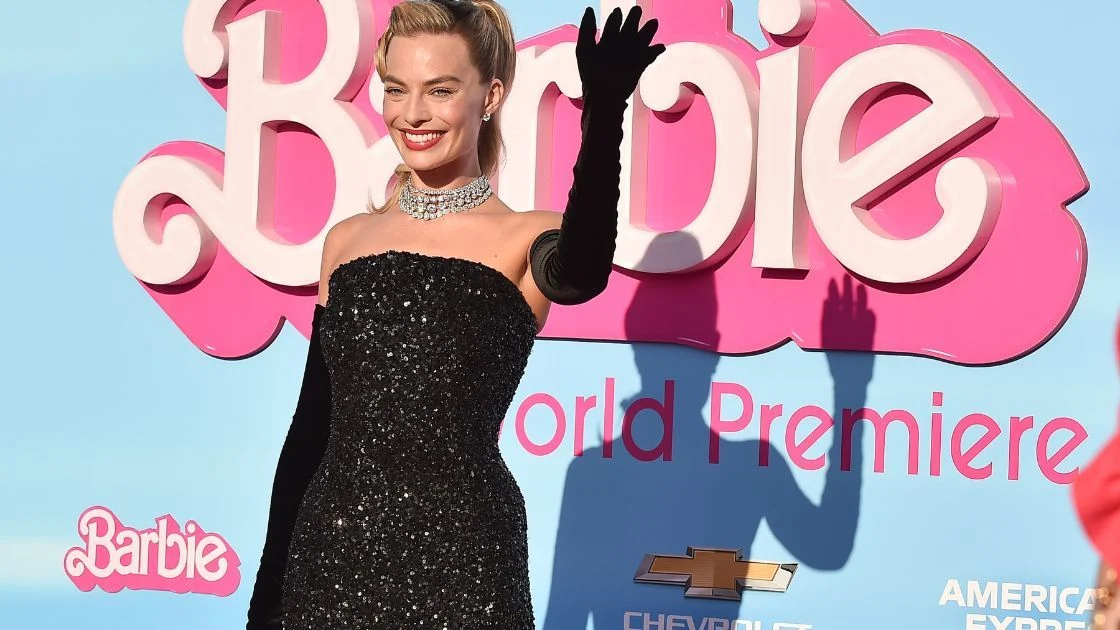
The highly anticipated return to Barbieland, featuring Margot Robbie as the iconic doll, hangs in the balance as Warner Bros. navigates complex negotiations with its star, Ryan Gosling, and acclaimed writer-director Greta Gerwig. With a crucial deadline of December 2026 approaching, the studio is under immense pressure to finalize agreements before the film rights for the immensely successful franchise potentially revert to Mattel, the toy giant. This update has sent ripples of concern through the industry and among a global fanbase eager for a follow-up to one of the most significant cinematic achievements of the decade.
The original Barbie film, released in July 2023, transcended mere entertainment to become a cultural phenomenon, redefining expectations for intellectual property adaptations and breaking numerous box office records. Its blend of sharp wit, vibrant aesthetics, and profound social commentary resonated with audiences worldwide, leading to critical acclaim and an astounding global gross that cemented its place in film history. The prospect of a sequel, therefore, carries not just commercial weight but also significant artistic and cultural expectations, making the current negotiation impasse a high-stakes affair for all parties involved.
The Unprecedented Success and Cultural Impact of Barbie
To understand the current stakes, one must first revisit the monumental success of the 2023 Barbie film. Directed by Greta Gerwig, co-written with Noah Baumbach, and starring Margot Robbie in the titular role alongside Ryan Gosling as Ken, the movie shattered box office predictions, ultimately becoming the highest-grossing film of 2023 globally, pulling in over $1.44 billion. It also earned the distinction of being the highest-grossing film ever directed by a solo female filmmaker. Beyond the staggering financial figures, Barbie garnered eight Academy Award nominations, including Best Picture, and secured a win for Best Original Song.
Its impact extended far beyond cinemas. The film ignited the "Barbiecore" fashion trend, permeated social media with viral memes, and sparked widespread conversations about feminism, patriarchy, and identity. The strategic marketing campaign, often lauded as one of the most effective in recent memory, expertly built anticipation, particularly with the simultaneous release phenomenon dubbed "Barbenheimer." This unprecedented cultural penetration transformed Barbie from a simple toy adaptation into a genuine cultural touchstone, demonstrating the immense power of creative vision married with compelling storytelling. The film’s critical reception was equally glowing, with reviewers praising its innovative narrative, stunning production design, and the standout performances of its lead cast. This confluence of commercial triumph, critical adoration, and cultural resonance has established an incredibly high bar for any potential sequel, underscoring why securing the original creative team is paramount.
Stalled Negotiations: A Deep Dive into the Impasse
Reports suggest that negotiations for Barbie 2 have reached a critical juncture, with Warner Bros. actively working to secure new deals with Margot Robbie, Ryan Gosling, and Greta Gerwig. These discussions have reportedly been ongoing for months, with proposed agreements including significant profit-sharing incentives tied to the film’s box office performance—a standard practice for high-profile talent in blockbuster franchises. However, the precise terms and valuations have become points of contention.
According to a report in the New York Times, Warner Bros. Discovery CEO David Zaslav allegedly deemed one proposed agreement "too generous." Warner Bros., however, has countered this claim, stating that representatives for the talent declined an offer made in May and have yet to submit a counteroffer. This divergence in reporting highlights the delicate and often opaque nature of high-level Hollywood negotiations, where perceived value and financial prudence often clash. Studio co-chairs Pam Abdy and Michael De Luca have publicly acknowledged that negotiations remain active, emphasizing their desire to move forward, but confirmed that no final agreement has been reached.
The financial context of Warner Bros. Discovery under CEO David Zaslav cannot be overlooked. Since the merger of WarnerMedia and Discovery in 2022, the company has embarked on an aggressive strategy to reduce its substantial debt, which stood at approximately $43.5 billion post-merger. This has led to widespread cost-cutting measures, including shelving completed projects, streamlining divisions, and scrutinizing talent deals. Against this backdrop, even a highly successful property like Barbie may face closer financial scrutiny, as the studio seeks to balance rewarding key talent with its broader corporate financial objectives. This environment naturally creates friction when negotiating deals that could involve substantial backend participation for talent whose previous collaboration generated billions.
For Robbie, Gosling, and Gerwig, their leverage is undeniable. Robbie, through her production company LuckyChap Entertainment, was instrumental in bringing Barbie to the screen, serving not just as the lead actress but also as a producer. Her commitment to the project from its inception, alongside Gerwig’s unique directorial vision, is widely credited for the film’s distinct tone and success. Their collective return is seen by many, including industry analysts and fans, as indispensable for replicating the original’s magic. Any sequel without this core team would undoubtedly face an uphill battle in capturing the same critical and commercial enthusiasm.
The December 2026 Deadline and Rights Reversion
Central to the urgency of these negotiations is a reported contractual deadline of December 2026. If Warner Bros. fails to finalize agreements with the principal creative team before this date, the film rights associated with producing another Barbie film could revert to Mattel. This reversion clause is a common feature in intellectual property licensing agreements, designed to ensure that rights are actively utilized and developed.
Should the rights revert, the implications are significant. It would mean that Mattel would regain full control over the Barbie film franchise, potentially allowing them to seek a new studio partner or develop the sequel internally through Mattel Films. While this doesn’t automatically mean the project would be canceled, it would undoubtedly introduce considerable delays and complexities. A new studio would need to be brought up to speed, and new negotiations with the creative team—if they are still interested and available—would have to commence from scratch, potentially under different terms. This scenario could lead to a very different Barbie 2 or even an indefinite postponement.
Mattel, under CEO Ynon Kreiz, has been aggressively pursuing a strategy to transform its vast portfolio of intellectual property into major entertainment franchises. The success of Barbie has been a cornerstone of this strategy, paving the way for over a dozen other projects based on Mattel toys, including Hot Wheels, Polly Pocket, and Masters of the Universe. The company’s vested interest in maintaining the momentum of the Barbie franchise is therefore immense. While neither Warner Bros. nor Mattel has publicly hinted at cancellation, the looming deadline underscores the high stakes for Warner Bros. to retain its hold on a proven blockbuster property. Industry observers anticipate that discussions will intensify over the coming months as all parties work towards a resolution.
Greta Gerwig’s Vision: A Sequel Already Taking Shape
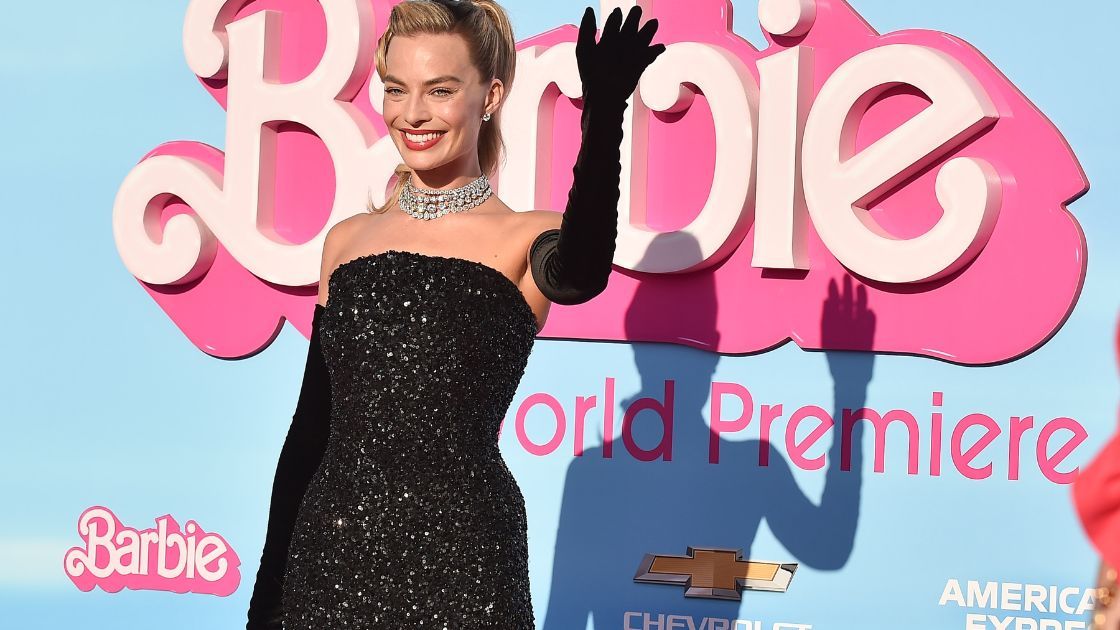
Despite the contractual uncertainties, creative development for a Barbie sequel has quietly progressed behind the scenes. Reports indicate that Greta Gerwig and her co-writer Noah Baumbach began discussing potential ideas for Barbie 2 shortly after the original film’s historic success. In early 2024, industry sources first revealed that the acclaimed duo had entered the early stages of story development, demonstrating their continued enthusiasm for the Barbie universe.
Gerwig’s distinctive directorial voice, characterized by its sharp wit, emotional depth, and ability to blend commercial appeal with critical sophistication, is considered indispensable for the franchise’s future. Her approach to the first film—transforming a seemingly simple concept into a nuanced exploration of existentialism, gender roles, and societal expectations—was a major factor in its widespread appeal. Fans are hopeful that she will once again bring her unique storytelling style to explore new facets of Barbie’s journey, perhaps delving further into her experiences in the real world or expanding the lore of Barbieland. While Warner Bros. has not officially announced a production schedule, securing Gerwig’s continued involvement remains one of the studio’s biggest priorities, recognizing that her creative leadership is fundamental to the sequel’s potential success.
Margot Robbie: A Producer and Star Beyond Barbieland
Even amidst the ongoing Barbie 2 negotiations, Margot Robbie remains one of Hollywood’s most influential and busiest figures, both as an actress and a formidable producer. Through her production company, LuckyChap Entertainment, co-founded with her husband Tom Ackerley and friends Josey McNamara and Sophia Kerr, Robbie has championed a slate of critically acclaimed and commercially successful projects.
LuckyChap has carved a niche for producing female-led stories that challenge conventions and push boundaries, earning accolades for films like I, Tonya (which earned Robbie an Oscar nomination), Promising Young Woman (an Oscar winner for Best Original Screenplay), and Saltburn. The company’s track record demonstrates a keen eye for compelling narratives and a commitment to empowering diverse voices in cinema. This entrepreneurial spirit and proven ability to shepherd complex projects from conception to global success solidify Robbie’s position as a powerful creative force in the industry, far beyond her acting prowess.
Should Barbie 2 move forward, Robbie is expected to reprise both her starring role as Barbie and her vital responsibilities as a producer. Her dual role underscores her deep commitment to the character and the world Gerwig created, further emphasizing the significance of her participation in any sequel. Her continued success outside the Barbie universe also grants her considerable bargaining power, reflecting her indispensable value to the franchise.
The Broader Implications for Hollywood’s Franchise Economy
The Barbie 2 negotiation saga offers a microcosm of broader trends and tensions within the contemporary Hollywood landscape. It highlights the delicate balance between a studio’s desire to capitalize on successful intellectual property and the need to adequately compensate the visionary talent responsible for that success. In an era dominated by franchises and established IPs, the value of a proven creative team—especially one that has delivered a billion-dollar hit—is immeasurable.
The situation also underscores the power dynamics at play between talent and studio executives, particularly within large, consolidated media conglomerates like Warner Bros. Discovery, which are under intense pressure from shareholders and analysts to demonstrate financial discipline. How this negotiation resolves could set precedents for future talent deals in similar high-grossing franchises, influencing how profits are shared and how creative control is balanced against corporate mandates. The outcome will be closely watched by agents, lawyers, and rival studios, as it could signal shifts in the bargaining power of A-list talent in an increasingly volatile industry.
Fan Anticipation: Why the World Wants More Barbie
The overwhelming desire for Barbie 2 among fans is a testament to the original film’s enduring appeal. Several key factors fuel this anticipation:
- Unfinished Story: The first film ended with Barbie stepping into the real world, leaving her journey of self-discovery beautifully open-ended. Fans are eager to see her navigate humanity, form new relationships, and confront the complexities of life beyond Barbieland.
- Greta Gerwig’s Vision: The unique blend of humor, heart, and social commentary that Gerwig brought to the original is a major draw. Audiences trust her to continue telling a story that is both entertaining and thought-provoking.
- Iconic Performances: Margot Robbie’s nuanced portrayal of Barbie and Ryan Gosling’s scene-stealing performance as Ken were celebrated worldwide. Their chemistry and commitment to the characters are irreplaceable.
- Cultural Resonance: Barbie sparked important conversations about gender, identity, and societal expectations. Fans are curious to see how a sequel might continue to explore these themes in a post-Barbenheimer world.
- Expansion of Barbieland: The imaginative world-building of Barbieland left audiences wanting more. A sequel could offer opportunities to explore new parts of this fantastical universe or introduce new characters.
- Pure Joy and Escapism: In a complex world, Barbie offered a vibrant, joyful, and often hilarious cinematic experience that resonated deeply. Fans are looking for that unique blend of escapism and intelligent entertainment again.
- The Promise of a Franchise: The film successfully laid the groundwork for a broader franchise, demonstrating that the Barbie IP has immense storytelling potential beyond a single narrative.
These factors collectively create a powerful incentive for Warner Bros. to resolve the current impasse and bring Barbie 2 to fruition, ensuring that the magic of Barbieland can continue to enchant audiences worldwide.
Conclusion: Awaiting the Next Chapter
The ongoing negotiations for Barbie 2 represent a critical juncture for Warner Bros., Mattel, and the talented individuals who brought the original film to life. With a December 2026 deadline looming, the pressure to finalize agreements is immense, as the future of one of the most successful cinematic franchises of the decade hangs in the balance. The unprecedented success of the first Barbie film has set a high standard, not just financially, but also creatively and culturally, making the return of Margot Robbie, Ryan Gosling, and Greta Gerwig seem almost essential for any follow-up.
As industry observers await further developments, the coming months will be crucial in determining whether audiences will swiftly return to Barbieland or if the rights will revert, potentially delaying the sequel indefinitely or leading to a significantly different creative direction. The resolution of these high-stakes negotiations will not only shape the future of the Barbie franchise but may also offer broader insights into the evolving dynamics between studios and the indispensable talent that drives Hollywood’s biggest blockbusters. The world watches, eager for news on when, and how, Barbie’s next chapter will begin.
