
 By admin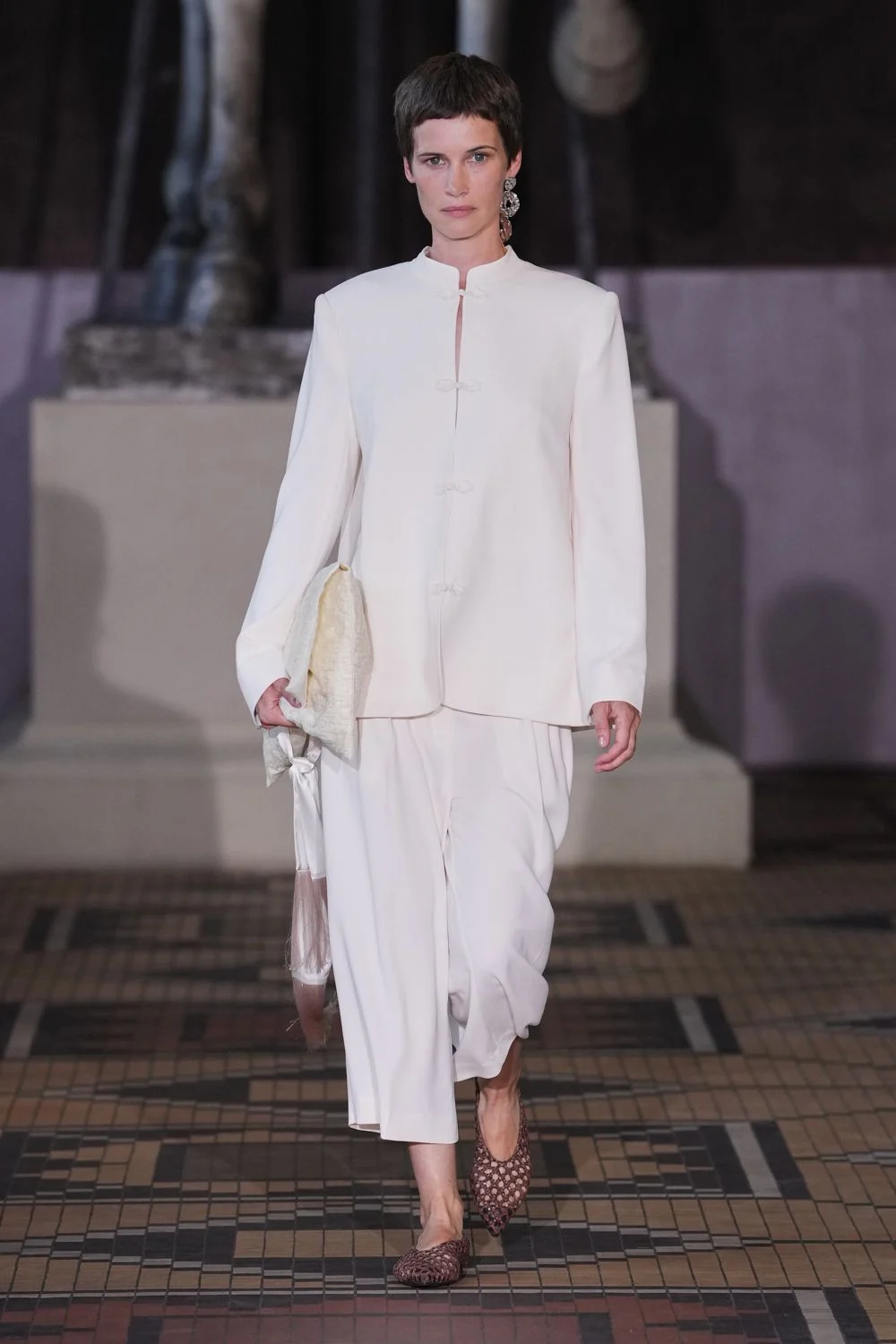
Vogue.com stands as a paramount digital destination, continually curating the latest fashion news, comprehensive beauty coverage, insights into celebrity style, real-time fashion week updates, incisive culture reviews, and engaging video content, all accessible to a global audience. The platform, a digital extension of the iconic Vogue brand under the Condé Nast umbrella, navigates the complexities of modern media consumption, solidifying its position not merely as a content provider but as a central arbiter of taste and trend. Its operational framework, evident even in its foundational digital elements, reflects a sophisticated blend of editorial integrity, strategic monetization, and global reach, projecting a clear vision toward future relevance, as indicated by its 2026 copyright.
The transition of legacy print publications to robust digital ecosystems has been one of the defining narratives of the media industry over the past two decades. Vogue, with a print history spanning over 130 years since its inception in 1892, embarked on its digital journey by launching Vogue.com, adapting its celebrated editorial prowess to the dynamic, instantaneous demands of the internet. This evolution was not a simple digitization of print pages but a fundamental rethinking of how fashion, beauty, and culture content could be created, distributed, and consumed in an online environment. The core mission articulated by Vogue.com – to deliver "the latest fashion news, beauty coverage, celebrity style, fashion week updates, culture reviews, and videos" – encapsulates a multifaceted approach designed to capture and retain a diverse, digitally native audience.
The Pillars of Digital Content Excellence
Vogue.com’s content strategy is meticulously segmented to address the diverse interests of its readership, a reflection of the multifaceted nature of the fashion and lifestyle industries themselves.
Fashion News and Trend Forecasting
At its heart, Vogue.com remains a primary source for fashion news. This includes breaking announcements from major fashion houses, designer interviews, industry analyses, and trend reports. In an era where trends emerge and dissipate at an accelerated pace, often fueled by social media, Vogue.com’s role as a credible and authoritative voice is critical. It provides context, historical perspective, and expert commentary that differentiates it from ephemeral trend cycles. Data suggests that consumer interest in fashion news remains high, with industry reports indicating a consistent demand for insights into emerging styles, designer movements, and the business of fashion. The digital format allows for immediate publication, offering readers a real-time window into an industry once characterized by seasonal print cycles.
Comprehensive Beauty Coverage
Beyond fashion, beauty coverage forms another cornerstone. This segment encompasses product reviews, makeup tutorials, skincare guides, hair styling tips, and interviews with beauty experts and celebrities. The digital realm has revolutionized the beauty industry, giving rise to influencers and direct-to-consumer brands. Vogue.com navigates this crowded landscape by offering curated, high-quality content that upholds its brand standards, providing trusted recommendations and expert insights amidst a proliferation of information. The global beauty market is projected to continue its significant growth, with digital platforms playing an increasingly vital role in product discovery and consumer education.
Celebrity Style and Influence
Celebrity style remains a perennial draw, offering readers aspirational content and immediate trend translation. Vogue.com meticulously covers red carpet events, street style, and personal wardrobes of influential figures, often dissecting looks and offering shoppable alternatives. This content leverages the immense reach and impact of celebrity culture, translating high fashion into relatable inspiration for its audience. The symbiotic relationship between celebrities, fashion brands, and media platforms like Vogue.com is a powerful driver of engagement and commercial activity, illustrating the potent blend of aspirational content and consumer guidance.
Real-time Fashion Week Updates
Fashion Week coverage is perhaps where Vogue.com’s digital advantage is most pronounced. Gone are the days of waiting weeks or months for print reviews. Vogue.com delivers real-time updates from New York, London, Milan, Paris, and other burgeoning fashion capitals. This includes runway show reviews, backstage access, street style galleries, and designer interviews, often published within hours of an event. This immediacy is crucial for an industry that thrives on rapid dissemination of new collections and trends. The platform’s ability to provide comprehensive, multimedia coverage – including high-quality photography and video – ensures that it remains an indispensable resource for both industry professionals and fashion enthusiasts worldwide.
Culture Reviews and Videos
Expanding beyond the immediate confines of fashion and beauty, Vogue.com also delves into culture reviews, encompassing art, film, music, literature, and social commentary. This broadens its appeal and reinforces its identity as a comprehensive lifestyle authority. The inclusion of video content, from documentaries and behind-the-scenes features to interviews and creative shorts, signifies an adaptation to evolving media consumption habits. Video has emerged as a dominant format in digital media, offering an immersive and dynamic way to tell stories and engage audiences, particularly younger demographics. Statistics from major media analytics firms consistently show that video content drives higher engagement rates and longer dwell times on websites.
Chronology of Digital Evolution and Adaptation
Vogue’s journey into the digital sphere can be traced through several key phases, mirroring the broader trends in online media.
Late 1990s – Early 2000s: Initial Web Presence
Like many legacy publishers, Vogue established an early web presence, primarily as an informational hub mirroring its print content. These early iterations were often static, focusing on archival content and limited news updates. The focus was largely on extending brand visibility rather than creating a distinct digital content strategy.
Mid-2000s: Emergence of Dynamic Content and Blogging
With the rise of Web 2.0 and interactive platforms, Vogue.com began to evolve. This period saw the introduction of more dynamic content, including daily news updates, blogs, and rudimentary multimedia features. The platform started to leverage the immediacy of the internet to cover events like Fashion Week more promptly.
Late 2000s – Early 2010s: Social Media Integration and Mobile Optimization
The explosion of social media platforms (Facebook, Twitter, Instagram) fundamentally reshaped content distribution and consumption. Vogue.com aggressively integrated social sharing functionalities and began to tailor content for mobile consumption, recognizing the growing shift towards smartphone access. This era also saw an increased emphasis on video content and interactive galleries.
Mid-2010s – Present: Data-Driven Content, Affiliate Marketing, and Global Expansion
The current phase is characterized by sophisticated data analytics to inform content strategy, a robust push into e-commerce through affiliate partnerships, and a concerted effort to expand global digital footprints. The proliferation of international Vogue editions, each with its own digital platform, reflects a strategy of localized content delivery while maintaining a cohesive global brand identity. The 2026 copyright date on the site’s footer, while standard for forward-looking legal protection, subtly underscores this forward-thinking posture, hinting at long-term digital strategies and continued innovation in content and monetization.
The Economic Imperative: Affiliate Partnerships and Monetization
The declaration "Vogue may earn a portion of sales from products that are purchased through our site as part of our Affiliate Partnerships with retailers" highlights a critical aspect of modern digital publishing: diversified revenue streams. As advertising revenues for traditional publishers have faced headwinds in the digital age, driven by programmatic advertising and the dominance of tech giants, publishers like Condé Nast have increasingly turned to affiliate marketing.
Affiliate partnerships allow Vogue.com to monetize its content directly by linking readers to e-commerce sites where featured products can be purchased. When a reader clicks through a Vogue.com link and makes a purchase, Vogue earns a commission. This model aligns perfectly with fashion and beauty content, where product discovery and aspirational consumption are inherent. It transforms editorial recommendations into direct commercial opportunities, providing a sustainable revenue stream that complements traditional advertising and sponsored content.
This strategy is not without its challenges. Maintaining editorial integrity while simultaneously driving sales requires careful curation and transparency. Vogue.com must ensure that its product recommendations are genuinely editorially driven and align with its brand values, rather than being solely influenced by potential commissions. The "Ad Choices" link in the footer further emphasizes a commitment to ethical advertising practices and consumer transparency, acknowledging the evolving regulatory landscape around digital advertising and data privacy. The shift towards such direct monetization strategies reflects a broader industry trend where content creators are increasingly expected to demonstrate tangible commercial impact.
Broader Impact and Implications
Vogue.com’s strategic approach has several significant implications for the broader media and fashion industries.
Democratization of Fashion and Global Reach
The digital platform has significantly democratized access to high fashion. No longer confined to industry insiders or print subscribers, runway shows, trend reports, and designer insights are instantly available to anyone with an internet connection. This has broadened fashion’s audience, fostered new communities, and accelerated the global dissemination of trends. The presence of "Select international site" functionality underscores Condé Nast’s commitment to a globalized digital strategy, allowing localized content while leveraging the overarching brand power of Vogue.
The Evolution of the Editor
The role of the editor has evolved from primarily print-focused curation to a multi-platform strategist, overseeing content across text, images, video, and social media, all while considering SEO, audience analytics, and commercial objectives. Digital editors must possess a blend of journalistic rigor, technological fluency, and business acumen.
Future-Proofing Legacy Brands
For legacy brands like Vogue, a successful digital strategy is not just about survival but about continued relevance and growth. By embracing digital innovation, diversifying revenue streams, and adapting content formats, Vogue.com exemplifies how established brands can thrive in a rapidly changing media landscape. The 2026 copyright year serves as a subtle, yet powerful, testament to Condé Nast’s long-term vision for the brand, implying continuous investment in digital infrastructure, intellectual property, and strategic foresight to remain at the forefront of fashion and cultural discourse for years to come. This forward-dating signifies a proactive stance in protecting digital assets and planning for future market shifts.
Challenges and Opportunities
Despite its successes, Vogue.com, like all digital publishers, faces ongoing challenges. These include navigating evolving algorithms on social media platforms, combating content fatigue, managing data privacy concerns, and continually innovating to maintain audience engagement. However, these challenges also present opportunities for further innovation, such as exploring immersive technologies (VR/AR in fashion), personalized content delivery, and deeper community engagement strategies.
In conclusion, Vogue.com’s multifaceted digital presence, articulated through its comprehensive content offerings, strategic monetization through affiliate partnerships, and global reach, represents a masterclass in adapting a storied brand for the digital age. It serves as a vital nexus for fashion, beauty, and culture, not only informing and inspiring its vast audience but also setting benchmarks for digital publishing excellence. As it continues to evolve towards its 2026 copyright horizon and beyond, Vogue.com is poised to remain a dominant force, shaping conversations and trends in the ever-dynamic world of global style and culture.
