
 By Jia Lissa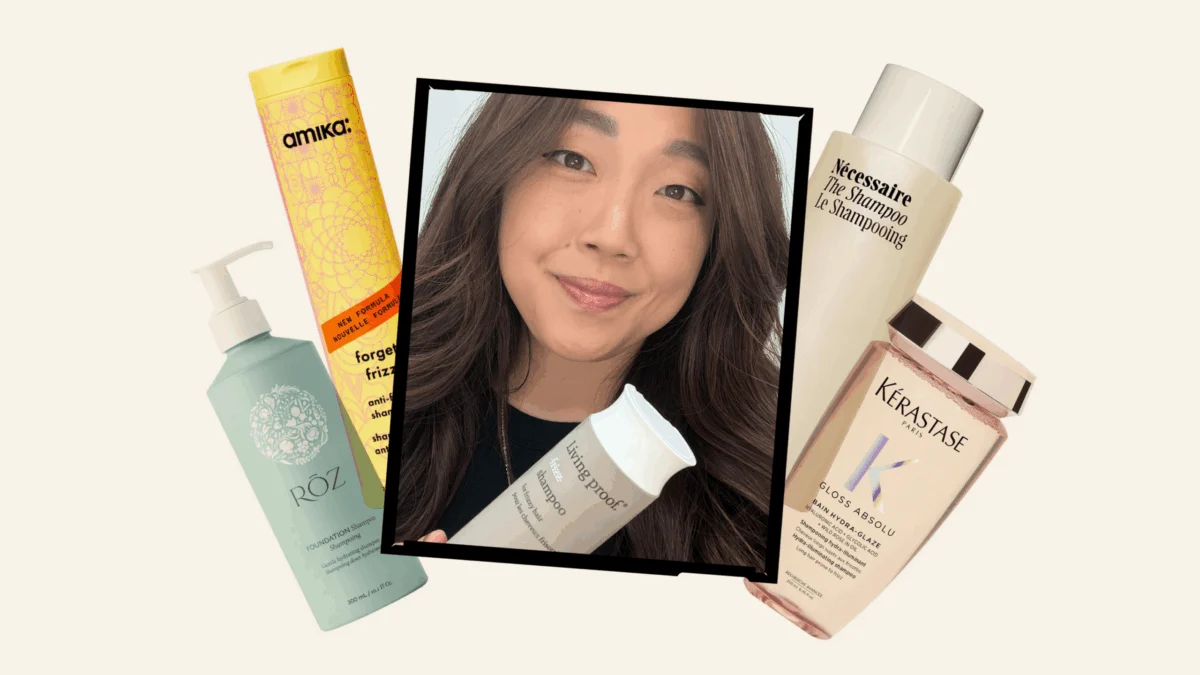
Frizzy hair, a common concern for millions worldwide, stems from a complex interplay of environmental factors and hair structure. At its core, frizz occurs when the outermost layer of the hair shaft, known as the cuticle, becomes lifted or misaligned. This disruption creates a rough surface that scatters light, leading to the characteristic fuzzy or untamed appearance. The primary driver behind this cuticle misalignment, as explained by Seattle-based hairstylist Jen Atkin, is a deficit of moisture within the hair shaft. When hair is dehydrated, it actively seeks to absorb moisture from the surrounding environment, particularly humid air. This process causes the hair shaft to swell unevenly, pushing the cuticle layers outward and resulting in frizz. "Making sure you’re conditioning and masking will help your hair combat that and leave it moisturized without wanting to absorb the moisture outside," Atkin previously advised Allure. This fundamental understanding underscores the importance of a robust moisturizing routine in managing frizzy textures.
The Science Behind Frizz: Moisture Imbalance and Cuticle Integrity
The hair shaft is comprised of three main layers: the cuticle, the cortex, and the medulla. The cuticle, the outermost protective layer, is made up of overlapping scales, much like shingles on a roof. In healthy, well-moisturized hair, these scales lie flat and smooth, reflecting light uniformly and creating a sleek appearance. When hair loses moisture, either due to environmental conditions, over-processing, or inadequate haircare, the cuticle scales begin to lift. This lifting exposes the inner cortex and allows external moisture from the air to penetrate the hair shaft. However, this absorption is not uniform. Different parts of the hair shaft absorb moisture at different rates, causing them to swell unevenly. This uneven swelling is what ultimately leads to the characteristic uneven surface and the appearance of frizz.
Environmental factors play a significant role in exacerbating frizz. High humidity levels are a major contributor because the air contains more water vapor, which the hair readily absorbs. Conversely, dry environments can also lead to frizz, as the hair loses its natural moisture to the drier air. Heat styling tools, chemical treatments like coloring and perms, and even harsh brushing can damage the cuticle, making it more susceptible to lifting and moisture loss. The prevalence of frizz is so widespread that studies have indicated a significant percentage of the global population experiences it to some degree, impacting self-esteem and styling routines.
Strategies for Reducing Frizz: A Multi-Pronged Approach
The good news is that frizzy hair is not an immutable condition. A variety of effective strategies can be employed to significantly reduce and manage frizz. Chicago-based hairstylist Shelly Aguirre emphasizes that frizzy hair is frequently a symptom of dryness, making moisturization the cornerstone of any anti-frizz regimen. "Frizzy hair is often dry, so moisturization is essential," Aguirre states.
When selecting hair products, particularly shampoos, the focus should be on those that specifically target dryness. New York City-based hairstylist and colorist Paul Labrecque recommends shampoos that contain "naturally hydrating ingredients that will smooth the hair shaft but not overly weigh the hair down." This balance is crucial, as overly heavy products can flatten the hair, negating volume and style.
Key ingredients to look for in anti-frizz formulations include natural oils such as argan oil and coconut oil, shea butter, and aloe vera. These ingredients are lauded for their ability to penetrate the hair shaft, providing deep hydration and smoothing the cuticle. Labrecque notes that these components "help to smooth and tame frizz while gently hydrating and cleansing the hair."
Conversely, a critical piece of advice from virtually all hair professionals is to avoid shampoos containing sulfates. Sulfates are harsh detergents that effectively strip the hair of its natural oils, which are essential for maintaining moisture and cuticle integrity. "Steering clear of shampoos with sulfates" is paramount, as they can lead to increased dryness and, consequently, more frizz. This recommendation is a recurring theme in expert advice, highlighting the detrimental impact of sulfates on hair health, especially for those prone to frizz. The global market for sulfate-free haircare products has seen substantial growth in recent years, reflecting increased consumer awareness of these ingredients’ effects.
Expert Insights and Product Selection Criteria
The selection of effective anti-frizz products is often informed by the collective experience of hair professionals and rigorous testing. When evaluating shampoos for frizzy hair, experts like Labrecque prioritize formulations that deliver essential hydration without compromising the hair’s natural balance. This involves a careful consideration of ingredient profiles, favoring those with humectants and emollients that attract and seal in moisture.
Beyond the core ingredients, the pH balance of a shampoo can also influence cuticle health. Shampoos with a slightly acidic pH (around 4.5-5.5) help to close and smooth the cuticle, further contributing to a sleek appearance. Alkaline shampoos, in contrast, can cause the cuticle to swell, exacerbating frizz. While not always explicitly stated on product labels, understanding the general properties of ingredients can guide consumers toward more beneficial choices.
The market offers a wide array of anti-frizz solutions, including leave-in conditioners, serums, masks, and styling creams. Each plays a distinct role in the overall strategy. Leave-in conditioners provide continuous hydration throughout the day, while serums and styling creams can help to seal the cuticle and provide a protective barrier against humidity. Deep conditioning treatments and hair masks, used periodically, offer intensive nourishment and repair for compromised hair.
The Science of Hair Testing and Consumer Trust
Understanding how haircare products are tested and reviewed is essential for consumers seeking reliable recommendations. At publications like Allure, the process of evaluating haircare products, particularly those designed to address specific concerns like frizz, is comprehensive and multifaceted. Unlike some beauty products that can be universally applied, haircare is highly individualized, influenced by hair texture, length, curl pattern, thickness, color, and specific needs.
For reviews of the best shampoos for frizzy hair, a diverse panel of testers is enlisted. This typically includes editors, writers, contributors, and professional hairstylists who themselves experience frizz and seek smoother results. These testers evaluate products across several key categories: efficacy (how well it controls frizz and improves hair appearance), texture and experience (the feel of the product and its application), fragrance, and packaging. This rigorous testing methodology ensures that recommendations are based on real-world performance and cater to a broad spectrum of users.
The commitment to diverse testing is a critical component of building consumer trust. For instance, a product lauded for its effectiveness on fine, straight hair might perform differently on thick, curly hair. Therefore, engaging testers with varied hair types and concerns ensures a more accurate and equitable assessment. This approach acknowledges that what works for one individual may not work for another, promoting informed purchasing decisions.
A Diverse Team for Inclusive Recommendations
The ethos of Allure and similar publications is rooted in the belief that a diverse testing team is paramount to delivering truly valuable recommendations. Beauty products are inherently personal, and an individual’s needs and concerns vary significantly. Whether someone is seeking relief from dryness, combating breakage, or simply looking for the latest innovations, the feedback from a representative group is invaluable.
This commitment extends to hair products, where the spectrum of textures, colors, and styles is vast. A purple shampoo, for example, is designed for blonde or lightened hair; its efficacy cannot be adequately judged by someone with naturally dark, virgin hair. Similarly, a diffuser attachment for a hairdryer is crucial for individuals with curly or wavy hair, and its performance must be tested by those with these textures.
Allure‘s staff, including editors and writers, spans a wide range of ages, skin tones, hair textures, genders, and backgrounds. This internal diversity, coupled with a wide network of external testers and industry experts, allows for a comprehensive and fair assessment of any beauty product. This ensures that recommendations are not biased by a narrow demographic but are inclusive and reflective of the diverse needs of the publication’s readership. This inclusive approach is increasingly recognized as a best practice in the beauty industry, fostering greater consumer confidence and satisfaction. The implications of this are significant, as it helps to democratize access to effective beauty solutions, ensuring that a wider audience can find products that truly work for them. The ongoing dialogue between consumers, product developers, and testing bodies is crucial for continued innovation and improvement in the haircare sector, with a growing emphasis on sustainability and ethical sourcing of ingredients.
