
 By Nila Kartika Wati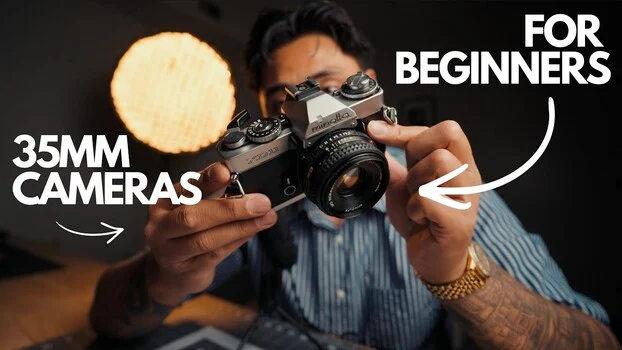
Twenty dollars can still acquire a functional film camera capable of manual exposure, aperture priority, and autofocus, a testament to the enduring accessibility of analog photography and mirroring the foundational experience of many seasoned shooters. Film photography continues to draw in new enthusiasts annually, yet the initial hurdle of selecting a reliable first camera without incurring unnecessary expense or ending up with a malfunctioning unit remains a significant challenge for newcomers. The burgeoning interest in film, fueled by a desire for tangible outputs and a more deliberate photographic process, has led to a saturated secondary market where informed decisions are paramount.
The Enduring Appeal and Growth of Analog Photography
The digital revolution of the late 20th and early 21st centuries largely sidelined film photography, pushing it into a niche occupied by purists and artists. However, the past decade has witnessed a remarkable resurgence, particularly among younger generations. This renewed interest is not merely nostalgic; it is driven by a unique aesthetic, the tactile experience of handling film and prints, and the perceived authenticity of analog images. Unlike the instant gratification and endless editing possibilities of digital, film photography often encourages a more thoughtful approach, with each frame carrying more weight due to the finite nature of a roll of film and the costs associated with development.
This renaissance is evidenced by growing sales figures for film stock and the increasing demand for vintage camera bodies. While precise global statistics are often proprietary, industry analysts and retailers consistently report year-over-year growth in film sales. Companies like Kodak Alaris and Fujifilm have responded by reintroducing popular film stocks and even developing new ones, signaling a long-term commitment to the analog market. This burgeoning demand, however, also means a more competitive and sometimes inflated used camera market, making expert guidance invaluable for those just beginning their journey.
Expert Guidance: Jonathan Paragas’s Categorical Approach
To address the complexities of entering the film photography world, Jonathan Paragas, widely known as KingJvpes on YouTube, has compiled a comprehensive guide to 12 beginner film cameras. Paragas, whose extensive experience spans a decade of shooting with every body on his list, structures his recommendations into five distinct categories: entry-level, point-and-shoot, fully automatic, fully mechanical, and all-rounder. Within each category, he provides both a budget-friendly and a "splurge" option, allowing aspiring photographers to align their choice with their financial comfort and desired level of commitment. This structured approach aims to help beginners select a camera that matches their preferred shooting style and technical engagement, a critical factor often overlooked when buying solely based on social media trends.
The core premise of Paragas’s methodology is to prevent common beginner mistakes, primarily overspending on popular, often overpriced, models that may not suit the user’s actual photographic intent. Many newcomers, swayed by online hype, acquire sophisticated cameras only to discover that their desired shooting experience is simpler or more complex than the chosen gear allows. By categorizing cameras based on their operational complexity—from mindless capture to full manual control—Paragas guides users toward a more appropriate and satisfying initial investment.
Deep Dive into Camera Categories and Recommended Models
1. Entry-Level: Simplicity and Exploration
The entry-level tier is designed for those dipping their toes into film photography with minimal commitment. This category has evolved significantly, moving beyond the traditional drugstore disposable cameras. Today, disposables offer a surprising array of options, including various black-and-white, color, and even experimental film stocks, providing distinct looks without the need for a significant camera investment. They serve as an excellent, low-risk introduction to the film aesthetic and the anticipation of development.
Stepping up from disposables, the Kodak Snapic A1 emerges as a standout reusable entry-level option, typically priced around $100. This camera features a fixed 25mm glass lens, a built-in flash, and multiple shooting modes, offering more control than a disposable while maintaining an approachable interface. Its reusable nature makes it a more sustainable and cost-effective choice in the long run, allowing users to experiment with different film types and developing their eye without investing in a complex system. The Snapic A1 represents a modern take on the classic point-and-shoot ethos, designed for casual use but capable of producing charming, authentic film images.
2. Point-and-Shoot: Convenience Meets Quality
The point-and-shoot category prioritizes reliability, sharpness, and ease of use over advanced manual controls. These cameras, particularly popular in the 1980s and 90s, are valued today for their compact form factors and often surprisingly sharp optics. Paragas emphasizes models known for their robust performance rather than fleeting trend value.
The Pentax IQ Zoom series stands out as a reliable and more affordable option in this segment. These cameras offer good autofocus, a built-in flash, and a versatile zoom lens, making them ideal for everyday snapshots and travel. They provide a step up in image quality and features from the entry-level options without overwhelming the user with manual settings. Their often plastic but durable construction and widespread availability on the used market make them excellent budget picks.
For those willing to "splurge" within the point-and-shoot category, the Olympus Stylus Epic (also known as the mju-II in some markets) is a highly coveted choice. While the Olympus Stylus Zoom series offers competent performance, the Epic is distinguished by its exceptional prime 35mm f/2.8 lens. This fast, sharp lens significantly outperforms the zoom variants in terms of resolution and low-light capability, producing images with remarkable clarity and characteristic film rendering. Its compact, weather-sealed body and accurate autofocus system made it a cult classic in its time and a sought-after item today, often commanding higher prices due to its legendary status among film enthusiasts. The Stylus Epic perfectly embodies the idea of a camera that you can always carry with you, ready to capture moments with superior image quality for its class.
3. Fully Automatic: Effortless Control
While not explicitly detailed as a separate category in the original snippet, the implication of "point-and-shoot" often overlaps with "fully automatic" operation. These cameras handle exposure and focus automatically, allowing the photographer to concentrate solely on composition. This category would typically include more advanced autofocus SLRs from the late 1980s and 1990s, such as the Minolta Maxxum HTsi Plus (also known as Dynax in Europe). Such cameras offer the versatility of interchangeable lenses and often more sophisticated metering systems than compact point-and-shoots, while still automating the core exposure functions. The Minolta Maxxum series, in particular, was revolutionary for its early adoption of successful autofocus technology, making it a powerful yet user-friendly system for those wanting more photographic control without the complexities of full manual operation.
4. Fully Mechanical: The Purity of Control
This category is for those who wish to engage more deeply with the mechanics of photography, offering a tactile and deliberate shooting experience. Fully mechanical cameras operate without batteries for shutter function, relying solely on springs and gears, which ensures reliability even in extreme conditions. This is where Paragas’s recommendations become more opinionated, reflecting a preference for specific camera qualities and lens systems.
The Pentax Spotmatic SP, available for a modest $25 to $70, is presented as an excellent budget mechanical option. This classic SLR from the 1960s and 70s is renowned for its robust build quality and compatibility with an array of affordable, high-quality Super-Takumar lenses, such as the 50mm f/1.4 and 55mm f/1.7. These lenses are celebrated for their distinctive optical characteristics, including beautiful bokeh and sharpness. While the Spotmatic SP features a built-in light meter, its reliability can vary on older models. Paragas suggests a practical workaround: utilizing a smartphone light meter app, an accessible and accurate solution for modern film shooters. The Spotmatic SP offers a pure manual experience, forcing users to understand the exposure triangle and focus manually, thereby developing fundamental photographic skills.
The "splurge" pick in the mechanical category is the Nikon FM2. This camera is a benchmark for mechanical excellence, notable for its impressive 1/4,000 second mechanical shutter speed—a feat few other fully mechanical bodies achieved. This high shutter speed allows for shooting fast action or using wide apertures in bright light without overexposure. Crucially, the FM2’s shutter fires entirely mechanically, meaning it operates perfectly even without a battery (though the light meter requires one). Its robust construction, compatibility with a vast range of Nikon F-mount lenses, and precise controls make it a favorite among professionals and enthusiasts alike. The FM2 embodies durability and precision, offering a lifetime of reliable manual shooting.
5. All-Rounder: Versatility and Growth
The all-rounder category is for cameras that strike a balance between automated convenience and manual control, offering flexibility for photographers to grow their skills without needing a new body. These cameras typically feature aperture-priority auto exposure mode, allowing the user to control depth of field while the camera sets the shutter speed, alongside full manual options.
Paragas highly recommends the Minolta XD 11 (also known as XD7 or XD in some markets) as his top all-rounder, often citing it as the body he recommends most frequently. This camera holds a unique place in history, being built on the same chassis as the iconic Leica R3, a testament to its premium build quality and engineering. Available for $100 to $150, the XD 11 offers both aperture-priority and shutter-priority automatic modes, as well as full manual control. Its compact size, bright viewfinder, and excellent metering system make it an incredibly versatile camera. The ability to switch seamlessly between automatic and manual modes allows beginners to start comfortably with automation and gradually transition to full manual control as their understanding of exposure deepens, all within the same reliable body.
Sitting above the XD 11 as the ultimate all-rounder "splurge" is the Nikon F3. This professional-grade SLR is renowned for its modularity and legendary durability. The F3 boasts a swappable prism (allowing for different metering options or waist-level viewing), changeable focusing screens (for various focusing aids), and an incredibly smooth advance lever, engineered with 11 ball bearings. These features underscore its status as a camera designed to adapt and grow with the photographer’s needs. The F3 offers robust build quality, excellent metering, and compatibility with Nikon’s extensive F-mount lens system. It’s a camera that can withstand decades of heavy use and remain a reliable tool for any photographic endeavor, making it a sound long-term investment for serious enthusiasts.
The Economics of Entry: Navigating the Used Market
A recurring theme and critical piece of advice from Paragas is the importance of strategic purchasing in the used film camera market. Beginners often fall into the trap of overspending on cameras that are currently "going viral" on platforms like Instagram, only to discover that the camera’s shooting experience does not align with their personal workflow or preferences. The film camera market is largely unregulated, with prices fluctuating wildly based on seller, condition, and perceived demand.
Patience is key. For models like the Pentax IQ Zoom or the Minolta Maxxum HTsi Plus, prices can vary dramatically from one listing to another, sometimes by 50% or more for the same camera in similar condition. Paragas advises setting up saved searches on platforms like eBay, Etsy, or specialized camera forums and waiting a week or two. This patient approach often yields the desired camera at a significantly lower price than an impulse purchase. This habit of diligent searching and waiting can save more money in the long run than meticulously researching the "right" brand or model, as even a highly recommended camera can be overpriced if bought hastily.
Beyond pricing, understanding the condition of a used camera is paramount. Key areas to inspect or inquire about include:
- Light seals: Deteriorated foam light seals can lead to light leaks on film.
- Shutter: Check for proper firing at all speeds; slow speeds are often the first to fail.
- Lens: Look for fungus, haze, or scratches that can degrade image quality.
- Light meter: Verify functionality and accuracy (especially if not using an external app).
- Battery compartment: Check for corrosion, which can indicate past battery leaks and damage.
A reputable seller will often provide detailed descriptions and photos, and a return policy offers crucial peace of mind.
Broader Implications and The Future of Film
The sustained interest in film photography has broader implications for the industry. It has revitalized certain segments of manufacturing, from film production to the servicing and repair of vintage cameras. A growing ecosystem of independent film labs and darkrooms has emerged to cater to the demand for development and scanning services. This trend also influences lens design, with many modern digital photographers adapting vintage film lenses to their digital cameras to achieve unique optical characteristics.
Furthermore, the educational aspect of film photography is significant. It forces photographers to slow down, understand the fundamentals of light and exposure, and make more deliberate choices. This foundational knowledge often translates into improved skills in digital photography as well. The community around film photography is vibrant, fostering knowledge sharing and a collaborative spirit among enthusiasts.
In conclusion, embarking on the journey of film photography can be immensely rewarding. The initial decision of choosing a camera, however, requires careful consideration. By understanding the different categories of cameras, prioritizing function over fleeting trends, and exercising patience in the used market, beginners can make an informed choice that sets them up for a fulfilling analog experience. The advice from experts like Jonathan Paragas provides a crucial roadmap, ensuring that the entry into film photography is both accessible and sustainable. For a comprehensive visual guide, including field performance demonstrations and specific lens recommendations for each pick, consulting the full video breakdown is highly recommended.
