
 By admin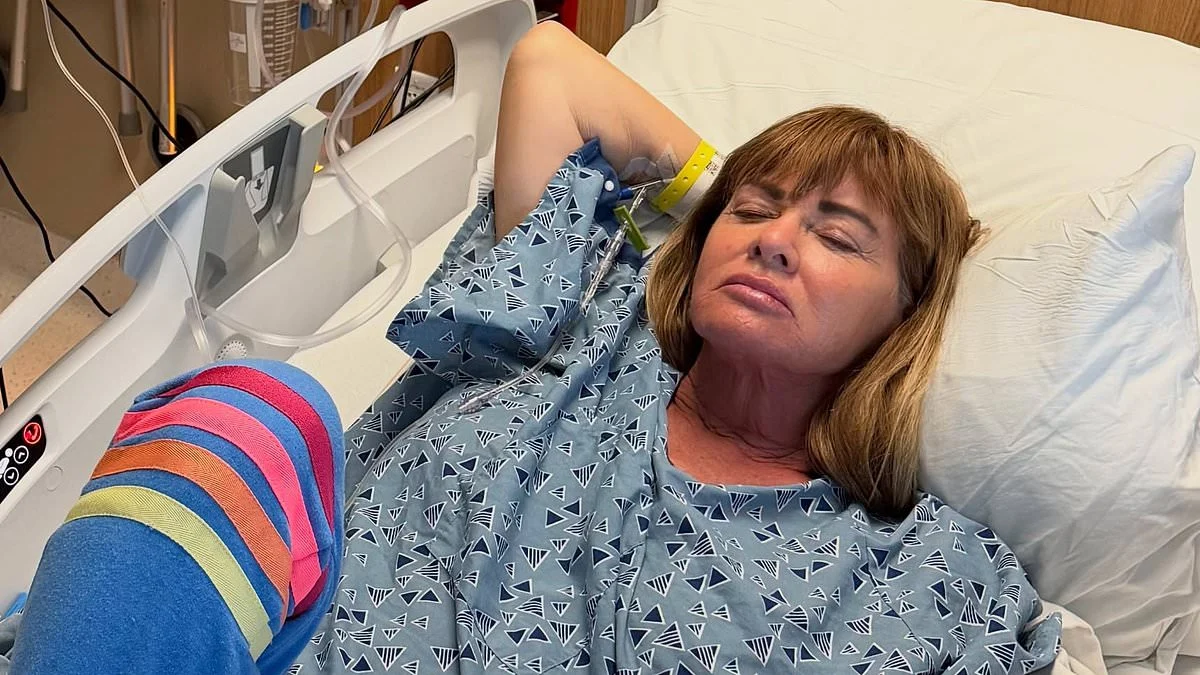
Jeana Keough, an original cast member of the Bravo reality series The Real Housewives of Orange County, has publicly accused her longtime dental provider of a significant medical oversight that delayed the diagnosis of her stage-specific tongue cancer. The 70-year-old television personality and real estate professional revealed that she is currently battling squamous cell carcinoma, a diagnosis that came only after nearly a year of persistent pain and what she characterizes as "multiple visits" to a dentist who failed to order a biopsy or refer her to a specialist in a timely manner. Keough, who is currently unable to speak due to the aggressive nature of her treatment, shared her harrowing experience via email, detailing a timeline of missed opportunities and the subsequent physical and financial toll the illness has taken on her life.
A Timeline of Missed Indicators and Delayed Diagnosis
The genesis of Keough’s health crisis dates back approximately one year, when she began experiencing a localized, painful spot on her tongue. Seeking professional advice, she turned to her "trusted" longtime dentist. According to Keough, the dentist repeatedly dismissed the possibility of a serious underlying condition, insisting instead that the soreness was a mechanical issue caused by a tooth "digging" into the side of her tongue.
Throughout several appointments, the dentist proceeded to file down the tooth in question, operating under the theory that smoothing the dental surface would alleviate the irritation. Keough noted that during these initial visits, there was no mention of a specialist referral or a suggestion for a biopsy, despite the recurring nature of the pain. It was only after a third visit, when the pain persisted despite the dental adjustments, that the dentist referred her to an ear, nose, and throat (ENT) specialist.
However, the path to a definitive diagnosis was further obstructed by the complexities of the American healthcare system. Upon consulting the ENT, Keough was informed that a biopsy would cost nearly $3,000 out of pocket because the provider was not within her insurance network. Faced with the steep cost and financial constraints, Keough declined the immediate procedure, intending to locate an in-network specialist to manage the costs. This decision, driven by financial necessity, further delayed the identification of the malignancy.
The turning point occurred in February 2024 during a family trip to Florida. While visiting her children, Keough mentioned her inability to eat spicy foods due to the chronic tongue pain. Her daughter, Kara Bosworth, 37, immediately questioned the longevity of the issue. Upon hearing that the problem had persisted for months despite the dentist filing down a tooth that had been in place for decades, Bosworth insisted that her mother seek a biopsy immediately upon returning to California. The subsequent consultation with a new physician led to an immediate clinical suspicion of cancer, which was confirmed shortly thereafter by pathology results.
Medical Intervention and the Aggressive Nature of Squamous Cell Carcinoma
Following the confirmation of squamous cell carcinoma, Keough underwent a series of intensive surgical procedures. The initial plan involved a tongue dissection to remove the localized tumor. However, following a consultation with her oncology team and a review of diagnostic scans that showed a "glimmer" near her neck, the surgical scope was expanded.
To mitigate the risk of metastasis, Keough underwent a second surgery: a neck dissection. This procedure involved the removal of 30 to 40 lymph nodes to ensure the cancer had not spread through the lymphatic system. While the "glimmer" on the scans could have been attributed to inflammation, the medical team opted for a proactive approach given the aggressive nature of oral cancers.
Squamous cell carcinoma of the tongue is a form of head and neck cancer that begins in the thin, flat cells that line the surface of the tongue. According to medical data from the American Cancer Society, oral and oropharyngeal cancers account for about 3% of all cancers diagnosed in the United States annually. The five-year survival rate for localized tongue cancer is approximately 83%, but this figure drops significantly—to roughly 69% if the cancer reaches regional lymph nodes and 41% if it metastasizes to distant parts of the body. Keough herself acknowledged the gravity of her prognosis, stating that she currently faces a 40% to 60% cure rate over the next five years.
The Physical and Physiological Toll of Triple-Modality Therapy
Keough’s recovery has been marked by a "relentless" regimen of chemotherapy, radiation, and immunotherapy. The combination of these therapies, while necessary to target the cancer, has resulted in debilitating side effects. Keough described the radiation as the most agonizing component of her recovery, noting that the treatment causes her head, neck, and mouth to "light up" with heat and pain.
The resulting inflammation has rendered basic functions—such as breathing, swallowing, and speaking—incredibly painful. Keough reported that she is currently unable to swallow without gagging or vomiting, a process she described as "hurting like hell" due to the raw state of her throat and tongue. This inability to maintain proper nutrition has led to malnourishment and extreme exhaustion, complicating her body’s ability to heal from the surgeries and endure the ongoing chemical treatments.
Financial Strain and the Controversy Surrounding Public Fundraising
Beyond the physical battle, the Keough family is navigating a significant financial crisis. Despite her long career in real estate and her history as a television personality, Keough’s ability to generate income has ceased entirely due to her health status. This loss of revenue, coupled with the high costs of specialized cancer care, prompted her daughter to launch a GoFundMe campaign on July 19 to help cover medical expenses and daily living costs.
The fundraiser sparked a polarized reaction online, with some critics questioning why a former "Real Housewife" would require public assistance. Vicki Gunvalson, a fellow RHOC alum and longtime friend of Keough, came to her defense during an appearance on Jeff Lewis Live. Gunvalson clarified that Keough’s financial situation is more precarious than the public assumes. She noted that while Keough owns rental properties in Florida, they have limited equity due to a downturn in the local market. Furthermore, Keough’s primary sources of income—a small pension from her late ex-husband, Matt Keough, and Social Security—are insufficient to cover her rent in Coto de Caza and the mounting costs of her treatment.
Kara Bosworth also addressed the "aggressive and hateful" backlash in a statement to the media. She expressed disappointment that some individuals would find ways to be critical during a life-threatening health crisis, drawing parallels to the online harassment she faced after the tragic death of her newborn son in 2020. Bosworth emphasized that the GoFundMe was intended for Keough’s "village"—friends and followers who had specifically asked how they could help—and that the response from that core group has been overwhelmingly supportive.
Analysis of the Standard of Care and Implications for Oral Health
Keough’s experience highlights a critical discussion regarding the standard of care in dental oncology screenings. Professional dental organizations, including the American Dental Association (ADA), emphasize that dentists play a frontline role in the early detection of oral cancer. A standard oral examination should include a visual and tactile inspection of the tongue, floor of the mouth, and neck.
Medical experts suggest that any lesion or sore that does not heal within two weeks should be considered suspicious and warrants a biopsy or a referral to an oral surgeon or ENT. In Keough’s case, the allegation that a dentist continued to treat the symptom (the irritation) by filing a tooth for nearly a year, rather than investigating the cause (the non-healing sore), points to a potential deviation from standard diagnostic protocols.
Furthermore, Keough’s initial refusal of a $3,000 biopsy due to insurance barriers underscores a broader systemic issue in American healthcare: the "diagnostic gap." When patients are forced to choose between immediate testing and financial stability, the resulting delays can lead to more advanced disease stages, requiring more invasive surgeries and lower survival odds.
Conclusion and Current Status
As of late July 2024, Jeana Keough remains in the thick of her treatment journey. Her family continues to manage her GoFundMe page, which serves as a lifeline for her ongoing care and nutritional needs. While the "40 to 60 percent" cure rate remains a daunting statistic, Keough’s family maintains a focus on her resilience and the support of the Bravo community.
Keough’s story serves as a stark reminder of the importance of patient advocacy and the necessity of seeking second opinions when persistent symptoms are dismissed as minor issues. For a woman who was once the face of the "Orange County lifestyle," her current battle is a somber departure from the glamour of reality television, highlighting the universal and often devastating impact of a cancer diagnosis. The Keough family has indicated they will continue to provide updates as she progresses through the immunotherapy phase of her treatment, remaining hopeful that she will fall on the "good side of the coin flip" regarding her long-term prognosis.
