
 By admin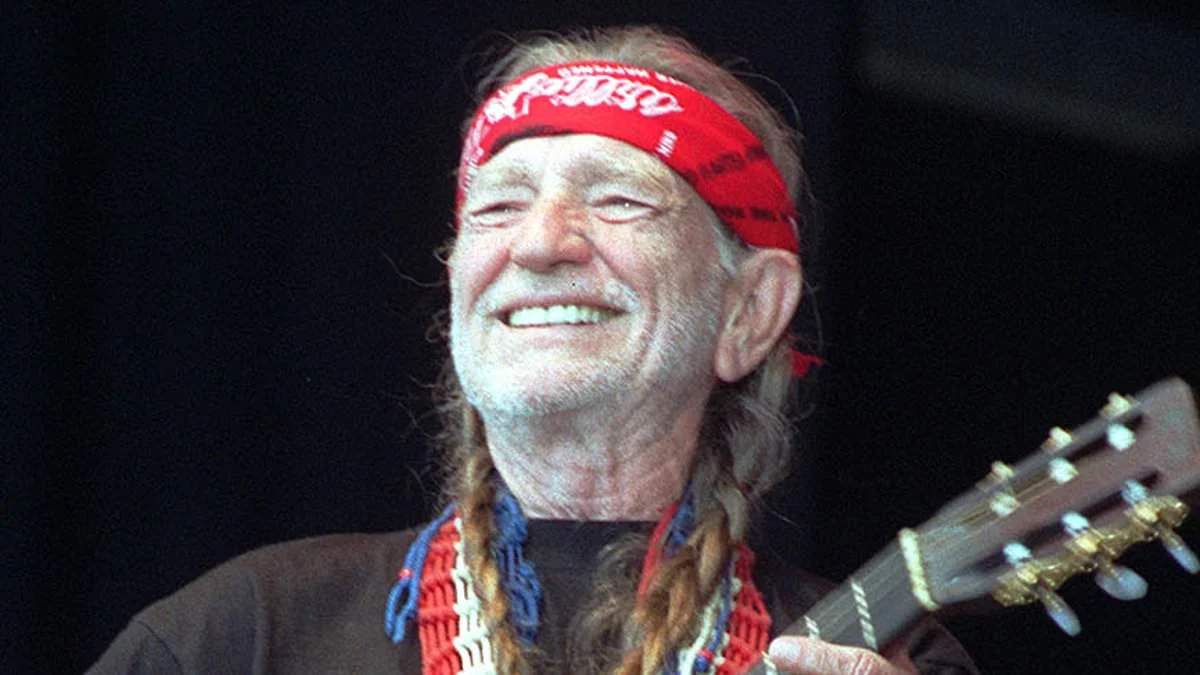
Country music legend Willie Nelson has publicly voiced his opposition to the rapid expansion of artificial intelligence data centers in rural Texas, specifically targeting developments slated for areas surrounding his hometown of Abbott. The 91-year-old artist, a lifelong advocate for American farmers and rural land preservation, issued a stark warning regarding the environmental and social costs of the technological "invasion" currently reshaping the Texas landscape. Nelson’s intervention comes at a critical juncture as the state balances its aspirations to become a global hub for AI infrastructure with the increasingly vocal concerns of residents regarding resource depletion and the erosion of small-town life.
The controversy centers on a massive wave of proposed infrastructure projects intended to support the high-compute demands of artificial intelligence models such as ChatGPT and other generative AI platforms. According to industry data and reports from The Texas Tribune, there are currently plans for nearly 250 data centers across the state, with 56 of those facilities earmarked for the Central Texas region. This surge in construction has been met with significant backlash from local communities who fear the facilities will place an unsustainable strain on the state’s already taxed power grid and water supplies.
The Stand in Abbott: A Legend’s Call to Action
Nelson, who was born and raised in the rural enclave of Abbott—a town encompassing just 0.6 square miles with a population of approximately 352 people—still maintains a residence and significant farmland in the area. In a social media statement that quickly garnered national attention, Nelson urged his fellow Texans to "fight against" the encroachment of these industrial complexes. He characterized the facilities as a direct threat to the "thoughtful stewardship" of the land that has defined rural America for generations.
"I grew up in Abbott, and I still have a home there with farmed land where I can still see stars at night," Nelson wrote. "And now our community, like many others, needs to fight against data centers invading our land." He went on to describe the proposed developments as "loud, water thieving, and light polluting," arguing that they provide little benefit to the communities they occupy while potentially destroying the livelihoods of independent family farmers.
Nelson’s rhetoric touches on a growing anxiety regarding the "corporate takeover" of rural resources. "Whoever controls food and water, controls the masses," Nelson stated. "Let’s not allow our own demise or give up control over necessary resources in the U.S. and especially in Abbott." His comments echo decades of activism through Farm Aid, the organization he co-founded in 1985, which has raised over $90 million to support independent agricultural operations against industrial and corporate interests.
The Scale of the Texas AI Boom
The infrastructure at the heart of the dispute is essential for the operation of modern AI. These data centers house thousands of high-performance servers that require immense amounts of electricity and constant cooling to function. Texas has become a primary target for these developments due to its relatively low land costs, business-friendly regulatory environment, and its independent power grid, managed by the Electric Reliability Council of Texas (ERCOT).
Among the projects drawing specific concern is the planned Nexus Data Centers campus in Hubbard, Texas, located approximately 25 miles from Nelson’s home in Abbott. While Nelson did not name a specific developer in his initial post, the Hubbard project represents the type of large-scale industrial footprint that critics argue is incompatible with the character of Hill County.
The sheer volume of these projects is unprecedented. In November 2023, Google announced a $40 billion investment in Texas-based AI infrastructure, a move that was initially hailed by state leadership as a landmark achievement for the "Texas Miracle" economy. However, as the physical reality of these centers—some spanning hundreds of thousands of square feet—becomes apparent, the political and social appetite for unregulated growth has begun to sour.
Environmental and Resource Implications
The primary criticisms leveled against data centers involve their consumption of water and electricity. A standard large-scale data center can consume between 3 million and 5 million gallons of water per day for cooling purposes—comparable to the daily water usage of a city of 30,000 to 50,000 people. In a state frequently besieged by drought and mandatory water restrictions, the prioritization of "server cooling" over agricultural irrigation or residential use has become a flashpoint for local activists.
Energy consumption is equally contentious. ERCOT officials have noted that the projected demand from data centers and AI operations could significantly impact the grid’s stability. While Texas has seen a massive increase in renewable energy production, particularly wind and solar, the "baseload" demand required by data centers—which operate 24/7—often necessitates a continued or increased reliance on natural gas and coal, complicating the state’s environmental goals.
Secondary impacts include noise and light pollution. The massive cooling fans required to prevent server meltdowns create a constant low-frequency hum that can be heard for miles in quiet rural settings. Furthermore, the high-intensity security lighting required for these facilities can obscure the "dark skies" that rural residents, including Nelson, cite as a fundamental component of their quality of life.
Political Reversal: Governor Abbott’s New Stance
The intensity of the rural backlash has prompted a notable shift in the rhetoric of Texas Governor Greg Abbott. Previously a staunch proponent of the AI industry, the Governor has recently pivoted toward a more cautious regulatory approach. This change represents a significant backtrack from his 2023 declaration that Texas would be the "epicenter of AI development."
Governor Abbott has recently proposed the repeal of certain data center sales tax exemptions, arguing that these "unnecessary incentives" are no longer required to attract an industry that is already aggressively expanding. More significantly, the Governor has floated the idea of a total ban on data center developments in specifically designated rural neighborhoods and unincorporated areas to protect the state’s agricultural heritage.
This policy shift reflects a broader tension within the Texas Republican party between pro-business growth and the protection of its rural voter base. As the 2026 legislative session approaches, many analysts expect data center regulation to be a top-tier issue, with lawmakers seeking to balance the economic benefits of tech investment against the preservation of the state’s natural resources.
Chronology of the Hill County Legal Conflict
The tension between local governance and industrial developers reached a fever pitch in Hill County, where Abbott is located, earlier this year. The timeline of events serves as a cautionary tale for other Texas municipalities:
- May 2024: Hill County officials, responding to constituent concerns about water usage and land rights, passed a data center moratorium. The measure was intended to provide a "one-year pause" on new construction in unincorporated areas to allow for a comprehensive study of environmental impacts.
- June 2024: A prominent developer filed a $100 million lawsuit against Hill County, alleging that the moratorium constituted an illegal interference with private property rights and caused significant financial damages.
- Late June 2024: Under the threat of a catastrophic legal judgment that could have bankrupted the county, the Hill County Commissioners voted unanimously to end the moratorium.
- July 15, 2024: A settlement was reached. Hill County agreed to pay $100,000 in the plaintiff’s attorney’s fees and adopted a "revised industrial development review policy" that effectively paved the way for the projects to proceed, albeit with new administrative hurdles.
While Hill County struggled to maintain its ban, other cities have found success through alternative legal avenues. The city of San Marcos successfully implemented a data center ban using stringent zoning laws and environmental ordinances that specifically targeted the high water-usage profiles of such facilities.
The Broader Impact on Rural Livelihoods
For Nelson and the supporters of Farm Aid, the data center boom is part of a larger trend of "corporate encroachment" on independent farming. In an open letter to young farmers published in 2025, Nelson expressed concern that the rising cost of land—driven up by industrial tech buyers—is making it impossible for the next generation of farmers to enter the industry.
"The strength of rural America has never come from big industrial footprints," Nelson said in his most recent appeal. "It comes from generations of people, open spaces, local businesses, and a connection to the land."
The economic argument for data centers—that they bring jobs and tax revenue—is often scrutinized in small towns. While construction phases provide temporary employment, a finished data center typically requires only a skeleton crew of 30 to 50 permanent staff members, many of whom are high-tech specialists brought in from outside the local community. Critics argue that the long-term tax revenue often fails to offset the costs of infrastructure upgrades, such as road repairs and utility expansions, necessitated by the facilities.
Conclusion and Future Outlook
Willie Nelson’s entrance into the debate has elevated a local infrastructure dispute into a national conversation about the physical footprint of the digital age. As AI continues to integrate into every facet of global commerce, the need for data centers will only grow. However, the resistance in Texas suggests that the industry can no longer expect a frictionless expansion into the American heartland.
The outcome of the struggle in places like Abbott and Hubbard will likely set the precedent for how other states handle the "AI land rush." For now, the "Red Headed Stranger" remains on the front lines, leveraging his status as a cultural icon to protect the "stars at night" and the soil of Central Texas from the encroaching hum of the silicon revolution. The Daily Mail has reached out to Nelson’s representatives for further comment on his ongoing advocacy efforts, but no additional statements were available at the time of publication.
