
 By Eva Lovia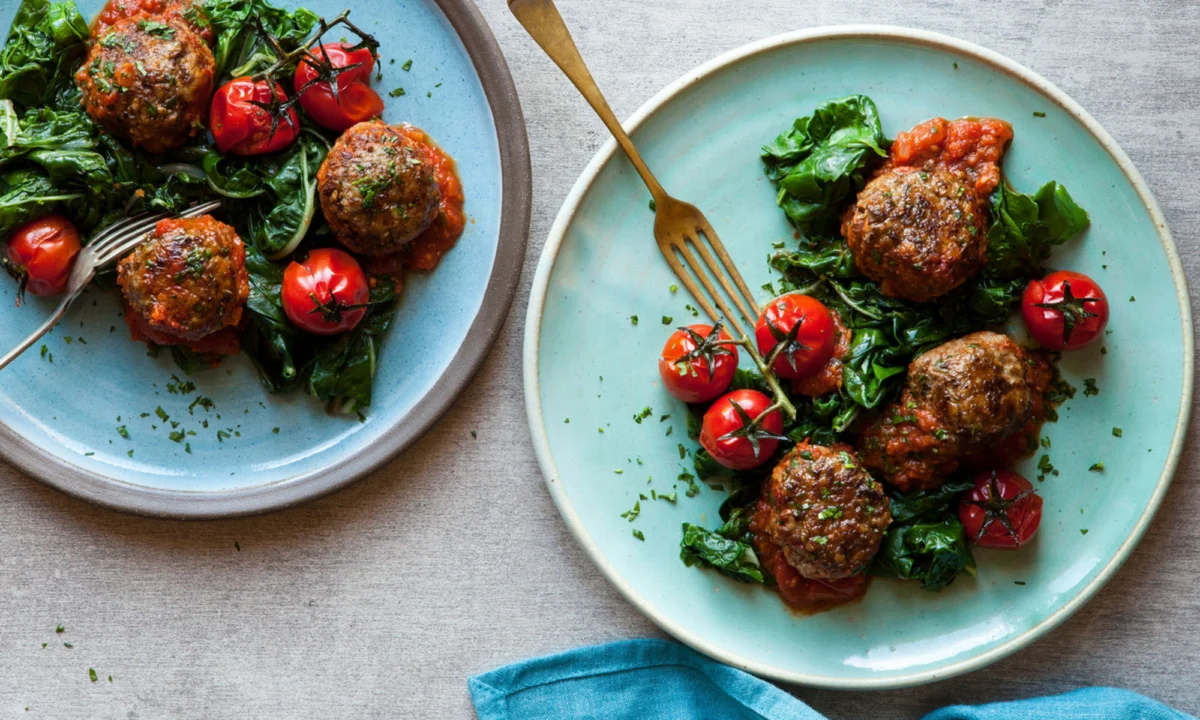
For decades, spinach has been heralded as a nutritional champion, particularly lauded for its iron content. The iconic image of Popeye flexing his muscles after consuming a can of spinach has deeply ingrained the belief that this leafy green is the ultimate source of this essential mineral. However, a closer examination of its nutritional profile reveals a more complex reality. While spinach does contain iron, its bioavailability—the body’s ability to absorb and utilize it—is significantly influenced by its chemical composition, specifically the presence of non-heme iron and oxalates. This nuanced understanding is crucial for individuals seeking to optimize their iron intake and overall health.
Molly Knudsen, M.S., RDN, a Registered Dietitian Nutritionist, clarifies that while a cup of cooked spinach offers approximately 6 milligrams of iron and a cup of raw spinach contains about 1 milligram, the form of this iron and other compounds present in the vegetable can impede efficient absorption. This distinction is vital, especially considering the recommended daily iron intake: around 18 milligrams for women and 8 milligrams for men. At first glance, spinach appears to contribute substantially to these targets. However, the iron found in spinach is primarily non-heme iron.
The Science of Iron Absorption: Heme vs. Non-Heme Iron
The human body absorbs iron in two main forms: heme iron and non-heme iron. Heme iron, predominantly found in animal-based foods such as red meat, poultry, and fish, is readily absorbed by the body. Its absorption rate is generally higher and less affected by other dietary components. In contrast, non-heme iron, present in plant-based foods like spinach, legumes, and fortified grains, is absorbed less efficiently. Studies have indicated that the absorption rate of non-heme iron can be as low as 2-10%, whereas heme iron absorption can reach up to 15-35%. This significant difference in bioavailability means that a substantial portion of the iron consumed from plant sources may not be effectively utilized by the body.
The Role of Oxalates in Spinach
Adding another layer of complexity to spinach’s iron profile is its relatively high concentration of oxalates. Oxalates are naturally occurring compounds found in many plants. In the digestive tract, oxalates can bind with minerals, including iron, forming insoluble compounds. These compounds are less soluble and therefore less available for absorption by the intestinal lining. This binding effect can further reduce the amount of non-heme iron that the body can extract from spinach.
While some research suggests that the impact of oxalate-rich foods on non-heme iron absorption might be less pronounced than previously thought, particularly in the context of a varied diet, it remains a factor to consider. The presence of oxalates highlights the importance of not solely relying on a single food source for critical nutrients.
Strategies for Enhancing Iron Absorption from Spinach
Despite these absorption challenges, spinach remains a valuable and nutritious food. To maximize the iron benefits derived from spinach, several dietary strategies can be employed:
-
Pairing with Vitamin C: The most effective method to enhance non-heme iron absorption is by consuming it alongside foods rich in vitamin C. Vitamin C acts as a reducing agent, converting ferric iron (Fe3+) to ferrous iron (Fe2+), the form that is more readily absorbed by the body. Excellent sources of vitamin C include citrus fruits (oranges, grapefruits, lemons), berries (strawberries, raspberries), bell peppers, tomatoes, broccoli, and leafy greens other than spinach. For instance, adding bell peppers and strawberries to a spinach salad, serving spinach with a side of tomatoes, or squeezing fresh lemon juice over cooked spinach can significantly boost iron uptake.

-
Cooking Methods: The way spinach is prepared can also influence its nutrient content and the presence of oxalates. Cooking, particularly boiling, can help reduce the oxalate content of spinach. During boiling, some of the soluble oxalates leach out into the cooking water. Therefore, discarding the cooking water after boiling spinach can lead to a reduction in oxalate levels. However, it is important to note that cooking does not eliminate all oxalates, and some nutrients might also be lost during the cooking process. Steaming or sautéing spinach are alternative methods that can retain more nutrients while still offering some benefit in terms of oxalate reduction compared to eating it raw in very large quantities.
Beyond Spinach: A Holistic Approach to Iron Intake
While understanding how to optimize iron absorption from spinach is beneficial, it’s crucial to adopt a broader perspective on iron intake. Relying solely on spinach for iron can lead to suboptimal levels, particularly for individuals with higher iron requirements. A varied and balanced diet is key to ensuring adequate iron consumption.
Rich Sources of Heme Iron:
For those seeking to boost their heme iron intake, incorporating animal-based proteins into the diet is highly recommended. Some of the most potent sources include:
- Red Meat: Beef, lamb, and venison are excellent sources of heme iron. A 3-ounce serving of cooked beef can provide approximately 2-3 milligrams of iron.
- Organ Meats: Liver, in particular, is exceptionally rich in iron. For example, a 3-ounce serving of beef liver can contain upwards of 5-7 milligrams of iron.
- Poultry: Dark meat poultry, such as chicken thighs and turkey legs, contains more iron than white meat.
- Fish and Seafood: Oysters, clams, mussels, and sardines are good sources of heme iron. Tuna and salmon also contribute to iron intake.
Excellent Non-Heme Iron Sources:
Plant-based foods continue to play a vital role in iron consumption, and several non-heme sources are particularly noteworthy:
- Legumes: Lentils, beans (kidney, black, pinto), chickpeas, and soybeans are rich in iron. A cup of cooked lentils can provide around 6.6 milligrams of iron.
- Tofu and Tempeh: These soy-based products are good sources of iron, with a half-cup serving of firm tofu offering about 3-4 milligrams.
- Fortified Cereals and Breads: Many breakfast cereals and grain products are fortified with iron. Checking nutrition labels can reveal products with significant iron content.
- Nuts and Seeds: Pumpkin seeds, sesame seeds, cashews, and almonds contribute to iron intake. A quarter cup of pumpkin seeds can contain around 2-3 milligrams of iron.
- Dark Chocolate: Surprisingly, dark chocolate with a high cocoa content can also provide a decent amount of iron.
It’s important to remember that while these plant-based foods contribute iron, their absorption is enhanced when consumed with vitamin C. Furthermore, certain compounds found in plant foods, such as phytates in whole grains and legumes, can also inhibit iron absorption. Soaking, sprouting, or fermenting these foods can help reduce phytate levels and improve iron bioavailability.
The Importance of Iron: Beyond the Leafy Green Myth
Iron is a critical mineral that plays a fundamental role in numerous bodily functions. Its most well-known function is its role in hemoglobin, a protein in red blood cells responsible for transporting oxygen from the lungs to all tissues in the body. Without sufficient iron, the body cannot produce enough healthy red blood cells, leading to iron-deficiency anemia. Symptoms of iron deficiency can include fatigue, weakness, pale skin, shortness of breath, and cold hands and feet.

Iron is also essential for:
- Energy Production: Iron is a component of enzymes involved in cellular energy metabolism.
- Immune Function: Adequate iron levels are necessary for a healthy immune system.
- Cognitive Function: Iron plays a role in brain development and cognitive performance.
- Muscle Function: Iron is present in myoglobin, a protein that stores oxygen in muscle cells.
Addressing Iron Deficiency: When Supplements Become Necessary
For individuals diagnosed with iron deficiency or at high risk, iron supplements are often a crucial component of treatment. Low iron levels are particularly prevalent in women due to monthly blood loss from menstruation, intense physical activity, and dietary patterns that may not consistently provide adequate heme iron.
The decision to take iron supplements, and the appropriate dosage, should always be guided by a healthcare professional. A ferritin blood test is the most accurate method for assessing iron stores. High-dose iron supplements should be taken under medical supervision to avoid potential side effects, such as digestive upset. Supplements formulated with chelated iron are often better tolerated by the stomach.
Products like the mindbodygreen ultimate multivitamin offer a balanced approach to daily nutrient support. This multivitamin includes 9 milligrams of chelated iron, along with vitamin C to aid absorption, and 31 other essential vitamins, minerals, and antioxidants, providing a comprehensive foundation for overall well-being and supporting iron intake.
The Takeaway: A Balanced Perspective on Spinach and Iron
In conclusion, while spinach is undeniably a nutrient-dense food packed with vitamins, minerals, and beneficial plant compounds, it is not the unparalleled iron powerhouse that popular culture often portrays. Its iron content is primarily in the non-heme form, and the presence of oxalates can further impede absorption.
To effectively meet iron needs, a holistic dietary approach is paramount. This involves:
- Prioritizing a varied diet: Include a mix of both heme iron sources (animal products) and non-heme iron sources (plant-based foods).
- Enhancing absorption: Consistently pair plant-based iron sources with vitamin C-rich foods.
- Considering cooking methods: Boiling spinach and discarding the water can reduce oxalate content.
- Consulting healthcare professionals: For concerns about iron levels or when considering supplements, professional medical advice is essential.
By understanding the nuances of iron absorption and adopting a comprehensive dietary strategy, individuals can ensure they are meeting their iron requirements for optimal health and vitality, moving beyond the simplistic narrative of spinach as the sole solution.
