
 By Jia Lissa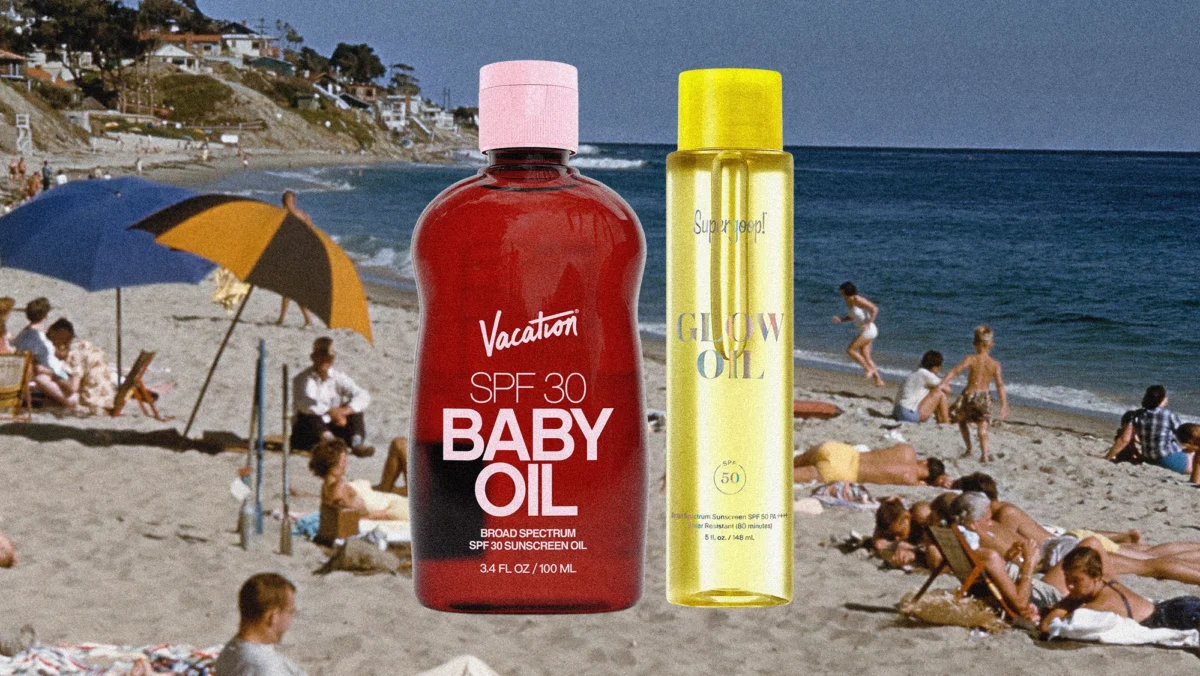
In an era where sun safety is paramount, a significant shift has occurred in the skincare landscape. Once relegated to the shadows of past tanning practices, oil-based sun protection has re-emerged, not as a tool for intensifying UV exposure, but as a sophisticated, skin-nourishing alternative to traditional lotions and sprays. This evolution from the notorious baby oil of the 2000s to today’s scientifically formulated sunscreen oils represents a fascinating convergence of cosmetic innovation and public health awareness.
The journey of tanning culture, particularly among teenagers and young adults in the mid-2000s, was marked by a fervent pursuit of bronzed skin, often at the expense of sun protection. Anecdotal evidence from this period suggests a widespread disregard for sunscreen, with many opting for products like baby oil, erroneously believing its sheen would accelerate tanning. This practice, while common, has left a legacy of premature skin aging and increased risk of sun damage for a generation. As educational campaigns highlighting the dangers of UV radiation and the critical role of SPF gained traction throughout the late 2000s and early 2010s, the overt marketing of tanning oils diminished. They were increasingly perceived as outdated, almost shameful, products, overshadowed by the more visible presence of broad-spectrum sunscreen sprays and the rise of self-tanning alternatives.
However, the narrative of tanning oils took an unexpected turn in recent years. Brands began reintroducing oil-based products, but with a crucial distinction: they were now formulated as "sunscreen oils," explicitly boasting actual SPF protection and promising not just safety, but also a desirable aesthetic for the skin. This rebranding has sparked curiosity and, for some, skepticism. The idea of an oil, historically associated with tanning rather than protection, serving as a primary defense against UV rays feels counterintuitive to those who experienced the harsh realities of sun oil misuse. Yet, the allure of a product that combines the sensory experience of oil – its scent, its shimmer, its luxurious feel – with robust sun protection has undeniably captured consumer interest.
The critical question for consumers and dermatologists alike is whether these modern sunscreen oils offer genuine protection comparable to their cream and lotion counterparts. The answer, according to experts, is a resounding yes, albeit with essential considerations.
Decoding the Sunscreen Oil Label: What to Look For
For sunscreen oils to be effective, they must meet stringent criteria, according to dermatologists. Dr. Annette Czernik, a board-certified dermatologist based in Stamford, Connecticut, emphasizes that the primary indicator of efficacy is the presence of a real, broad-spectrum SPF of at least 30. "Anything below SPF 15, including older formulations with SPF 4, simply does not provide adequate protection against the harmful effects of both UVA and UVB rays," Dr. Czernik states. The term "broad spectrum" is crucial, signifying that the formula offers comprehensive protection against the two main types of ultraviolet radiation responsible for sunburn, premature aging, and skin cancer.
While Dr. Czernik generally favors lotions and creams due to their ease of application and visual cues for even coverage, she stresses a fundamental principle of sun safety: "The best sunscreen is the one you’ll wear consistently and reapply as needed." This underscores the importance of personal preference and adherence to application guidelines, regardless of the product’s format.
Application is Key: Maximizing Sunscreen Oil Efficacy
Proper application is paramount to ensuring that sunscreen oils deliver their intended protective benefits. Dr. Czernik advises against a light misting or sparse application. Instead, sunscreen oil should be spread into an even, generous layer across all exposed skin. A crucial step often overlooked is allowing the product to absorb for approximately 15 minutes before sun exposure, enabling it to form a "protective film." The common mistake, according to Dr. Czernik, is assuming that a thin, glistening layer is sufficient. For spray oil formulations, she recommends rubbing the product into the skin with hands to ensure uniform coverage and paying meticulous attention to often-missed areas like the hairline, ears, and the tops of the feet.
Furthermore, sunscreen oils may have a shorter wear time than their cream or spray counterparts, especially during activities involving water, perspiration, or friction from towel drying. This necessitates more frequent reapplication, potentially exceeding the standard recommendation of every two hours.
The Science Behind Sunscreen Oils: Formulation and Functionality
From a formulation perspective, sunscreen oils share fundamental similarities with lotions and sprays. Cosmetic chemist Kelly Dobos explains that the primary difference lies in the delivery vehicle for the UV filters. "Sunscreen oils are simply sunscreens where the UV filters are delivered in an oil or, more commonly, an emollient-rich vehicle rather than a water-based emulsion or cream," Dobos notes. She further elaborates that many UV filters approved for use in the U.S. are oil-soluble, making oils an effective medium for their dissolution.
Dr. Julian Sass, a cosmetic scientist, concurs, highlighting that the main distinction between oil and cream formulas is the absence of water in the former. "SPF oils are anhydrous, meaning no water," he states. "But other than that, nothing is really different about them except for the format."
Tiffany Mizell, head of global education at Supergoop, describes the development of high-quality sunscreen oils as a delicate "balancing act between comfort and performance." Consumers desire a product that feels lightweight and non-greasy, nourishes the skin, and imparts a radiant glow, all while providing reliable protection. A significant formulation challenge, according to Mizell, is ensuring the uniform distribution of UV filters throughout the oil base to guarantee consistent protection with every application. "Ultimately, if a sunscreen doesn’t feel good on your skin, people are much less likely to use it consistently, and consistency is what makes sunscreen effective," she emphasizes.
The stringent regulatory environment for sunscreens, classified as drugs by the FDA, necessitates extensive testing before approval. Sunscreen oils undergo the same rigorous testing protocols as cream-based formulas. Interestingly, the thinner consistency of oils can facilitate easier spreading on test plates during UVA testing, a process that can be more challenging for creams with high concentrations of mineral filters like zinc oxide and titanium dioxide. For SPF testing, trained specialists apply the oil in a thin, controlled layer to designated skin patches on test subjects, ensuring it does not run.
The Myth of "Natural" Sunscreen Oils
Despite the advancements in sunscreen oil technology, misinformation persists, particularly regarding so-called "natural" sunscreen oils. Dr. Caren Campbell, a board-certified dermatologist in San Francisco, cautions against relying on plant-based oils like coconut, carrot seed, or raspberry seed as adequate sun protection. "While commercial sunscreen oils with FDA-approved filters can absolutely provide effective sun protection when they’re formulated and applied correctly, alternative sunscreens made primarily from plant oils that claim to be a ‘natural’ sunscreen oil do not provide adequate sun protection," Dr. Campbell asserts. She points to multiple studies demonstrating that these oils possess SPF values ranging from 1 to 3, falling far below the recommended SPF 30. A recent study further supports this, revealing that several "natural" sunscreen alternatives marketed to offer SPF 25 to 50 failed to meet their claims, underscoring their inadequacy as sunscreen substitutes.
Sunscreen Oils and the Resurgence of Tanning Culture
The increasing popularity of sunscreen oils coincides with a noticeable return to tanning culture, particularly among younger demographics. Observations suggest that some individuals, when aiming to tan outdoors, first apply tanning enhancers and then layer sunscreen oil on top. The efficacy of this layering technique is a common question. According to Dr. Sass, applying an SPF oil on top of other products is a beneficial practice. "If an SPF oil is applied, then you’re getting all of the benefits of the SPF product, and that will likely counteract any ‘tan boosting’ benefit of a tanning product, as the SPF product will be taking the brunt from any UV radiation," he explains.
The appeal of sunscreen oils appears to align with a broader cultural embrace of tanning. While they offer protection when used correctly, their sensory attributes and marketing often evoke a feeling more akin to a leisurely "laying-out ritual" than a strict adherence to sun protection protocols. Dobos observes that sunscreen oils are increasingly marketed around their aesthetic benefits, with many formulations designed to create a luminous, pearlescent finish. "From a formulation standpoint, they’re an interesting hybrid between a sunscreen and a cosmetic body product," she notes. This sophisticated presentation raises concerns about whether they might inadvertently lull users into a false sense of security, encouraging them to prolong sun exposure due to the perceived protection.
The Psychology of Sun Exposure and Sunscreen Use
The psychological impact of sunscreen oils on user behavior is a significant consideration. Dr. Sanam Hafeez, a neuropsychologist and director of Comprehend the Mind, explains that individuals often seek information that supports their pre-existing desires. "If someone enjoys being in the sun, wearing sunscreen oil can make it easier to justify staying outside because they feel they’ve ‘done the responsible thing’," Dr. Hafeez states. The carefree mindset associated with vacations and beach outings can be amplified by the perceived comfort and protection offered by sunscreen oils. This can lead to a relaxation of vigilance, where individuals might neglect to reapply sunscreen, wear protective clothing, or seek shade, focusing instead on enjoyment.
Dr. Hafeez clarifies that this phenomenon is not exclusive to sunscreen oils but can apply to any sunscreen formula that enhances a feeling of security. The psychological comfort derived from applying sunscreen can subtly encourage "small risks," such as extended sun exposure, because the user feels adequately protected.
Addressing the "Reflectivity Factor" Myth
The long-held belief that oils enhance tanning by reflecting UV rays is, according to Dr. Sass, largely an urban legend. He explains that oils possess a "refractive index," which measures how they reflect light and their shininess, but this property is unrelated to their ability to enhance a tan. Conversely, the shimmer and sparkle found in some SPF products are not detrimental. Mizell suggests that these aesthetic qualities can actually encourage more consistent sunscreen application because users enjoy the way the product looks and feels on their skin. "If adding a little radiance makes someone excited to apply SPF every day, that’s a positive thing!" she concludes.
The evolution of sunscreen oils represents a significant advancement in sun care, offering consumers a product that caters to both their desire for effective protection and their pursuit of radiant, healthy-looking skin. As research and formulation continue to refine these products, their role in modern sun safety practices is likely to expand, provided consumers remain educated about their proper use and limitations.
