
 By Nana Wu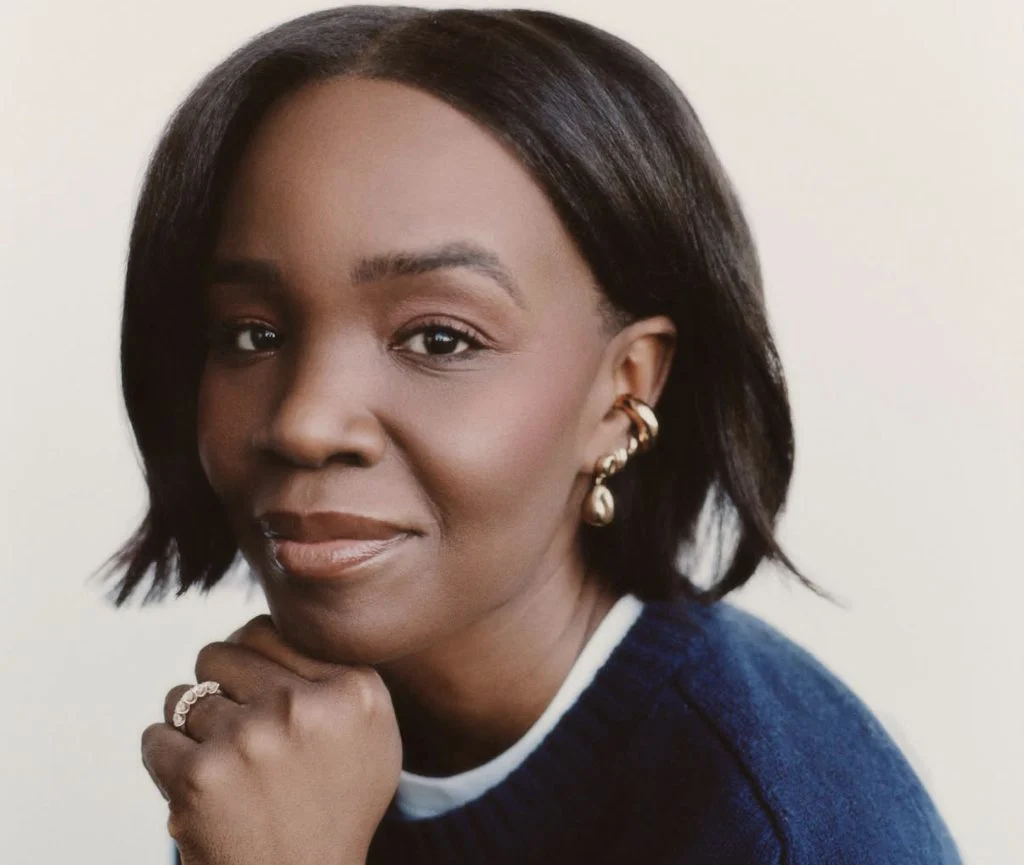
The Cutting Room Floor, a leading independent voice in fashion criticism and industry analysis, has officially entered into a multi-year partnership with Patreon, a move that signals a significant shift in the landscape of digital media and creator-led content. Recho Omondi, the founder and host of the podcast, announced the collaboration via the Patreon platform on June 2, 2024, marking a new chapter for the program which has spent years cultivating a dedicated following through high-level, unfiltered discourse. The announcement was followed on June 3 by a comprehensive two-hour interview between Omondi and Jack Conte, the co-founder and CEO of Patreon. This dialogue explored the structural challenges of the modern internet, the limitations of algorithmic discovery, and the necessity of building sustainable financial models for independent journalists and creators who operate outside of traditional corporate media structures.
Strategic Implications of the Multi-Year Agreement
The partnership between The Cutting Room Floor (TCRF) and Patreon is not merely a sponsorship deal but a strategic investment in the infrastructure of independent fashion media. By securing multi-year backing, Omondi is positioned to transition TCRF from a traditional podcast format into a broader media ecosystem. This expansion is expected to include enhanced programming, large-scale live events, and more complex storytelling initiatives that require higher production values than standard independent podcasts can typically afford.
For Patreon, the deal represents a continued effort to position itself as the primary alternative to the "attention economy" dominated by platforms like Instagram, TikTok, and YouTube. By investing in a high-profile, critically acclaimed voice like Omondi, Patreon is demonstrating the viability of its platform for serious journalism and industry analysis. The move comes at a time when traditional fashion publications—historically funded by luxury brand advertisements—are facing declining revenues and editorial constraints that often limit their ability to provide objective criticism. TCRF’s model, which relies on direct community support, offers a blueprint for how fashion media can remain autonomous and intellectually rigorous.
A Chronological Overview of The Cutting Room Floor’s Ascent
To understand the weight of this partnership, one must examine the trajectory of The Cutting Room Floor since its inception. Founded by Recho Omondi in 2018, the podcast emerged at a time when the fashion industry was undergoing a reckoning regarding diversity, sustainability, and the transparency of its supply chains. Omondi, a designer by trade, brought an insider’s technical knowledge and an outsider’s critical eye to her interviews.
From 2018 to 2020, the podcast built its reputation through long-form, often provocative conversations with industry heavyweights and rising stars. Unlike the brief, promotional interviews found in glossy magazines, TCRF episodes often spanned two or more hours, diving deep into the history of American sportswear, the realities of the "influencer" economy, and the systemic barriers facing Black designers.
By 2021, TCRF had become a "must-listen" for industry professionals, despite—or perhaps because of—its willingness to critique the very brands and figures that dominate the fashion calendar. In 2022 and 2023, Omondi moved the majority of her content behind a paywall on Patreon, a risky move that ultimately proved successful. This transition demonstrated that her audience was willing to pay for "slow media"—content that prioritizes depth and accuracy over viral clicks. The June 2024 deal with Patreon is the culmination of this six-year journey toward total independence.
The Jack Conte Dialogue: Algorithms and the Future of Discovery
The center-piece of the partnership’s launch was an in-depth conversation between Omondi and Jack Conte. Released on June 3, 2024, the interview served as a philosophical manifesto for the future of the creator economy. Conte, who founded Patreon in 2013, provided a candid assessment of how social media platforms have pivoted away from their original promise of connecting creators with their fans.
Conte argued that the "Follow" button has essentially become obsolete on major platforms. In the early days of social media, if a user followed a creator, that creator’s content would appear in the user’s feed. Today, however, algorithms prioritize "engagement" over "relationships," often burying a creator’s work unless it conforms to the specific, rapidly changing trends of the platform’s AI. Conte noted that this creates an unstable environment for creators, who are forced to "chase the algorithm" rather than focus on the quality of their craft.
Omondi and Conte discussed the "hollowing out" of the middle class of creators—those who have significant, loyal audiences but struggle to monetize them because they do not reach the astronomical view counts required for substantial ad revenue. The Patreon model, Conte suggested, is designed to solve this by focusing on the "average revenue per user" (ARPU) rather than sheer volume. For TCRF, this means that a smaller, highly engaged audience of fashion professionals and enthusiasts can provide more financial stability than a million casual viewers on a platform like TikTok.
Economic Shifts in the Podcast and Fashion Verticals
The TCRF-Patreon deal occurs against a backdrop of significant economic volatility in both the podcasting and fashion sectors. According to industry data from 2023 and early 2024, the podcasting market has seen a "correction" after years of massive, often over-inflated spending by major streaming platforms. Many large networks have cut staff and canceled shows that were not immediately profitable through advertising.
In contrast, subscription-based models have shown remarkable resilience. Data from the "State of the Creator Economy" reports indicate that niche, high-value content—specifically in the business, tech, and specialized arts sectors—is seeing a rise in per-subscriber spending. The fashion industry, which is valued at over $1.7 trillion globally, has historically lacked a robust independent media sector. Most fashion news is controlled by a handful of large conglomerates, leading to a homogeneity of voice.
The investment in TCRF suggests that there is a growing market for "adversarial" fashion journalism. As consumers become more concerned with the ethics of production and the authenticity of brand narratives, they are seeking out voices that are not beholden to corporate sponsors. This shift is reflected in the growth of Patreon’s fashion category, which has seen an uptick in creators who provide technical education, historical context, and critical commentary.
Supporting Data: The Rise of Community-Funded Media
While specific financial terms of the TCRF-Patreon deal were not disclosed, the "multi-year" nature of the agreement implies a level of capital injection that is rare for independent podcasts. Recent trends in the creator economy provide context for this investment:
- Direct-to-Consumer Growth: Patreon has reportedly paid out over $3.5 billion to creators since its founding, with a significant portion of that growth occurring in the last three years.
- The Decline of Ad-Supported Journalism: Traditional media outlets have seen a 20-30% decline in digital ad rates as advertisers shift budgets toward "performance marketing" on Google and Meta. This has left a void in high-quality editorial content that independent creators are now filling.
- Retention Rates: Niche podcasts like TCRF often boast listener retention rates of over 80%, far higher than the industry average for general entertainment shows. This high level of engagement is what makes long-term partnerships attractive to platforms like Patreon.
Official Responses and Inferred Industry Impact
In her announcement, Recho Omondi emphasized that the partnership would allow the show to maintain its "radical transparency." She noted that the fashion industry often operates behind a "veil," and that her goal is to continue pulling that veil back, now with more resources. "This is about building a home for fashion media that isn’t afraid to ask the hard questions," Omondi stated, echoing her long-held editorial stance.
Industry analysts suggest that this deal may prompt other independent creators to seek similar long-term platform partnerships rather than relying on traditional brand sponsorships. By aligning with a platform rather than a specific brand (like a luxury fashion house), Omondi avoids the conflicts of interest that have long plagued fashion journalism.
The broader impact on the fashion industry could be substantial. As TCRF expands its programming and events, it creates a new "town square" for the industry—one that is not controlled by the traditional gatekeepers of New York, Paris, or Milan. This democratization of influence allows for a more global and diverse range of voices to be heard, potentially forcing major brands to be more accountable to their audiences.
Expanding the TCRF Ecosystem: Events and Multi-Platform Storytelling
Looking forward, the partnership is set to fund a more robust calendar of events. Omondi has previously experimented with live recordings and community meet-ups, but the multi-year deal provides the "runway" needed to plan larger, more impactful gatherings. These events are expected to bridge the gap between digital discourse and physical community, providing a space for designers, students, and executives to engage in the type of high-level debate that TCRF is known for.
Furthermore, the expansion into "storytelling" suggests a move toward documentary-style content. With Patreon’s support, TCRF may evolve into a multi-media production house, producing video series, investigative reports, and perhaps even print supplements that complement the audio experience. This would place TCRF in direct competition with traditional fashion media entities, but with a leaner, more agile, and community-focused business model.
In conclusion, the multi-year deal between The Cutting Room Floor and Patreon is a landmark moment for independent fashion media. It validates the "slow media" movement and proves that there is a viable, sustainable path for creators who prioritize depth, integrity, and community over algorithmic popularity. As the fashion industry continues to navigate a period of intense transformation, the presence of a well-funded, independent, and critical voice like Recho Omondi’s will be more essential than ever. This partnership does not just secure the future of one podcast; it provides a roadmap for the future of independent journalism in the digital age.
