
 By admin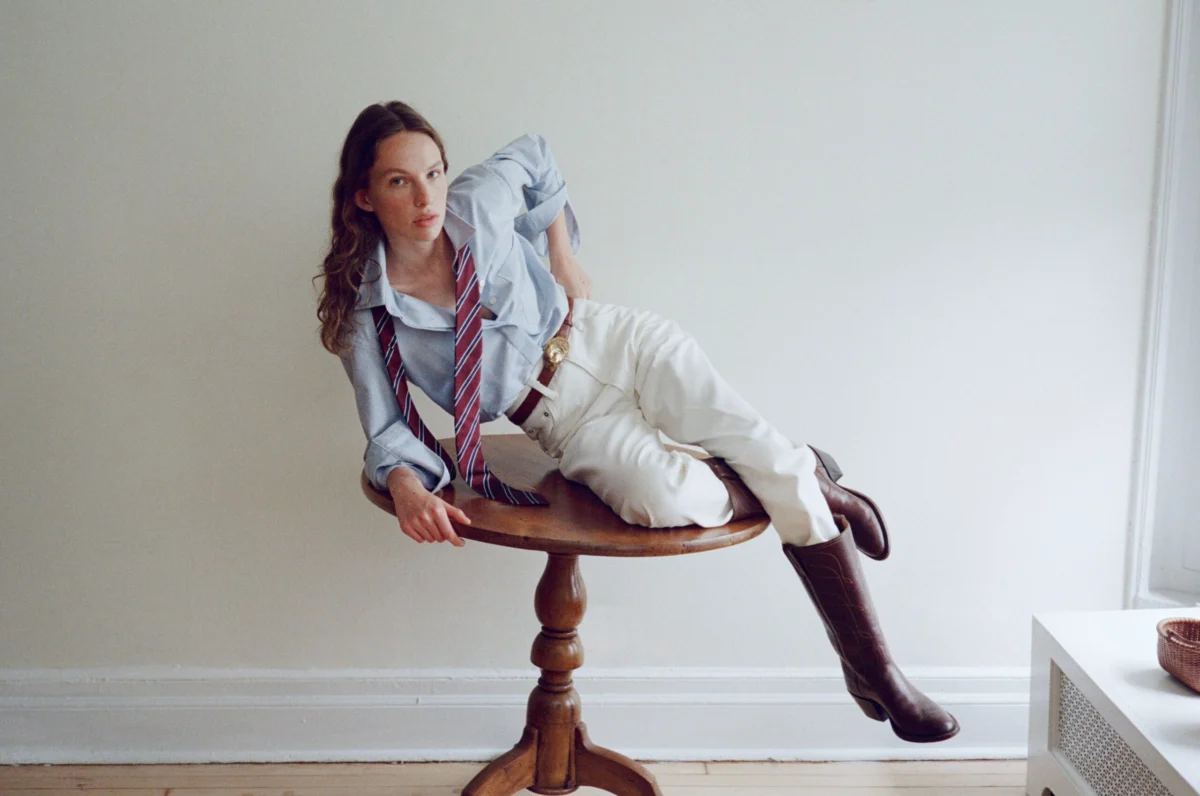
The classic button-up, long considered a versatile but often nondescript garment, is currently at the epicenter of a profound transformation within women’s fashion. While its understated nature might lead many to overlook the shift, the evolution of women’s shirting from a mere adaptation of menswear to a category defined by bespoke design and tailored precision is undeniable. This "seismic shift," as industry insiders describe it, is evident across global runways and, more significantly, on retail racks, signaling a departure from the long-standing "borrowed from the boys" aesthetic. A growing number of brands are now approaching shirting from a distinctly feminine perspective, meticulously applying the cherished elements of classic men’s shirting—such as superior construction, impeccable quality, and often, an intentionally oversized fit—but re-engineering them to perfectly complement a woman’s physique. This movement marks a pivotal moment, promising a new era of sartorial excellence and comfort for women seeking the timeless appeal of a well-made shirt without compromise.
The Genesis of the "Borrowed" Look and Its Limitations
For decades, the allure of the oversized button-up for women often stemmed from its perceived effortless charm and a subtle defiance of traditional femininity. Icons from Katharine Hepburn, who famously championed trousers and tailored shirts in the mid-20th century, to more recent fashion trends that popularized the "boyfriend shirt" and "boyfriend jeans," have cemented the idea that appropriating menswear could confer a cool, relaxed, and sometimes even powerful aesthetic. The notion of simply "stealing a man’s shirt" from a partner’s wardrobe became a romanticized fantasy, evoking a casual intimacy and an air of nonchalant style. However, this romanticized ideal frequently collided with the practical realities of fit.

The fundamental design differences between men’s and women’s bodies present inherent limitations when a garment designed for one is worn by the other. As Olivia Villanti, founder of the Mexico City-based atelier Chava Studio, articulates, "You can steal a man’s shirt, but it has limitations. The sleeves are too long, the fit is a little off—it’s going to look like you borrowed a man’s shirt." This sentiment is widely echoed across the industry. Men’s shirts are typically cut with broader shoulders, longer sleeves, and a straighter silhouette designed to accommodate a less pronounced bust. For women, this often translates into sleeves that engulf the hands, shoulders that droop awkwardly, and a torso fit that either gapes at the bust or hangs shapelessly.
Pip Durell, founder of the eight-year-old London-based shirting brand With Nothing Underneath, highlights the trade-off inherent in the "borrowed from the boys" fantasy. "Despite the much-hyped ‘borrowed from the boys’ fantasy, the boyish charm of a loose-fitting shirt from the men’s section means sacrificing polish," Durell explains. The desire for a relaxed, comfortable fit should not necessitate a compromise on refined aesthetics. Melissa Ventosa Martin, founder of the New York-based label Old Stone Trade, further emphasizes the common fit issues, noting, "Often, with a man’s shirt, the sleeves are too long, and the shoulder width is wrong." Lizandra Cardoni, a tailor at the century-old shirtmaker Budd London, points out a particularly vexing detail: button placement. "The button is never sitting in the position you need it to sit," she states, describing how buttons on men’s shirts are either too high or too low for a woman’s bust, leading to unflattering gaping. These accumulated frustrations have fueled the demand for solutions that offer the coveted style without the inherent drawbacks.
A New Era of Tailored Sophistication on the Runways
The fashion industry, ever attuned to evolving consumer desires, has responded decisively to this burgeoning need for women’s shirting that truly fits and flatters. Recent collections from leading luxury houses have showcased an unprecedented focus on the button-up, transforming it into a canvas for innovative design and bespoke craftsmanship. This shift isn’t merely about creating "women’s versions" of men’s shirts; it’s about reimagining the garment entirely through a female lens.

A significant marker of this trend was the celebrated collaboration between Chanel and the venerable French shirtmaker Charvet for Matthieu Blazy’s inaugural collection. This partnership, which brought more women into the traditionally male-dominated world of bespoke shirting, underscored a luxury endorsement for tailored women’s shirts. Lizandra Cardoni of Budd London noted the increased interest following this high-profile collaboration, indicating a growing appreciation for true custom fit.
For the Fall collections, designers demonstrated a wide array of interpretations. Sarah Burton, at Givenchy, made a strong statement with the category, presenting dramatic cuffs and collars, alongside intriguing "reverso" versions that played with traditional shirt elements. This suggested a sculptural, architectural approach, where the shirt became a focal point of the ensemble rather than a mere layering piece. Fendi pushed boundaries further, showcasing "shirts without collars and collars without shirts," a deconstructive approach that challenged conventional forms and offered playful reinterpretations of the classic. Schiaparelli, known for its surrealist elegance, incorporated "sharp points peaking out from behind vests," emphasizing tailored details and sophisticated layering.
The Resort 2027 collections continued this narrative of innovation. Balenciaga, under Demna Gvasalia, presented a button-up with a distinctive draw-string bottom, capable of creating a voluminous, puff effect. This design merged classic shirting with contemporary, adaptable silhouettes, offering a fresh take on the oversized look. Meanwhile, The Row, renowned for its minimalist luxury, offered shirts with "priestly high collars," exuding an understated yet powerful sophistication, playing with formality and austere elegance. These runway trends collectively signal a robust and diverse exploration of shirting for women, moving far beyond simple gender adaptation to genuine creative reinvention.

The Rise of Dedicated Women’s Shirting Brands and Bespoke Services
Beyond the high-fashion runways, a burgeoning ecosystem of brands and ateliers is dedicated to perfecting women’s shirting. These entities are not just capitalizing on a trend; they are filling a long-standing void in the market, providing women with options that offer both style and substance. This has led to a significant increase in women bypassing the "middle man"—the literal or metaphorical "boyfriend"—to acquire shirts specifically designed for them.
Budd London, a century-old shirtmaker, has observed a palpable shift in its clientele. Lizandra Cardoni notes a significant jump in the number of women attending their twice-yearly trunk shows in New York. This surge in interest for bespoke tailoring among women underscores a deeper appreciation for quality and fit that only custom-made garments can provide. Cardoni’s expertise in adjusting button placement for women speaks directly to the nuanced demands of a female form, ensuring comfort and elegance.
Independent brands are also thriving by addressing these specific needs. Chava Studio, founded by Olivia Villanti, offers a unique perspective, blending traditional craftsmanship with contemporary design tailored for women. Pip Durell’s With Nothing Underneath, an eight-year-old London-based brand, epitomizes this focused approach. The brand has seen its sales double year-over-year, a clear indicator of market demand. With Nothing Underneath specifically designs "a boyfriend shirt that sits off the shoulders, away from the body, and has a button placement that is more flattering over the bust," directly tackling the common issues of menswear.

Similarly, Melissa Ventosa Martin’s New York-based label Old Stone Trade collaborates with the renowned atelier 100Hands to fine-tune its oversized boyfriend and tuxedo shirts. This partnership highlights the meticulous attention to detail required to achieve the perfect balance between a relaxed fit and a polished appearance. These collaborations and dedicated efforts underscore a commitment to "savoir-faire"—the know-how and skill—in crafting garments that meet a discerning female clientele’s expectations.
Trish Wescoat Pound, who launched her five-year-old ready-to-wear line TWP out of a personal love for women wearing oversized men’s shirts and a keen perception of a market gap, perfectly encapsulates the vision of these new brands. Her aim was to create a shirt that is both "a workhorse and an investment piece." Pound explains her philosophy: "It [gives] women one piece they could build an entire wardrobe around—dress it up, dress it down, wear it for years." This focus on versatility, durability, and timeless appeal resonates deeply with modern consumers.
Even essentials brands like 6397, designed by Lizzie Owens, are integrating this elevated shirting into their offerings. This widespread adoption across different segments of the fashion market—from bespoke luxury to ready-to-wear essentials—demonstrates the pervasive nature of this trend.

Driving Forces: Quiet Luxury, Nostalgia, and Conscious Consumption
The "seismic shift" in women’s shirting is not merely a fleeting trend; it is underpinned by several significant cultural and economic forces that have been reshaping consumer behavior for years. The most prominent among these is the pervasive influence of "quiet luxury." This aesthetic, characterized by understated elegance, superior craftsmanship, and high-quality materials, prioritizes intrinsic value over overt branding. It champions timeless pieces that exude sophistication without ostentation.
The "quiet luxury" conversation, which has been "festering" for years as Lizandra Cardoni notes, has cultivated a generation of consumers more interested in the provenance and make of their garments. There is a heightened awareness and appreciation for quality fabrics, meticulous construction, and the artisanal skills involved in creating enduring fashion. Women are increasingly looking for garments that feel luxurious and look impeccable, rather than chasing ephemeral trends. This translates directly to shirting, where the tactile experience of a fine cotton, the precision of stitching, and the thoughtful design of a collar or cuff become paramount. Data from market research firms often indicates a growing segment of consumers willing to invest more in fewer, higher-quality items, aligning perfectly with the ethos of these new shirting brands.
Beyond luxury, a broader societal mood is also propelling classic shirting to the forefront. Lizzie Owens, designer of 6397, observes, "We’re in an age of nostalgia and familiarity. There’s so many unsettled feelings about the future that people are grasping at things that are tried and true." In an era marked by rapid technological advancements, geopolitical uncertainties, and environmental anxieties, consumers often gravitate towards comfort, tradition, and reliability. The classic button-up shirt, with its enduring appeal and inherent versatility, offers a sense of stability and timelessness. It represents a sartorial anchor in a turbulent world, providing a reassuring sense of style that transcends transient fads.

Furthermore, this movement reflects an increasing emphasis on conscious consumption and sustainability. Investing in a high-quality, perfectly fitted shirt that can be worn in multiple ways and last for years aligns with principles of reducing waste and building a sustainable wardrobe. The idea of a "workhorse and investment piece," as Trish Wescoat Pound describes TWP shirts, speaks to a desire for longevity and utility, moving away from disposable fashion. Women are making more informed choices, opting for garments that offer value, durability, and ethical production.
The psychological aspect of empowerment also plays a role. The transition from "borrowing" to "owning" a perfectly tailored shirt symbolizes a woman’s autonomy and agency in defining her own style. It’s about reclaiming a classic wardrobe staple and adapting it to her needs, rather than making do with an ill-fitting substitute. This shift is not just about fashion; it’s about confidence and self-expression.
Broader Implications and The Future of Shirting
The seismic shift in women’s shirting carries significant implications for the wider fashion industry. Firstly, it signals a continued blurring of traditional gender lines in fashion, but with a critical nuance: while aesthetics might cross over, the underlying design and fit are increasingly tailored to the individual wearer’s body, regardless of gender. This suggests a future where garments are designed with a more nuanced understanding of human anatomy and diverse body types, rather than rigid binary categories.

Secondly, the success of dedicated women’s shirting brands is likely to inspire more specialization within ready-to-wear. As consumers become more discerning about fit and quality in specific categories, designers may increasingly focus on perfecting individual garment types, moving away from generalized collections. This could lead to a renaissance of artisanal craftsmanship within mainstream fashion, emphasizing skill and precision over mass production.
Thirdly, this trend reinforces the long-term viability of the "quiet luxury" movement and conscious consumption. As consumers continue to prioritize quality, longevity, and versatility, brands that invest in superior materials, meticulous construction, and thoughtful design will likely thrive. This could exert pressure on fast fashion retailers to elevate their standards or risk losing market share among increasingly sophisticated buyers.
The "boyfriend shirt," in its original, truly borrowed form, may indeed become a relic of the past. However, its spirit—the relaxed, effortlessly cool aesthetic—will undoubtedly endure, reinterpreted and refined through purpose-built women’s shirting. The future promises a wardrobe where women can embrace the timeless elegance of a button-up, confident in a fit that is not just adequate, but exceptional, reflecting a deeper appreciation for sartorial excellence and individual style. This evolution represents more than just a change in clothing; it’s a testament to women’s growing demand for fashion that truly understands and celebrates them.
