
 By Jia Lissa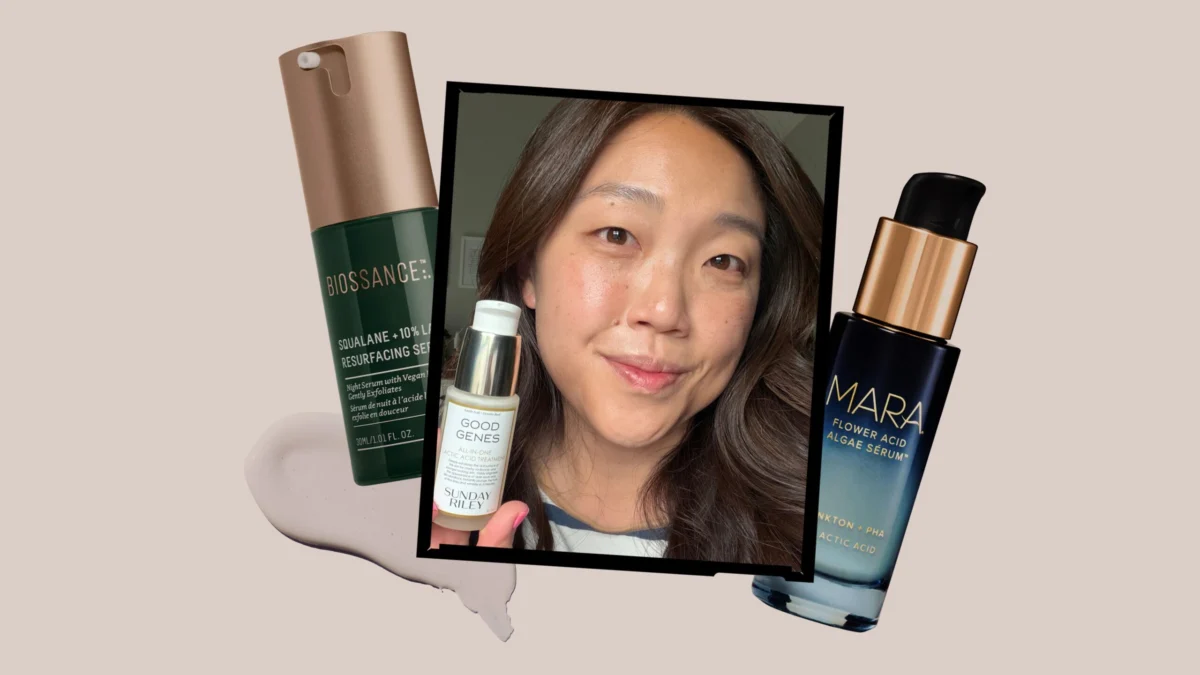
Lactic acid, a gentle yet effective alpha hydroxy acid (AHA), has emerged as a star ingredient in skincare for its ability to exfoliate dead skin cells, revealing smoother, brighter, and more radiant skin. Unlike its stronger counterparts like glycolic acid, lactic acid’s larger molecular size allows for a gentler penetration, making it a favorable choice for individuals with dry or sensitive skin. "Lactic acid is a gentle exfoliating acid that’s naturally derived from dairy products and is part of the AHA family," explains Mamina Turegano, MD, a board-certified dermatologist based in New Orleans. "Lactic acid dissolves away dead skin cells to make skin look smoother, brighter, and more radiant—but unlike some stronger acids, it also has hydrating properties, so it tends to be more tolerable for dry or sensitive skin." While its origins are rooted in dairy, the lactic acid utilized in modern skincare is typically synthesized. This article delves into the benefits of lactic acid serums and highlights top-performing products recommended by beauty editors and dermatologists, addressing a range of skin concerns from post-breakout marks to uneven tone.
Understanding Lactic Acid in Skincare
Alpha hydroxy acids (AHAs) are a class of chemical exfoliants that work by dissolving the bonds between dead skin cells on the surface of the skin. This process, known as exfoliation, is crucial for maintaining a healthy and vibrant complexion. Among the various AHAs, lactic acid has garnered significant attention due to its balanced approach to exfoliation. Its larger molecular structure, when compared to glycolic acid, results in a slower and more controlled absorption into the skin. This characteristic minimizes the risk of irritation and redness, making it a compelling option for those who have previously found stronger exfoliants too harsh.
Furthermore, lactic acid possesses inherent humectant properties, meaning it can attract and retain moisture in the skin. This dual action of exfoliating and hydrating is a significant advantage, particularly for individuals who experience dryness or flakiness. By shedding dead skin cells while simultaneously replenishing moisture, lactic acid helps to improve skin texture, enhance luminosity, and create a more supple feel.
Lactic Acid vs. Other Exfoliating Acids
To fully appreciate the benefits of lactic acid, it’s helpful to understand how it stacks up against other common exfoliating acids:
- Glycolic Acid: This AHA has the smallest molecular size, allowing it to penetrate the skin deeply and quickly. This makes it highly effective for addressing stubborn texture, fine lines, and hyperpigmentation. However, its potency also means it carries a higher risk of irritation, redness, and peeling, especially for those with sensitive skin.
- Salicylic Acid (BHA): Unlike AHAs, salicylic acid is oil-soluble, enabling it to penetrate into the pores. This makes it particularly effective for managing acne, blackheads, and whiteheads by dissolving excess sebum and debris. It is generally well-tolerated by oily and acne-prone skin types.
- Polyhydroxy Acids (PHAs): PHAs, such as gluconolactone, are larger in molecular size than AHAs and offer even gentler exfoliation. They also possess humectant and antioxidant properties, making them a good choice for very sensitive skin or those looking for an extra layer of hydration and protection.
Lactic acid strikes a balance, offering noticeable brightening and smoothing effects while also contributing to skin hydration. This makes it a versatile ingredient suitable for a broad spectrum of skin types and concerns.
Our Top Lactic Acid Serums
Navigating the vast landscape of skincare products can be daunting. To assist consumers in finding the most effective lactic acid serums, our editorial team, in collaboration with dermatologists, has meticulously evaluated numerous formulations. The following selections represent a curated list of products that excel in efficacy, texture, ingredient synergy, and overall user experience, catering to diverse skin needs and preferences.
Best Overall: Mara Flower Acid Algae Serum
The Mara Flower Acid Algae Serum stands out for its potent yet balanced formulation, combining the exfoliating power of lactic acid with the nourishing benefits of marine-derived ingredients. The brand’s fascination with algae, inspired by the founder’s research, is evident in this Best of Beauty Award winner. At its core is a signature algae blend, complemented by plankton for barrier support and mineral-rich French seawater for hydration and elasticity.
The serum features a blend of flower acids from daisy and hibiscus, alongside anti-inflammatory helichrysum, to gently refine skin texture. The primary resurfacing action comes from an impressive 11% lactic acid, derived from beet sugar, and gluconolactone, a gentle polyhydroxy acid. Despite the high concentration of lactic acid, its naturally humectant properties ensure the serum feels moisturizing. Dr. Sean Alemi, a double board-certified facial plastic and reconstructive surgeon, notes, "Unlike many exfoliants, this multi-acid serum can brighten and refresh skin without drying out the skin barrier."

Editor’s Insight: "I use this serum every other night in place of my prescription Tretinoin," shares Sarah Kinonen, beauty director. "After cleansing and before moisturizer, I massage a small pump into my skin from my forehead down my neck. As someone with easily irritated skin, this never causes the usual side effects I experience with potent serums, like inflammation and/or flaking. Instead, it leaves my skin feeling smooth and looking glowy. I’ll admit that $74 for an exfoliating serum is a bit pricey, but I promise it’s worth the investment! I’ve recommended it to so many friends and family, and they’ve all agreed that the results are great. Plus, it won a Best of Beauty Award a few years back, so we all agree it’s good!"
Best for Mature Skin: Sunday Riley Good Genes All-In-One Lactic Acid Treatment
Sunday Riley’s Good Genes All-In-One Lactic Acid Treatment has achieved cult status for its remarkable ability to deliver immediate and noticeable results. This 2023 Best of Beauty Award winner is lauded for its ability to plump the skin, providing a "flash facial" effect. The formulation is meticulously crafted to address the common concerns of mature skin, such as dullness and uneven texture, without compromising the skin barrier.
The treatment leverages the power of lactic acid for effective exfoliation, while brightening licorice root extract works to fade discoloration and post-acne marks over time. Soothing ingredients like arnica and prickly pear extract help to calm the skin, ensuring a comfortable application experience. Dr. Turegano highlights its suitability for mature skin: "Mature skin often benefits from exfoliation that improves dullness and texture without overly compromising the skin barrier, and this lactic acid treatment delivers a smoother, brighter, more radiant look while still feeling relatively hydrating and cosmetically elegant on the skin."
Editor’s Insight: "I can count on one hand the products that I routinely go back to, and me and Good Genes All-In-One Lactic Acid Treatment have been BFFs for about a decade now," says Christa Joanna Lee, contributing commerce writer. "As I enter the last year of my 30s, I depend on this more than ever to keep my dry, sensitive skin from flaking and looking dull. It delivers consistent exfoliation and keeps rough patches at bay and despite being an acid treatment, it’s never irritated my skin."
Best for Sensitive Skin: Paula’s Choice 6% Mandelic Acid + 2% Lactic Acid Liquid Exfoliant
For individuals with sensitive skin who are hesitant about chemical exfoliants, Paula’s Choice 6% Mandelic Acid + 2% Lactic Acid Liquid Exfoliant offers a gentle yet effective solution. This formula is designed to minimize irritation while maximizing exfoliation benefits. "It is a hybrid alpha hydroxy acid solution at a lower concentration of lactic acid (2%) than many traditional products, which reduces the risk of irritation," explains Carlos Vieira, MD, a board-certified dermatologist.
The key to its gentleness lies in the combination of mandelic acid and lactic acid. Mandelic acid, with its larger molecular size, penetrates the skin more slowly, resulting in a milder exfoliation experience. This makes it particularly beneficial for those prone to post-inflammatory hyperpigmentation. Dr. Turegano notes, "Mandelic acid tends to be a little gentler and more tolerable for people prone to post-inflammatory hyperpigmentation, while the lactic acid improves radiance and smoothness without feeling overly aggressive." Together, these acids work to smooth texture, fade discoloration, and promote a clearer, firmer complexion without the stinging sensation often associated with stronger exfoliants.
Editor’s Insight: "Mandelic acid is often considered the go-to gentle exfoliant for sensitive skin, though it’s rare to find a mandelic acid serum on the market, let alone one that’s both effective and truly non-irritating," says Bianca Richards, social media manager. "After using it for about a month now, it’s done absolute WONDERS for my skin. Over time, using this gentle exfoliant every other day has given me a flawless, radiant complexion, to the point that I feel confident enough to go to the office without makeup. My rule of thumb is to pair an exfoliating treatment with an intensely hydrating cream or mask, because after exfoliation, my skin benefits most from a deep, replenishing hydration boost. This may be biased, but I’ve come to trust that Paula’s Choice delivers the results I’m looking for, so once I finish my bottle, I will need to re-up ASAP!"
Best for Acne-Prone Skin: Shani Darden Lactic Acid Exfoliating Serum
Shani Darden’s Lactic Acid Exfoliating Serum is a highly regarded product, especially among those with acne-prone skin. The serum features a 9% lactic acid concentration, designed to smooth rough texture, enhance radiance, and promote a clearer complexion. The inclusion of gluconolactone further aids in improving skin tone and clarity, specifically targeting blemishes without causing undue harshness.
Crucially for acne-prone skin, the formulation includes a soothing blend of hyaluronic acid, aloe, and green tea. These ingredients work synergistically to replenish hydration, reduce redness, and calm the skin, counteracting potential irritation from the exfoliating acids. This thoughtful combination ensures that the serum effectively addresses concerns like texture and clarity without exacerbating sensitivity or triggering breakouts.

Editor’s Insight: As former news editor Nicola Dall’Asen once noted, she wished she could keep "bulk stashes" of Darden’s other popular products. The Lactic Acid Exfoliating Serum continues this legacy of excellence, offering a potent solution for acne-prone skin that effectively exfoliates while maintaining skin comfort and hydration.
Best for Dry Skin: The Ordinary Lactic Acid 5% + HA
The Ordinary’s Lactic Acid 5% + HA is an accessible and highly effective option for individuals dealing with dry skin. This serum addresses the common issue of dullness and flakiness in dry skin by gently exfoliating dead skin cells. "It has a mild 5% concentration that still gives gentle exfoliation, while glycerin and sodium hyaluronate offset some of the dryness and irritation that exfoliating acids can sometimes cause," says Dr. Turegano.
The inclusion of hyaluronic acid is key to its hydrating properties, helping to draw moisture into the skin and combat the drying effects of exfoliation. The formula is further enhanced with Tasmanian pepperberry, an antioxidant-rich botanical known for its soothing capabilities, which helps to calm any potential sensitivity. For those whose skin has become accustomed to lower concentrations and desires a stronger treatment, Dr. Turegano also recommends the brand’s 10% version for more persistent dullness and uneven texture.
Best for Combo Skin: Biossance Squalane + Lactic Acid Resurfacing Night Serum
Combination skin, characterized by both oily and dry areas, presents a unique challenge in skincare. Biossance’s Squalane + Lactic Acid Resurfacing Night Serum offers a balanced solution by combining the exfoliating power of 10% lactic acid with the hydrating benefits of sugarcane-derived squalane. "Its higher lactic acid percentage is powerful enough to address texture and clogged pores, while the squalane maintains hydration so the drier areas of your skin don’t feel tight or depleted afterward," explains Dr. Turegano.
This serum works to rebalance the skin by effectively exfoliating oily zones while simultaneously providing essential moisture to drier patches. Additionally, clover extract contributes to cell turnover and helps the skin recover from environmental stressors such as UV exposure, blue light, and pollution. While the serum is formulated without synthetic fragrance, it contains a subtle hint of lavender oil, which offers anti-inflammatory benefits. However, individuals with sensitive skin or a known reaction to essential oils may wish to perform a patch test before full application. Dr. Vieira notes that the serum has a "richer, thicker side, but still layers nicely under other skin-care products."
Frequently Asked Questions About Lactic Acid Serums
How does lactic acid compare to other exfoliating acids?
Compared to other chemical exfoliants, lactic acid is generally considered one of the gentler options, making it suitable for individuals with dry, sensitive, or reactive skin. While glycolic acid offers deeper penetration and efficacy for stubborn concerns, it can also be more irritating. Salicylic acid, a beta hydroxy acid (BHA), is oil-soluble and excels at penetrating pores to address acne and oiliness. Lactic acid occupies a middle ground, providing noticeable brightening and smoothing benefits while also helping to retain moisture. However, when lactic acid is combined with other strong exfoliants or multiple acids, it may be more appropriate for experienced users who have a good understanding of their skin’s tolerance.
Is lactic acid good for sensitive skin?
Lactic acid products are often ideal for sensitive skin routines because they are generally gentler and more hydrating than stronger AHAs like glycolic acid. Its larger molecular size leads to slower penetration, reducing the likelihood of irritation. This makes it a common recommendation for dry, reactive, or easily irritated skin types. Nonetheless, Dr. Turegano advises that "sensitive skin" can encompass various sensitivities, and starting slowly and avoiding overuse is still recommended, particularly if the skin barrier is already compromised.
What percentage of lactic acid is best for beginners?
For individuals new to exfoliating acids, a lactic acid concentration of approximately 5% is typically recommended. As the skin becomes accustomed to this level, users can gradually progress to stronger formulations. "More experienced users who tolerate exfoliating acids well may use formulations around 10 to 12%, but higher isn’t always better or faster," notes Dr. Turegano. Over-exfoliation, leading to redness, irritation, flaking, and a compromised skin barrier, is a common mistake dermatologists observe.
Meet the Experts
The insights provided in this guide are informed by the expertise of board-certified dermatologists and seasoned beauty professionals who are at the forefront of skincare science and application. Their collective knowledge ensures that the recommendations are grounded in both scientific understanding and practical experience.

How We Test and Review Products
At Allure, product testing is a comprehensive process. Our editorial team rigorously evaluates each product based on its ingredients, brand claims, scientific evidence, performance, packaging, fragrance, texture, and wearability. This thorough vetting, combined with expert consultation from dermatologists and cosmetic chemists, ensures that our recommendations are reliable and beneficial for our readers. Our testing methodology is detailed on our reviews process and methodology page.
Our Staff and Testers
Allure is committed to providing diverse and inclusive recommendations. Our team comprises writers and editors from a wide range of ages, skin tones, hair textures, genders, and backgrounds. This diversity is essential for fairly assessing beauty products and ensuring that our recommendations cater to the varied needs and concerns of all our readers, from those seeking solutions for dryness to individuals with specific skin types or preferences.
Other Lactic Acid Skincare We Love:
- [Insert other recommended lactic acid products here with brief descriptions]
Done reading? Now, watch Off Campus‘s Ella Bright’s fresh, daytime makeup routine:
[Embedded video link or placeholder]
Shop all of our latest obsessions in one place! And don’t forget to follow Allure on Instagram and TikTok—or subscribe to our newsletter to stay up to date on all things beauty.
