
 By Jia Lissa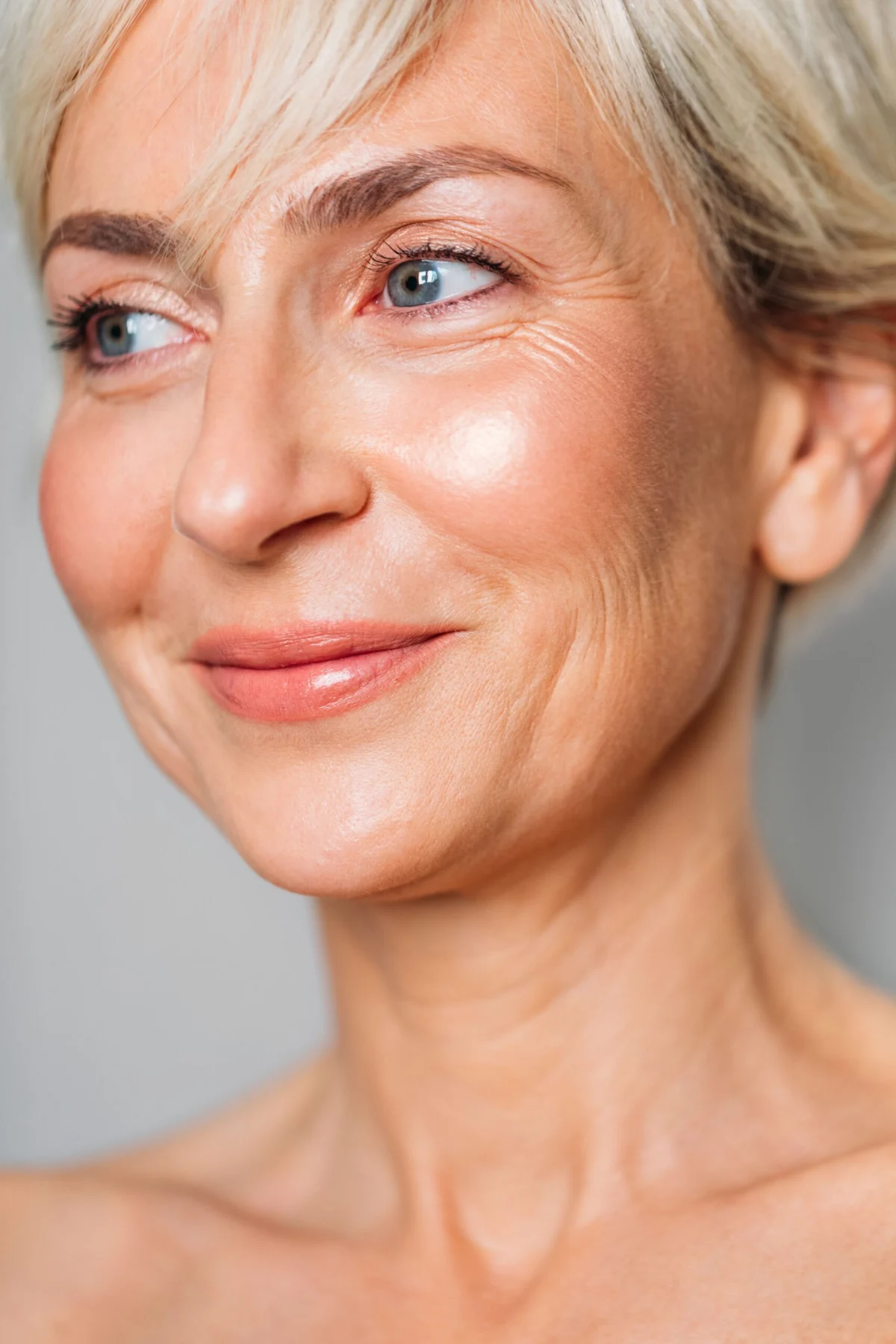
The quest for a flawless complexion often encounters a common adversary: makeup settling into fine lines, particularly in the delicate under-eye area. This phenomenon, frustrating for many, stems from the unique characteristics of the skin and the aging process. According to Dr. Aegean Chan, a board-certified dermatologist in Santa Barbara, the skin beneath the eyes is the thinnest and most fragile on the body. As individuals age, natural declines in collagen and elastin, coupled with a slower cell turnover rate and a weakened skin barrier, lead to increased dryness. This compromised skin integrity makes it inherently more challenging for makeup products to adhere smoothly, often resulting in the dreaded settling into fine lines.
While embracing signs of aging is a personal choice, for those seeking to refine their makeup application techniques, particularly around the eyes, a wealth of expert advice is available. Makeup artists and cosmetic chemists have shared their insights, offering a comprehensive guide to achieving a seamless concealer finish that looks natural and sophisticated, even over the presence of fine lines. The consensus among these professionals emphasizes a multi-faceted approach, beginning with meticulous skin preparation and extending to careful product selection and application techniques.
The Crucial First Step: Undereye Skin Preparation
Before any cosmetic product touches the skin, a thorough preparation of the undereye area is paramount. Makeup artists universally stress that dry skin will cause concealer to cling to existing lines, a problem exacerbated in the delicate undereye region. Joseph Carrillo, a New York City-based makeup artist, advocates for the application of a lightweight eye cream, followed by a brief drying period. This allows the product to absorb and create a smooth canvas.
However, not all eye creams are compatible with makeup application. Cosmetic chemist Amanda Lam, located in Los Angeles, cautions against formulations containing silicones, such as dimethicone. Lam explains that silicones can create an incompatibility with many concealers, leading to pilling and a less-than-smooth finish. "Look for dimethicone on the label," Lam advises. "Eye creams with a high percentage of silicones won’t mix well with concealers and will likely cause pilling." She further warns that overly emollient eye creams or those with a high oil content can render the undereye area too "slippery," hindering concealer adhesion.
The key, therefore, lies in selecting an eye cream that provides adequate hydration without compromising the skin’s ability to hold makeup. Products with a balanced formula, focusing on humectants and occlusives that draw moisture into the skin and seal it in, are often preferred. The Cocokind Revitalizing Eye Cream, lauded for its lightweight, hydrating texture and cooling metal applicator, is one such product recommended for its compatibility with makeup.
The Art of Concealer Selection: Prioritizing Texture Over Coverage
When it comes to choosing a concealer, the advice from experts consistently shifts the focus from high coverage to the product’s texture and flexibility. Carrillo emphasizes that "texture matters more than coverage" when dealing with fine lines. He recommends seeking formulas that are hydrating and flexible, steering clear of thick or overly matte options. "Concealers that are too heavy tend to sit on top of the skin and exaggerate lines," he notes.
Fluid, serum-like formulations are often lauded for their ability to move with the skin, providing a more natural appearance throughout the day. Carrillo specifically highlights the Kosas Revealer Super Creamy + Brightening Concealer and the Armani Luminous Silk Concealer as excellent choices due to their lightweight, fluid textures that blend effortlessly and are less prone to settling into fine lines.
Caroline Barnes, a London-based makeup artist, expresses similar enthusiasm for hydrating formulas, particularly the Glossier Stretch Concealer. For individuals who find liquid or cream concealers challenging to blend due to their tendency to shift, Barnes suggests the Jones Road Face Pencil. This product, she explains, is ideal for targeted application, effectively addressing darkness or discoloration under the eyes without excessive movement.
The "Less Is More" Philosophy: Strategic Concealer Application
A common application technique observed in online tutorials, often described as a "windshield-wiper" motion, is cautioned against by makeup artists when fine lines are a concern. Barnes explains that this method, while visually appealing on firmer skin, can be too heavy in terms of both the amount of product and its placement for those with fine lines.
Instead, both Carrillo and Barnes advocate for a more precise approach: dotting a small amount of concealer onto the darkest area of the undereye and meticulously blending it outwards. The definition of "small amount" can be subjective, but Barnes suggests starting with a single dot for wand-based concealers. For pot concealers, a single dip of a finger or brush is a good starting point. The ability to build coverage gradually is key. "Less product is almost always the trick," Carrillo reiterates. This controlled application prevents the concealer from pooling in creases and accentuating imperfections.
The Touch of Warmth: Leveraging Finger Application for Seamless Blending
When it comes to seamlessly blending concealer into the skin, the most effective tool, according to experts, is often one’s own fingers. Carrillo explains the rationale: "The warmth of the fingers helps melt the product into the skin so it becomes part of the complexion rather than sitting on top." This natural heat facilitates a smoother integration of the concealer with the skin’s surface.
For those who prefer not to use their fingers directly, a densely packed concealer brush is a viable alternative. Carrillo recommends the Hourglass Vanish Concealer Brush as a prime example. However, he stresses the importance of using a stippling motion with the brush, rather than a sweeping one. A swiping motion can inadvertently drag the product into fine lines. "Tapping keeps the coverage soft and diffused," he advises. This technique ensures the concealer is pressed into the skin rather than pushed into creases.
The Controversial Step: Reconsidering Powder Under the Eyes
In a move that may surprise many beauty enthusiasts, makeup artists are increasingly advising to skip powder under the eyes when fine lines are present. Donni Davy, lead makeup artist for the hit television series Euphoria and founder of Half Magic, states unequivocally, "You do not have to use powder." She elaborates that powder can often make the skin appear dry and older, and should only be used if a matte finish is specifically desired.
Carrillo adopts a more nuanced stance, using powder with an extremely light hand if necessary. He expresses a preference for a fine mist of setting spray, which he finds helps to lock makeup in place without adding any additional texture that could emphasize fine lines. His preferred product for this purpose is the Maybelline FaceStudio Lasting Setting Spray, valued for its matte finish. This shift away from powder underscores a broader trend in makeup artistry towards embracing the skin’s natural luminosity and avoiding products that can create a heavier, more matte appearance, which can be unforgiving on textured skin.
A Deeper Look at the Science Behind Aging and Skin Texture
The physiological changes that occur with age play a significant role in makeup application challenges. The skin’s dermis, the layer beneath the epidermis, is rich in collagen and elastin, proteins responsible for skin’s firmness and elasticity. As we age, the body’s production of these vital proteins naturally decreases. This reduction leads to a loss of structural support, resulting in thinner, more fragile skin and the eventual formation of fine lines and wrinkles.
Furthermore, the rate at which skin cells regenerate, known as cell turnover, slows down with age. This diminished turnover means that dead skin cells can accumulate on the surface, creating a duller complexion and a less smooth texture. This can make it harder for products to penetrate and blend evenly.
The skin barrier, the outermost layer of the epidermis, acts as a crucial defense against environmental aggressors and helps to retain moisture. With age, this barrier can become compromised, leading to increased transepidermal water loss (TEWL). This results in skin that is drier and more prone to irritation, making it an unsuitable canvas for makeup that requires a certain level of hydration to apply smoothly.
Implications for the Cosmetics Industry and Consumer Behavior
The insights shared by dermatologists and makeup artists have direct implications for the cosmetics industry. There is a growing demand for makeup formulations that are specifically designed to cater to mature skin or to address concerns like fine lines and dryness. This translates into an increased focus on hydrating ingredients, flexible film-formers, and innovative textures in concealer development. Brands are investing in research and development to create products that offer effective coverage without sacrificing a natural, skin-like finish.
For consumers, this evolving landscape encourages a more informed approach to makeup selection and application. The emphasis on understanding skin physiology and the properties of cosmetic ingredients empowers individuals to make choices that best suit their needs. The trend towards minimalist application techniques and the prioritization of skin health over heavy coverage suggests a maturing consumer base that values authenticity and a polished, yet natural, aesthetic.
The longevity of makeup application, especially in challenging areas like the undereye, is also a significant consideration for product development. The long-wear properties of concealers are being re-evaluated, with a focus on formulas that maintain their integrity throughout the day without creasing or fading, even in the presence of dynamic facial movements. This involves advancements in polymer technology and ingredient stabilization.
Expert-Approved Product Essentials for Concealer Application Over Fine Lines:
1. Hydrating Eye Cream:
- Cocokind Revitalizing Eye Cream: Praised for its lightweight, hydrating texture and cooling metal applicator, making it an excellent primer for the delicate undereye area. Its formulation aims to moisturize without causing pilling or interfering with makeup adhesion.
2. Lightweight, Hydrating Concealers:
- Kosas Revealer Super Creamy + Brightening Concealer: This concealer is lauded for its creamy, blendable texture that moves with the skin, offering buildable coverage without settling into fine lines. Its hydrating properties contribute to a radiant finish.
- Armani Luminous Silk Concealer: Known for its fluid, serum-like consistency, this concealer provides a natural-looking finish and is highly effective at brightening the under-eye area without emphasizing texture.
- Glossier Stretch Concealer: A favorite among makeup artists for its deeply hydrating formula that melts into the skin, offering a sheer to medium coverage that looks incredibly natural.
- Jones Road Face Pencil: Ideal for targeted application, this pencil is a great alternative for those who find liquid or cream concealers difficult to control, offering precise coverage for discoloration without excessive movement.
3. Application Tools:
- Hourglass Vanish Seamless Finish Concealer Brush: A densely packed brush designed for precise application and seamless blending. When used with a stippling motion, it helps to press the concealer into the skin for a diffused finish.
- Fingers: The natural warmth of the fingers aids in melting the concealer into the skin, creating a more integrated and natural-looking finish.
4. Setting and Finishing:
- Maybelline FaceStudio Lasting Setting Spray: A fine mist that helps to set makeup without adding texture, preventing the emphasis of fine lines. Its matte finish can help control shine without drying out the skin.
By understanding the underlying science of aging skin and adopting the strategic techniques and product recommendations from beauty professionals, individuals can achieve a refined and confident makeup look that gracefully enhances their natural features. The key lies in preparation, intelligent product selection, and a gentle, deliberate application process.
