
 By admin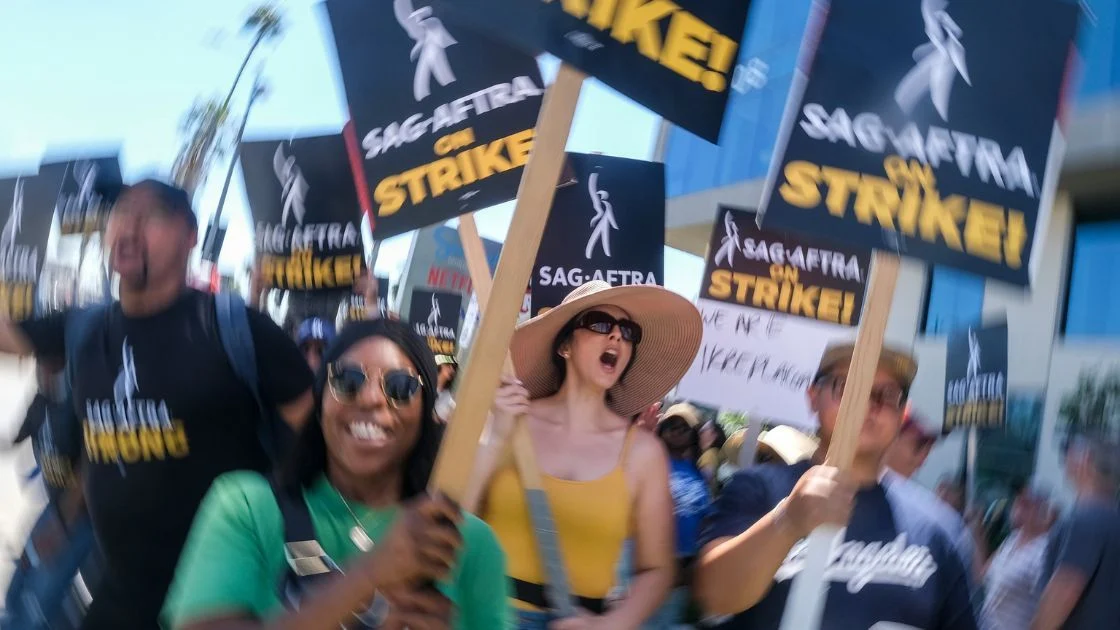
The Screen Actors Guild – American Federation of Television and Radio Artists (SAG-AFTRA) has announced a temporary halt to formal negotiations with the Alliance of Motion Picture and Television Producers (AMPTP), signaling a strategic pause in the high-stakes discussions shaping the future of Hollywood labor. While the move means a new collective bargaining agreement will not be finalized immediately, both parties have committed to resuming formal talks later this spring, with expectations pointing towards June, well in advance of the current contract’s expiration on June 30. This development comes at a critical juncture for an industry still grappling with the lingering effects of the 2023 twin strikes and an ongoing, tentative recovery.
A Strategic Interlude in Complex Negotiations
The decision to pause was reached after an intense period of bargaining that saw SAG-AFTRA and the AMPTP extend their discussions beyond the initially scheduled timeframe, negotiating through the weekend following a return to the table earlier in the week. These extended sessions concluded late Sunday night, strategically coinciding with the immediate aftermath of the 98th Academy Awards ceremony and just hours before the Writers Guild of America (WGA) was slated to commence its own round of negotiations with the studios on Monday.
In a joint statement released to the public, SAG-AFTRA and the AMPTP affirmed the productive nature of their recent discussions. The statement read: “SAG-AFTRA and the AMPTP completed productive bargaining sessions, including going several days beyond what was originally planned. While we will continue ongoing conversations, formal negotiations will resume later this spring as planned, before the current contract expires June 30.” Both parties also expressed gratitude to their respective negotiating committees for their “shared commitment to reaching a fair deal and their thoughtful engagement, including over this entire weekend.” Crucially, the statement reiterated the ongoing commitment to a press blackout, promising further updates only in the coming months, thus maintaining a veil of discretion over the specifics of the talks.
Industry insiders, including reports from outlets like Deadline, suggest that despite the pause, significant progress was achieved in several key areas. This momentum reportedly fueled the decision to push negotiations right up against the WGA’s scheduled bargaining round, indicating that the pause is not a sign of talks collapsing but rather a tactical regrouping. The extended timeline allows both sides additional preparation time and potentially a chance to observe the initial trajectory of the WGA’s discussions, a common strategic move in the intricate dance of Hollywood labor relations.
The Chronology of Hollywood’s Bargaining Cycle
The current negotiation landscape is deeply influenced by the tumultuous events of 2023, which saw an unprecedented dual strike by the WGA and SAG-AFTRA, effectively shutting down much of Hollywood production for months. Those strikes, primarily driven by concerns over compensation in the streaming era, the threat of artificial intelligence (AI), and working conditions, reshaped the industry’s approach to labor contracts. The resolutions achieved then, particularly concerning streaming residuals and AI safeguards, set new benchmarks and expectations for subsequent agreements.
This year’s bargaining cycle began with SAG-AFTRA initiating its formal talks with the AMPTP. The union’s current contract, the Television Animation Agreement and the Codified Basic Agreement, is set to expire on June 30. The strategic timing of the pause means that SAG-AFTRA will likely resume its formal negotiations after the Directors Guild of America (DGA) concludes its own bargaining round, which is anticipated to commence in May. This "leapfrogging" approach is not uncommon in Hollywood, as unions often observe the outcomes of other major guilds’ negotiations to inform their own strategies and leverage. The DGA, having historically negotiated first in many cycles, often sets a foundational precedent on certain economic terms, which other unions then seek to build upon or adapt to their specific needs.
The WGA’s immediate entry into negotiations adds another layer of complexity and observation. While the WGA’s previous strike secured significant gains for writers, their current talks will focus on refining those agreements and addressing any new emergent issues. SAG-AFTRA’s leadership will undoubtedly be monitoring these discussions closely, as there is often overlap in the broader economic and technological concerns shared across guilds, particularly regarding the impact of streaming revenues and AI on creative professionals.
Hollywood’s Tentative Recovery: A Fragile Backdrop
The decision to temporarily halt negotiations occurs against a backdrop of a Hollywood still very much in recovery mode. The 2023 strikes, while ultimately leading to new agreements, inflicted substantial economic damage across the industry. Production did not fully rebound as quickly as many had anticipated, and the return of jobs has been notably slower than optimistic projections.
Data from various industry sources paint a clear picture of this fragility. Reports from organizations like FilmLA, which tracks on-location filming permits in the Los Angeles area, have consistently shown that production levels remain significantly below pre-strike highs. For example, while there has been a modest uptick in permit applications compared to the immediate post-strike period, overall activity in early 2024 has still lagged behind comparable periods in 2022 and early 2023, sometimes by double-digit percentages. This decline in physical production directly translates to fewer opportunities for a vast ecosystem of workers.
Employment figures corroborate this downturn. The Bureau of Labor Statistics (BLS) data, along with analyses from entertainment industry economists, indicate that while some jobs have returned, overall employment in the film and television sector has not yet reached its pre-strike peaks. Many below-the-line workers—craftsmen, technicians, assistants, and supporting crew—who form the backbone of production, have experienced extended periods of unemployment or underemployment. For actors, particularly those in the middle and lower tiers of the profession, this has meant fewer auditions, reduced roles, and a tighter market in an already highly competitive field. The impact extends beyond Los Angeles to production hubs across the United States and internationally, as studios and streamers recalibrate their content strategies.
This broader economic uncertainty lends an "added weight" to the current negotiations. SAG-AFTRA is not merely bargaining for a new contract in a vacuum; it is doing so at a moment when Hollywood is still trying to stabilize its workforce, rebuild trust, and find a sustainable path forward after a prolonged period of disruption, contraction, and cost-cutting measures by major studios and streaming platforms. The industry’s transformation, driven by the shift to streaming and the rapid advancement of artificial intelligence, continues to exert immense pressure on traditional business models and labor structures.
Key Issues at the Bargaining Table
While the press blackout prevents specific details from emerging, the overarching themes of these negotiations are well-understood, rooted in the ongoing challenges and transformations within the entertainment industry.
-
Compensation and Residuals in the Streaming Era: This remains a paramount concern for actors. The traditional model of residuals, which provided long-term income from re-runs of television shows and films, has been severely eroded by the streaming model. Actors argue that the current streaming residual structure does not adequately compensate them for the global reach and perpetual availability of their work on platforms. SAG-AFTRA is expected to push for higher minimum rates across various contract categories and a more equitable share of the revenue generated by streaming content, ensuring that actors benefit proportionally from the success of their work.
-
Artificial Intelligence (AI) and Digital Replicas: The rapid advancement of AI technology poses an existential threat to actors’ livelihoods and intellectual property. The 2023 strike highlighted concerns about studios using AI to generate or alter actors’ likenesses, voices, and performances without proper consent or compensation. SAG-AFTRA is likely seeking robust protections that include explicit consent requirements for the use of digital replicas, fair compensation for such usage, and strict limitations on how AI can be employed to create new performances based on existing ones. The goal is to prevent the exploitation of actors’ images and voices and to ensure they retain control over their digital selves.
-
Healthcare and Pension Contributions: The financial health of the union’s health and pension plans is directly tied to the volume of production and the employment of its members. With the slowdown in production and reduced working hours for many, contributions to these vital funds can diminish, impacting members’ long-term security. SAG-AFTRA will undoubtedly prioritize strengthening these plans, potentially through increased employer contributions or adjustments to eligibility thresholds, to ensure members have access to essential benefits.
-
Working Conditions and On-Set Safety: While not as prominent as compensation or AI, issues related to working conditions, including long hours, rest periods, and safety protocols, are always integral to contract negotiations. The union aims to ensure a safe and healthy working environment for all its members, addressing concerns that may arise from new production practices or pressures.
Inferred Perspectives: Union and Studio Stances
From the union’s perspective, SAG-AFTRA leadership is widely understood to be prioritizing the long-term economic stability and artistic integrity of its members. Faced with a changing industry landscape, the union seeks to secure a contract that not only addresses immediate financial needs but also future-proofs the profession against technological disruption and evolving business models. The goal is to ensure that actors, regardless of their celebrity status, receive fair compensation and retain agency over their work in an increasingly digital and globalized market. The memory of the 2023 strike, and the sacrifices made by members, imbues these talks with a deep sense of responsibility to deliver a contract that truly reflects the value of their labor.
On the other side, AMPTP, representing major studios, streamers, and production companies, operates under intense pressure from shareholders and investors to control costs and maximize profitability. Studio executives are navigating a complex financial environment, characterized by massive investments in streaming content, fluctuating subscriber numbers, and a continued push towards efficiency. Their priorities in negotiations typically revolve around maintaining creative flexibility, managing production budgets, and securing terms that allow them to adapt to rapidly changing consumer behaviors and technological advancements. While committed to reaching a "fair deal," their definition of fairness must align with their business objectives and financial realities. The studios also have a vested interest in avoiding another strike, recognizing the severe economic repercussions of prolonged production shutdowns.
Implications of the Pause: What Lies Ahead
The temporary pause in SAG-AFTRA and AMPTP negotiations carries several significant implications for the industry. In the short term, it avoids an immediate impasse or potential for renewed labor unrest, which would further destabilize Hollywood’s fragile recovery. By allowing time for further internal discussions and observation of other guild negotiations, both sides can refine their positions and strategies.
For the industry as a whole, a stable labor environment is paramount for attracting investment, greenlighting new projects, and ensuring a consistent pipeline of content. Prolonged uncertainty or the threat of future strikes can deter financiers and producers, leading to continued production slowdowns and a loss of jobs. The ability to reach a consensual agreement, even if it takes more time, is viewed by many as crucial for the long-term health and competitiveness of Hollywood.
The inter-union dynamics are also key. The WGA and DGA will proceed with their negotiations, and the outcomes of those talks will inevitably influence SAG-AFTRA’s strategy when it returns to the table. While each union has unique priorities, there are common threads, especially concerning AI and streaming economics, that foster a degree of solidarity and shared interest. The "leapfrogging" approach, if successful, can lead to a more harmonized set of agreements across the guilds, creating a more predictable labor landscape for the studios.
Ultimately, the contract that emerges from these negotiations will play a pivotal role in shaping the future of talent compensation and protection in the digital age. It will set precedents not only for actors but potentially for other creative professions grappling with similar challenges posed by technological innovation and evolving media consumption habits. The shared commitment to a "fair deal" suggests that both parties recognize the high stakes and the necessity of finding common ground to ensure Hollywood’s continued vitality and global leadership in entertainment.
For now, the message from both SAG-AFTRA and the AMPTP is one of continued engagement and progress, albeit on a longer timeline than initially expected. As the industry moves closer to the June 30 contract expiration, all eyes will be on the renewed formal talks, hopeful that this strategic pause will ultimately pave the way for a resolution that secures a more stable and equitable future for all involved in the magic of moviemaking.
