
 By admin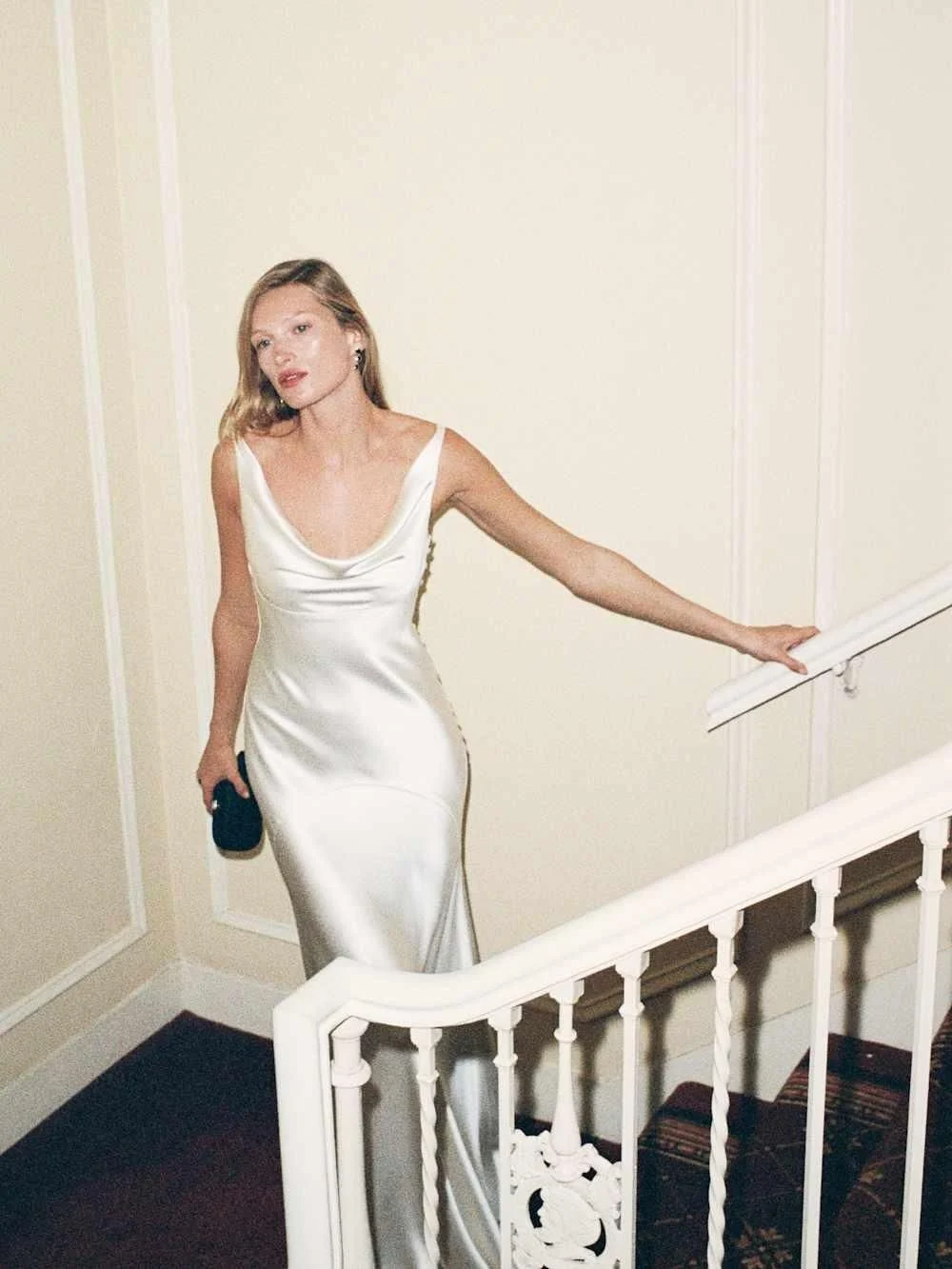
The intrinsic elegance of simple wedding dresses consistently matches, and frequently surpasses, the grandeur of their more intricate and embellished counterparts. Characterized by clean lines, streamlined silhouettes, and pared-back details, these garments exude a restrained glamour that resonates deeply with the minimalist bride. There is an undeniable appeal in an easy, seemingly effortless aesthetic and the profound sense of sophistication that accompanies wearing an uncomplicated yet utterly refined dress. This enduring style’s continued relevance is vividly underscored by the recent renewed fervor surrounding a particular Narciso Rodriguez-designed wedding dress, famously worn by Carolyn Bessette-Kennedy, which cemented its place in fashion history as a symbol of eternal chic.
The Genesis of ’90s Minimalism in Bridal Wear
The 1990s witnessed a significant shift in fashion, moving away from the opulent maximalism that defined the preceding decade. This era embraced an aesthetic of understated luxury, where quality craftsmanship, superior fabrics, and precise tailoring took precedence over overt ornamentation. Designers like Calvin Klein, Helmut Lang, Jil Sander, and the aforementioned Narciso Rodriguez pioneered this movement, creating garments that celebrated the natural form and emphasized individual style rather than fleeting trends. In the bridal world, this translated into a rejection of voluminous gowns, excessive lace, and heavy embellishments. Instead, brides began to seek dresses that reflected a more modern, independent sensibility—a desire for beauty rooted in simplicity and genuine sophistication.
Carolyn Bessette-Kennedy’s 1996 wedding to John F. Kennedy Jr. served as a watershed moment for minimalist bridal fashion. Her custom Narciso Rodriguez slip dress, crafted from ivory silk crepe, became an instant icon. Its sleek, bias-cut silhouette, spaghetti straps, and subtle train embodied the very essence of ’90s minimalism: effortless, chic, and unforgettable. The dress’s profound impact extended beyond its immediate moment, influencing a generation of brides and solidifying the minimalist aesthetic as a timeless choice for nuptials. Fashion historians and bridal experts often cite this particular gown as a benchmark for modern bridal elegance, demonstrating that true luxury lies in restraint and impeccable execution.
The Modern Resurgence: Why Minimalism Reigns Today
The contemporary resurgence of minimalism in fashion, including bridal wear, is not merely a nostalgic trend; it is a reflection of broader societal shifts and evolving priorities among modern brides. In an increasingly complex and often overwhelming world, there’s a growing appreciation for clarity, authenticity, and sustainability. Brides today are seeking wedding attire that aligns with these values, opting for dresses that are not only beautiful but also versatile, comfortable, and reflective of their personal style.
Key Drivers of the Minimalist Bridal Trend:
- Shift Towards Intimacy and Personalization: Following periods of uncertainty, many couples have opted for more intimate ceremonies and celebrations. This shift often favors less formal, more comfortable attire that still retains a sense of occasion. Minimalist dresses, with their inherent ease, fit this brief perfectly.
- Sustainability and Conscious Consumption: Modern brides are increasingly environmentally conscious. Dresses designed with clean lines and high-quality, durable fabrics offer greater re-wearability potential, extending the garment’s life beyond the wedding day. Fashion analysts note a rising demand for pieces that are an investment in a timeless wardrobe, rather than a one-off purchase.
- Influence of Social Media and Celebrity Style: Platforms like Instagram and Pinterest continue to shape bridal aspirations. Images of real brides in effortlessly chic, minimalist gowns, alongside celebrities embracing pared-back elegance, inspire a desire for similar aesthetics. The "quiet luxury" movement has also significantly permeated the bridal sector, emphasizing quality over flash.
- Embracing Authenticity: Contemporary brides are moving away from traditional expectations and seeking to express their true selves. A minimalist dress allows the bride’s personality, rather than the dress’s embellishments, to be the focal point. It speaks to a confidence born of self-assurance, not outward adornment.
Bridal consultants across major markets report a noticeable uptick in inquiries for simple, elegant gowns. "Brides are looking for something that feels authentic to them, something they can move freely in, and something that won’t look dated in their wedding album in 20 years," states a representative from a leading bridal boutique. "The emphasis has truly shifted to the quality of the fabric and the cut."
Defining Characteristics of the Minimalist Wedding Dress
The allure of minimalist wedding dresses lies in their deliberate simplicity, which requires meticulous attention to core design principles. The absence of elaborate embellishments means that fabric, fit, and silhouette take center stage, becoming the primary carriers of sophistication and style.
1. Fabric as the Foundation of Luxury:
In minimalist designs, the choice of fabric is paramount. It must possess an inherent beauty and luxurious feel, as it is largely unadorned.

- Lustrous Silks and Satins: These materials, particularly charmeuse and crepe-back satin, drape languidly over the body, creating a fluid, sensual silhouette. Their natural sheen catches the light, adding a subtle radiance that needs no further embellishment.
- Refined Crepes: Known for their elegant matte finish and excellent drape, crepes offer a structured yet soft feel, allowing for architectural precision in tailoring while maintaining comfort.
- Crisp Linens and High-Quality Cottons: For warmer climates or more casual settings, structured linens and cotton blends provide a fresh, sophisticated option that embodies effortless chic. Designers often select blends that resist wrinkling while retaining a natural texture.
- Duchesse Satin: Offering a richer, more structured hand, duchesse satin creates sculptural forms and holds sharp lines beautifully, ideal for more tailored or architectural minimalist styles.
2. Precision in Tailoring and Fit:
Without intricate details to distract, any imperfection in tailoring or fit becomes immediately apparent. Minimalist dresses demand a flawless cut that sculpts and flatters the body with precision.
- Bias Cut: A technique popularized in the 1930s and revived in the ’90s, the bias cut allows fabric to drape and flow around the body, enhancing its natural curves without clinging. This technique is central to the effortless elegance of many slip-style minimalist gowns.
- Expert Seam Work: Invisible seams, perfectly aligned panels, and internal corsetry (where present) ensure a smooth, uninterrupted surface that defines the garment’s clean lines.
- Architectural Construction: Some minimalist designs incorporate subtle architectural elements, such as precisely placed darts, origami-like folds, or subtle ruching, to create visual interest and structure without adding bulk or adornment.
3. Streamlined Silhouettes:
The hallmark of minimalist bridal wear is its focus on uncluttered, elegant shapes that emphasize the bride’s form.
- Slip Dresses: Perhaps the quintessential minimalist bridal silhouette, the slip dress, often bias-cut in silk or satin, skims the body, offering a sensual yet sophisticated appeal. Its simplicity makes it incredibly versatile for various wedding themes.
- Column Gowns: These dresses fall straight from the shoulders, creating a long, lean line. They can be figure-hugging or more relaxed, but always maintain a sleek, uninterrupted profile.
- A-Line: A subtly flared A-line skirt provides a timeless and universally flattering shape, offering movement and grace without excessive volume.
- Midi and Mini Lengths: For courthouse ceremonies, intimate gatherings, or as a chic second dress, minimalist midi and mini dresses offer a playful yet sophisticated alternative. Structured halter minis or slinky satin midis embody a retro ’60s or ’90s vibe.
- Subtle Draping: Minimalist draping is strategic, used to create soft cowl necks, elegant open backs, or gentle cascades of fabric that add quiet drama without being overwhelming.
Curating the Look: The Art of Accessorizing Minimalist Bridal Wear
One of the greatest strengths of a minimalist wedding dress is its ability to serve as a sophisticated canvas, allowing the bride to personalize her look through carefully chosen accessories. The absence of "frills" means that jewelry, veils, and footwear can truly shine, becoming statement pieces that reflect the bride’s individual taste.
- Statement Jewelry: Instead of competing with a heavily embellished dress, a bold pair of earrings, a sculptural cuff, or a delicate necklace that highlights a plunging back can elevate a simple gown. Brides are opting for unique, artisan-crafted pieces that tell a story.
- Dramatic Veils: A simple dress provides the perfect backdrop for a dramatic, cathedral-length veil, a delicate birdcage veil, or a chic veiled headband. The contrast between the dress’s simplicity and the veil’s ethereal quality creates a striking visual.
- Footwear with Impact: From sleek, pointed-toe heels to elegant satin flats or even contemporary mules, the choice of shoe can significantly influence the overall vibe. A minimalist dress allows for more adventurous footwear choices without clashing.
- Hair and Makeup: The "less is more" philosophy often extends to beauty. A polished chignon, soft waves, or a sleek ponytail complements the clean lines of the dress. Similarly, radiant, natural makeup enhances the bride’s features without overshadowing her understated elegance.
- Bouquets: A minimalist dress pairs beautifully with a chic, monochromatic bouquet, a single statement flower, or a lush arrangement of classic blooms like lilies of the valley or calla lilies, maintaining a cohesive aesthetic.
"The minimalist bride is incredibly discerning," observes a leading fashion stylist specializing in bridal wear. "She understands that every element, from her earrings to her manicure, contributes to the overall impression. Her dress is a foundation upon which she builds a personal, curated look."
Spotlight on Exemplary Minimalist Designs
The market now offers a "sea of choice" for brides embracing this aesthetic, with designers interpreting ’90s minimalism through various lenses. Here are some archetypal styles that capture the essence of this enduring trend:
- The Effortless Slip: Marina Moscone’s cowl-back satin slipdress exemplifies refined allure. Its fluid drape and subtle cowl detail offer a sophisticated take on the classic slip, perfect for a bride seeking understated glamour. Similarly, Nili Lotan’s Cami gown in silky floor-length material provides a tried-and-true option for the minimalist bride.
- The Modern Architectural: Danielle Frankel’s Emerson satin gown, with its square-neck and deep V-back, demonstrates how structural elements can add sophistication without ornamentation. Solace London’s Imani strapless gown, with its tailored column silhouette and striking train, offers another compelling example of refined simplicity.
- Unique and Bold Statements: For the bride who desires a powerful yet feminine look, Ralph Lauren’s Kristian silk tuxedo dress presents a bold, unique choice. It embodies confidence and strength, moving beyond traditional bridal archetypes. Alexia María’s Juliette midi dress offers a perfectly understated, elegant, and timeless structural piece with a waist-defining silhouette.
- Comfort Meets Chic: Khaite’s Lotte linen midi dress caters to low-key summertime brides, offering versatility and the potential for re-wear. Its natural fabric and relaxed shape provide an effortless elegance ideal for more casual or destination weddings. Giuliva Heritage’s satin maxi dress, with its cap sleeves, appeals to the bride who prioritizes both elegance and ease, resembling a sophisticated t-shirt gown.
- Nostalgic and Contemporary Blends: Calvin Klein Collection’s Jasmine draped wool midi dress evokes quintessential ’90s cool with its slinky drape, perfect for a daytime wedding. Givenchy’s crepe midi dress, designed by Sarah Burton, masterfully blends minimalism with a touch of nostalgia.
- After-Party Perfection: For a playful yet chic alternative to longer styles, Retrofête’s Giavanna v-neck satin mini dress is ideal for an after-party. Similarly, Alice + Olivia’s Harmony mini slip dress offers a body-skimming silk option for celebratory post-nuptial events. Alaïa’s gathered stretch-jersey midi dress offers a fluid, timeless option for a post-wedding pool party.
- Sculptural Grace: Vivienne Westwood’s bridal Camille satin gown, with its built-in bustier and sculptural form, radiates power and grace. Maticevski’s Fervor woven midi dress features a romantic draped back that adds a touch of "quiet drama" to a sleek white shift. Co’s strapless column dress in milk-white viscose crepe offers a study in understated elegance that doubles as a versatile wardrobe staple. Tom Ford’s silk stretch evening dress, a minimalist masterpiece, reveals just the right amount of skin with high slits and dipped armholes, blending sensuality with simplicity. Malina’s Zora long-sleeve midi dress, with its high neckline and elegant barrel sleeves, strikes a perfect balance of structure and simplicity. The Row’s Barika hammered silk midi dress serves as the ideal courthouse wedding dress for the unfussiest of brides.
The Broader Impact and Enduring Appeal
The embrace of minimalist wedding dresses signifies more than just a passing fashion trend; it represents a deeper philosophical shift within the bridal industry and among consumers. It champions the idea that true beauty is often found in restraint, and that personal style can be most powerfully expressed through thoughtful choices rather than elaborate displays.
This trend contributes to a more sustainable bridal market by encouraging investment in high-quality, versatile garments that can be worn again, reducing the environmental footprint associated with single-use occasion wear. It also empowers brides to focus on the emotional significance of their day, rather than feeling pressured by external expectations of bridal grandeur.
When brides review their wedding photographs in the years to come, the hope is that their chosen minimalist dress will remain as relevant and beautiful as it felt on the day it was first tried on. This enduring aesthetic promises a timeless elegance that transcends fleeting fads, ensuring that the memories of their special day are framed by an image of sophisticated, confident, and authentic beauty. The movement towards ’90s minimalism in bridal wear is, in essence, a celebration of clarity, quality, and the profound power of understated style.
